


High BP Symptoms: Do not Miss These Crucial Early Signs
Reviewed by: Dr. Niladri Konar
Posted on
5 Min Read

Not sure what you’re looking for?
Get in touch with our representatives for help!
Contact UsOften termed the ‘silent killer’, high blood pressure (hypertension) can stealthily damage your body without any obvious warning signs. Globally, an estimated 1.28 billion adults between the ages of 30 and 79 years have hypertension, and a staggering 46% of adults with hypertension are unaware that they have it. This makes recognising even the subtle high BP symptoms incredibly vital for preventing severe health complications like heart attack, stroke, and kidney disease. This blog aims to raise awareness of the early warning signs of high blood pressure and also guides you on how to reduce high blood pressure naturally.
Understanding high blood pressure
High blood pressure occurs when the force of blood against your artery walls is consistently too high. Over time, this constant pressure can lead to hardening and narrowing of arteries, restricting blood flow and causing damage to vital organs. Since hypertension often has no noticeable symptoms, regular screening is crucial. Early detection can lead to effective management, significantly improving long-term outcomes for countless patients. In fact, studies show that effective management can reduce the risk of stroke by up to 40%.
Significance of early detection
The silent progression of hypertension often means that by the time hypertension symptoms of high blood pressure become clearly evident, substantial harm may already have been done to the body. This is why it is imperative to understand the less common, yet significant, indicators of this condition. The fact that many people do not experience any hypertension symptoms until it reaches a severe or life-threatening stage underscores the importance of proactive health monitoring.
Recognising the subtle symptoms of hypertension
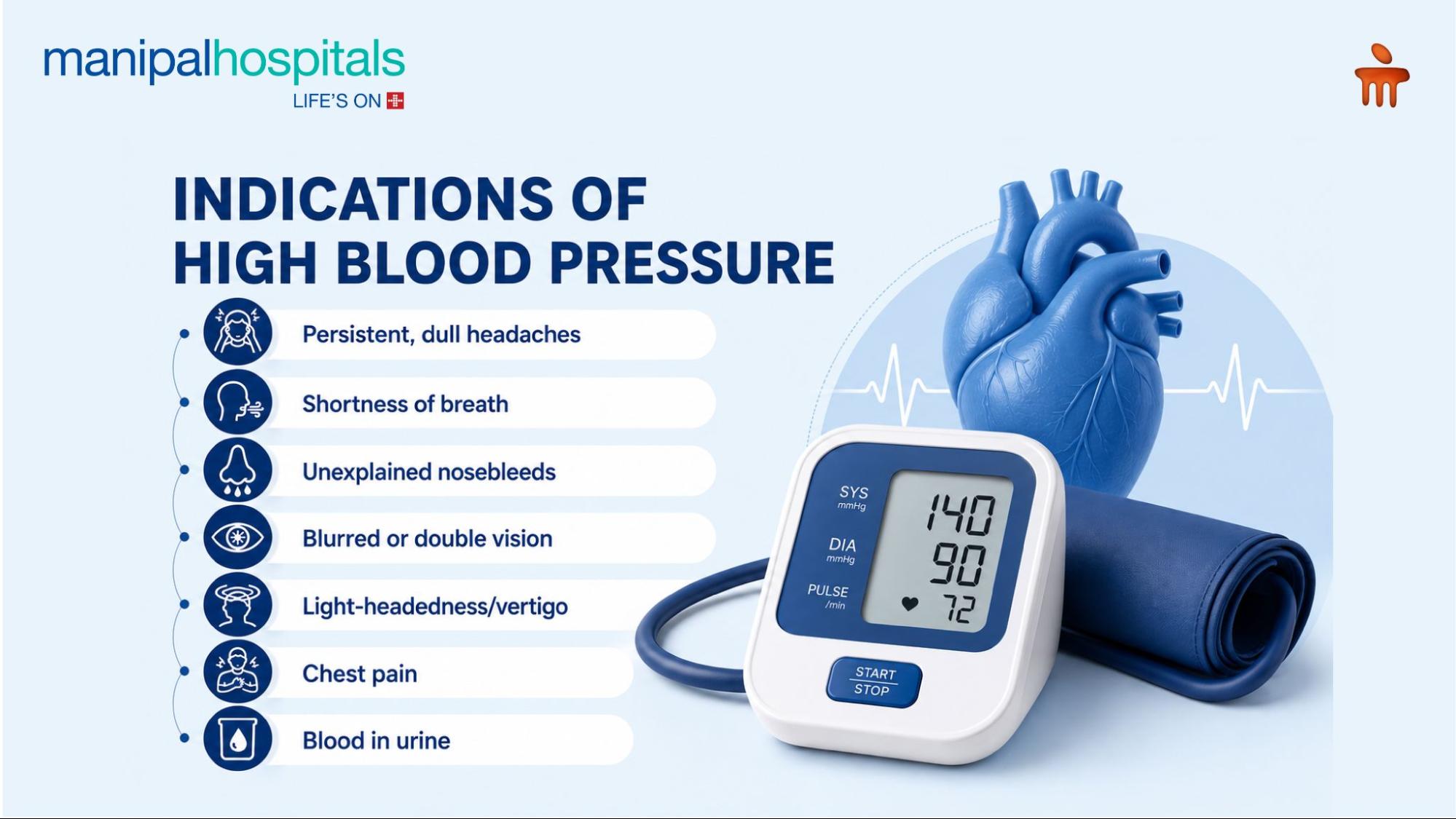
While often asymptomatic, some individuals might experience specific, albeit non-specific, high BP symptoms, especially as the condition progresses. Therefore, it is crucial to pay attention to these signals:
-
Headaches – Persistent, dull headaches, particularly in the morning, can sometimes be a sign of very high blood pressure.
-
Shortness of breath – Experiencing shortness of breath even after mild physical activity could be one of the hypertension symptoms, indicating your heart is struggling.
-
Nosebleeds – Frequent or severe nosebleeds without a clear cause can occasionally be associated with uncontrolled high blood pressure.
-
Vision changes – blurred or double vision, or even temporary loss of vision, can be a serious warning of hypertensive retinopathy, one of the more severe symptoms of hypertension.
-
Dizziness or vertigo – Feeling unsteady or lightheaded, especially upon standing, could be indicative.
-
Chest pain – Although less common as a primary high BP symptom, it can signal serious complications.
-
Blood in urine – This can indicate kidney damage due to prolonged and uncontrolled hypertension.
How to reduce high blood pressure
The journey to managing and reducing high blood pressure begins with awareness and proactive steps. Lifestyle modifications are often the first line of defence. Incorporating regular physical activity and a heart-healthy diet can make a significant difference. For instance, regular exercise can lower systolic blood pressure by an average of 5-7 mmHg. Over 70% of patients with mild to moderate hypertension achieve healthy blood pressure levels through lifestyle changes alone. You must:
-
Follow a balanced diet rich in fruits, vegetables, whole grains, and lean proteins
-
Maintain a healthy body weight
-
Engage in at least 150 minutes of moderate-intensity exercise per week, such as walking, cycling, or swimming
-
Limit intake of processed and high-fat foods
-
Reduce stress through relaxation techniques, yoga, or meditation
-
Avoid smoking and tobacco use
-
Limit alcohol consumption
-
Get adequate sleep and maintain a consistent sleep schedule
-
Monitor blood pressure regularly
-
Take prescribed medications consistently, if advised by a doctor
-
Never ignore potential hypertension symptoms, however mild
-
Avoid adjusting or stopping prescribed medications without consulting your doctor
-
Adopt a low-salt diet and also avoid processed foods that are often high in sodium
-
Go for regular check-ups with your healthcare provider, as these are essential for long-term management
Conclusion
Understanding the warning signs of high blood pressure and adopting the right treatment and lifestyle measures are essential for long-term well-being. While these symptoms may not always indicate hypertension, experiencing them frequently should never be ignored, as early intervention can help prevent serious complications.
At Manipal Hospitals, we are committed to helping you take charge of your heart and overall health through timely awareness, accurate diagnosis, and expert medical care. If you have concerns about your blood pressure or are experiencing persistent symptoms, consult the internal medicine experts at Manipal Hospitals EM Bypass and take the first step towards a healthier future.
Frequently Asked Questions
Although stress may cause temporary spikes in blood pressure, prolonged or unmanaged stress can increase the risk of developing chronic hypertension over time. It often leads to unhealthy habits such as overeating, smoking, alcohol consumption, poor sleep, and physical inactivity, which further impact heart health.
If you have a family history or risk factors, regular checks are recommended. If diagnosed with high blood pressure, your doctor will advise on more frequent monitoring.
Yes, significant lifestyle changes like a healthy diet, regular exercise, maintaining a healthy weight, and reducing sodium intake are effective ways to reduce high blood pressure naturally.
Do not wait for clear symptoms of hypertension. Consult a doctor immediately for an accurate diagnosis and to discuss how to reduce high blood pressure or manage it effectively.
Symptoms such as severe headaches, blurred vision, chest pain, difficulty breathing, sudden numbness, or weakness may indicate a dangerously high blood pressure emergency. These warning signs should never be ignored, as they can signal serious complications like stroke, heart attack, or organ damage requiring urgent medical care.
Share this Article


Recent Blogs
Robotic Breast Surgery: The Dawn of a New Era in Oncology
29 Jun 20267 Min Read
A breast cancer diagnosis is a life-altering event, but rapid advancements in diagnosis and treatments are offering patients more hope and improved clinical outcomes than ever before. One such ground-breaking advancement capturing the attention of the global medical community is Robotic Breast Surgery. The purpose of this post is to explore a specific procedure known as Robotic Nipple-Sparing Mastectomy (RNSM), detailing how this new and upcoming technique offers unparalleled advantages, and why it is revolutionising the surgical management of breast cancer.
Read NowUnderstanding Benign Brain Tumour: Symptoms, Surgery, and Recovery
24 Jun 20266 Min Read
Receiving a diagnosis of a benign brain tumour can be an overwhelming experience. While the term ‘benign’ offers reassurance that the tumour is non-cancerous and typically slow-growing, it does not diminish the natural concerns about its impact on health and daily life. These anxieties require compassionate, state-of-the-art care that can guide you through every step of your journey from diagnosis to recovery. An expert multidisciplinary team of neurosurgeons, neurologists, oncologists, and rehabilitation specialists can ensure a holistic approach, focusing on the best possible outcomes for the patient.
Read NowASD Device Closure Procedure: What Patients Need to Know
22 Jun 20266 Min Read
An Atrial Septal Defect (ASD), often referred to as a ‘heart hole’, is a common congenital heart defect. While some small ASDs may close on their own, many require intervention to prevent long-term complications. Traditionally, this involved open-heart surgery. However, advancements in medical technology have introduced the less invasive procedure involving an ASD closure device that offers a safer and quicker path to recovery for many patients.
Read Nowঅনিয়মিত মাসিক ও পিসিওডি: আপনার মাসিক চক্র কেন গুরুত্বপূর্ণ এবং এর প্রতিকার কী
29 May 20266 Min Read
হরমোনের ভারসাম্যহীনতার কারণে মাসিক চক্র অনিয়মিত হতে পারে; তবে সঠিক জীবনযাত্রার পরিবর্তন এবং ক্ষেত্রবিশেষে ওষুধের মাধ্যমে এই সমস্যাটি সমাধান হওয়া সম্ভব। অবশ্য, অনেক সময় অনিয়মিত মাসিক কোনো অন্তর্নিহিত শারীরিক সমস্যার লক্ষণ হতে পারে (যেমন পিসিওডি), যার জন্য আরও বিশেষায়িত চিকিৎসার প্রয়োজন হয়। এই ব্লগটিতে অনিয়মিত মাসিক এবং পিসিওডি - র বিষয় নিয়ে বিস্তারিত আলোচনা করা হয়েছে, যাতে আপনি আপনার সুস্বাস্থ্য ও সুস্থতার স্বার্থে এই দুটি শারীরিক অবস্থা সম্পর্কে একটি পূর্ণাঙ্গ ধারণা লাভ করতে পারেন।
Read NowHome Remedies vs Medical Treatment for Knee Pain: What Actually Provides Long-Term Relief
28 May 20265 Min Read
Knee pain is a common ailment affecting millions worldwide. It can range from a mild ache to severe discomfort that interferes with daily activities and mobility. Naturally, many people first turn to easy fixes and home remedies for knee pain. While these methods can provide temporary relief, understanding when to seek professional medical care is essential for achieving long-term knee pain relief and protecting joint health.
Read NowRheumatoid Arthritis v/s Osteoarthritis: Key Differences Every Joint Pain Patient Should Know
28 May 20265 Min Read
Joint pain is a prevalent issue across the world, and it becomes more common with increasing age. However, joint pain is not the same everywhere. Rheumatoid arthritis (RA) and osteoarthritis (OA) both affect joints but differ significantly in their origins, symptoms, and treatment. This blog highlights the key differences between rheumatoid arthritis and osteoarthritis, as understanding these distinctions is crucial for accurate diagnosis and management.
Read NowThe Dialysis Diet: Foods, Fluids, and Restrictions Every Kidney Patient Needs to Follow
28 May 20265 Min Read
Diet is a key component in maintaining overall health and well-being. A proper diet not only focuses on maintaining calories, but it is also meant to provide optimum nutrition fit for each person’s individual needs. For someone undergoing dialysis, a proper dialysis diet plan is essential for maintaining nutritional levels while also cutting out foods that could be harmful for their kidneys. This blog highlights the importance of a proper diet plan for those undergoing dialysis for a thorough understanding of suitable foods, proper fluid management, and what to avoid.
Read NowHigh BP Symptoms: Do not Miss These Crucial Early Signs
27 May 20265 Min Read
Often termed the ‘silent killer’, high blood pressure (hypertension) can stealthily damage your body without any obvious warning signs. Globally, an estimated 1.28 billion adults between the ages of 30 and 79 years have hypertension, and a staggering 46% of adults with hypertension are unaware that they have it. This makes recognising even the subtle high BP symptoms incredibly vital for preventing severe health complications like heart attack, stroke, and kidney disease. This blog aims to raise awareness of the early warning signs of high blood pressure and also guides you on how to reduce high blood pressure naturally.
Read NowAortic Aneurysm: Early Signs, Causes, and Available Treatments
06 May 20266 Min Read
The aorta is the largest blood vessel of your body which carries oxygen-rich blood from the heart and delivers it to the other organs. An aortic aneurysm occurs when a section of this vital artery weakens and bulges, posing a significant health risk. Without timely intervention, recovery can become extremely complicated. Understanding the warning signs, aortic aneurysm causes, and available treatment options is crucial for timely intervention and improved outcomes.
Read NowIdentifying Breast Cancer Symptoms: Early Detection Improves Survival
27 Apr 20265 Min Read
Breast cancer is the most common type of cancer among Indian women, and it is gradually rising in both urban and rural areas. Studies have reported that 14% of all cancers in women are breast cancer, with over 2,00,000 cases being reported each year. However, early detection can significantly improve survival rates; localised breast cancer detected early boasts over a 99% 5-year survival rate. Understanding the global health threat posed by breast cancer and the significance of early detection for improved outcomes is vital in building a strong awareness towards breast cancer symptoms, causes, risk factors, and available treatment options. This blog highlights all the details you should know about breast cancer.
Read Now