


The Dialysis Diet: Foods, Fluids, and Restrictions Every Kidney Patient Needs to Follow
Reviewed by: Dr. Uttayan Chakrabarti
Posted on
5 Min Read

Not sure what you’re looking for?
Get in touch with our representatives for help!
Contact UsDiet is a key component in maintaining overall health and well-being. A proper diet not only focuses on maintaining calories, but it is also meant to provide optimum nutrition fit for each person’s individual needs. For someone undergoing dialysis, a proper dialysis diet plan is essential for maintaining nutritional levels while also cutting out foods that could be harmful for their kidneys. This blog highlights the importance of a proper diet plan for those undergoing dialysis for a thorough understanding of suitable foods, proper fluid management, and what to avoid.
Understanding the Dialysis Diet Plan
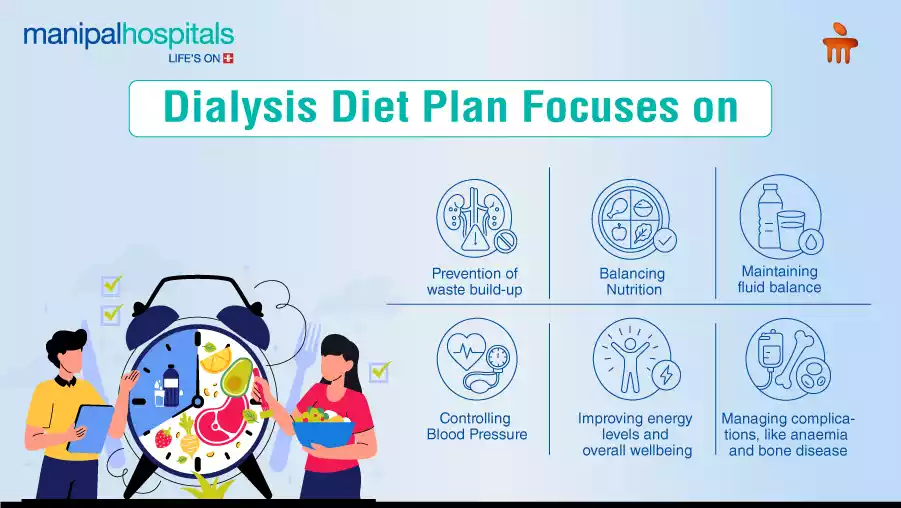
The dialysis diet plan is significantly different from a regular diet plan. A dialysis diet plan focuses on nutrition, fluid management, and most importantly, managing sodium, phosphorus and potassium levels. A diet plan for a dialysis patient focuses on:
-
Prevention of waste build-up
-
Balancing nutrition
-
Maintaining fluid balance
-
Controlling Blood Pressure
-
Improving energy levels and overall wellbeing
-
Managing complications, like anaemia and bone disease.
Managing Fluid Intake
One of the most challenging aspects of undergoing dialysis is fluid restriction in dialysis patients. Your kidneys are responsible for eliminating excess water from your body through urine. But when kidneys malfunction, they are unable to filter out excess water, which can cause fluid build-up inside the body, leading to swelling and causing strain to your heart and lungs.
Some simple tips for managing fluid intake are:
-
Sip liquids slowly and use small cups.
-
Rinse your mouth with water or mouthwash without swallowing.
-
Suck on ice chips or hard candy.
-
Brush your teeth frequently to keep your mouth fresh.
-
Avoid salty foods, as they increase thirst.
Key Components of a Dialysis Diet Plan
The main focus of a dialysis diet plan is to maintain protein, potassium, phosphorus and sodium levels in the body.
Protein
As dialysis removes protein from the body, it is essential to make sure that a proper amount of protein is consumed to prevent malnutrition and avoid muscle mass loss. Dialysis patients require a high amount of protein to compensate for its loss during treatment.
Some good sources of protein for dialysis patients are:
-
Eggs
-
Lean meat
-
Fish
-
Low-fat milk and dairy products
-
Plant-based protein sources like nuts, soy and beans
It is important to note that some of these protein sources may also be high in phosphorus, especially dairy products. Thus, it is essential to consume them carefully under the guidance of a doctor or nutritionist.
Potassium
Potassium is an essential component for nerves and proper heart function. However, the kidneys of a dialysis patient cannot filter out excess potassium. Hence, it is important to abide by the recommendation of your doctor or nutritionist for the permitted amount of potassium to be included in your diet.
Some safe sources of potassium that can be consumed as part of your dialysis diet plan may include:
-
Fruits like apples, persimmons, pineapples, peaches and berries (blueberries, strawberries, etc.).
-
Vegetables like cucumber, leafy greens, cabbage, radish, and carrots.
-
Low-fat dairy products like low-fat milk and curd.
Canned, packaged, and processed foods should be avoided, as many of them have very high amounts of potassium. A process called 'leaching' (peeling, chopping, soaking, and boiling) can reduce potassium content in some vegetables.
Phosphorus
Kidney failure can cause phosphorus to build up by drawing calcium from bones, which can cause weakness. It also leads to itchy skin, joint pain, and hardened blood vessels, thereby increasing the risk of heart disease. Identifying high-phosphorus foods and removing them from the dialysis diet plan is essential for maintaining health.
Some safe choices for phosphorus include:
-
Proteins: Lean meats, chicken, fish, egg whites.
-
Fruits and Vegetables: Mostly fresh varieties of green beans, celery, parsnips, lettuce and more.
-
Refined Grains: White bread, white rice, and pasta.
Your doctor may recommend phosphate binders to be taken with meals to prevent excess phosphorus absorption.
Sodium
Sodium, principally sourced from salt, is a direct contributor of water retention in the body. Thus, it is essential to limit salt consumption. Some ways by which you can avoid excess salt consumption are:
-
Limit Processed Foods: These are high in hidden sodium and can increase thirst.
-
Avoid Salt Substitutes: They contain high amounts of potassium, which can be dangerous.
-
Season with Herbs & Spices: Use fresh herbs, garlic, lemon, and salt-free blends while cooking.
-
Measure Fluid Intake: Monitor all liquids, including soups and high-water fruits.
Conclusion
Your health journey with kidney complications is full of challenges. A proper dialysis diet plan is essential for providing nutrition and maintaining fluid balance in the body. At Manipal Hospitals EM Bypass, our Department of Nephrology is powered by expert nephrologists and dietary specialists who create personalised treatment and diet plans for each patient’s individual needs. If you are concerned about your kidney health and are looking for expert advice, book an appointment at Manipal Hospitals EM Bypass today.
Frequently Asked Questions
A dialysis diet plan may limit consumption of certain kinds of foods, but it is still possible to enjoy foods you like. Your doctor or dietician will find ways to incorporate them into your diet.
Your fluid allowance is highly individualised, depending on your remaining kidney function and urine output. Your doctor or dietician will provide a specific guideline for how much fluid is safe to consume.
Lean meats, poultry, fish, and eggs are excellent sources, and soybeans and related products (tofu and soy milk) as well as and nuts are good plant-based sources of protein. Your dietician will help determine the right amount for your specific needs.
Dialysis can remove water-soluble vitamins, so your doctor may prescribe vitamin supplements that are safe for you to take. Avoid self-medicating with over-the-counter supplements without medical advice.
Regular consultations are crucial, especially when starting dialysis or if your health status changes. Aim for at least quarterly check-ups, or more frequently if advised.
Share this Article


Recent Blogs

Robotic Breast Surgery: The Dawn of a New Era in Oncology
29 Jun 20267 Min Read
A breast cancer diagnosis is a life-altering event, but rapid advancements in diagnosis and treatments are offering patients more hope and improved clinical outcomes than ever before. One such ground-breaking advancement capturing the attention of the global medical community is Robotic Breast Surgery. The purpose of this post is to explore a specific procedure known as Robotic Nipple-Sparing Mastectomy (RNSM), detailing how this new and upcoming technique offers unparalleled advantages, and why it is revolutionising the surgical management of breast cancer.
Read NowUnderstanding Benign Brain Tumour: Symptoms, Surgery, and Recovery
24 Jun 20266 Min Read
Receiving a diagnosis of a benign brain tumour can be an overwhelming experience. While the term ‘benign’ offers reassurance that the tumour is non-cancerous and typically slow-growing, it does not diminish the natural concerns about its impact on health and daily life. These anxieties require compassionate, state-of-the-art care that can guide you through every step of your journey from diagnosis to recovery. An expert multidisciplinary team of neurosurgeons, neurologists, oncologists, and rehabilitation specialists can ensure a holistic approach, focusing on the best possible outcomes for the patient.
Read NowASD Device Closure Procedure: What Patients Need to Know
22 Jun 20266 Min Read
An Atrial Septal Defect (ASD), often referred to as a ‘heart hole’, is a common congenital heart defect. While some small ASDs may close on their own, many require intervention to prevent long-term complications. Traditionally, this involved open-heart surgery. However, advancements in medical technology have introduced the less invasive procedure involving an ASD closure device that offers a safer and quicker path to recovery for many patients.
Read Nowঅনিয়মিত মাসিক ও পিসিওডি: আপনার মাসিক চক্র কেন গুরুত্বপূর্ণ এবং এর প্রতিকার কী
29 May 20266 Min Read
হরমোনের ভারসাম্যহীনতার কারণে মাসিক চক্র অনিয়মিত হতে পারে; তবে সঠিক জীবনযাত্রার পরিবর্তন এবং ক্ষেত্রবিশেষে ওষুধের মাধ্যমে এই সমস্যাটি সমাধান হওয়া সম্ভব। অবশ্য, অনেক সময় অনিয়মিত মাসিক কোনো অন্তর্নিহিত শারীরিক সমস্যার লক্ষণ হতে পারে (যেমন পিসিওডি), যার জন্য আরও বিশেষায়িত চিকিৎসার প্রয়োজন হয়। এই ব্লগটিতে অনিয়মিত মাসিক এবং পিসিওডি - র বিষয় নিয়ে বিস্তারিত আলোচনা করা হয়েছে, যাতে আপনি আপনার সুস্বাস্থ্য ও সুস্থতার স্বার্থে এই দুটি শারীরিক অবস্থা সম্পর্কে একটি পূর্ণাঙ্গ ধারণা লাভ করতে পারেন।
Read NowHome Remedies vs Medical Treatment for Knee Pain: What Actually Provides Long-Term Relief
28 May 20265 Min Read
Knee pain is a common ailment affecting millions worldwide. It can range from a mild ache to severe discomfort that interferes with daily activities and mobility. Naturally, many people first turn to easy fixes and home remedies for knee pain. While these methods can provide temporary relief, understanding when to seek professional medical care is essential for achieving long-term knee pain relief and protecting joint health.
Read NowRheumatoid Arthritis v/s Osteoarthritis: Key Differences Every Joint Pain Patient Should Know
28 May 20265 Min Read
Joint pain is a prevalent issue across the world, and it becomes more common with increasing age. However, joint pain is not the same everywhere. Rheumatoid arthritis (RA) and osteoarthritis (OA) both affect joints but differ significantly in their origins, symptoms, and treatment. This blog highlights the key differences between rheumatoid arthritis and osteoarthritis, as understanding these distinctions is crucial for accurate diagnosis and management.
Read NowThe Dialysis Diet: Foods, Fluids, and Restrictions Every Kidney Patient Needs to Follow
28 May 20265 Min Read
Diet is a key component in maintaining overall health and well-being. A proper diet not only focuses on maintaining calories, but it is also meant to provide optimum nutrition fit for each person’s individual needs. For someone undergoing dialysis, a proper dialysis diet plan is essential for maintaining nutritional levels while also cutting out foods that could be harmful for their kidneys. This blog highlights the importance of a proper diet plan for those undergoing dialysis for a thorough understanding of suitable foods, proper fluid management, and what to avoid.
Read NowHigh BP Symptoms: Do not Miss These Crucial Early Signs
27 May 20265 Min Read
Often termed the ‘silent killer’, high blood pressure (hypertension) can stealthily damage your body without any obvious warning signs. Globally, an estimated 1.28 billion adults between the ages of 30 and 79 years have hypertension, and a staggering 46% of adults with hypertension are unaware that they have it. This makes recognising even the subtle high BP symptoms incredibly vital for preventing severe health complications like heart attack, stroke, and kidney disease. This blog aims to raise awareness of the early warning signs of high blood pressure and also guides you on how to reduce high blood pressure naturally.
Read NowAortic Aneurysm: Early Signs, Causes, and Available Treatments
06 May 20266 Min Read
The aorta is the largest blood vessel of your body which carries oxygen-rich blood from the heart and delivers it to the other organs. An aortic aneurysm occurs when a section of this vital artery weakens and bulges, posing a significant health risk. Without timely intervention, recovery can become extremely complicated. Understanding the warning signs, aortic aneurysm causes, and available treatment options is crucial for timely intervention and improved outcomes.
Read NowIdentifying Breast Cancer Symptoms: Early Detection Improves Survival
27 Apr 20265 Min Read
Breast cancer is the most common type of cancer among Indian women, and it is gradually rising in both urban and rural areas. Studies have reported that 14% of all cancers in women are breast cancer, with over 2,00,000 cases being reported each year. However, early detection can significantly improve survival rates; localised breast cancer detected early boasts over a 99% 5-year survival rate. Understanding the global health threat posed by breast cancer and the significance of early detection for improved outcomes is vital in building a strong awareness towards breast cancer symptoms, causes, risk factors, and available treatment options. This blog highlights all the details you should know about breast cancer.
Read Now