


Hyperthermia Symptoms: Causes, Signs, and Prevention of Excessive Body Heat
Reviewed by: Manipal Hospitals
Posted on
8 Min Read

Not sure what you’re looking for?
Get in touch with our representatives for help!
Contact UsAs temperatures rise, so does the risk of heat-related illnesses, with hyperthermia being one of the most critical. Understanding hyperthermia symptoms, its causes, and effective prevention strategies is vital for everyone, especially in regions prone to extreme heat. Hyperthermia, or excessive body heat, occurs when your body generates or absorbs more heat than it can dissipate, leading to a dangerous rise in core body temperature. Early recognition and timely intervention can significantly improve outcomes, with studies showing that prompt cooling can increase survival rates for severe heatstroke by over 90%.
Understanding Hyperthermia: More Than Just Feeling Hot
Many people confuse hyperthermia with fever, but they are distinctly different. While both involve an elevated body temperature, fever is a regulated increase set by the hypothalamus in response to infection or inflammation. Hyperthermia, on the other hand, is an unregulated rise in body temperature due to the body's inability to cope with external heat or excessive internal heat production, overriding its natural cooling mechanisms.
This can lead to serious health complications if not addressed promptly, affecting various organs and systems.
So, what is hyperthermia? It's a spectrum of heat-related conditions ranging from mild heat cramps to life-threatening heatstroke, where the body's core temperature can soar above 40°C (104°F). This condition demands immediate attention to prevent severe organ damage or even death.
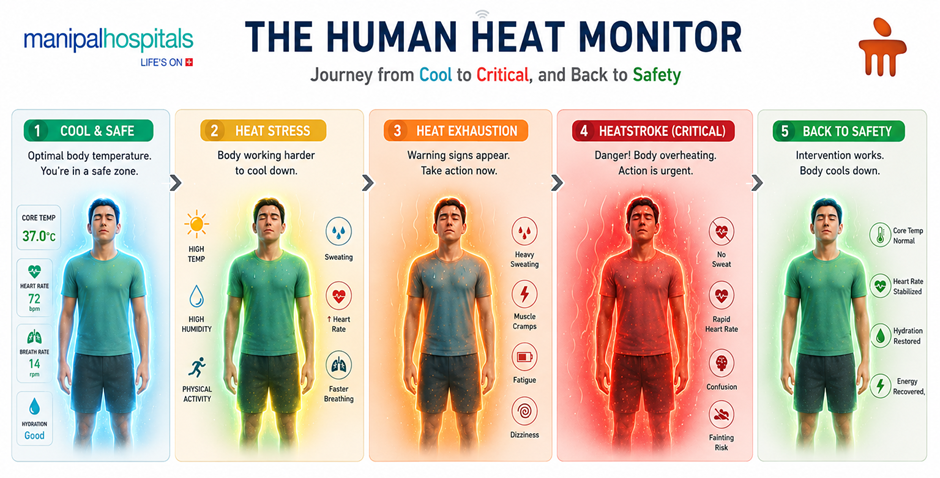
Recognizing the Signs: Hyperthermia Symptoms
Identifying hyperthermia symptoms early is crucial. These symptoms can vary depending on the severity of the heat stress. Understanding the progression can help you respond appropriately.
Heat Cramps: These are the mildest form of heat illness and often the first warning sign of excessive heat in body.
-
Muscle pain or spasms, typically in the abdomen, arms, or legs
-
Heavy sweating
-
Fatigue
Heat Exhaustion: A more severe condition where the body starts to struggle with heat dissipation. These internal body heat symptoms indicate a need for immediate action.
-
Profuse sweating, often cold, pale, and clammy skin
-
Headache, dizziness, or lightheadedness
-
Nausea, vomiting, or diarrhoea
-
Weakness and fatigue
-
Rapid, weak pulse
-
Muscle cramps
-
Slightly elevated body temperature (usually below 40°C or 104°F)
-
Fainting (syncope)
Heatstroke: This is the most severe and life-threatening form of hyperthermia, requiring emergency medical attention. It occurs when the body's temperature regulation system fails entirely, leading to dangerously high body temperatures. Recognising these body overheating symptoms immediately is paramount.
-
Body temperature of 40°C (104°F) or higher
-
Hot, red, and often dry skin (though sweating may still be present in exertional heatstroke)
-
Rapid, strong pulse
-
Throbbing headache
-
Confusion, disorientation, agitation, or slurred speech
-
Seizures
-
Unconsciousness
-
Loss of sweating (in classic non-exertional heatstroke)
Causes of Hyperthermia
Several factors contribute to the causes of hyperthermia, leading to the body's inability to maintain a normal core temperature. These can be broadly categorized into environmental and physiological factors.
Environmental Factors:
-
High Ambient Temperature: Prolonged exposure to hot weather, especially with high humidity, is the primary cause.
-
Intense Physical Activity: Exercising strenuously in hot conditions generates significant internal heat that the body struggles to release.
-
Inadequate Ventilation: Working or living in poorly ventilated areas where heat cannot escape easily.
-
Wearing Excessive Clothing: Trapping body heat, preventing natural cooling.
Physiological Factors & Risk Groups:
-
Dehydration: Insufficient fluid intake reduces the body's ability to sweat, a key cooling mechanism.
-
Age: Infants and young children have less developed thermoregulatory systems, while older adults may have chronic conditions or medications that impair their ability to regulate temperature.
-
Certain Medications: Diuretics, antihistamines, sedatives, and some psychiatric medications can interfere with the body's temperature regulation or hydration levels.
-
Chronic Health Conditions: Heart disease, kidney disease, diabetes, and obesity can increase susceptibility.
-
Alcohol Consumption: Alcohol can lead to dehydration and interfere with the body's ability to regulate temperature.
Hyperthermia Prevention: Staying Safe in the Heat
Preventing excessive body heat is far easier and safer than treating its effects. Effective hyperthermia prevention strategies can dramatically reduce your risk. In fact, studies suggest that adopting simple preventive measures can reduce the incidence of heat-related illnesses by as much as 75 to 80%.
-
Stay Hydrated: Drink plenty of fluids, especially water, even if you don't feel thirsty. Avoid sugary drinks, alcohol, and excessive caffeine, as they can contribute to dehydration.
-
Limit Outdoor Activity During Peak Heat: Schedule strenuous outdoor activities for cooler parts of the day, such as early morning or late evening.
-
Dress Appropriately: Wear loose-fitting, lightweight, light-colored clothing. Hats and sunglasses can also offer protection.
-
Seek Cool Environments: Spend time in air-conditioned spaces, or use fans and take cool showers or baths.
-
Listen to Your Body: If you start experiencing internal body heat symptoms like fatigue, dizziness, or excessive sweating, stop your activity, rest in a cool place, and rehydrate.
-
Never Leave Anyone in a Parked Car: Temperatures inside a parked car can rise rapidly to dangerous levels, even on a seemingly mild day.
-
Acclimatisation: If you must work or exercise in the heat, gradually increase your exposure time and intensity over several days or weeks to allow your body to adapt.
When to Seek Help: Hyperthermia Treatment
The moment you suspect severe hyperthermia symptoms, especially those indicative of heatstroke, immediate action is crucial. While some initial steps can be taken, severe cases require professional medical attention. With timely and appropriate medical intervention, the survival rate for heatstroke significantly increases, reaching over 95% in treated cases.
If someone is experiencing symptoms of heatstroke (e.g., confusion, unconsciousness, hot dry skin, or a very high body temperature), call for emergency medical help immediately. While waiting for help, move the person to a cooler place and begin active cooling measures. For urgent care, you can visit emergency medicine doctors in Bangalore for immediate medical evaluation and treatment.
Immediate Steps: Hyperthermia Treatment at Home (First Aid)
For milder cases of heat exhaustion, or while waiting for medical help for heatstroke, here's how to reduce body heat immediately:
For Heat Exhaustion:
-
Move to a Cooler Place: Get the person out of the sun and into an air-conditioned room or the shade.
-
Lie Down and Elevate Legs: This helps improve blood flow to the brain.
-
Loosen Clothing: Remove any tight or unnecessary clothing.
-
Cool the Body:
-
Apply cool, wet cloths or ice packs to the armpits, groin, neck, and back. Take a cool bath or shower if possible.
-
Use a fan to help evaporate sweat and cool the skin.
-
Hydrate: Sip cool water or a sports drink containing electrolytes. Avoid plain water if large amounts are consumed quickly, as it can dilute electrolytes.
-
If symptoms worsen or do not improve within an hour, seek medical attention.
Conclusion
In essence, recognising what is hyperthermia, an uncontrolled rise in body temperature, is vital. Early identification of hyperthermia symptoms, from subtle internal body heat symptoms and signs of excessive heat in the body to critical body overheating symptoms, can prevent severe complications. While knowing home remedies to reduce body heat immediately is beneficial for milder cases, prompt medical evaluation for severe excessive body heat is paramount. Visit Manipal Hospitals Bangalore for specialised services for hyperthermia treatment in Bangalore, ensuring comprehensive care.
Frequently Asked Questions
Hyperthermia is an unregulated increase in core body temperature when the body generates or absorbs more heat than it can dissipate. Unlike a fever, hyperthermia is a dangerous overheating due to external factors or the body's inability to cool itself, potentially leading to organ damage.
Hyperthermia symptoms range from mild to severe. Initial signs include heat cramps (muscle pain, heavy sweating) and heat exhaustion (profuse sweating, headache, nausea, dizziness, weakness, and rapid pulse). The most severe form, heatstroke, presents with a body temperature of 40°C (104°F) or higher, hot/dry or sweating skin, confusion, seizures, and unconsciousness.
The causes of hyperthermia are typically environmental and physiological. Environmental factors include high ambient temperatures, intense physical activity in the heat, inadequate ventilation, and excessive clothing. Physiological factors involve dehydration, age (infants/elderly), certain medications, chronic health conditions (e.g., heart disease, diabetes), and alcohol consumption.
Effective hyperthermia prevention involves staying hydrated by drinking plenty of water, limiting outdoor activities during peak heat, wearing loose-fitting and light-colored clothing, seeking cool environments, and never leaving anyone in a parked car.
If you suspect heat exhaustion, move the person to a cooler place, loosen clothing, apply cool cloths, and offer sips of water or a sports drink. For suspected heatstroke or severe hyperthermia symptoms, call medical help immediately and move the person to a cooler place for cooling measures.
Share this Article


Recent Blogs

test blog 18/09--
06 Oct 20269 Min Read
Teseting h tags HH Teseting h tags HH Teseting h tags HH Teseting h tags HH Teseting h tags HH Teseting h tags HH Teseting h tags HH लहान मुलांमध्ये पोटदुखी ही एक अत्यंत सामान्य समस्या आहे. बऱ्याचदा पोटदुखी ही किरकोळ कारणांनी होत असते, मात्र काही वेळा ती गंभीर आजाराचे लक्षण देखील असू शकते. पालकांनी पोटदुखीला हलकं न घेता तिच्या कारणांचा शोध घेणे महत्त्वाचे आहे. योग्य वेळी उपचार झाले तर मुलांचे आरोग्य लवकर सुधारते आणि भविष्यातील गुंतागुंत टाळता येते. चला तर मग पाहूया मुलांमध्ये पोटदुखीची 7 संभाव्य कारणे आणि त्यावर उपाय. https://fedrevdev.cosmicnet.xyz/clinics-budigere/ Teseting h tags HH Teseting h tags HH
Read NowFlu Prevention Tips:test
18 Sept 20263 Min Read
When the weather shifts, so do the challenges to your health. You may notice how a sudden dip in temperature, an unexpected shower, or even a change from humid to dry air seems to bring on sniffles, fevers, or sore throats. Among the most common concerns during such transitions is the flu. Unlike a cold, the flu can leave you weak, feverish, and struggling for days. https://fedrevdev.cosmicnet.xyz/jaipur/ The good news? You can protect yourself. Flus prevention is not about doing one big thing; rather, it is about combining small, consistent actions with an understanding of how your body’s immunity works. Just as seasons change, your approach to health should adapt, too. Recognising early signs, strengthening your body from within, and knowing when to seek medical advice can make a world of difference. The Department of Internal Medicine at the Manipal Clinics Begur, Bengaluru, is well equipped with top specialists, infrastructure and advanced treatment facilities, which help in early diagnosis and recovery from flu-related diseases. https://fedrevdev.cosmicnet.xyz/jaipur/ The Department of Internal Medicine at the Manipal Clinics Begur, Bengaluru, is well equipped with top specialists, infrastructure and advanced treatment facilities, which help in early diagnosis and recovery from flu-related diseases test.
Read NowModern Ways to Remove Kidney Stones: No Big Cuts Required
19 Jun 20267 Min Read
Kidney stones, though common, can be incredibly painful and disruptive to daily life. For a long time, their removal often involved invasive surgeries with lengthy recovery periods. However, medical science has advanced remarkably, offering a new era of minimally invasive and highly effective kidney stone treatment options. Understanding these modern approaches to managing kidney stones can significantly ease anxieties and empower patients to make informed decisions about their health. The good news is that the vast majority of kidney stones can now be treated without the need for large incisions, thanks to advanced techniques like class kidney stone laser treatment and other state-of-the-art procedures.
Read NowDecoding Acid Reflux: Expert Insights on Causes, Symptoms, and Advanced Treatment Options
19 Jun 20268 Min Read
Acid reflux, often simply called heartburn, is a common digestive condition that affects millions worldwide. While often dismissed as a minor inconvenience, persistent acid reflux can significantly impact quality of life and, if left unaddressed, lead to more serious health issues. At Manipal Hospitals, we believe in empowering our patients with knowledge. This comprehensive guide will help you understand the core aspects of acid reflux, from its underlying causes and tell-tale symptoms to effective treatment strategies and lifestyle adjustments that can bring lasting relief. Recent studies indicate that up to 20% of the global population experiences acid reflux symptoms weekly, making it one of the most prevalent gastrointestinal disorders. The good news? With proper diagnosis and treatment, over 90% of patients can find substantial relief and manage their condition effectively. Let's dive deeper about acid reflux in this blog.
Read NowPreparing for Bypass Surgery: When It's Needed and How to Plan?
05 Jun 20268 Min Read
The journey through a diagnosis of coronary artery disease (CAD) can be daunting, bringing with it a cascade of questions and anxieties. When lifestyle changes and medical therapies are no longer sufficient to manage severe blockages, bypass surgery emerges as a highly effective intervention. For many, the phrase ‘bypass surgery’ might sound intimidating. However, understanding when this procedure becomes a vital step in your journey to a healthier heart and how to effectively prepare for it can transform apprehension into empowerment. In this blog, let us guide you through every step, ensuring you receive the most compassionate and advanced coronary artery disease treatment available.
Read NowNavigating Cancer: The Role of PET Scans in Diagnosis and Treatment Planning
03 Jun 20268 Min Read
In the complex journey of cancer diagnosis and treatment, understanding the extent and nature of the disease is paramount. Positron Emission Tomography (PET) scans, often combined with Computed Tomography (CT) scans, offer a powerful window into the body's metabolic activity, providing critical insights that traditional imaging alone cannot. This comprehensive guide aims to demystify the PET CT scan, explaining what is a PET scan, how it works, and when it becomes an indispensable tool in cancer management.
Read NowInflammatory Bowel Disease (IBD): How Early Diagnosis and Advanced Care Help 80% of Patients Achieve Better Health Outcomes
28 May 20266 Min Read
Inflammatory Bowel Disease (IBD) is a group of chronic inflammatory conditions affecting the gastrointestinal (GI) tract. Unlike more common digestive issues, IBD involves persistent inflammation, leading to a range of debilitating symptoms. Understanding what is Inflammatory Bowel Disease is the first step towards effective management and a significantly improved quality of life.
Read NowDemystifying C-Section Delivery: Why Doctors Recommend This Life-Saving Procedure
28 May 20266 Min Read
For many expectant parents, the journey to childbirth is filled with anticipation and detailed planning. While a vaginal delivery is often the preferred outcome, medical circumstances sometimes necessitate a cesarean section, commonly known as a C-section. Understanding the reasons behind this recommendation can empower parents and alleviate anxieties. Globally, C-sections account for a significant number of births, with some regions reporting rates over 30%. This highlights the critical role this procedure plays in modern obstetrics. In this blog, let us know why doctors recommend this procedure to some expectant mothers.
Read NowThe Silent Epidemic: Why Slip Disc Symptoms Are Rising Among Young People?
28 May 20268 Min Read
Once considered an ailment primarily affecting older adults, a ‘slip disc’ or herniated disc is now increasingly being diagnosed in young individuals. In recent times, doctors have observed a noticeable shift, with more young adults seeking consultation for persistent back and neck pain. This concerning trend prompts us to delve into the reasons behind this rise and empower you with knowledge about slip disc symptoms, causes, and effective management strategies. Understanding this condition is crucial, especially when early intervention can make a significant difference. Let's explore why this spinal issue is becoming a silent epidemic among the younger generation.
Read NowHyperthermia Symptoms: Causes, Signs, and Prevention of Excessive Body Heat
25 May 20268 Min Read
As temperatures rise, so does the risk of heat-related illnesses, with hyperthermia being one of the most critical. Understanding hyperthermia symptoms, its causes, and effective prevention strategies is vital for everyone, especially in regions prone to extreme heat. Hyperthermia, or excessive body heat, occurs when your body generates or absorbs more heat than it can dissipate, leading to a dangerous rise in core body temperature. Early recognition and timely intervention can significantly improve outcomes, with studies showing that prompt cooling can increase survival rates for severe heatstroke by over 90%.
Read Now