


Pelvic Fractures: Treatment, Symptoms & Types
Reviewed by: Dr. Harish Talreja
Posted on
5 Min Read
Not sure what you’re looking for?
Get in touch with our representatives for help!
Contact UsA pelvic fracture refers to a break in one or more bones of the pelvis, the sturdy ring of bones located at the base of your spine. While these fractures can range from mild to life-threatening, proper diagnosis and timely treatment are essential for recovery. Whether it’s a hairline fracture in the pelvis, a cracked pelvic bone, or a severe break, understanding the symptoms, causes, and treatment options is crucial.
What is a Pelvic Fracture?
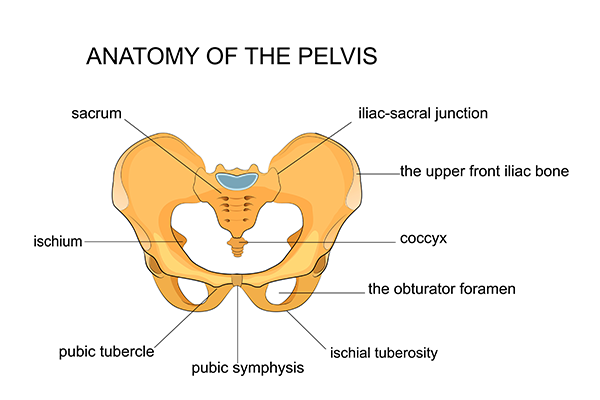
The pelvis is made up of several bones – the ilium, ischium, pubis, sacrum, and coccyx – that protect internal organs such as the bladder and reproductive organs. A broken bone in pelvis may involve a minor crack or a complete break, depending on the severity and cause of the injury.
Pelvic fractures can be:
-
Stable: Where the bones are minimally displaced.
-
Unstable: Involving multiple breaks and displacement of the pelvic ring.
These injuries are commonly caused by:
-
Road traffic accidents
-
High-impact falls (e.g., from ladders or stairs)
-
Sports injuries
-
Bone-weakening conditions like osteoporosis, particularly in the elderly
Common Symptoms of a Pelvic Fracture
Identifying a pelvic fracture can be challenging, especially in cases of a hairline fracture in the pelvis, where the signs might be subtle. However, some of the most common symptoms include:
-
Severe pain in the hip, groin, or lower back
-
Swelling or bruising around the pelvic area
-
Difficulty walking, standing, or bearing weight
-
Numbness or tingling in the groin or legs
-
Visible deformity in the pelvic region
-
Pain while urinating or having a bowel movement
If you or someone you know experiences these symptoms following trauma or a fall, it is critical to seek immediate medical attention.
Types of Pelvic Fractures
1. Hairline Fracture in Pelvis
Also known as stress fractures, these occur due to repetitive force or stress over time. They’re common in athletes and the elderly. A hairline fracture in the pelvis may not be detected on initial X-rays, so further imaging like MRI or CT scans might be needed.
2. Cracked Pelvic Bone
This refers to a partial break in the bone that may not involve displacement. A cracked pelvic bone often results from moderate trauma and can be very painful, especially during movement.
3. Open Pelvic Fractures
These are severe fractures where the broken bones puncture the skin. They often involve significant blood loss and risk of infection.
4. Closed Pelvic Fractures
In these, the skin remains intact, but internal damage can still be substantial.
5. Acetabular Fractures
These involve the socket portion of the hip joint and may require surgical correction depending on the displacement.
Diagnosis of a Pelvic Fracture
Diagnosing a broken bone in the pelvis involves:
-
Physical Examination: Checking for tenderness, swelling, and range of motion.
-
Imaging Tests:
-
X-rays to detect larger breaks
-
CT Scans for detailed bone imaging
-
MRI to identify smaller or stress fractures not visible in X-rays
-
Treatment Options
The treatment for a cracked pelvic bone or any pelvic fracture depends on its severity and the patient’s overall health. Treatment options include:
1. Non-Surgical Treatment
Used for stable fractures, such as a hairline fracture in the pelvis:
-
Bed rest and limited movement
-
Pain management with medications
-
Use of crutches or walkers
-
Physiotherapy to regain mobility and strength
2. Surgical Treatment
Recommended for unstable or displaced fractures:
-
External fixation: Metal rods are placed outside the body to hold bones in place.
-
Internal fixation: Plates, screws, or rods are surgically implanted to stabilize the bones.
-
Reconstructive surgery in complex cases involving joint damage.
Recovery and Rehabilitation
Recovery from a broken bone in the pelvis can take weeks to months. Rehabilitation focuses on:
-
Gradual increase in physical activity
-
Strengthening exercises
-
Pain management
-
Emotional and psychological support, especially in severe trauma cases
At Manipal Hospitals Jaipur, the orthopaedic team offer comprehensive rehabilitation services, helping patients recover quickly and return to their normal life with personalised care plans.
When to See a Doctor
Always consult a healthcare professional if you experience persistent pelvic pain after a fall or accident. Early diagnosis of a hairline fracture in the pelvis or a cracked pelvic bone can prevent further complications like internal bleeding or chronic pain.
At Manipal Hospitals Jaipur, we bring world-class orthopedic care with state-of-the-art diagnostic and surgical facilities. Whether you have a minor hairline fracture in pelvis or a complex broken bone in pelvis, our team of skilled orthopedic surgeons and rehabilitation experts ensures holistic treatment.
Our services include:
-
Advanced imaging and diagnostics
-
Minimally invasive surgical techniques
-
Comprehensive pain management
-
Dedicated rehabilitation and physiotherapy units
Conclusion
Pelvic fractures, whether minor like a hairline fracture in the pelvis or severe like a cracked pelvic bone, require prompt diagnosis and appropriate treatment. Ignoring the symptoms or delaying care can result in long-term health consequences.
If you or a loved one is experiencing symptoms of a broken bone in pelvis bone, don't wait. Reach out to the expert team at Manipal Hospitals Jaipur for accurate diagnosis, expert surgical care, and personalised rehabilitation.
Your healing journey begins here. Book an appointment at Manipal Hospitals Jaipur today!
Frequently Asked Questions
Recovery time can vary from 6 to 12 weeks for minor fractures. Severe fractures needing surgery may take several months and require extended physiotherapy.
While some may manage short walks with support, it’s best to limit movement to allow proper healing. Always follow your doctor’s advice.
Yes, even a minor crack can cause significant pain and mobility issues. Without proper treatment, it may lead to complications like blood clots or long-term disability.
High-impact trauma from vehicle accidents or falls is the leading cause. Osteoporosis can also cause fractures with minimal stress, especially in older adults.
Avoid heavy lifting, high-impact activities, and prolonged standing or sitting. Stick to your rehabilitation program and attend all follow-up appointments.
Share this Article


Recent Blogs

Hernia Surgery: Open vs Laparoscopic — Which Approach Suits You Best?
29 Jun 20267 Min Read
A hernia occurs when an organ or fatty tissue squeezes through a weak spot in a surrounding muscle or connective tissue. While some hernias might not cause immediate discomfort, they can lead to serious hernia surgery complications if left untreated, such as strangulation of the incarcerated tissue. Common types include inguinal hernia surgery (groin), umbilical hernia surgery (belly button), hiatal, and incisional hernia. The good news is that hernia surgery is a highly effective and safe hernia treatment for millions of patients worldwide, with success rates often exceeding 95% for long-term relief.
Read NowPancreatitis: Acute vs Chronic — Causes, Symptoms and Treatment
29 Jun 20268 Min Read
The pancreas, a vital organ nestled behind your stomach, plays a crucial dual role: producing digestive enzymes that help break down food and hormones like insulin that regulate blood sugar. When this delicate organ becomes inflamed, a condition known as pancreatitis occurs. This inflammation can manifest in two primary forms – acute pancreatitis and chronic pancreatitis – each with distinct characteristics, causes, and treatment approaches. Understanding the differences is key to effective management and maintaining your long-term health. At Manipal Hospitals, our gastroenterology experts are dedicated to providing comprehensive care for all types of pancreatic disease, employing cutting-edge diagnostics and personalised treatment plans to ensure the best possible outcomes for our patients.
Read NowICD vs CRT: Understanding Implantable Devices for Dangerous Heart Rhythms and Heart Failure
22 Jun 20268 Min Read
At Manipal Hospitals, we understand that a diagnosis involving a serious heart condition can be daunting. You may have heard terms like Implantable Cardioverter Defibrillator (ICD) or Cardiac Resynchronization Therapy (CRT) device, and perhaps you're wondering what they are and how they differ. These advanced implantable devices represent significant breakthroughs in modern cardiology, offering renewed hope and significantly improving the quality of life for patients with dangerous heart rhythms and heart failure. Through this blog, our commitment is to empower you with clear information, delivered with the empathy you deserve. We'll explore these life-saving technologies, helping you understand their roles in managing complex heart conditions and showcasing how Manipal Hospitals stands at the forefront of providing exceptional arrhythmia treatment and heart failure treatment.
Read NowUnderstanding Multiple Sclerosis: Symptoms, Diagnosis, and Advanced Care at Manipal
22 Jun 20268 Min Read
Multiple Sclerosis (MS) is a complex and often misunderstood condition that affects millions worldwide. At Manipal Hospitals, we believe in empowering our patients with knowledge and providing compassionate, state-of-the-art care. Understanding multiple sclerosis symptoms, its progression, and the latest treatment options is the first step towards managing this chronic neurological disease effectively. Our expert team is dedicated to guiding you through every stage, ensuring you receive personalised care designed to improve your quality of life.
Read NowLiving With Epilepsy: Medication, Triggers and When to Consider Surgery
19 Jun 20266 Min Read
Living with epilepsy can present unique challenges, but with the right knowledge, medical care, and supportive community, a fulfilling life is not just possible—it's the reality for a significant majority. This comprehensive guide will delve into understanding epilepsy symptoms, exploring effective epilepsy treatment options, including medication and surgical considerations, and empowering you to manage triggers for better epilepsy management.
Read Nowहिप रिप्लेसमेंट सर्जरी: संकेत कि आपको इसकी ज़रूरत है, प्रक्रिया और रिकवरी टाइमलाइन
19 Jun 20266 Min Read
कूल्हे का दर्द आपकी दैनिक गतिविधियों और जीवन की गुणवत्ता को गंभीर रूप से प्रभावित कर सकता है। जब नॉन-सर्जिकल उपचार विफल हो जाते हैं, तो हिप रिप्लेसमेंट सर्जरी (Total Hip Arthroplasty) एक प्रभावी समाधान हो सकती है। मणिपाल अस्पताल में, हम समझते हैं कि यह निर्णय आसान नहीं होता, और इसलिए हम आपको इस प्रक्रिया के बारे में विस्तृत जानकारी प्रदान करने के लिए यहाँ हैं। आइए समझते हैं कि आपको हिप रिप्लेसमेंट सर्जरी की आवश्यकता कब हो सकती है, इसमें क्या प्रक्रिया शामिल है और रिकवरी की टाइमलाइन क्या है।
Read NowHPV Vaccine for Cervical Cancer Prevention: Who Should Get It and When
12 Jun 202610 Min Read
Cervical cancer, a significant health concern for women globally, is largely preventable. At the forefront of this prevention strategy is the HPV vaccine, a medical marvel that has transformed our approach to this disease. Here at Manipal Hospitals, we are committed to empowering our community with knowledge and access to life-saving interventions. This comprehensive guide will shed light on the Human Papillomavirus (HPV), its link to cervical cancer, and why the HPV vaccine is a cornerstone of women's health.
Read NowWhat is TAVI/TAVR? A Patient's Guide to Transcatheter Aortic Valve Replacement
12 Jun 20266 Min Read
At Manipal Hospitals, we understand that facing a heart condition can be daunting. When it comes to aortic valve disease, the thought of traditional open-heart surgery can be particularly intimidating. Fortunately, advancements in medical science offer less invasive, highly effective alternatives. One such groundbreaking innovation is the TAVI procedure, also known as TAVR. This guide aims to demystify Transcatheter Aortic Valve Replacement (TAVR/TAVI), providing you with comprehensive, patient-centric information to help you understand this life-changing treatment option.
Read NowMeniscus Tear: Understanding Symptoms, Diagnosis, and the Repair vs. Removal Decision
08 Jun 202611 Min Read
A sudden twist, a missed step, or even the wear and tear of time can lead to a common knee injury that impacts millions worldwide: a meniscus tear. At Manipal Hospitals, we understand the debilitating pain and disruption a meniscus tear can bring to your daily life. Our dedicated orthopaedic specialists in Jaipur are here to guide you through understanding this condition, from the initial symptoms of a meniscus tear to advanced meniscus tear treatment options, ensuring you regain your mobility and quality of life.
Read NowOver 90% Preventable: How HPV Vaccine & Early Screening Can Eradicate Cervical Cancer
08 Jun 202610 Min Read
Cervical cancer, a disease that affects the cervix (the lower part of the uterus that connects to the vagina), stands as a significant health concern for women worldwide. However, the good news is that it is largely preventable and, when detected early, highly treatable. At Manipal Hospitals, we are committed to empowering women with the knowledge and resources to protect themselves against this disease. This comprehensive guide will walk you through the essential aspects of cervical cancer prevention, from understanding its causes of cervical cancer to embracing the power of the HPV vaccine and regular cervical cancer screening. The global fight against cervical cancer has seen remarkable progress, with preventative strategies demonstrating incredible success. For instance, countries with robust cervical cancer screening programs have seen a reduction in incidence and mortality rates by up to 80%. This highlights the immense power of proactive health measures in safeguarding women's well-being.
Read Now