


Pancreatitis: Acute vs Chronic — Causes, Symptoms and Treatment
Reviewed by: Dr. Kandarp Nath Saxena
Posted on
8 Min Read

Not sure what you’re looking for?
Get in touch with our representatives for help!
Contact UsThe pancreas, a vital organ nestled behind your stomach, plays a crucial dual role: producing digestive enzymes that help break down food and hormones like insulin that regulate blood sugar. When this delicate organ becomes inflamed, a condition known as pancreatitis occurs. This inflammation can manifest in two primary forms – acute pancreatitis and chronic pancreatitis – each with distinct characteristics, causes, and treatment approaches. Understanding the differences is key to effective management and maintaining your long-term health.
At Manipal Hospitals, our gastroenterology experts are dedicated to providing comprehensive care for all types of pancreatic disease, employing cutting-edge diagnostics and personalised treatment plans to ensure the best possible outcomes for our patients.
Causes of Pancreatitis: What Triggers the Inflammation?
Understanding the underlying causes is the first step in preventing and managing pancreatic inflammation. While some factors are beyond our control, many are related to lifestyle choices.
-
Gallstones: These small, hardened deposits can block the bile duct, which also serves the pancreas, leading to a backup of digestive fluids and triggering acute pancreatitis. Approximately 40-60% of acute pancreatitis cases are linked to gallstones.
-
Alcohol Abuse: Excessive alcohol consumption is a significant risk factor for both acute and chronic pancreatitis. It's believed to prematurely activate digestive enzymes within the pancreas, causing self-digestion. Long-term heavy drinking accounts for about 30% of acute cases and up to 70% of chronic cases.
-
High Triglycerides: Extremely high levels of triglycerides (a type of fat in the blood) can also induce acute pancreatitis. This accounts for about 5-10% of cases.
-
Certain Medications: Some drugs, though less commonly, can lead to pancreatic inflammation.
-
Autoimmune Conditions: Conditions like lupus or inflammatory bowel disease can sometimes cause the body's immune system to attack the pancreas.
-
Genetic Factors: Specific genetic mutations can predispose individuals to recurrent acute pancreatitis and eventually chronic forms.
-
Abdominal Injury or Surgery: Trauma to the abdomen or surgery near the pancreas can sometimes trigger inflammation.
-
Cystic Fibrosis: This genetic disorder primarily affects the lungs but can also impact the pancreas, leading to blockages and chronic inflammation.
-
Pancreatic Cancer: In rare instances, a tumour can block the pancreatic duct, leading to inflammation.
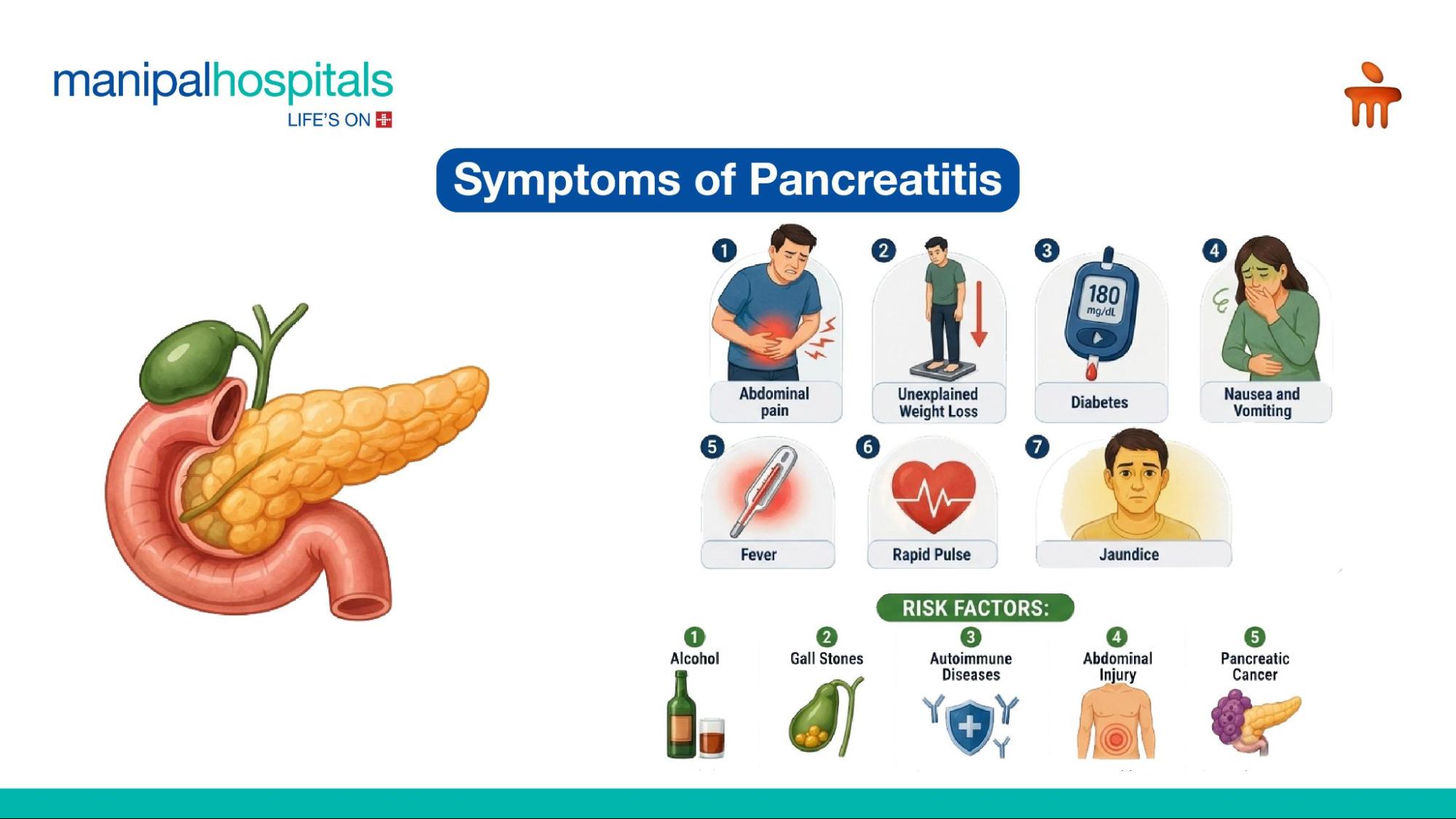
Pancreatitis Symptoms: Recognising the Warning Signs
The symptoms of pancreatitis can range from mild discomfort to severe, life-threatening pain. While there's overlap, there are distinct differences between acute and chronic presentations.
Acute Pancreatitis Symptoms: A Sudden Onset
Acute pancreatitis is characterised by a sudden, severe attack. Recognising these symptoms of acute pancreatitis and seeking immediate medical attention is crucial.
-
Severe Abdominal Pain: This is the hallmark symptom, often appearing suddenly in the upper abdomen and sometimes radiating to the back. It can be constant and intense.
-
Nausea and Vomiting: Often accompanying the pain, these symptoms can lead to dehydration.
-
Fever: An elevated body temperature is a common sign of inflammation.
-
Rapid Pulse: The body's response to inflammation and pain.
-
Tenderness when Touching the Abdomen: The affected area may be painful to the touch.
-
Jaundice: In some cases, if the bile duct is blocked, yellowing of the skin and eyes may occur.
With prompt and appropriate medical care, a significant majority – over 85% – of patients with mild to moderate acute pancreatitis recover fully within a few days to a week.
Chronic Pancreatitis Symptoms: Persistent Challenges
Chronic pancreatitis involves ongoing inflammation, often leading to irreversible damage and impaired pancreatic function. The pancreas infection symptoms and related issues tend to be more persistent and progressive.
-
Chronic Abdominal Pain: This pain can be constant or come in episodes, often worsening after eating. It may become less severe as the pancreas loses its ability to produce enzymes.
-
Unexplained Weight Loss: Due to malabsorption (the inability to digest food properly), patients often lose weight despite maintaining their dietary intake.
-
Steatorrhea: Fatty, foul-smelling stools that float, a clear sign of poor fat digestion.
-
Diabetes: As the insulin-producing cells are damaged over time, many individuals develop type 1 or type 2 diabetes.
-
Nausea and Vomiting: Less common than in acute cases, but can still occur.
-
Fatigue: Resulting from malnutrition and the body's ongoing struggle with inflammation.
While chronic pancreatitis is a lifelong condition, effective management strategies can significantly improve quality of life for up to 70-80% of patients, helping them manage pain and nutritional deficiencies.
Pancreatitis Treatment: Restoring Health and Managing Symptoms
The goals of pancreatitis treatment differ between acute and chronic forms, focusing on reducing inflammation, managing pain, and addressing complications.
Acute Pancreatitis Treatment: Urgent Care
Treatment for acute pancreatitis typically requires hospitalisation and aims to allow the pancreas to rest and heal.
-
Pain Management: Strong pain relievers are administered to alleviate the severe abdominal pain.
-
Intravenous (IV) Fluids: Essential for preventing dehydration and supporting organ function.
-
Bowel Rest: Patients are often kept without food or drink initially to prevent further stimulation of the pancreas. Nutrition may be provided intravenously if needed.
-
Addressing the Cause: If gallstones are the cause, procedures like endoscopy (ERCP) or surgery (cholecystectomy) may be performed to remove them.
-
Antibiotics: Prescribed if an infection develops.
-
Minimally Invasive Procedures: For severe cases involving infected fluid collections or necrosis, interventional radiology or endoscopic procedures may be necessary.
Early intervention and comprehensive care at Manipal Hospitals contribute to a high success rate, with over 90% of acute pancreatitis patients recovering well.
Chronic Pancreatitis Treatment: Long-term Management
Managing chronic pancreatitis focuses on pain control, nutritional support, and preventing further damage.
-
Pain Management: A multi-faceted approach involving medications, nerve blocks, and in some cases, surgical interventions to relieve persistent pain.
-
Pancreatic Enzyme Replacement Therapy (PERT): Oral enzyme supplements are taken with meals to help digest food, improving nutrient absorption and reducing steatorrhea. This greatly benefits digestion for nearly all patients with pancreatic insufficiency.
-
Dietary Modifications: A specialised pancreatitis diet is crucial. This often involves small, frequent meals low in fat and avoiding trigger foods. A nutritionist plays a vital role here.
-
Diabetes Management: If diabetes develops, it requires careful monitoring and management with insulin or other medications.
-
Lifestyle Changes: Absolute cessation of alcohol and nicotine is paramount to prevent further damage.
Endoscopic or Surgical Interventions: Procedures to widen blocked ducts, remove stones, or drain cysts may be considered to alleviate symptoms and complications. These procedures have a success rate of 70-80% in improving specific symptoms.
Care Essentials: Do's and Don'ts for Pancreatitis Management
Adopting specific lifestyle changes is paramount for both preventing recurrences of pancreas diseases and gastrointestinal disorders. Our experienced gastroenterologists in Jaipur recommend the following dos and don’ts that can help:
-
AVOID ALCOHOL COMPLETELY: This is the single most important step for pancreatic health, especially for those with a history of pancreatitis.
-
ADOPT A LOW-FAT DIET: Choose lean proteins, whole grains, and plenty of fruits and vegetables.
-
EAT SMALL, FREQUENT MEALS: This can reduce the burden on your pancreas.
-
STAY HYDRATED: Drink plenty of water throughout the day.
-
TAKE PRESCRIBED MEDICATIONS: Adhere strictly to enzyme supplements, pain medications, and diabetes treatments.
-
MAINTAIN A HEALTHY WEIGHT: Obesity can increase the risk of pancreatitis.
-
DON'T SMOKE: Nicotine significantly worsens pancreatic disease and increases complication rates.
-
DON'T OVEREAT: Large, heavy meals can trigger symptoms.
-
DON'T IGNORE SYMPTOMS: Any new or worsening abdominal pain warrants immediate medical attention.
-
DON'T SELF-MEDICATE: Always consult your doctor before taking any new medications or supplements.
Frequently Asked Questions
Acute pancreatitis is a sudden, severe inflammation that typically resolves with treatment, often without permanent damage. Chronic pancreatitis is a progressive, long-standing inflammation that leads to irreversible damage to the pancreas and its function, causing persistent pain and digestive issues.
Acute pancreatitis can often be cured, meaning the inflammation subsides, and the pancreas returns to normal function. Chronic pancreatitis, however, is not curable, as the damage is permanent, but its symptoms and progression can be effectively managed with ongoing treatment and lifestyle changes.
Long-term complications include chronic pain, malnutrition due to malabsorption, diabetes, increased risk of pancreatic cancer, and the formation of pseudocysts (fluid-filled sacs) in the pancreas.
A low-fat, high-protein diet with plenty of fruits, vegetables, and whole grains is generally recommended. Small, frequent meals are often easier to digest. Your doctor or a dietitian can provide a personalised pancreatitis diet plan.
You should seek immediate medical attention if you experience sudden, severe abdominal pain, especially if it radiates to your back, is accompanied by nausea, vomiting, fever, or a rapid pulse. These could be symptoms of acute pancreatitis or other serious gastrointestinal disorders.
Share this Article


Recent Blogs

Hernia Surgery: Open vs Laparoscopic — Which Approach Suits You Best?
29 Jun 20267 Min Read
A hernia occurs when an organ or fatty tissue squeezes through a weak spot in a surrounding muscle or connective tissue. While some hernias might not cause immediate discomfort, they can lead to serious hernia surgery complications if left untreated, such as strangulation of the incarcerated tissue. Common types include inguinal hernia surgery (groin), umbilical hernia surgery (belly button), hiatal, and incisional hernia. The good news is that hernia surgery is a highly effective and safe hernia treatment for millions of patients worldwide, with success rates often exceeding 95% for long-term relief.
Read NowPancreatitis: Acute vs Chronic — Causes, Symptoms and Treatment
29 Jun 20268 Min Read
The pancreas, a vital organ nestled behind your stomach, plays a crucial dual role: producing digestive enzymes that help break down food and hormones like insulin that regulate blood sugar. When this delicate organ becomes inflamed, a condition known as pancreatitis occurs. This inflammation can manifest in two primary forms – acute pancreatitis and chronic pancreatitis – each with distinct characteristics, causes, and treatment approaches. Understanding the differences is key to effective management and maintaining your long-term health. At Manipal Hospitals, our gastroenterology experts are dedicated to providing comprehensive care for all types of pancreatic disease, employing cutting-edge diagnostics and personalised treatment plans to ensure the best possible outcomes for our patients.
Read NowICD vs CRT: Understanding Implantable Devices for Dangerous Heart Rhythms and Heart Failure
22 Jun 20268 Min Read
At Manipal Hospitals, we understand that a diagnosis involving a serious heart condition can be daunting. You may have heard terms like Implantable Cardioverter Defibrillator (ICD) or Cardiac Resynchronization Therapy (CRT) device, and perhaps you're wondering what they are and how they differ. These advanced implantable devices represent significant breakthroughs in modern cardiology, offering renewed hope and significantly improving the quality of life for patients with dangerous heart rhythms and heart failure. Through this blog, our commitment is to empower you with clear information, delivered with the empathy you deserve. We'll explore these life-saving technologies, helping you understand their roles in managing complex heart conditions and showcasing how Manipal Hospitals stands at the forefront of providing exceptional arrhythmia treatment and heart failure treatment.
Read NowUnderstanding Multiple Sclerosis: Symptoms, Diagnosis, and Advanced Care at Manipal
22 Jun 20268 Min Read
Multiple Sclerosis (MS) is a complex and often misunderstood condition that affects millions worldwide. At Manipal Hospitals, we believe in empowering our patients with knowledge and providing compassionate, state-of-the-art care. Understanding multiple sclerosis symptoms, its progression, and the latest treatment options is the first step towards managing this chronic neurological disease effectively. Our expert team is dedicated to guiding you through every stage, ensuring you receive personalised care designed to improve your quality of life.
Read NowLiving With Epilepsy: Medication, Triggers and When to Consider Surgery
19 Jun 20266 Min Read
Living with epilepsy can present unique challenges, but with the right knowledge, medical care, and supportive community, a fulfilling life is not just possible—it's the reality for a significant majority. This comprehensive guide will delve into understanding epilepsy symptoms, exploring effective epilepsy treatment options, including medication and surgical considerations, and empowering you to manage triggers for better epilepsy management.
Read Nowहिप रिप्लेसमेंट सर्जरी: संकेत कि आपको इसकी ज़रूरत है, प्रक्रिया और रिकवरी टाइमलाइन
19 Jun 20266 Min Read
कूल्हे का दर्द आपकी दैनिक गतिविधियों और जीवन की गुणवत्ता को गंभीर रूप से प्रभावित कर सकता है। जब नॉन-सर्जिकल उपचार विफल हो जाते हैं, तो हिप रिप्लेसमेंट सर्जरी (Total Hip Arthroplasty) एक प्रभावी समाधान हो सकती है। मणिपाल अस्पताल में, हम समझते हैं कि यह निर्णय आसान नहीं होता, और इसलिए हम आपको इस प्रक्रिया के बारे में विस्तृत जानकारी प्रदान करने के लिए यहाँ हैं। आइए समझते हैं कि आपको हिप रिप्लेसमेंट सर्जरी की आवश्यकता कब हो सकती है, इसमें क्या प्रक्रिया शामिल है और रिकवरी की टाइमलाइन क्या है।
Read NowHPV Vaccine for Cervical Cancer Prevention: Who Should Get It and When
12 Jun 202610 Min Read
Cervical cancer, a significant health concern for women globally, is largely preventable. At the forefront of this prevention strategy is the HPV vaccine, a medical marvel that has transformed our approach to this disease. Here at Manipal Hospitals, we are committed to empowering our community with knowledge and access to life-saving interventions. This comprehensive guide will shed light on the Human Papillomavirus (HPV), its link to cervical cancer, and why the HPV vaccine is a cornerstone of women's health.
Read NowWhat is TAVI/TAVR? A Patient's Guide to Transcatheter Aortic Valve Replacement
12 Jun 20266 Min Read
At Manipal Hospitals, we understand that facing a heart condition can be daunting. When it comes to aortic valve disease, the thought of traditional open-heart surgery can be particularly intimidating. Fortunately, advancements in medical science offer less invasive, highly effective alternatives. One such groundbreaking innovation is the TAVI procedure, also known as TAVR. This guide aims to demystify Transcatheter Aortic Valve Replacement (TAVR/TAVI), providing you with comprehensive, patient-centric information to help you understand this life-changing treatment option.
Read NowMeniscus Tear: Understanding Symptoms, Diagnosis, and the Repair vs. Removal Decision
08 Jun 202611 Min Read
A sudden twist, a missed step, or even the wear and tear of time can lead to a common knee injury that impacts millions worldwide: a meniscus tear. At Manipal Hospitals, we understand the debilitating pain and disruption a meniscus tear can bring to your daily life. Our dedicated orthopaedic specialists in Jaipur are here to guide you through understanding this condition, from the initial symptoms of a meniscus tear to advanced meniscus tear treatment options, ensuring you regain your mobility and quality of life.
Read NowOver 90% Preventable: How HPV Vaccine & Early Screening Can Eradicate Cervical Cancer
08 Jun 202610 Min Read
Cervical cancer, a disease that affects the cervix (the lower part of the uterus that connects to the vagina), stands as a significant health concern for women worldwide. However, the good news is that it is largely preventable and, when detected early, highly treatable. At Manipal Hospitals, we are committed to empowering women with the knowledge and resources to protect themselves against this disease. This comprehensive guide will walk you through the essential aspects of cervical cancer prevention, from understanding its causes of cervical cancer to embracing the power of the HPV vaccine and regular cervical cancer screening. The global fight against cervical cancer has seen remarkable progress, with preventative strategies demonstrating incredible success. For instance, countries with robust cervical cancer screening programs have seen a reduction in incidence and mortality rates by up to 80%. This highlights the immense power of proactive health measures in safeguarding women's well-being.
Read Now