


How to manage diabetes during pregnancy
Reviewed by: Dr. Abhishek Hajela
Posted on
7 Min Read

Not sure what you’re looking for?
Get in touch with our representatives for help!
Contact UsManaging diabetes during pregnancy is crucial for both the mother's health and the baby’s development. Pregnancy brings a lot of changes to the body, and for women with diabetes, these changes can have a significant impact on blood sugar levels. Whether you have pre-existing diabetes (type 1 or type 2) or develop gestational diabetes, effective management is essential to ensure a healthy pregnancy.
In this blog, we will explore the causes, risks, and methods of managing diabetes during pregnancy, as well as the important role of healthcare professionals in guiding the management process.
Understanding Diabetes and Pregnancy
Types of Diabetes in Pregnancy
-
Pre-existing Diabetes: If you have diabetes before becoming pregnant, it’s important to work with your healthcare provider to manage your condition. Pre-existing diabetes can be type 1 or type 2, both of which involve issues with insulin production or sensitivity.
-
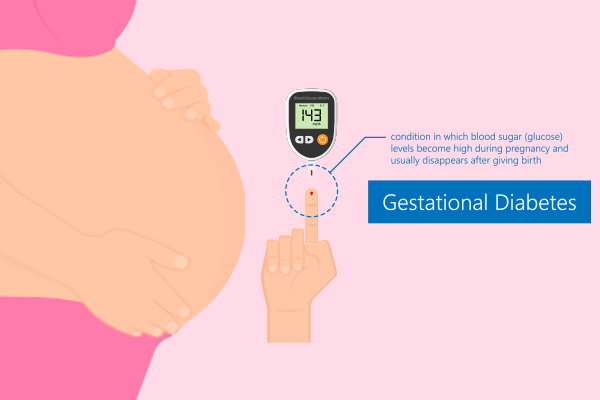
Gestational Diabetes: Gestational diabetes (GD) is a form of diabetes that develops during pregnancy and usually goes away after childbirth. It occurs when the body cannot produce enough insulin to meet the increased demands during pregnancy, causing blood sugar levels to rise.
Gestational diabetes is more common in women who are overweight, have a family history of diabetes, or are over the age of 25. However, it can affect any pregnant woman.
More Reads: Glycemic Index: How It Affects Blood Sugar & Diabetes Management
Risks of Untreated Diabetes During Pregnancy
If diabetes is not well managed during pregnancy, it can lead to a range of complications for both the mother and the baby, including:
For the Mother:
-
Increased risk of developing high blood pressure and pre-eclampsia.
-
Higher likelihood of needing a caesarean section.
-
Postpartum bleeding and infection.
-
Increased risk of developing type 2 diabetes after pregnancy.
For the Baby:
-
Macrosomia: The baby may grow too large, making delivery difficult and increasing the risk of birth injuries.
-
Premature birth: The baby may be born prematurely due to high blood sugar levels.
-
Hypoglycaemia: Babies born to mothers with diabetes may experience low blood sugar shortly after birth.
-
Respiratory issues: Babies born early may have trouble breathing.
-
Increased risk of obesity and type 2 diabetes later in life.
More Reads: A To Z Expert Tips By Doctors To Follow During Pregnancy
Managing Diabetes During Pregnancy
Effective management of diabetes during pregnancy involves a combination of careful monitoring, lifestyle adjustments, and medication. Here are key strategies for managing diabetes:
1. Monitor Blood Sugar Levels Regularly
Frequent blood sugar monitoring is crucial for managing diabetes during pregnancy effectively. This allows you to understand how different foods, activities, and medications affect your blood sugar levels.
-
Pre-pregnancy: If you have pre-existing diabetes, it’s important to get your blood sugar levels under control before pregnancy. This will reduce the risk of complications.
-
During pregnancy: Your healthcare provider will likely recommend monitoring your blood sugar levels several times a day. This includes testing before and after meals, as well as during the night if necessary.
2. Adopt a Healthy, Balanced Diet
A healthy diet plays a critical role in managing diabetes during pregnancy. It’s important to eat nutritious meals that help keep blood sugar levels stable. Here are some dietary guidelines:
-
Carbohydrate Control: Focus on complex carbohydrates that release glucose more slowly, such as whole grains, vegetables, and legumes.
-
Healthy Fats: Include sources of healthy fats like avocados, nuts, and seeds. These fats are beneficial for both you and your baby.
-
Protein: Protein-rich foods, such as lean meats, eggs, and plant-based sources like beans and lentils, help maintain blood sugar control.
-
Portion Control: Eating smaller, more frequent meals throughout the day helps to prevent large spikes in blood sugar levels.
It’s advisable to work with a dietitian who specializes in managing diabetes to develop a meal plan that suits your individual needs.
More Reads: Home Remedies to Stop Vomiting During Pregnancy
3. Exercise Regularly
Exercise is beneficial for both controlling blood sugar and improving overall health during pregnancy. However, you should consult with your healthcare provider before starting or continuing any exercise regimen during pregnancy.
-
Moderate exercise such as walking, swimming, or prenatal yoga can help control blood sugar levels and reduce the risk of complications.
-
Aim for 30 minutes of moderate-intensity exercise most days of the week, but always listen to your body. Avoid any high-impact or risky exercises, especially as your pregnancy progresses.
4. Medication and Insulin Therapy
For some women with pre-existing diabetes or gestational diabetes, lifestyle changes alone may not be enough to control blood sugar levels. In such cases, medication or insulin therapy may be necessary.
-
Insulin: If your blood sugar levels are not well-controlled with diet and exercise, insulin injections may be prescribed to help regulate blood sugar.
-
Oral Medications: For gestational diabetes, your healthcare provider may consider oral medications like metformin or other prescribed drugs. However, insulin is more commonly used during pregnancy due to its proven safety.
5. Keep Regular Check-ups with Your Healthcare Provider
Regular visits to your healthcare provider are essential to monitor your health and ensure the proper management of diabetes during pregnancy. These appointments typically include:
-
Blood Pressure Monitoring: High blood pressure is a common complication for women with diabetes during pregnancy. It’s important to monitor blood pressure regularly.
-
Ultrasound and Growth Monitoring: Regular ultrasounds can help track your baby’s growth and detect potential complications, such as macrosomia.
-
Urine Tests: Your healthcare provider may conduct urine tests to check for signs of protein, which could indicate pre-eclampsia.
6. Managing Stress
Stress can impact your blood sugar levels, so managing stress is an important part of managing diabetes during pregnancy. Practice relaxation techniques such as deep breathing, meditation, or prenatal yoga. Ensuring adequate sleep is also crucial for maintaining stable blood sugar levels.
Postpartum Care
After childbirth, women who had gestational diabetes should continue to monitor their blood sugar levels, as they are at higher risk for developing type 2 diabetes in the future. It’s also important to maintain a healthy lifestyle, including a balanced diet and regular physical activity, to reduce the risk of diabetes in the future.
Top Tips for Managing Diabetes During Pregnancy
|
Tip |
Explanation |
|
Eat Small, Balanced Meals |
Instead of large meals, eat smaller meals more frequently to help maintain steady blood sugar levels. |
|
Monitor Your Blood Sugar Regularly |
Regular monitoring is key to understanding how your body responds to food, exercise, and medications. |
|
Exercise Regularly |
Engage in moderate exercise like walking or swimming to help control blood sugar levels. Always consult your doctor before starting an exercise routine. |
|
Plan Your Diet Wisely |
Include a variety of healthy foods: lean proteins, whole grains, and vegetables. Limit processed foods and sugar intake. |
|
Take Your Medications as Prescribed |
If insulin or other medications are prescribed, make sure to follow your healthcare provider’s instructions precisely. |
|
Stay Hydrated |
Drink plenty of water to help your kidneys filter out excess sugar through urine. |
|
Attend All Prenatal Appointments |
Regular check-ups allow your doctor to monitor both your health and your baby's development, making adjustments to your care plan if necessary. |
|
Reduce Stress |
Practice relaxation techniques such as deep breathing or meditation to help control stress, which can affect blood sugar levels. |
|
Get Enough Sleep |
Aim for 7-9 hours of sleep each night to help regulate your blood sugar levels and promote overall well-being. |
Conclusion
Managing diabetes during pregnancy requires a proactive approach, involving regular blood sugar monitoring, dietary adjustments, physical activity, and appropriate medication. With the right care and attention, it is possible to have a healthy pregnancy and reduce the risk of complications for both mother and baby. Always work closely with your healthcare team, including an obstetrician, diabetes & endocrinologist, and dietitian, to create a personalised plan for managing your diabetes.
If you are experiencing any signs or symptoms of diabetes during pregnancy, don’t hesitate to consult your healthcare provider. For women with diabetes, getting the right medical support and making lifestyle adjustments can help ensure a safe and healthy pregnancy.
For personalised care and support during pregnancy, visit Manipal Hospitals. Their expert team provides comprehensive care for women with diabetes, ensuring both mother and baby receive the best possible treatment throughout the pregnancy journey.
Frequently Asked Questions
A pregnancy diabetes test, also known as the gestational diabetes test, is usually performed between 24 and 28 weeks of pregnancy. It measures how your body handles sugar and is used to diagnose gestational diabetes.
Yes, gestational diabetes usually resolves after delivery. However, women who experience it are at higher risk of developing type 2 diabetes later in life.
To reduce the risk of diabetes during pregnancy, maintain a healthy weight before pregnancy, eat a balanced diet, exercise regularly, and attend prenatal check-ups.
You can manage blood sugar levels by following a healthy diet, exercising regularly, and monitoring your blood sugar frequently. If lifestyle changes aren’t enough, your doctor may suggest oral medication.
Uncontrolled diabetes during pregnancy can lead to complications such as high birth weight (macrosomia), preterm birth, low blood sugar in the baby after birth, and increased risk of pre-eclampsia for the mother.
Share this Article


Similar Blogs

Hernia Surgery: Open vs Laparoscopic — Which Approach Suits You Best?
29 Jun 20267 Min Read
A hernia occurs when an organ or fatty tissue squeezes through a weak spot in a surrounding muscle or connective tissue. While some hernias might not cause immediate discomfort, they can lead to serious hernia surgery complications if left untreated, such as strangulation of the incarcerated tissue. Common types include inguinal hernia surgery (groin), umbilical hernia surgery (belly button), hiatal, and incisional hernia. The good news is that hernia surgery is a highly effective and safe hernia treatment for millions of patients worldwide, with success rates often exceeding 95% for long-term relief.
Read NowPancreatitis: Acute vs Chronic — Causes, Symptoms and Treatment
29 Jun 20268 Min Read
The pancreas, a vital organ nestled behind your stomach, plays a crucial dual role: producing digestive enzymes that help break down food and hormones like insulin that regulate blood sugar. When this delicate organ becomes inflamed, a condition known as pancreatitis occurs. This inflammation can manifest in two primary forms – acute pancreatitis and chronic pancreatitis – each with distinct characteristics, causes, and treatment approaches. Understanding the differences is key to effective management and maintaining your long-term health. At Manipal Hospitals, our gastroenterology experts are dedicated to providing comprehensive care for all types of pancreatic disease, employing cutting-edge diagnostics and personalised treatment plans to ensure the best possible outcomes for our patients.
Read NowHPV Vaccine for Cervical Cancer Prevention: Who Should Get It and When
12 Jun 202610 Min Read
Cervical cancer, a significant health concern for women globally, is largely preventable. At the forefront of this prevention strategy is the HPV vaccine, a medical marvel that has transformed our approach to this disease. Here at Manipal Hospitals, we are committed to empowering our community with knowledge and access to life-saving interventions. This comprehensive guide will shed light on the Human Papillomavirus (HPV), its link to cervical cancer, and why the HPV vaccine is a cornerstone of women's health.
Read NowOver 90% Preventable: How HPV Vaccine & Early Screening Can Eradicate Cervical Cancer
08 Jun 202610 Min Read
Cervical cancer, a disease that affects the cervix (the lower part of the uterus that connects to the vagina), stands as a significant health concern for women worldwide. However, the good news is that it is largely preventable and, when detected early, highly treatable. At Manipal Hospitals, we are committed to empowering women with the knowledge and resources to protect themselves against this disease. This comprehensive guide will walk you through the essential aspects of cervical cancer prevention, from understanding its causes of cervical cancer to embracing the power of the HPV vaccine and regular cervical cancer screening. The global fight against cervical cancer has seen remarkable progress, with preventative strategies demonstrating incredible success. For instance, countries with robust cervical cancer screening programs have seen a reduction in incidence and mortality rates by up to 80%. This highlights the immense power of proactive health measures in safeguarding women's well-being.
Read NowOvarian Cancer Treatment: Early Signs, Stages and Why It’s Called a Silent Killer
22 May 20267 Min Read
Something is unsettling about illnesses that don’t announce themselves loudly. Ovarian cancer symptoms are often quiet, subtle, and easy to misunderstand. Many women ignore ovarian cancer symptoms such as persistent bloating, pelvic discomfort, stomach pain, or changes in appetite, assuming they are minor digestive or hormonal issues. Because ovarian cancer symptoms can resemble common everyday problems, they are frequently overlooked until the disease reaches an advanced stage. Over the years, many patients have shared the same thought: “I felt something was off, but I ignored it.” That is exactly why awareness of ovarian cancer symptoms matters so much. At Manipal Hospitals Jaipur, the focus is not only on advanced care but also on helping women recognise early ovarian cancer symptoms, understand ovarian cancer stages, and feel informed about the latest ovarian cancer treatment options. Identifying ovarian cancer symptoms early and seeking timely medical attention can significantly improve recovery chances and treatment outcomes.
Read NowStomach Heat in Summer: Causes, Symptoms, Prevention & Ways to Keep Your Gut Cool
22 May 20265 Min Read
Summer is a season filled with holidays, outdoor activities, refreshing fruits, and longer days. However, along with the fun and excitement, summer also brings an increase in digestive discomfort for many people. Bloating, acidity, stomach irritation, indigestion, and dehydration become common complaints during hot weather. At Manipal Hospitals Jaipur, experts often notice a rise in seasonal digestive concerns as temperatures climb. The good news is that most of these issues can be prevented with simple lifestyle changes and the right food choices. If you have been wondering how to reduce stomach heat, how to keep your stomach cool, or how to make your digestive system strong during summer, this guide will help you understand practical and effective solutions.
Read NowDecreased Appetite: Benefits, Symptoms, Causes, Treatment and Natural Remedies Guide
06 May 20266 Min Read
There are days when food just doesn’t feel appealing. You may sit in front of your plate and realise you’re not hungry at all, or worse, you’ve been skipping meals without noticing. If you’ve ever said, “I lost my appetite,” you’re not alone. Decreased appetite, also known as poor appetite or no appetite, is a common concern that can affect people of all ages. While it might seem harmless at first, a persistent lack of appetite can impact your energy levels, immunity, and overall health. Let’s understand this condition in a simple, practical way so you know when to ignore it and when to take action.
Read NowBone Marrow Test: Purpose, Procedure, and Recovery Time
20 Apr 20267 Min Read
When a doctor suspects a problem related to blood, immunity, or certain cancers, a bone marrow test often becomes an essential step. Though the idea may sound intimidating, understanding the purpose, process, and recovery can make it much less overwhelming. At Manipal Hospital Jaipur, specialists frequently guide patients through this test with clarity and care, ensuring both safety and comfort.
Read NowFatty Liver Diet: The Best Diet for Fatty Liver to Support Liver Health Naturally
18 Mar 20268 Min Read
A well-planned fatty liver diet plays a crucial role in reversing early liver damage and improving overall metabolic health. Non-alcoholic fatty liver disease is becoming increasingly common due to sedentary lifestyles, obesity, and poor eating habits. Following a scientifically balanced fatty liver diet can help reduce liver fat, support liver repair, and prevent complications. Many patients who consult our gastroenterologists in Jaipur are often advised that diet is the first and most powerful step in managing fatty liver disease. A structured fatty liver treatment diet focuses on nutrient-dense meals, controlled calories, and foods that reduce inflammation. By prioritising the right foods for fatty liver, individuals can gradually restore liver function. Experts widely recommend adopting the best diet for fatty liver as part of a long-term lifestyle change rather than a temporary restriction plan.
Read NowFatty Liver Disease: Causes, Symptoms, and Prevention
18 Mar 20264 Min Read
The liver plays a crucial role in maintaining overall liver health, performing hundreds of vital functions such as detoxification, digestion, and metabolism. However, modern lifestyle habits have led to a growing concern about Fatty Liver Disease. This condition, affecting nearly 1 in 3 adults globally, often develops silently and can progress if ignored. At Manipal Hospitals Jaipur, specialists emphasise early detection and lifestyle management as the most effective approach to fatty liver treatment and long-term liver protection.
Read NowRecent Blogs
Hernia Surgery: Open vs Laparoscopic — Which Approach Suits You Best?
29 Jun 20267 Min Read
A hernia occurs when an organ or fatty tissue squeezes through a weak spot in a surrounding muscle or connective tissue. While some hernias might not cause immediate discomfort, they can lead to serious hernia surgery complications if left untreated, such as strangulation of the incarcerated tissue. Common types include inguinal hernia surgery (groin), umbilical hernia surgery (belly button), hiatal, and incisional hernia. The good news is that hernia surgery is a highly effective and safe hernia treatment for millions of patients worldwide, with success rates often exceeding 95% for long-term relief.
Read NowPancreatitis: Acute vs Chronic — Causes, Symptoms and Treatment
29 Jun 20268 Min Read
The pancreas, a vital organ nestled behind your stomach, plays a crucial dual role: producing digestive enzymes that help break down food and hormones like insulin that regulate blood sugar. When this delicate organ becomes inflamed, a condition known as pancreatitis occurs. This inflammation can manifest in two primary forms – acute pancreatitis and chronic pancreatitis – each with distinct characteristics, causes, and treatment approaches. Understanding the differences is key to effective management and maintaining your long-term health. At Manipal Hospitals, our gastroenterology experts are dedicated to providing comprehensive care for all types of pancreatic disease, employing cutting-edge diagnostics and personalised treatment plans to ensure the best possible outcomes for our patients.
Read NowICD vs CRT: Understanding Implantable Devices for Dangerous Heart Rhythms and Heart Failure
22 Jun 20268 Min Read
At Manipal Hospitals, we understand that a diagnosis involving a serious heart condition can be daunting. You may have heard terms like Implantable Cardioverter Defibrillator (ICD) or Cardiac Resynchronization Therapy (CRT) device, and perhaps you're wondering what they are and how they differ. These advanced implantable devices represent significant breakthroughs in modern cardiology, offering renewed hope and significantly improving the quality of life for patients with dangerous heart rhythms and heart failure. Through this blog, our commitment is to empower you with clear information, delivered with the empathy you deserve. We'll explore these life-saving technologies, helping you understand their roles in managing complex heart conditions and showcasing how Manipal Hospitals stands at the forefront of providing exceptional arrhythmia treatment and heart failure treatment.
Read NowUnderstanding Multiple Sclerosis: Symptoms, Diagnosis, and Advanced Care at Manipal
22 Jun 20268 Min Read
Multiple Sclerosis (MS) is a complex and often misunderstood condition that affects millions worldwide. At Manipal Hospitals, we believe in empowering our patients with knowledge and providing compassionate, state-of-the-art care. Understanding multiple sclerosis symptoms, its progression, and the latest treatment options is the first step towards managing this chronic neurological disease effectively. Our expert team is dedicated to guiding you through every stage, ensuring you receive personalised care designed to improve your quality of life.
Read NowLiving With Epilepsy: Medication, Triggers and When to Consider Surgery
19 Jun 20266 Min Read
Living with epilepsy can present unique challenges, but with the right knowledge, medical care, and supportive community, a fulfilling life is not just possible—it's the reality for a significant majority. This comprehensive guide will delve into understanding epilepsy symptoms, exploring effective epilepsy treatment options, including medication and surgical considerations, and empowering you to manage triggers for better epilepsy management.
Read Nowहिप रिप्लेसमेंट सर्जरी: संकेत कि आपको इसकी ज़रूरत है, प्रक्रिया और रिकवरी टाइमलाइन
19 Jun 20266 Min Read
कूल्हे का दर्द आपकी दैनिक गतिविधियों और जीवन की गुणवत्ता को गंभीर रूप से प्रभावित कर सकता है। जब नॉन-सर्जिकल उपचार विफल हो जाते हैं, तो हिप रिप्लेसमेंट सर्जरी (Total Hip Arthroplasty) एक प्रभावी समाधान हो सकती है। मणिपाल अस्पताल में, हम समझते हैं कि यह निर्णय आसान नहीं होता, और इसलिए हम आपको इस प्रक्रिया के बारे में विस्तृत जानकारी प्रदान करने के लिए यहाँ हैं। आइए समझते हैं कि आपको हिप रिप्लेसमेंट सर्जरी की आवश्यकता कब हो सकती है, इसमें क्या प्रक्रिया शामिल है और रिकवरी की टाइमलाइन क्या है।
Read NowHPV Vaccine for Cervical Cancer Prevention: Who Should Get It and When
12 Jun 202610 Min Read
Cervical cancer, a significant health concern for women globally, is largely preventable. At the forefront of this prevention strategy is the HPV vaccine, a medical marvel that has transformed our approach to this disease. Here at Manipal Hospitals, we are committed to empowering our community with knowledge and access to life-saving interventions. This comprehensive guide will shed light on the Human Papillomavirus (HPV), its link to cervical cancer, and why the HPV vaccine is a cornerstone of women's health.
Read NowWhat is TAVI/TAVR? A Patient's Guide to Transcatheter Aortic Valve Replacement
12 Jun 20266 Min Read
At Manipal Hospitals, we understand that facing a heart condition can be daunting. When it comes to aortic valve disease, the thought of traditional open-heart surgery can be particularly intimidating. Fortunately, advancements in medical science offer less invasive, highly effective alternatives. One such groundbreaking innovation is the TAVI procedure, also known as TAVR. This guide aims to demystify Transcatheter Aortic Valve Replacement (TAVR/TAVI), providing you with comprehensive, patient-centric information to help you understand this life-changing treatment option.
Read NowMeniscus Tear: Understanding Symptoms, Diagnosis, and the Repair vs. Removal Decision
08 Jun 202611 Min Read
A sudden twist, a missed step, or even the wear and tear of time can lead to a common knee injury that impacts millions worldwide: a meniscus tear. At Manipal Hospitals, we understand the debilitating pain and disruption a meniscus tear can bring to your daily life. Our dedicated orthopaedic specialists in Jaipur are here to guide you through understanding this condition, from the initial symptoms of a meniscus tear to advanced meniscus tear treatment options, ensuring you regain your mobility and quality of life.
Read NowOver 90% Preventable: How HPV Vaccine & Early Screening Can Eradicate Cervical Cancer
08 Jun 202610 Min Read
Cervical cancer, a disease that affects the cervix (the lower part of the uterus that connects to the vagina), stands as a significant health concern for women worldwide. However, the good news is that it is largely preventable and, when detected early, highly treatable. At Manipal Hospitals, we are committed to empowering women with the knowledge and resources to protect themselves against this disease. This comprehensive guide will walk you through the essential aspects of cervical cancer prevention, from understanding its causes of cervical cancer to embracing the power of the HPV vaccine and regular cervical cancer screening. The global fight against cervical cancer has seen remarkable progress, with preventative strategies demonstrating incredible success. For instance, countries with robust cervical cancer screening programs have seen a reduction in incidence and mortality rates by up to 80%. This highlights the immense power of proactive health measures in safeguarding women's well-being.
Read Now