


Hypertension Explained: Understanding High Blood Pressure, Its Risks, and How to Manage It Effectively
Reviewed by: Dr. Basavaraj Kuntoji
Posted on
10 Min Read

Not sure what you’re looking for?
Get in touch with our representatives for help!
Contact UsHypertension, commonly known as high blood pressure, is a pervasive health challenge affecting millions worldwide. Often called the ‘silent killer,' it can go unnoticed for years while quietly damaging your arteries and vital organs. This blog by an experienced Internal medicine doctor in Malleshwaram discusses more about hypertension, its early signs, risks, and effective management, which can help us safeguard heart health and lead a much healthier life in general.
What is Hypertension? Understanding High Blood Pressure
Blood pressure is the force of your blood pushing against the walls of your arteries as your heart pumps blood. When this pressure remains consistently too high, it is diagnosed as hypertension.
How Blood Pressure is Measured
Blood pressure readings consist of two numbers:
-
Systolic Pressure: The top number, measuring the pressure in your arteries when your heart beats.
-
Diastolic Pressure: The bottom number, measuring the pressure in your arteries when your heart rests between beats.
Normal Blood Pressure Readings
Understanding what constitutes a healthy blood pressure is vital for early detection and management. According to medical guidelines, blood pressure categories are:
-
Normal: Less than 120/80 mmHg
-
Elevated: Systolic between 120 and 129 mmHg and diastolic less than 80 mmHg
-
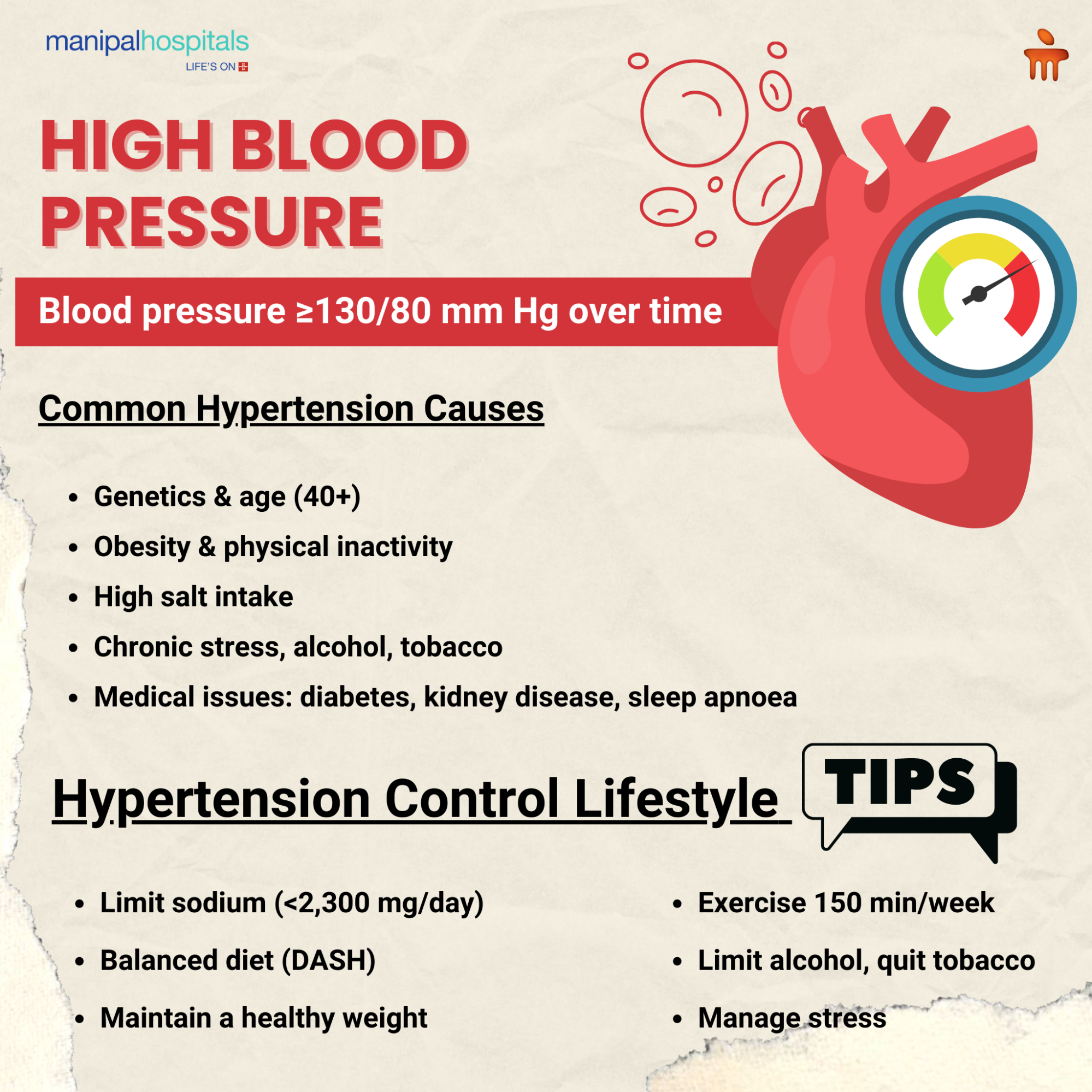
Hypertension Stage 1: Systolic between 130 and 139 mmHg or diastolic between 80 and 89 mmHg
-
Hypertension Stage 2: Systolic 140 mmHg or higher or diastolic 90 mmHg or higher
-
Hypertensive Crisis: Systolic over 180 mmHg and/or diastolic over 120 mmHg (requires immediate medical attention)
Globally, nearly 1.3 billion adults aged 30-79 years have hypertension, and alarmingly, an estimated 46% of adults with hypertension are unaware they have the condition. Regular check-ups are key!
Early Signs and Symptoms: The Silent Threat
Hypertension earned its reputation as the ‘silent killer’ because it often presents with no noticeable symptoms, even when blood pressure reaches dangerously high levels. Many people live with high blood pressure for years without realising it.
When Do Symptoms May Appear?
When symptoms occur, they are mostly non-specific and can be mistaken for other conditions. They usually only manifest when blood pressure has reached a severe or life-threatening stage, such as a hypertensive crisis. These can include:
-
Severe headaches
-
Shortness of breath
-
Nosebleeds
-
Dizziness or lightheadedness
-
Visual changes (blurred vision or vision loss)
-
Pounding in the chest, neck, or ears
-
Fatigue or confusion
-
Blood in the urine
If you experience any of these symptoms, especially if severe or sudden, seek immediate medical attention. Remember, waiting for symptoms can be dangerous; regular blood pressure screenings are your best defence.
Causes and Risk Factors for Hypertension
While often there is no single identifiable cause (known as primary or essential hypertension, which accounts for 90-95% of cases), it develops gradually over many years due to a combination of factors. In other instances, high blood pressure is a symptom of an underlying medical condition (secondary hypertension).
Causes of Hypertension
Lifestyle-related Causes
-
High salt intake: Consuming too much sodium causes your body to retain fluid, increasing blood volume and pressure.
-
Lack of physical activity: A sedentary lifestyle can lead to higher heart rates, forcing your heart to work harder and contributing to weight gain.
-
Obesity: Being overweight or obese increases the volume of blood your heart pumps, putting more pressure on artery walls.
-
Smoking: Nicotine temporarily raises blood pressure, and chemicals in tobacco can damage artery linings, narrowing blood vessels.
-
Alcohol consumption: Excessive alcohol intake can significantly raise blood pressure.
-
Stress and anxiety: High levels of stress can temporarily increase blood pressure, and chronic stress may contribute to long-term issues.
-
Low Potassium Diet: Insufficient potassium intake can lead to sodium retention, impacting blood pressure balance.
Medical Causes
These are underlying health conditions or medications that directly contribute to or cause high blood pressure (known as secondary hypertension).
-
Kidney disease: Impaired kidney function can lead to fluid retention and hormonal imbalances that raise blood pressure.
-
Diabetes: Both type 1 and type 2 diabetes can damage arteries and kidneys, contributing to hypertension.
-
Thyroid disorders: Both an overactive (hyperthyroidism) and an underactive (hypothyroidism) thyroid gland can affect blood pressure.
-
Hormonal imbalance: Conditions affecting hormones, such as those from adrenal gland tumours (e.g., Conn's syndrome, Cushing's syndrome), can cause hypertension.
-
Adrenal gland tumours: Specific tumours that cause overproduction of blood pressure-raising hormones.
-
Congenital defects of the heart: Certain heart defects present from birth can affect blood flow and pressure.
-
Obstructive sleep apnea: Repeated pauses in breathing during sleep can raise blood pressure.
-
Certain medications: Some drugs, like birth control pills, cold remedies, decongestants, NSAIDs, and some antidepressants, can elevate blood pressure.
-
Family history/genetics: A strong family history of hypertension indicates a genetic predisposition to developing the condition.
Age-related Risk
-
Higher risk after 40 years: The risk of high blood pressure generally increases with age, as arteries tend to stiffen over time.
-
Increasing prevalence among younger adults: While historically more common in older adults, factors like lifestyle and obesity are leading to a rise in hypertension cases among younger populations.
The Grave Risks of Uncontrolled Hypertension
Ignoring high blood pressure can lead to severe and life-threatening complications. The constant high force of blood flow damages the walls of your arteries and blood vessels throughout your body, leading to a cascade of health problems.
The long-term effects of uncontrolled hypertension include:
-
Heart Attack and Stroke: High blood pressure hardens and thickens arteries, leading to atherosclerosis, which can cause heart attacks and strokes. Over 50% of strokes and heart disease cases worldwide are linked to high blood pressure.
-
Heart Failure: The heart has to pump harder against high pressure, leading to thickening of the heart muscle and eventually heart failure.
-
Kidney Disease or Failure: Damaged blood vessels in the kidneys impair their ability to filter waste from your blood. Chronic hypertension is a leading cause of kidney failure.
-
Vision Loss: Damaged blood vessels in the eyes can lead to retinopathy and vision impairment.
-
Peripheral Artery Disease: Narrowed arteries in the legs, arms, stomach, and head.
-
Vascular Dementia: Impaired thinking, memory, and reasoning due to reduced blood flow to the brain.
Early diagnosis and consistent management can reduce these risks. With proactive treatment, individuals can reduce their risk of heart attack by up to 25% and stroke by up to 35% within just five years of achieving blood pressure control.
Diagnosis and Tests for Hypertension
Diagnosing hypertension is crucial for timely intervention. A doctor will typically perform a series of assessments and tests to confirm the condition and identify potential underlying causes or complications.
-
Blood pressure monitoring: Regular measurement of blood pressure, both in-office and potentially at home.
-
Physical examination: Includes checking heart rate, listening to the heart and lungs, and assessing for signs of organ damage.
-
Blood tests: To check kidney function, electrolytes, blood sugar, and cholesterol levels.
-
ECG/ECHO: Electrocardiogram (ECG) and Echocardiogram (ECHO) to assess heart function and structure.
-
Kidney function tests: To evaluate kidney health, as kidney disease can cause or be caused by hypertension.
-
Lifestyle assessment: Discussing diet, exercise habits, smoking, alcohol use, and stress levels to identify contributing factors.
Effective Treatment and Management Strategies
Managing hypertension involves a combination of lifestyle changes and, when necessary, medical interventions. The goal is to lower and maintain blood pressure at healthy levels to prevent complications.
Lifestyle Modifications: Your First Line of Defence
For many, particularly in the early stages, lifestyle adjustments can be incredibly effective. Studies show that lifestyle changes alone can reduce systolic blood pressure by 5-20 mmHg. These include:
-
Healthy Diet: Adopt a DASH (Dietary Approaches to Stop Hypertension) diet, rich in fruits, vegetables, whole grains, lean protein, and low-fat dairy, while limiting saturated and trans fats, cholesterol, and sodium.
-
Regular Physical Activity: Aim for at least 150 minutes of moderate-intensity aerobic exercise or 75 minutes of vigorous-intensity exercise per week.
-
Maintain a Healthy Weight: Losing even a small amount of weight can significantly lower blood pressure.
-
Limit Alcohol: Moderate alcohol consumption, if at all (up to one drink per day for women and two for men).
-
Quit Smoking: Tobacco damages blood vessel walls and accelerates the hardening of arteries. Quitting is one of the best things you can do for your heart.
-
Manage Stress: Practice stress-reducing techniques like meditation, yoga, deep breathing, or spending time in nature.
-
Sleep well: Prioritise 7-9 hours of quality sleep per night for optimal health.
-
Regular health check-ups: Monitor your blood pressure and overall health with your doctor, even if you feel fine.
Medical Interventions
When lifestyle changes aren't enough, your doctor may prescribe medications to help lower your blood pressure. These may include:
-
Diuretics
-
Beta-blockers
-
ACE inhibitors
-
Angiotensin II receptor blockers (ARBs)
-
Calcium channel blockers
-
Alpha-blockers
-
Vasodilators
The choice of medication depends on your individual health profile, other medical conditions, and how you respond to treatment. It's crucial to take medications as prescribed and never adjust your dosage without consulting your doctor. With adherence to a comprehensive treatment plan including medication and lifestyle changes, over 70% of patients can effectively manage their blood pressure, significantly reducing their risk of complications.
When to Consult a Doctor?
While regular check-ups are essential, certain signs and symptoms warrant immediate medical attention. Seeking timely support through specialised internal medicine care at Manipal Hospital Malleshwaram can help ensure early diagnosis and appropriate treatment if you experience any of the following:
-
Persistent high BP readings: Consistently elevated blood pressure measurements at home, even if you don't have symptoms.
-
Severe headache or chest pain: These can be signs of a hypertensive crisis or other serious cardiovascular events.
-
Breathlessness: Unexplained shortness of breath, especially during light activity or at rest.
-
Dizziness: Sudden or severe dizziness, lightheadedness, or feeling faint.
-
Sudden vision problems: Such as blurred vision, double vision, or temporary loss of vision.
Conclusion
Hypertension is a major global health concern, but it is highly manageable. With early diagnosis, consistent monitoring, and healthy lifestyle changes, individuals can reduce their risk of severe complications from high BP. Regular monitoring is a simple yet powerful tool for early detection. We strongly encourage seeking professional medical guidance from experienced internal medicine specialists near Malleshwaram and committing to preventive care.
Frequently Asked Questions
Blood pressure is considered high (Stage 1 Hypertension) when readings are consistently 130/80 mmHg or higher. Stage 2 hypertension is 140/90 mmHg or higher. A hypertensive crisis is 180/120 mmHg or higher, requiring immediate medical attention.
Often, no. Hypertension is frequently called the "silent killer" because it typically has no noticeable symptoms until it reaches dangerously high levels or causes complications. This is why regular screening is so important.
While there isn't a permanent "cure" for primary hypertension, it is highly manageable. With lifestyle changes and appropriate medication, blood pressure can be controlled effectively, preventing severe health complications. Secondary hypertension may be curable if the underlying cause can be treated.
If you have normal blood pressure, aim for it at least once every 1-2 years. If you have elevated blood pressure or hypertension, your doctor will advise on more frequent monitoring, often daily or weekly, especially during treatment adjustments.
The DASH (Dietary Approaches to Stop Hypertension) diet is highly recommended. It emphasises fruits, vegetables, whole grains, lean protein, and low-fat dairy, while significantly reducing sodium, saturated fats, and added sugars.
Share this Article


Recent Blogs

From First Signs to Recovery: A Complete Guide to Mouth Cancer
19 Jul 20268 Min Read
Changes inside your mouth can be easy to overlook at first. A minor ulcer that is not healing, some discoloration, or slight discomfort while eating that does not seem significant right away. However, these subtle changes may be a sign that something may need attention. Mouth cancer is not always immediately apparent. It often starts gently, with signs that seem harmless or temporary. This is why understanding the early changes matters so much. Recognising mouth cancer symptoms at the right time can make a significant difference in how smoothly treatment progresses and how well you recover. This blog walks you through what mouth cancer is, how it develops, the signs of mouth cancer you should watch for, what happens in the starting stage, and the treatment options available today. This way, you can feel informed, prepared, and supported every step of the way.
Read NowUnderstanding Pancreatic Cancer: Early Signs and Risk Factors
19 Jul 20268 Min Read
Most people are quick to address a sharp headache or a visible injury, but internal digestive changes often get pushed to the back of our minds. We tend to blame a heavy meal, a stressful week, or “just getting older” for vague stomach discomfort. Unlike some other conditions, pancreatic problems can be subtle and easy to ignore. Pancreatic cancer, in particular, tends to develop quietly. By the time the pancreatic cancer symptoms become noticeable, they may be confused with common digestive issues or even conditions like acute pancreatitis. Understanding pancreatic cancer and how it differs from acute pancreatitis symptoms is essential for timely intervention. This blog examines the risk factors, the nature of pancreatic discomfort, and the steps to take if you notice persistent changes.
Read NowBack Pain in Elderly People: Don’t Ignore the Warning Signs
30 Jun 20267 Min Read
As we grow older, occasional body pain may seem normal. But persistent back pain in senior citizens should never be ignored. Back pain in elderly people can significantly affect walking, sleep, independence, and overall quality of life. In many cases, it may indicate underlying spine problems that may need expert medical attention. Today, spine-related disorders are becoming increasingly common among the geriatric population due to aging, weak bones, arthritis, poor posture, and sedentary lifestyles. Fortunately, with modern spine care, advanced diagnosis, physiotherapy, minimally invasive procedures, and expert treatment, most elderly patients can return to a comfortable and active life. In fact, studies show that over 85% of elderly individuals experiencing back pain can achieve pain reduction and improved mobility with a personalized treatment plan.
Read NowHypertrophic Cardiomyopathy Explained: A Complete Patient Guide
22 Jun 20267 Min Read
We have all had those moments where we feel a bit "out of breath" after a few flights of stairs or notice a sudden, brief flutter in the chest while rushing through a busy morning. Usually, we dismiss these sensations as a sign of a poor night's sleep, too much caffeine, or perhaps just being “out of shape." We assume our bodies will simply reset once we catch our breath. However, for some, these small physical protests are not about fitness; they are the subtle signals of hypertrophic cardiomyopathy. Understanding what is hypertrophic cardiomyopathy is the first step toward moving from uncertainty to a clear, managed path for heart health. In this blog, we explain what this condition is, its causes, warning signs, diagnosis, and treatment options.
Read NowCervical Cancer Prevention: The Power of HPV Vaccination & Early Screening
12 Jun 202610 Min Read
Cervical cancer remains the second most common cancer among women in India, with over 1.2 lakh new cases and nearly 80,000 deaths annually. But, do you know that it is highly preventable? Thanks to increasing awareness and significant medical advancements, women today have many options for cervical cancer prevention. A key focus in this battle for women’s health is understanding the crucial connection between Human Papillomavirus (HPV) infection and cervical cancer. In this blog, let us explore the life-saving potential of both the HPV vaccine and early screening of cervical cancer.
Read NowSummer Food Guide: Top 10 Foods to Eat in Summer Season
01 Jun 20266 Min Read
Changes in appetite, thirst and energy levels are quite common during the summer months. Picking healthy foods in summer is therefore not only an effort to pick healthy snacks to enjoy, but it also entails selecting summer foods which will help us maintain proper fluid balance in our bodies. As summer comes with an increased risk of dehydration, heat stroke and food-borne infections, it becomes essential for us to pay attention to what we consume. In this blog, we tell you about the top 10 summer foods that will certainly help you stay hydrated and improve digestion, even amid the intense heat.
Read NowHypertension Explained: Understanding High Blood Pressure, Its Risks, and How to Manage It Effectively
20 May 202610 Min Read
Hypertension, commonly known as high blood pressure, is a pervasive health challenge affecting millions worldwide. Often called the ‘silent killer,' it can go unnoticed for years while quietly damaging your arteries and vital organs. This blog by an experienced Internal medicine doctor in Malleshwaram discusses more about hypertension, its early signs, risks, and effective management, which can help us safeguard heart health and lead a much healthier life in general.
Read NowComplications of Delaying Gallbladder Surgery: Why Timely Treatment Matters
15 May 20267 Min Read
It is a common scenario: you experience a sudden, sharp pain in your upper abdomen after a heavy meal. It’s uncomfortable, perhaps even distressing, but after an hour or two, the sensation fades. You might tell yourself it was just a bout of indigestion or something that didn't agree with you. However, when these episodes, often called “gallbladder attacks," become a recurring part of your life, they are usually a signal that your gallbladder is struggling to function. Ignoring these symptoms of gallbladder problems doesn't make the stones go away; it simply gives them more time to cause irreversible damage to your internal plumbing. This blog explores the biological risks of waiting, the warning signs your body is sending, and why choosing gallbladder removal surgery may be the best way to protect your long-term digestive health.
Read NowLaparoscopic Management of Right Inguinal Hernia with Caecum and Adhesions
13 May 20267 Min Read
An inguinal hernia is something doctors see regularly, but not every case is as straightforward as it sounds. In many people, the hernia sac contains fat or a simple loop of intestine, and the repair is relatively routine. However, there are situations where things are not that simple. When the contents include structures like the caecum (the first portion of the colon located in the lower right abdomen), along with dilated bowel loops and adhesions, the surgery becomes more complex and needs a more thoughtful approach. In these cases, the focus is not just on repairing the defect but on safely handling what is inside the hernia and protecting the surrounding structures. Choosing the right surgical method becomes important here. While open surgery is still a reliable option, laparoscopic repair can offer better visual clarity and more controlled dissection, especially when dealing with adhesions or unusual findings. In this blog, a top general surgeon in Malleshwaram, Bengaluru, helps you understand how inguinal hernias develop and the usual ways they are treated and walks you through a real case of a right inguinal hernia where the caecum was part of the hernia contents. This case shows how careful planning and the right surgical technique can make a significant difference in achieving a safe and successful outcome.
Read NowShort-Term Memory Loss in Young Adults: What’s Really Going On?
08 May 20268 Min Read
Noticing that you’re forgetting small things, like names, tasks, or where you kept your phone, can feel unsettling, especially when it starts happening more often than usual. It’s easy to brush it off as stress or a busy lifestyle, but when these moments begin to repeat, they can quietly chip away at your confidence and peace of mind. Short-term memory loss in young adults is more common than many realise, and in most cases, it is linked to manageable and reversible factors rather than something serious. Still, understanding what’s behind these lapses is essential, not just to ease your worry, but to take the right steps early on. This blog walks you through the real reasons for memory loss, how to recognise memory loss symptoms, when it may indicate a deeper memory loss disease, and the practical, science-backed ways you can improve your memory and regain control.
Read Now