


Bloating Symptoms and Remedies: How to Avoid and Reduce Bloating Naturally
Reviewed by: Manipal Hospitals
Posted on
5 Min Read

Not sure what you’re looking for?
Get in touch with our representatives for help!
Contact UsAlmost everyone deals with bloating at some point. It usually shows up as a tight, full, or swollen feeling in your belly, often right after you finish a meal. It might seem like just a small annoyance, but it can really affect your comfort, appetite, and daily routine. Bloating varies from person to person. You might notice it only once in a while, while others deal with it as a regular, frustrating part of their day. Because the intensity varies so much, it can be hard to identify what triggers it or how to find lasting relief.
This blog helps you recognise bloating symptoms and understand practical ways to deal with them. It brings together simple lifestyle adjustments that can help you learn how to avoid bloating and reduce it naturally over time, without relying on quick fixes.
What is Bloating?
Bloating is not a condition on its own but more of a signal from your body. It usually means that your digestive system is not working as smoothly as it should at that moment.
In most cases, bloating is linked to gas. This can happen when too much gas is produced during digestion or when it does not move easily through the gut. Even a small amount of gas can feel uncomfortable for some people, depending on how sensitive their digestive system is.
Bloating is usually a sign of how your gut manages digestion, its sensitivity, and your daily eating patterns. Since it’s so personal, there is no single quick fix. It’s about paying attention to your habits and learning exactly how your body reacts to the food you eat, meal timings, and routines.
Common Bloating Symptoms
The signs are usually easy to recognise, though not always easy to explain.
-
A feeling of fullness that comes on quickly
-
The abdomen appears slightly swollen
-
Frequent burping or passing gas
-
Mild cramps that come and go
-
Discomfort after what seemed like a normal meal
Not everyone experiences all of these. Some notice only one or two. Still, these bloating symptoms tend to follow a pattern, and that pattern often holds the clue to what is causing them.
Causes of Bloating
There is rarely just one reason. More often, it is a mix of factors working together.
-
Eating Habits - Rapid eating is a frequent yet neglected reason for flatulence. It causes an intake of air during food consumption.
-
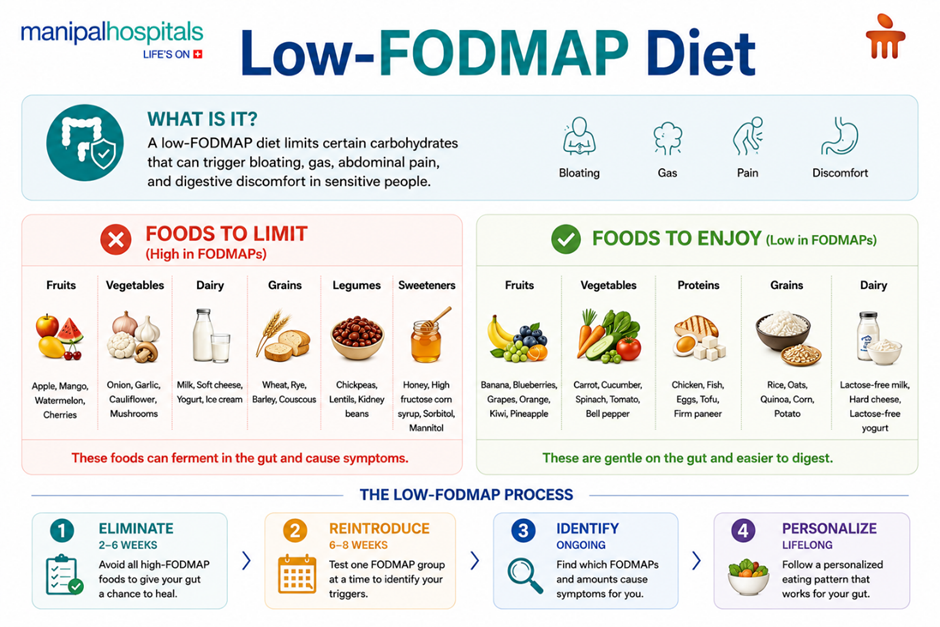
Food Selection – Some foods produce fermentation in the body. These include beans, onions, and carbonated drinks.
-
Gut Sensitivity – Some individuals simply feel digestive changes more intensely. Even normal digestion can feel uncomfortable.
-
Irregular Meals – Large amounts of food taken after a prolonged period without eating could affect the digestive process.
-
Underlying Disorders – Sometimes, bloating symptoms are linked to underlying conditions like irritable bowel syndrome.
Considering the arrhythmia-like patterns rather than the individual events will help find appropriate treatment for bloating.
Foods That Commonly Trigger Bloating
|
Food Type |
What Happens |
Better Choice |
|
Carbonated drinks |
Adds extra gas |
Plain water or herbal tea |
|
Fried foods |
Slows digestion |
Lightly cooked meals |
|
Beans and lentils |
Fermentation in the gut |
Smaller portions, soaked forms |
|
Dairy |
Lactose sensitivity |
Lactose-free alternatives |
|
Processed snacks |
High salt and fat |
Fresh, simple foods |
Adjustments here often make a noticeable difference without requiring strict dietary changes.
Bloating Remedies That Work
While there is no one-size-fits-all solution, some strategies are proven to work over and over again.
-
Eat Slowly - This strategy can have a big impact on your digestive system. It helps ensure that you don’t ingest large amounts of air.
-
Control Portion Sizes - Overeating is considered one of the most common causes of bloating symptoms.
-
Stay Hydrated - Water is crucial in ensuring effective digestion and avoiding sluggish intestines.
-
Gentle Exercise - There are times when a light exercise after meals helps move gases through the digestive system.
These are not dramatic changes, but they are effective when done consistently.
Lifestyle Changes to Reduce Bloating
Long-term relief from bloating usually comes from small, consistent changes in daily habits. These simple adjustments can make a noticeable difference over time.
-
Eat at regular times
-
Avoid lying down right after meals
-
Cut down on processed foods
-
Notice how your body reacts to different foods
Over time, these habits can make it easier to understand how to reduce bloating and manage it more effectively.
When to Seek Medical Advice?
Occasional bloating is common. Persistent discomfort is not something to ignore. If bloating symptoms occur frequently or are accompanied by weight loss, pain, or changes in bowel habits, it is best to seek medical advice. A proper evaluation helps rule out underlying issues and guides appropriate bloating remedies tailored to the individual. Consult our Gastroenterologist Doctor for expert assessment and personalised treatment options.
Conclusion
Bloating is something most people experience at some point, but it does not have to become a regular concern. Paying attention to the symptoms, recognising patterns, and making small adjustments can help improve overall comfort. Stay consistent; combine practical habits with reliable remedies, and simple home remedies can improve digestive comfort over time.
For personalised advice and treatment, visit Manipal Hospital Kanakapura Road, Bangalore, and consult specialists in digestive health.
Frequently Asked Questions
You may feel bloating, fullness, slight swelling, gas, or just general discomfort after a meal. It doesn’t feel the same every time. Some days it’s hardly noticeable, while on others it stands out more. This usually depends on what you’ve eaten, how your digestion is functioning that day, and how your gut reacts.
To understand how to avoid bloating, focus on eating slowly, avoiding overeating, limiting trigger foods, and maintaining regular meal patterns to support smoother digestion.
It is recommended to try taking a light walk, drink some warm liquids, and avoid large meals—such small actions will help relieve the strain on your system.
Share this Article


Recent Blogs

The Pinched Core: Understanding Spine Disc Injuries and Modern Care
17 Jun 20268 Min Read
Most people do not think much about their spine until everyday movements start hurting. One day you may be bending down to pick something up or getting out of bed as usual, and the next, you are dealing with back pain that shoots into your leg or makes walking uncomfortable. This is often how the journey with a spine disc injury begins. It does not always start with a major trauma but through gradual wear and tear within the spinal discs that makes simple daily tasks feel completely exhausting. The reassuring fact is that a slipped disc is not permanently debilitating. Instead, it occurs when one of the discs in your spine becomes damaged and begins pressing on nearby nerves. Although the symptoms can feel alarming, many people recover successfully with the right diagnosis, activity modifications, and treatment plan. Modern treatments have come a long way from the limited options used in the past. In this blog, we explain the risk factors, symptoms, diagnosis, treatment options, and what you can expect during the healing process.
Read NowClinical Insights on Monsoon Diseases: Practical Prevention and Seasonal Care
17 Jun 202610 Min Read
When the heavy rains arrive, they bring welcome relief from the scorching summer heat. Unfortunately, it also brings a noticeable rise in infections. From mosquito-borne illnesses and stomach infections to seasonal flu and skin problems, many health issues become more common once the rains begin. A few simple precautions can help protect your family during this time. Understanding rainy season diseases and prevention while recognising early warning signs as they appear can make the season much easier to navigate. This blog explains the most common health risks during the rainy months and health tips for monsoon season you can take to stay well.
Read NowWhat Causes Blocked Heart Arteries? Signs, Treatment & Prevention
17 Jun 20267 Min Read
Most people do not think about their heart arteries until a problem develops. These blood vessels play an important role in carrying oxygen-rich blood to the heart muscle, helping it pump blood throughout the body. Over time, however, fatty deposits, cholesterol, and other substances can gradually build up inside the arteries. This slow buildup can lead to blocked heart arteries, reducing the amount of blood that reaches the heart and increasing the risk of serious heart-related complications. Because this process progresses slowly, the body may show warning signs long before a serious event such as a heart attack occurs. However, while a heart artery blockage can be a serious diagnosis, advances in prevention, diagnosis, and treatment have significantly improved outcomes for many patients. This blog explores the causes, symptoms, diagnosis, and management of blocked coronary arteries to make you better equipped to deal with it in the case of emergencies.
Read NowBloating Symptoms and Remedies: How to Avoid and Reduce Bloating Naturally
05 Jun 20265 Min Read
Almost everyone deals with bloating at some point. It usually shows up as a tight, full, or swollen feeling in your belly, often right after you finish a meal. It might seem like just a small annoyance, but it can really affect your comfort, appetite, and daily routine. Bloating varies from person to person. You might notice it only once in a while, while others deal with it as a regular, frustrating part of their day. Because the intensity varies so much, it can be hard to identify what triggers it or how to find lasting relief. This blog helps you recognise bloating symptoms and understand practical ways to deal with them. It brings together simple lifestyle adjustments that can help you learn how to avoid bloating and reduce it naturally over time, without relying on quick fixes.
Read NowWhat Is Electrolyte Imbalance? Symptoms, Causes, and Treatment Explained
25 May 20267 Min Read
Most of us have experienced those moments when we feel inexplicably 'off,' perhaps a persistent muscle twitch in our eyelid that won't stop, a sudden, sharp cramp in our calf during a walk, or a sense of mental fogginess that a cup of coffee can’t seem to fix. We often tell ourselves we are just tired or need more water, but beneath the surface, your body may be struggling with a specific chemical disruption. A delicate internal grid of minerals effectively powers our hearts, brains, and muscles. When the levels of these minerals shift even slightly, they can have an immediate and widespread physical impact. This disruption is known as an electrolyte imbalance. Because these minerals govern the electrical signals in our cells, an imbalance doesn't just affect one area; it can change how your heart beats and how your nerves communicate. In this blog, you will learn what an electrolyte imbalance is, the early warning signs, and why you need to deal with it immediately.
Read NowWhat Is Myasthenia Gravis? Definition, Signs, and Medical Overview
25 May 20267 Min Read
It is a common experience to feel physical exhaustion after a long day of activity. Usually, rest allows the body to recover its strength. However, for some individuals, muscle weakness does not follow this predictable pattern. They may find that their muscles function correctly in the morning, but as the day progresses, simple tasks, such as keeping their eyes open, speaking clearly, or lifting a light object, become increasingly difficult. This specific type of fluctuating muscle weakness is a hallmark of a chronic condition known as myasthenia gravis. Because the symptoms can be subtle or intermittent at first, they are often misidentified as general fatigue or stress. Learning about myasthenia gravis, recognising early myasthenia gravis symptoms, and seeking help on time can make a real difference. With proper treatment, many people continue to live active, independent lives. This blog examines the underlying causes of myasthenia gravis, the specific symptoms that warrant medical attention, and the modern myasthenia gravis treatment protocols available to manage the condition effectively.
Read Nowಯೋನಿಯ ಈಸ್ಟ್ ಸೋಂಕು: ಸೋಂಕಿನ ಲಕ್ಷಣಗಳು, ಕಾರಣಗಳು ಮತ್ತು ಚಿಕಿತ್ಸೆ
25 May 20265 Min Read
ಮಹಿಳೆಯರ ಆರೋಗ್ಯವು ಸಮಾಜದ ಒಟ್ಟಾರೆ ಯೋಗಕ್ಷೇಮಕ್ಕೆ ಅತ್ಯಗತ್ಯ. ಆದರೆ, ಹಲವು ಬಾರಿ ಮಹಿಳೆಯರು ಕೆಲವು ನಿರ್ದಿಷ್ಟ ಆರೋಗ್ಯ ಸಮಸ್ಯೆಗಳಿಂದ ಬಳಲುತ್ತಾರೆ, ಅದರಲ್ಲಿ ಯೋನಿಯ ಸೋಂಕು (Vaginal Infection) ಪ್ರಮುಖವಾದುದು. ಈ ಸೋಂಕುಗಳಲ್ಲಿ ಅತ್ಯಂತ ಸಾಮಾನ್ಯವಾದದ್ದು ಯೋನಿಯ ಈಸ್ಟ್ ಸೋಂಕು ಅಥವಾ ಯೋನಿಯ ಶಿಲೀಂಧ್ರ ಸೋಂಕು. ಇದು ಅನೇಕ ಮಹಿಳೆಯರಿಗೆ ಅಹಿತಕರ ಅನುಭವವನ್ನು ನೀಡುವ ಸಾಮಾನ್ಯ ಸಮಸ್ಯೆಯಾಗಿದ್ದು, ಇದರ ಬಗ್ಗೆ ಸರಿಯಾದ ಮಾಹಿತಿ ಹೊಂದುವುದು ಬಹಳ ಮುಖ್ಯ. ಈ ಬ್ಲಾಗ್ ಪೋಸ್ಟ್‌ನಲ್ಲಿ, ನಾವು ಯೋನಿಯ ಈಸ್ಟ್ ಸೋಂಕಿನ ಲಕ್ಷಣಗಳು, ಕಾರಣಗಳು, ಅದನ್ನು ಹೇಗೆ ರೋಗನಿರ್ಣಯ ಮಾಡಲಾಗುತ್ತದೆ ಮತ್ತು ಪರಿಣಾಮಕಾರಿ ಯೋನಿಯ ಈಸ್ಟ್ ಸೋಂಕಿನ ಚಿಕಿತ್ಸೆ ಕುರಿತು ವಿವರವಾಗಿ ಚರ್ಚಿಸುತ್ತೇವೆ. ಮಣಿಪಾಲ್ ಹಾಸ್ಪಿಟಲ್ಸ್, ಕನಕಪುರ ರಸ್ತೆಯಲ್ಲಿ ಲಭ್ಯವಿರುವ ಕನಕಪುರ ರಸ್ತೆಯಲ್ಲಿ ಯೋನಿಯ ಈಸ್ಟ್ ಸೋಂಕಿನ ಚಿಕಿತ್ಸೆ ಕುರಿತು ಸಹ ನಾವು ಮಾಹಿತಿ ನೀಡುತ್ತೇವೆ. ಈ ಮಾಹಿತಿಯು ನಿಮ್ಮ ಆರೋಗ್ಯದ ಬಗ್ಗೆ ಉತ್ತಮ ನಿರ್ಧಾರಗಳನ್ನು ತೆಗೆದುಕೊಳ್ಳಲು ಸಹಾಯ ಮಾಡುತ್ತದೆ.
Read NowBone Marrow Transplant: A Lifesaving Treatment for Blood Disorders
22 May 20268 Min Read
Most people don’t think about how important their bone marrow is until something goes wrong. It quietly works in the background every day, producing the blood cells your body depends on for energy, immunity, and overall health. When this system is affected, even simple activities can start to feel difficult, and that is often when doctors begin discussing advanced treatment options. One such option is a bone marrow transplant, a treatment that can sound intimidating at first. Many patients imagine a complicated surgical procedure, but in reality, it is a carefully planned medical process designed to restore the body’s ability to produce healthy blood cells. In many cases, it is also referred to as a stem cell transplant, depending on the source of the cells being used. Understanding the meaning of a bone marrow transplant is the first step in reducing uncertainty. This treatment is not just about managing a condition temporarily. It focuses on resolving the underlying problem so the body can function more effectively over time. In this article, we will walk through when this treatment is recommended, what the bone marrow transplant procedure involves, the different approaches available, and what patients can realistically expect during bone marrow transplant recovery.
Read NowThe Role of a Radiation Oncologist: Fighting Cancer with Precision
22 May 20266 Min Read
Cancer treatment in most cases needs more than one approach, and radiation is one of the frequently used methods. A radiation oncologist is the doctor trained to treat cancer using carefully planned radiation. The primary aim is to target cancer cells while preserving surrounding healthy tissue. Treatment is not delivered in a routine manner. Each plan is designed after studying the tumour type, its location, and the patient’s overall health. The role of a radiation oncologist in cancer treatment includes controlling tumour growth, reducing symptoms like pain or pressure, and, in many cases, working towards a cure or long-term control of the disease.
Read NowBlood Cancer: Symptoms, Types, and Advanced Treatment Options Explained
22 May 20269 Min Read
Hearing a doctor mention the possibility of blood cancer is a moment that feels as though time has stopped. It is an experience filled with immediate questions, deep-seated fears, and a sudden need to understand complex medical terms that most people have never heard before. Blood cancer is not a single disease; it is a broad category that includes several different conditions, each with its own unique behaviour and response to therapy. The first step in navigating this journey is moving from fear to information. By understanding the different blood cancer types and learning how to recognise the early signs, you can work more effectively with your medical team. This blog explores the biological roots of these conditions, the variety of blood cancer symptoms you might notice, and the innovative blood cancer treatment options that are helping patients reclaim their health every day.
Read Now