


How to Prevent Fatty Liver Diseases: 8 Foods That Help Prevent Fatty Liver
Reviewed by: Manipal Hospitals
Posted on
6 Min Read

Not sure what you’re looking for?
Get in touch with our representatives for help!
Contact UsFatty liver disease occurs when fat accumulates in the liver cells, potentially leading to inflammation and liver damage. Before it's too late, you should include foods that help prevent fatty liver in your balanced diet,every year in India, over a million people are diagnosed with Fatty liver diseases, with around two lakh reaching the end stage. The World Health Organization ranks liver diseases as the tenth leading cause of death in India. Recent studies show that the number of people suffering from liver disease has doubled in the last ten years. This surge highlights the growing demand for liver transplants, exceeding 50,000 annually.
This brings attention to liver health and how to maintain it free from diseases. April 19th is marked as World Liver Day to raise awareness about this vital organ. This year's theme, "Be Vigilant, Get Regular Liver Check-Ups and Prevent Fatty Liver Diseases," underscores the significant role our liver plays in overall health. It prompts us to take proactive steps to safeguard it.
Understand Your Liver
The liver is the largest and one of the most important organs in our body. It acts as a filter, processing nutrients from food, removing toxins, and producing essential proteins for various bodily functions.
Some of the Common Liver Diseases
-
Fatty Liver Disease: Excess fat build-up in the liver, with alcoholic and non-alcoholic (NAFLD) variations.
-
Viral Hepatitis: Infections caused by viruses like hepatitis A, B, and C.
-
Cirrhosis: Scarring of the liver caused by various factors, including fatty liver disease.
-
Autoimmune Hepatitis: The immune system mistakenly attacks the liver.
-
Hemochromatosis: A genetic disorder causing excess iron build-up in the liver.
-
Wilson Disease: A genetic disorder causing excess copper build-up in the liver.
What is Fatty Liver Disease?
The accumulation of fat in the liver is known as fatty liver. This build-up of fat can lead to inflammation and liver damage over time. Fatty liver has two main types:
-
Non-alcoholic fatty liver: This type of fatty liver disease is associated with obesity, insulin resistance, type 2 diabetes, high cholesterol, and metabolic syndrome. It is considered one of the most common liver disorders worldwide.
-
Alcoholic fatty liver disease: As the name suggests, this type of fatty liver disease is caused by excessive alcohol consumption. Alcohol is metabolized in the liver, and heavy drinking can lead to the accumulation of fat in liver cells, eventually causing inflammation and liver damage.
Symptoms of Fatty Liver
Fatty liver disease often develops silently, with few or no symptoms in the early stages. It can lead to complications such as liver fibrosis, cirrhosis, and even liver failure. As the disease progresses, symptoms may include:
-
Fatigue: Feeling unusually tired or lacking energy, even after getting enough rest, is a common symptom of fatty liver disease. It can interfere with daily activities and may not improve with adequate sleep
-
Weakness: Generalized weakness or a sense of physical exhaustion may accompany fatty liver disease. This symptom can make it difficult to perform routine tasks or engage in physical activities
-
Abdominal Pain: Discomfort or pain in the upper right abdomen, where the liver is located, may occur with fatty liver disease. It can range from dull and mild to sharp and severe, often worsening after eating fatty or heavy meals
-
Swelling in abdomen: Also known as ascites, abdominal swelling can occur as fatty liver disease progresses. Fluid accumulation in the abdominal cavity causes the belly to appear swollen and can lead to discomfort or difficulty breathing
Consult a gastro hospital in Goa if you are experiencing the above symptoms of fatty liver disease.
Foods That Help Prevent Fatty Liver Disease
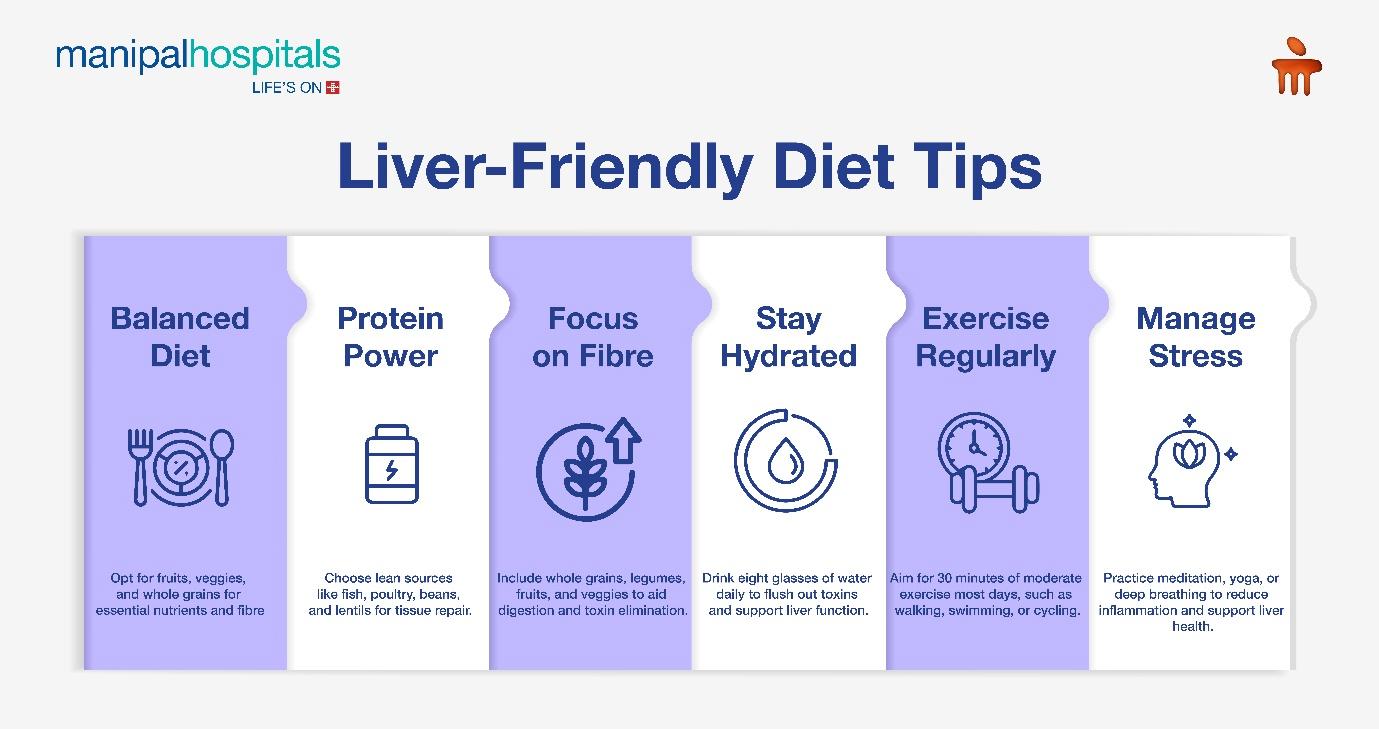
Fatty liver disease is becoming increasingly common due to poor diet and lifestyle choices. Preventing it involves adopting a healthy lifestyle and incorporating specific foods into your diet. Here's a guide to help you prevent fatty liver through dietary choices:
Choose Liver-Friendly Foods:
- Green Leafy Vegetables: Spinach, kale, and arugula are rich in antioxidants and fiber, which help reduce liver fat.
- Fatty Fish: Salmon, mackerel, and trout are high in omega-3 fatty acids, known to reduce inflammation and liver fat accumulation.
- Olive Oil: Use olive oil instead of butter or vegetable oils. It's rich in healthy fats that support liver health.
Opt for Whole Grains and High-Fiber Foods:
- Whole Grains: Brown rice, whole wheat bread, and oats provide fiber that helps control weight and reduce liver fat.
- Legumes: Beans, lentils, and chickpeas are excellent sources of plant-based protein and fiber beneficial for liver health.
Include Lean Proteins:
- Lean Meats: Chicken and turkey breast are low in saturated fats and provide essential amino acids for liver function.
- Plant-Based Proteins: Tofu, tempeh, and quinoa are good alternatives to meat for protein without excess fat.
Limit Sugary Foods and Beverages:
- Avoid Sugary Drinks: Sodas and energy drinks are high in fructose, which can contribute to liver fat buildup.
- Reduce Added Sugars: Cut down on sweets, pastries, and processed foods that contain high amounts of added sugars.
Stay Hydrated and Exercise Regularly:
- Drink Water: Stay hydrated with water to help flush out toxins and support overall liver function.
- Physical Activity: Engage in regular exercise, such as brisk walking or cycling, to maintain a healthy weight and reduce liver fat.
Consider Liver-Supporting Supplements:
- Milk Thistle: Known for its antioxidant properties, milk thistle may help protect liver cells from damage.
- Vitamin E: Studies suggest vitamin E supplements could benefit those with fatty liver disease, but consult a healthcare provider before starting any supplements.
Monitor Your Health:
- Regular Check-ups: Visit your healthcare provider regularly for liver function tests and screenings, especially if you have risk factors like obesity or diabetes
Check Also: How Do You Have A Healthy Liver?
Fatty Liver Avoidance
-
Stop Smoking: Smoking is a major contributor to liver damage. The toxins in cigarettes can cause inflammation and scarring of the liver. Quitting smoking is one of the most significant steps you can take to improve your liver health.
-
Limit Alcohol Consumption: Excessive alcohol consumption can lead to fatty liver disease, cirrhosis, and even liver cancer. Moderate alcohol consumption, defined as one drink per day for women and two drinks per day for men, is generally considered safe, but it's best to discuss this with your doctor
-
Limit Unhealthy Fats: While some fat is essential, excessive saturated and unhealthy fats can overburden the liver. Opt for healthy fats found in sources like avocados, nuts, seeds, and olive oil.
-
Avoid Self-Medication: Over-the-counter medications and herbal supplements can sometimes put additional strain on your liver. Always consult your doctor before taking any medication, even if it seems harmless.
-
Excess Body Weight: Excess weight can contribute to fatty liver disease. Talk to your doctor about healthy weight management strategies that work for you.
-
Practice Safe Habits: Sharing contaminated needles and engaging in unprotected sex can transmit viruses that can damage the liver. Always practice safe sex and avoid sharing needles.
Early Detection is Key
Don't just wait for the symptoms before seeking fatty liver disease treatments. Schedule regular check-ups with your doctor, especially if you have any risk factors for liver disease, such as:
-
Family history: Having a family history of liver disease increases your risk of developing fatty liver disease. Genetics can play a significant role in determining susceptibility
-
Obesity: Being overweight or obese is a major risk factor for fatty liver disease. Excess body weight, especially around the abdomen, can lead to fat accumulation in the liver
-
Diabetes: ndividuals with diabetes, especially type 2 diabetes, are more likely to develop fatty liver disease. Insulin resistance and high blood sugar levels contribute to fat buildup in the liver
Early detection is crucial for successful treatment and management of liver disease. While liver disease can often be silent, some potential warning signs include
-
Fatigue: Persistent tiredness or lack of energy, even with sufficient rest.
-
Nausea: Feeling queasy or experiencing an upset stomach without an apparent cause.
-
Loss of appetite: A decreased desire to eat, often accompanied by unintentional weight loss.
-
Abdominal pain: Discomfort or tenderness in the upper right side of the abdomen, where the liver is located.
-
Jaundice (yellowing of the skin and whites of the eyes): Yellowing of the skin and whites of the eyes due to elevated bilirubin levels in the blood.
-
Dark urine. If you experience any of these symptoms: Urine that appears darker than usual, often indicating liver function abnormalitie.
Consult your doctor immediately for fatty liver treatment. Manipal Hospitals, Goa, offers more information about liver conditions.
Frequently Asked Questions
Several conditions can affect the liver and build the liver condition, such as Hepatitis, Fatty liver disease, Autoimmune hepatitis, Genetic conditions, Cirrhosis, Liver cancer etc.
Early signs may be subtle, but the following symptoms may be experienced:
-
Fatigue and weakness
-
Loss of appetite or weight loss
-
Darkened urine
-
Abdominal pain (upper right side)
-
Nausea and vomiting
-
Diarrhea
-
Jaundice (yellowing of skin and whites of eyes)
-
Itchy skin
Here are some key strategies you can follow to maintain a healthy liver:
-
Focusing on a Healthy Diet
-
Maintain a Healthy Weight
-
Limiting Alcohol Consumption
-
Get Vaccinated for Hepatitis A and B
-
Practice Safe Sex
-
Avoid Sharing Needles
-
Manage Existing Conditions like diabetics and high cholesterol
-
Limit excessive use of medications
-
Schedule regular checkups
Fatty liver disease is often diagnosed through blood tests and imaging scans. Treatment focuses on addressing the underlying cause:
-
For NAFLD: Weight loss through diet and exercise remains the cornerstone of treatment. Medications may be used in certain cases.
-
For Alcoholic Fatty Liver Disease: Abstaining from alcohol is crucial for treatment to be effective.
Early-stage fatty liver disease can be reversed with lifestyle changes like weight loss and a healthy diet. Early detection is key to preventing progression to more serious complications.
Share this Article


Recent Blogs

Postpartum Haemorrhage: Causes, Symptoms & Emergency Signs
29 Jun 20267 Min Read
Delivering a baby is a major physical event that puts a lot of demand on a woman's body. While the focus is often on the arrival of the baby, the management of the third stage of labour—delivering the placenta and controlling blood loss—is just as crucial to a safe delivery. Understanding the risks during this window, including excessive bleeding or postpartum haemorrhage, is a vital part of maternal care.
Read NowDislocated Elbow: Signs, First Aid & Recovery Time
26 Jun 20267 Min Read
An elbow dislocation can be a frightening and painful experience, often occurring unexpectedly due to falls or sports injuries. While it's a serious injury, understanding the signs, knowing the correct first aid, and following a structured recovery plan can significantly improve outcomes.
Read NowUnderstanding Chronic Diarrhoea: More Than Just a Temporary Stomach Upset
26 Jun 20266 Min Read
Chronic diarrhoea, characterised by loose, watery stools occurring three or more times a day for a period exceeding four weeks, is a common and often debilitating condition affecting millions worldwide. While acute diarrhoea is usually short-lived and often caused by infections, chronic diarrhoea points towards a more persistent underlying issue that requires careful investigation.
Read NowSoothing the Itch: Expert Solutions for Itchy Inner Thighs
22 Jun 20267 Min Read
Experiencing persistent itching in your inner thighs can be incredibly uncomfortable, disruptive, and even embarrassing. While often a common annoyance, it can sometimes signal an underlying skin condition that requires attention. Understanding the common causes of itchy inner thighs will help explore effective remedies and adapt practical prevention tips to keep your skin healthy and comfortable.
Read NowCan an ECG Detect a Heart Attack? What the Test Really Shows
15 Jun 20268 Min Read
In moments of chest pain or suspected cardiac distress, an Electrocardiogram (ECG or EKG) is often the first diagnostic test performed. It's a quick, non-invasive procedure that provides a snapshot of your heart's electrical activity. But can an ECG detect a heart attack definitively? While an ECG is an indispensable tool in emergency cardiac care, its ability to pinpoint a heart attack is nuanced.
Read NowDemystifying AVM: Symptoms, Diagnosis, and What to Expect
12 Jun 20267 Min Read
An arteriovenous malformation (AVM) is an abnormal tangle of blood vessels where arteries connect directly to veins, bypassing the capillaries. Capillaries normally slow down blood flow, allowing oxygen and nutrients to be delivered to tissues. In an AVM, this crucial network is missing, leading to high-pressure blood flowing from arteries directly into weaker veins. This can cause the veins to enlarge and potentially rupture, leading to bleeding (haemorrhage) in the brain or other parts of the body.
Read NowKnee Pain When Bending: Causes, Symptoms, and Treatment Options
12 Jun 20266 Min Read
Knee pain is a common ailment, but when it specifically flares up while bending, it can be particularly debilitating, affecting daily activities from walking to climbing stairs. The knee is a complex joint, crucial for movement and supporting body weight. When you experience knee pain when bending, it signals an issue within its bones, ligaments, tendons, and cartilage. This discomfort can range from a dull ache to sharp, intense pain, often accompanied by other symptoms.
Read NowWhat are Bilateral Polycystic Ovaries?
05 Jun 202610 Min Read
The term bilateral polycystic ovaries often raises concerns and questions for many women. It refers to the presence of multiple small cysts on both ovaries, a characteristic feature often associated with Polyendocrine Metabolic Ovarian Syndrome (PMOS). While the name can sound alarming, understanding what bilateral polycystic ovaries are and its implications is the first step towards effective management. While it is a condition that requires attention and management, it is generally not life-threatening and many women lead full, healthy lives with proper care.
Read NowWhy Do I Feel Weak All the Time? Causes Explained
27 May 20267 Min Read
There are times when the “I am just tired” becomes “why do I feel weak all the time?” This persistent feeling of low energy, muscle fatigue, or an overall lack of strength can significantly affect daily life, making even routine tasks feel Herculean. While often used interchangeably, "weakness" and "fatigue" are distinct. Fatigue is a feeling of tiredness or lack of energy, whereas weakness (or asthenia) is a specific reduction in physical strength. When you experience true weakness, it means you can't exert the same force as before, or your muscles tire out much faster. This isn't just about feeling sleepy; it's about a noticeable decrease in your physical capacity. Studies find that a major portion of the adult population experiences unexplained persistent weakness at some point, highlighting the common nature of this weakness and the importance of seeking professional guidance. Persistent weakness should be evaluated by specialists in the Department of Internal Medicine to identify underlying health conditions and provide appropriate treatment.
Read NowInflammatory Breast Cancer: Early Signs You Shouldn’t Ignore
27 May 20266 Min Read
While many associate breast cancer with a palpable lump, some forms present differently. One such form is inflammatory breast cancer, a rare yet aggressive type that often doesn't start with a lump. Because its signs can be subtle and mimic common skin conditions, it's frequently misunderstood, leading to delayed diagnosis. Despite its rarity, the rapid progression of inflammatory breast cancer makes early detection vital. Understanding its unique presentation is your first line of defence. With timely intervention, significant strides have been made in improving outcomes. Specialists in the Department of Oncology play a crucial role in the early diagnosis, evaluation, and personalised treatment of inflammatory breast cancer.
Read Now