


What Is Gastric Sleeve Surgery? Understanding the Operation, Recovery, and Long-Term Results
Reviewed by: Manipal Hospitals
Posted on
7 Min Read

Not sure what you’re looking for?
Get in touch with our representatives for help!
Contact UsManaging severe, long-term obesity is often a complex and frustrating reality. For many individuals, traditional methods like calorie-restrictive diets, intensive exercise plans, and behavioural changes offer limited or temporary success. When weight-related health conditions, such as type 2 diabetes, severe sleep apnea, or cardiovascular disease, begin to compromise longevity and daily well-being, lifestyle adjustments alone may no longer be sufficient. In these circumstances, metabolic and bariatric interventions offer a highly effective, evidence-based path forward to reclaim metabolic health.
Among these surgical options, gastric sleeve surgery has become one of the most frequently performed and widely accepted choices worldwide. It provides a structured, physiological approach to weight reduction that addresses both the physical capacity of the stomach and the hormonal signals that govern hunger. Understanding the procedural mechanics, expected health benefits, potential medical challenges, and the realities of life after the procedure can help individuals approach this medical turning point with clarity and confidence.
This blog from a top gastroenterology hospital in Doddaballapur, Bengaluru walks you through the entire journey: from what a gastric sleeve operation is and how it works, to the benefits you can realistically expect.
When Weight Becomes a Health Crisis and Surgery Is Considered
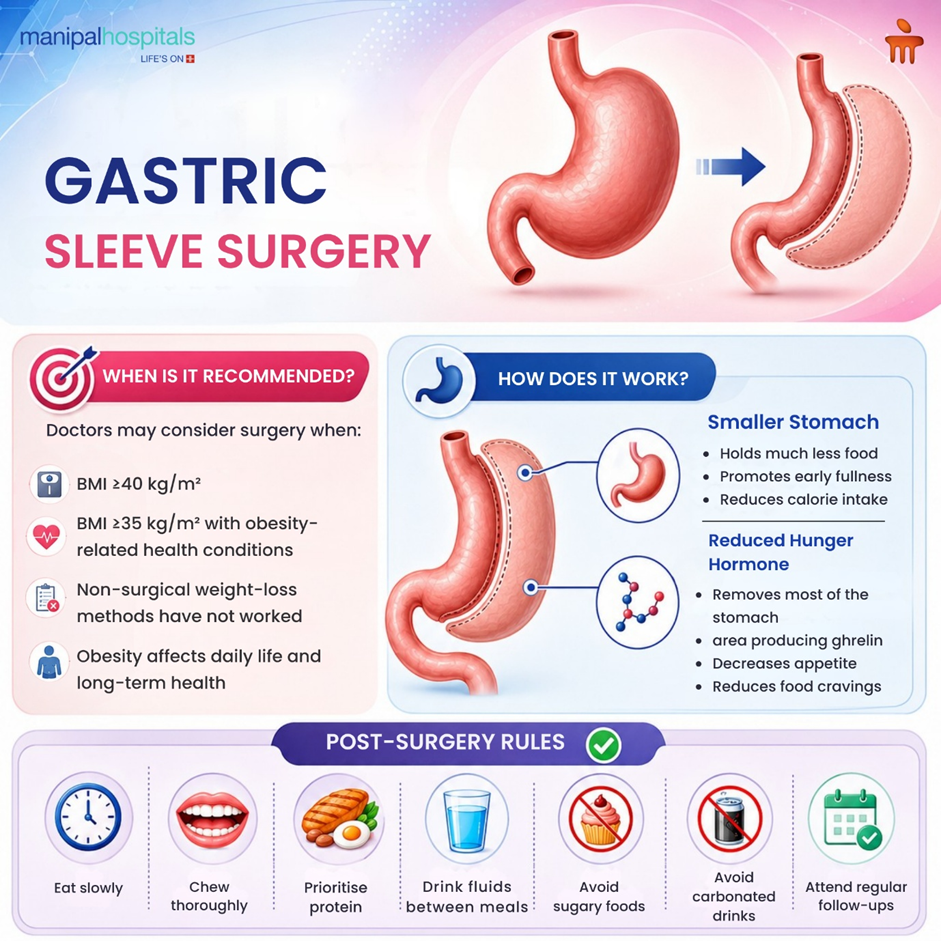
For many, obesity is a complex, chronic condition influenced by genetics, hormones, environment, and psychology. When body mass index (BMI) crosses a certain threshold, typically 35 or above with related health problems, or 40 without, the body’s biological mechanisms actively resist weight loss. Hunger hormones remain high, metabolism slows, and the internal “set point” for weight seems locked.
Bariatric surgery, including gastric sleeve surgery, alters this internal environment. It is not a cosmetic procedure but a metabolic intervention. Doctors recommend it when:
-
Non-surgical weight loss methods have not led to sustained results
-
Obesity-related conditions like type 2 diabetes, sleep apnoea, hypertension, or severe joint pain are present
-
The person is committed to lifelong dietary and lifestyle changes
Surgery is a powerful beginning, not a standalone fix. The real transformation happens in the months and years that follow.
What Is Gastric Sleeve Surgery?
To answer what is gastric sleeve surgery, imagine a stomach that normally holds about a litre of food. During this procedure, approximately 75 to 80 percent of the stomach is removed, leaving behind a narrow, banana-shaped “sleeve” that holds roughly 100 to 150 millilitres. This smaller stomach restricts how much food can be comfortably eaten. More importantly, the part of the stomach that produces ghrelin, the hunger hormone, is largely removed, leading to a significant and lasting reduction in appetite.
It changes not just volume but also the hormonal signals between the gut and the brain. Many patients notice that their cravings diminish and their sense of fullness arrives quickly and stays longer. This dual effect, restriction and hunger hormone reduction, makes it one of the most effective and commonly performed bariatric procedures worldwide.
What Is a Gastric Sleeve Operation? The Procedure Step by Step
A gastric sleeve operation is typically performed laparoscopically, meaning through several small incisions rather than a large open cut. This minimally invasive approach reduces pain, scarring, and recovery time.
Here is what happens during a gastric sleeve operation:
-
Anaesthesia and preparation: You are given general anaesthesia, so you are asleep and comfortable throughout.
-
Tiny incisions: The surgeon makes 4 to 6 small cuts in the abdomen, each about a centimetre long.
-
Inserting the laparoscope: A thin tube with a camera and light is inserted, giving the surgical team a magnified, high-definition view of your abdominal cavity on a screen.
-
Dividing the stomach: Using advanced stapling devices, the surgeon divides the stomach vertically, sealing the edges simultaneously. The larger, removed portion is taken out through one of the incisions.
-
Final checks: The new sleeve is tested for leaks, the instruments are removed, and the incisions are closed with dissolvable sutures.
The entire procedure usually takes 60 to 90 minutes. Most patients stay in the hospital for one to two nights for observation and pain management. Understanding what is a gastric sleeve operation helps many people approach their surgery date with a sense of calm rather than dread.
Benefits That Extend Beyond the Scale
Weight loss is the most visible outcome, but the benefits of gastric sleeve surgery run far deeper. The health improvements often begin within days or weeks, even before significant weight is lost, due to hormonal changes.
Expected benefits include:
-
Significant, sustained weight loss: Most patients lose 50 to 70 percent of their excess body weight within 12 to 18 months.
-
Resolution or improvement of type 2 diabetes: Many experience normal blood sugar levels soon after surgery, sometimes reducing or eliminating medication.
-
Better cardiovascular health: Blood pressure and cholesterol profiles often improve markedly.
-
Relief from sleep apnoea: As weight decreases, breathing during sleep often normalises.
-
Reduced joint pain: Less load on knees, hips, and the lower back leads to greater mobility and less discomfort.
-
Enhanced quality of life: Increased energy, greater ease in daily activities, and improved self-esteem are commonly reported.
These benefits depend on adhering to nutritional guidelines and regular follow-up. The sleeve is a tool, not a magic wand, but it is a remarkably effective one.
Gastric Sleeve Surgery Complications and Side Effects: An Honest Look
No major surgery is without risk. Discussing gastric sleeve surgery complications and side effects of gastric sleeve surgery openly is essential for making a fully informed decision. Fortunately, serious complications are uncommon, and choosing an experienced surgical team reduces risks substantially.
The table below distinguishes between manageable side effects and more serious complications that require prompt attention:
|
Category |
Examples |
What to Know |
|
Common short-term side effects |
Nausea, vomiting, pain at incision sites, fatigue |
Often managed with medication and resolve as the body heals. Small, frequent sips and walking help. |
|
Nutritional side effects |
Vitamin deficiencies (B12, iron, calcium, vitamin D), hair thinning |
The reduced stomach size limits food intake. Lifelong vitamin supplementation and regular blood tests prevent deficiencies. |
|
Dumping syndrome |
Nausea, cramping, diarrhoea, sweating after eating sugary or high-fat foods |
Food moves too quickly into the small intestine. Avoided by adhering to the prescribed diet. |
|
Gastric sleeve surgery complications |
Staple line leak, bleeding, infection, blood clots, stricture (narrowing of the sleeve) |
Rare but serious. Leaks require immediate treatment. Your team monitors you closely in the initial days. |
|
Long-term considerations |
Acid reflux, weight regain if lifestyle habits slip |
Reflux may require medication. Weight regain is not inevitable; consistent eating habits and activity prevent it. |
Side effects of gastric sleeve surgery are often temporary and manageable. The key is following your team’s guidance, attending all follow-ups, and reporting concerns early. A problem caught early is almost always easier to resolve.
Post Gastric Sleeve Surgery: Your Recovery and New Normal
The period post gastric sleeve surgery is a gradual, structured journey. Understanding the stages helps you prepare mentally and practically.
Recovery unfolds in distinct phases:
-
Hospital stay (1–2 days): Pain is controlled with medication. You will be encouraged to walk gently to prevent blood clots and aid circulation. You start with sips of clear liquids.
-
First two weeks at home: A liquid diet continues, focused on hydration and protein intake. Rest is important, but light walking increases daily. Driving is usually restricted.
-
Weeks 3–4: Transition to puréed and soft foods. Portions are tiny, often just a few tablespoons per meal. Eating slowly and chewing thoroughly become essential habits.
-
Months 1–3: Soft solid foods are introduced. Energy levels rise, and many return to work. Weight loss is rapid during this phase.
-
Beyond 3 months: A regular, high-protein, low-sugar diet with normal textures is established. Exercise becomes a regular part of life.
A successful life post gastric sleeve surgery depends on these daily commitments:
-
Eating protein first at every meal
-
Drinking fluids between meals, not with them
-
Taking prescribed vitamin and mineral supplements without fail
-
Avoiding carbonated drinks, straws, and sugary snacks
-
Walking and gradually building up physical activity
-
Attending all scheduled check-ups and support groups
The first year is a period of profound change. With the right habits, the sleeve continues to support a healthier weight for life.
Conclusion
Gastric sleeve surgery represents a turning point for many who have struggled with severe obesity and its related health problems. By understanding what gastric sleeve surgery is and how a gastric sleeve operation works, you can make informed decisions about your health. Being aware of the potential gastric sleeve surgery complications and expected side effects helps you prepare for the recovery journey, while adopting the necessary lifestyle changes after surgery lays the foundation for long-term success. If you are considering post gastric sleeve surgery care in Doddaballapur, consult the specialists at Manipal Hospital Doddaballapur, counted among the top gastroenterology hospitals in Doddaballapur, for comprehensive guidance, personalised support, and ongoing care throughout your weight-loss journey.
Frequently Asked Questions
Yes, but “normal” will have a new definition. Over time, you will be able to eat most foods, just in much smaller portions. You will need to prioritise protein, avoid sugar and high-fat items, and eat slowly. The sleeve helps you feel satisfied with less, and this becomes your new normal.
Most patients lose 50 to 70 percent of their excess body weight within the first 12 to 18 months. Individual results vary based on age, starting weight, and adherence to dietary and exercise recommendations. The surgery is a powerful tool, but your habits shape the final outcome.
No, the portion of the stomach that is removed is gone permanently. This is why the decision is taken seriously and why commitment to lifelong vitamin intake and follow-up is essential. It is a one-way metabolic change that requires readiness.
Yes, but it is strongly recommended to wait at least 12 to 18 months after surgery, during the period of most rapid weight loss, before trying to conceive. Pregnancy after this stabilisation period is generally safe. Close monitoring by an obstetrician and bariatric team is essential to ensure proper nutrition for both mother and baby.
Nutritional deficiencies can develop, leading to problems like anaemia, osteoporosis, nerve damage, and chronic fatigue. The reduced stomach size and altered digestion mean you absorb less from food alone. Lifelong daily supplementation is non-negotiable and is a key part of safeguarding your long-term health.
Share this Article


Recent Blogs

Cracking Sound in Joints: Causes, Warning Signs, and When to Seek Treatment
26 Jun 20267 Min Read
It happens when you stand up after sitting for a while, when you reach down to pick something up, or when you simply roll your shoulders after a long day at the desk. A sudden pop, snap, or crackle that makes you pause. For a moment, you wonder if something just went wrong inside your body. Joints make noise and almost everyone hears a cracking sound in joints at some point in life. For most people, the sound is harmless, but the mind often races to worst-case scenarios: arthritis, worn bones, or a torn ligament. The truth is more nuanced. While many joint sounds are just part of moving through the world, some deserve closer attention. This blog discusses clinical insights from experts from a top orthopaedic hospital in Doddaballapur, Bengaluru, that help you understand the common reasons for cracking sounds in joints, and most importantly, when it is time to seek help.
Read NowSevere Period Pain or Dysmenorrhea? Understanding Menstrual Cramps and When to Seek Help
26 Jun 20267 Min Read
For a significant number of women and individuals who menstruate, the monthly cycle brings more than just mild discomfort. While society frequently normalizes menstrual cramps as an annoying but expected part of life, there is a clear distinction between manageable lower abdominal aches and pain that completely disrupts your ability to function. When pelvic pain forces you to miss work, skip school, or remain bedridden for days at a time, it ceases to be a routine inconvenience. It becomes a clinical concern. Defined as painful menstrual cramps of sufficient severity to interfere with daily activities, dysmenorrhea is one of the most common gynaecological complaints worldwide, yet it remains widely normalised and undertreated. Through this blog experts from a top obstetrics and gynaecology hospital in Dodddaballapur help you understand what dysmenorrhea is, recognizing the dysmenorrhea symptoms that go beyond typical discomfort, and exploring the full spectrum of treatment can transform the way you experience your cycle.
Read NowUnderstanding How Circadian Rhythms Govern Sleep and Health
26 Jun 20267 Min Read
You go to bed exhausted, yet your mind stays wide awake. You drag yourself through the afternoon with a heaviness that coffee cannot lift. Perhaps your work schedule has shifted, or you spent one too many nights scrolling, and now your body feels like it belongs to a different time zone altogether. It is easy to blame stress, age, or a bad mattress, but often the real culprit is an invisible conductor inside you that has lost its rhythm. That conductor is your circadian rhythm, the internal 24-hour clock that orchestrates nearly every biological process, from when you feel alert to when your cells repair themselves. When it runs smoothly, you wake naturally, feel hungry at predictable times, and slip into deep sleep with ease. When it is thrown off, the effects ripple far beyond a few tired mornings. Understanding the mechanisms behind your circadian rhythms is the first step toward improving sleep quality, restoring energy levels, and supporting long-term neurological health. Specialists at the best neurology hospital in Doddaballapur often evaluate sleep-wake disturbances to identify underlying neurological or lifestyle-related factors that may be affecting overall well-being.
Read NowUnderstanding the Dialysis Process: A Patient’s Guide to Kidney Care and Management
26 Jun 20268 Min Read
When the kidneys begin to lose their ability to filter waste, excess fluid, and toxins from the blood, the effects can build up quietly at first and then become increasingly difficult to ignore. Fatigue, swelling, breathlessness, nausea, poor appetite, and changes in urine output may all signal that the kidneys are no longer doing enough of their job. In some situations, medicines and lifestyle changes help slow the problem. In more advanced kidney disease, however, dialysis becomes an important treatment option. Many people hear the word "dialysis" and immediately think of a major life disruption. While it does require planning and commitment, it is also a life-sustaining treatment that helps people feel better and stay medically stable when kidney function is severely reduced. Understanding the dialysis process can reduce fear and make it easier to prepare for treatment. This blog, by nephrology experts from a leading hospital for dialysis in Doddaballapur, breaks down how the procedure works, clarifies the differences between haemodialysis vs peritoneal dialysis, outlines potential dialysis side effects, and prepares you for what to expect during your care journey.
Read NowWhat Is Gastric Sleeve Surgery? Understanding the Operation, Recovery, and Long-Term Results
26 Jun 20267 Min Read
Managing severe, long-term obesity is often a complex and frustrating reality. For many individuals, traditional methods like calorie-restrictive diets, intensive exercise plans, and behavioural changes offer limited or temporary success. When weight-related health conditions, such as type 2 diabetes, severe sleep apnea, or cardiovascular disease, begin to compromise longevity and daily well-being, lifestyle adjustments alone may no longer be sufficient. In these circumstances, metabolic and bariatric interventions offer a highly effective, evidence-based path forward to reclaim metabolic health. Among these surgical options, gastric sleeve surgery has become one of the most frequently performed and widely accepted choices worldwide. It provides a structured, physiological approach to weight reduction that addresses both the physical capacity of the stomach and the hormonal signals that govern hunger. Understanding the procedural mechanics, expected health benefits, potential medical challenges, and the realities of life after the procedure can help individuals approach this medical turning point with clarity and confidence. This blog from a top gastroenterology hospital in Doddaballapur, Bengaluru walks you through the entire journey: from what a gastric sleeve operation is and how it works, to the benefits you can realistically expect.
Read NowHeat Exhaustion and Heat Stroke: Signs, Differences, and What to Do
29 May 20268 Min Read
Hot weather can affect your body a lot quicker than you can expect, and cases of heat-related illness go up during the summer months. Heat exhaustion and heat stroke are related, but they have plenty of differences. Heat exhaustion starts when your body loses too much water and salt through sweating. Heat stroke happens when your body stops controlling its temperature, and that can turn serious very fast. Many people mix up the two because the early signs can feel similar. That confusion often delays the right care. Both problems come from staying in the heat for too long and not drinking enough fluids. If you catch the early signs, the condition can be managed. If it progresses, it needs urgent medical care. This blog features expert insights from experienced physicians in Doddaballapur, Bangalore, to help you understand the difference between heat exhaustion and heat stroke, recognise early warning signs, and know when to seek medical attention.
Read NowTonsillectomy: When It’s Needed, How It’s Done, and What Recovery Feels Like
29 May 20267 Min Read
Most of us don't think about our tonsils until they start causing trouble. Located at the back of the throat, these two small pads of tissue are part of the body’s immune system. However, for some, they become more of a liability than a defence. You might find yourself in a cycle of recurring sore throats, high fevers, and that sharp, localised pain that makes every swallow a challenge. Over time, repeated tonsil infections can start to affect daily life, not just during episodes but in between as well. Doctors look at how often they occur and how severe they are. If the problem continues, tonsillectomy surgery may be considered. The surgery is also recommended if the tonsils become enlarged to a point where the patient has difficulty breathing because of snoring, obstructed airways, or difficulty swallowing. In this blog, we explain when tonsillectomy surgery may be recommended, the symptoms and complications associated with recurring tonsil problems, and what patients can expect before, during, and after the procedure, with expert insights from top ENT specialists in Doddaballapur, Bangalore, so you can make informed decisions about your care.
Read NowAlcoholic Liver Disease Explained: Diet, Care, and Daily Changes
29 May 20267 Min Read
Most people associate alcohol with short-term effects, but the long-term impact on the liver is often overlooked. The liver quietly handles toxins every day, including alcohol, until it simply cannot keep up. That is usually when problems begin to show. Alcoholic liver disease develops over time. It does not appear overnight, and that is what makes it tricky. Early stages may not cause much discomfort, so people continue their routine without realising damage is building. By the time liver cirrhosis symptoms start appearing, the condition may already have advanced. This is why awareness matters. Understanding how the disease progresses, recognising changes in the body, and adjusting early can change outcomes. In this blog, we bring you clinical insights from top gastroenterologists in Doddaballapur, Bangalore, liver cirrhosis stages, available liver cirrhosis treatment options, and how diet and lifestyle actually influence recovery in day-to-day life.
Read NowCan Adenomyosis Be Cured? Symptoms, Treatment & Diet Guide
28 May 20267 Min Read
Many women grow up thinking painful periods are "just part of life." They put up with the pain, change their routines, and keep going. But what if that pain is your body telling you to pay attention? If you've just heard about the condition of "adenomyosis," the first thing that comes to mind is, "Can it be cured?" The honest answer is that it depends. But the most important thing is that it can be handled. But there is no denying that many women are relieved to receive proper treatment. This blog features expert insights from experienced obstetrics and gynaecology experts in Doddaballapur, Bangalore, who understand the signs and symptoms and the corresponding treatment. It will help you understand the relationship between diet, behaviour, and proper medication, which can help you maintain good health by following the adenomyosis diet plan near Doddaballapur.
Read NowWeight Loss Diet Plan for Beginners: Foods, Easy Tips & Workout Guide
28 May 20268 Min Read
Have you ever tried to lose weight and found yourself overwhelmed by conflicting advice like “eat less", “cut carbs", or “avoid certain foods”? If so, you’re not alone. Many people start with motivation but lose track when the approach doesn’t fit their daily routine. Successful weight loss is not about extreme restrictions. It is about building a routine that fits your daily life and can be sustained over time. Healthy eating plans are different from fad diets because they help you maintain results over time. Crash diets might help you lose weight fast, but they usually leave you feeling tired and hungry, and the weight often comes back. If you're new to dieting, this blog offers you practical guidance and useful diet tips from top gastroenterology doctors in Doddaballapur, Bangalore. It will show you how to build a routine using foods you already eat, including weight loss foods that are easy to find in Doddaballapur.
Read Now