


Soft Tissue Sarcoma: Rare but Real -Symptoms, Diagnosis & Treatment Options
Reviewed by: Manipal Hospitals
Posted on
6 Min Read

Not sure what you’re looking for?
Get in touch with our representatives for help!
Contact UsSoft tissue sarcoma is a rare type of cancer that develops in the body's soft tissues, including muscles, fat, blood vessels, nerves, tendons and connective tissues. Although uncommon, soft tissue sarcoma can occur at any age and in almost any part of the body. Early diagnosis significantly improves treatment outcomes, which is why recognising soft tissue sarcoma symptoms should never be overlooked.
At our cancer centre, our oncologists in Delhi-NCR specialise in the diagnosis and management of complex cancers, including soft tissue sarcoma. Whether you notice a persistent lump, unexplained pain or swelling, seeking timely medical evaluation can make a crucial difference.
What is Soft Tissue Sarcoma?
Soft tissue sarcoma refers to a group of more than 50 different cancers that arise from soft tissues supporting and connecting various structures in the body. Unlike cancers that originate in organs, soft tissue sarcoma develops in tissues such as:
-
Muscles
-
Fat tissues
-
Blood vessels
-
Tendons
-
Ligaments
-
Nerves
-
Fibrous tissues
A soft tissue sarcoma may grow slowly or rapidly, depending on its type and grade. While rare, it requires prompt diagnosis and specialised treatment.
Soft Tissue Sarcoma Symptoms: Early Signs You Should Not Ignore
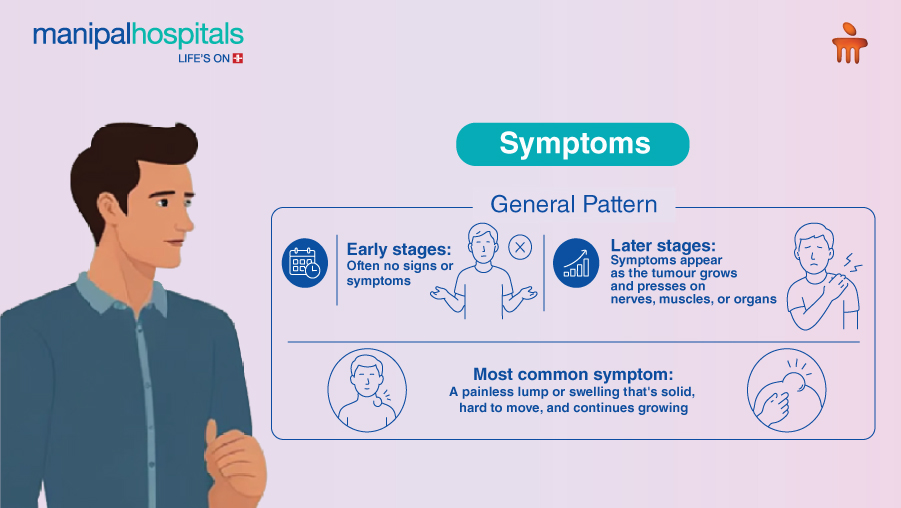
One of the biggest challenges with soft tissue sarcoma is that it may not cause symptoms in its early stages. As the tumour grows, symptoms become more noticeable.
Common soft tissue sarcoma symptoms include:
-
A painless lump or swelling under the skin
-
A lump that gradually increases in size
-
Persistent pain near the affected area
-
Reduced mobility or restricted movement
-
Numbness or tingling if nerves are compressed
-
Unexplained abdominal discomfort when located internally
-
Fatigue and unexplained weight loss in the advanced stages
Because many benign conditions can also present as lumps, it is important to have any growing mass assessed by our oncologists in Delhi-NCR.
Soft Tissue Sarcoma Leg: Why the Limbs Are Commonly Affected
A soft tissue sarcoma leg tumour is one of the most frequently diagnosed forms of this cancer. Nearly half of all soft tissue sarcomas develop in the arms or legs.
Symptoms of a soft tissue sarcoma in the leg may include:
-
A visible lump in the thigh or calf
-
Swelling around the affected area
-
Pain during walking or physical activity
-
Reduced range of movement
What Causes Soft Tissue Sarcoma?
In many cases, the exact cause of soft tissue sarcoma remains unknown. However, certain factors may increase the risk:
Genetic Conditions
Some inherited syndromes increase susceptibility to sarcoma.
Previous Radiation Therapy
Individuals who have received radiation treatment for other cancers may have a slightly higher risk.
Chemical Exposure
Exposure to certain industrial chemicals has been linked to specific sarcoma types.
Chronic Lymphoedema
Long-term swelling of tissues may increase the risk in some individuals.
Understanding these risk factors can support earlier detection and intervention.
How is Soft Tissue Sarcoma Diagnosed?
Accurate diagnosis is essential for determining the most effective treatment plan.
Physical Examination
Doctors assess the size, location and characteristics of the lump.
Imaging Tests
Investigations may include:
-
MRI scans
-
CT scans
-
PET scans
-
Ultrasound imaging
Biopsy
A biopsy remains the gold standard for confirming soft tissue sarcoma. A tissue sample is examined under a microscope to identify the cancer type and grade.
Staging Evaluation
Additional tests help determine whether the cancer has spread to nearby tissues or distant organs.
Comprehensive evaluation by our oncologists in Delhi-NCR ensures a personalised and evidence-based treatment strategy.
Soft Tissue Sarcoma Treatment: Available Options
The choice of soft tissue sarcoma treatment depends on the tumour's size, location, stage and overall patient health.
Surgery
Surgery is often the primary sarcoma treatment for localised disease. The goal is to remove the tumour completely while preserving surrounding healthy tissue whenever possible.
Radiation Therapy
Radiation may be used:
-
Before surgery to shrink the tumour
-
After surgery to reduce recurrence risk
-
As a primary treatment when surgery is not feasible
Chemotherapy
Certain types of soft tissue sarcoma respond well to chemotherapy. It may be recommended:
-
Before surgery
-
After surgery
-
For advanced or metastatic disease
Targeted Therapy
Modern targeted therapies focus on specific molecular pathways involved in tumour growth, offering more personalised treatment options.
Immunotherapy
Selected patients may benefit from immunotherapy, which helps the body's immune system recognise and attack cancer cells.
Advanced soft tissue sarcoma treatment often involves a multidisciplinary team approach led by our oncologists in Delhi-NCR.
Is Soft Tissue Sarcoma Curable?
A common question patients ask is: Is soft tissue sarcoma curable?
The answer depends on several factors:
-
Tumour size
-
Cancer grade
-
Stage at diagnosis
-
Location of the tumour
-
Response to treatment
When diagnosed early and treated appropriately, many cases of soft tissue sarcoma can be cured. Localised tumours that have not spread generally have significantly better outcomes.
Therefore, if you are wondering, "Is soft tissue sarcoma curable?", the most important factor is early diagnosis and prompt treatment.
When Should You See a Specialist?
You should seek medical attention if you experience:
-
A lump larger than 5 cm
-
A rapidly growing lump
-
Persistent swelling
-
Unexplained pain in muscles or soft tissues
-
Recurrent lumps after previous removal
In some situations where symptoms overlap with neurological concerns, consultation with our brain expert in Delhi-NCR may also be recommended as part of a multidisciplinary evaluation.
Can Soft Tissue Sarcoma Be Prevented?
There is no guaranteed way to prevent soft tissue sarcoma. However, certain measures may help reduce risk:
-
Avoid unnecessary exposure to harmful chemicals
-
Follow workplace safety guidelines
-
Attend regular health check-ups
-
Seek evaluation for unusual lumps early
-
Discuss genetic risks with your doctor if there is a family history
The Importance of Early Detection
Soft tissue sarcoma may be rare, but awareness saves lives. Recognising early soft tissue sarcoma symptoms, seeking timely medical assessment and accessing expert soft tissue sarcoma treatment can significantly improve outcomes.
Any persistent or growing lump should never be ignored. Early diagnosis often means more treatment options, better recovery prospects and improved long-term survival.
Frequently Asked Questions
The earliest soft tissue sarcoma symptoms usually include a painless lump or swelling that gradually increases in size. Some patients may also experience discomfort or pain as the tumour grows.
Yes. Many patients achieve successful outcomes when the disease is diagnosed and treated at an early stage. This is why prompt medical evaluation is critical.
A soft-tissue sarcoma of the leg is among the most common presentations, with many sarcomas occurring in the thighs and lower limbs.
The most effective sarcoma treatment depends on the tumour type and stage. Surgery remains the primary treatment for many localised cases, often combined with radiation or chemotherapy.
Soft tissue sarcoma treatment is tailored according to tumour size, location, stage, pathology findings and overall patient health, ensuring the best possible outcome for each individual.
Share this Article


Recent Blogs

Vaginal Atrophy After Menopause: Symptoms, Causes & Effective Treatment Options
29 Jun 20267 Min Read
Menopause brings several changes to a woman’s body, but one condition that often goes undiscussed is vaginal atrophy. Many women experience discomfort, dryness, irritation, or painful intimacy after menopause without realising that these symptoms may be linked to vaginal atrophy. Seeking timely medical advice from our gynaecologists in Delhi-NCR can help identify the condition early and improve the quality of life significantly. The good news is that vaginal atrophy treatment options are highly effective, and women no longer need to suffer in silence. Understanding the causes, recognising the warning signs, and knowing when to seek medical care can make a remarkable difference to long-term vaginal and urinary health.
Read NowCardiogenic Shock: Causes, Symptoms & Emergency Treatment
29 Jun 20266 Min Read
Heart emergencies can escalate within minutes, and among the most dangerous is cardiogenic shock, a life-threatening condition where the heart suddenly cannot pump enough blood to meet the body’s needs. Without immediate medical attention, cardiogenic shock can rapidly lead to organ failure and death. Understanding the causes of cardiogenic shock, recognising early warning signs, and seeking prompt treatment can significantly improve survival outcomes. This guide explains everything you need to know about cardiogenic shock symptoms, risk factors, diagnosis, and emergency management.
Read NowHIPEC Surgery for Stomach & Colon Cancer: Benefits, Risks & Recovery
29 Jun 20267 Min Read
Cancer that spreads within the abdominal cavity is often challenging to treat with conventional therapies alone. However, advancements in surgical oncology have transformed outcomes for many patients. One such breakthrough is HIPEC Surgery, an advanced procedure that combines extensive tumour removal with heated chemotherapy delivered directly into the abdomen. For selected patients with stomach and colon cancers, HIPEC Surgery offers renewed hope by targeting microscopic cancer cells more effectively than standard therapies. In this blog, we explain how the procedure works, who may benefit from it, possible risks, recovery expectations, and why early specialist evaluation matters.
Read NowBlood Cancer: Symptoms, Causes, and Understanding Mantle Cell Lymphoma
29 Jun 20267 Min Read
Blood cancer is a life-altering condition that affects the production and function of blood cells. While many people associate cancer with solid tumours, blood cancers develop within the bone marrow, blood, or lymphatic system and often spread silently before noticeable symptoms appear. Recognising blood cancer symptoms early can significantly improve treatment outcomes and quality of life. From unexplained fatigue to swollen lymph nodes and frequent infections, blood cancer symptoms are often subtle in the beginning. Unfortunately, many individuals ignore these warning signs until the disease progresses. Understanding the causes, risk factors, and available blood cancer treatment options is therefore crucial for timely intervention. One rare yet aggressive form of blood cancer is mantle cell lymphoma, a subtype of non-Hodgkin lymphoma that requires specialised diagnosis and treatment. In this guide, we explore the most important blood cancer symptoms, different types of blood cancer, the science behind Mantle cell lymphoma translocation, and the latest advances in treatment and prognosis.
Read NowSoft Tissue Sarcoma: Rare but Real -Symptoms, Diagnosis & Treatment Options
29 Jun 20266 Min Read
Soft tissue sarcoma is a rare type of cancer that develops in the body's soft tissues, including muscles, fat, blood vessels, nerves, tendons and connective tissues. Although uncommon, soft tissue sarcoma can occur at any age and in almost any part of the body. Early diagnosis significantly improves treatment outcomes, which is why recognising soft tissue sarcoma symptoms should never be overlooked. At our cancer centre, our oncologists in Delhi-NCR specialise in the diagnosis and management of complex cancers, including soft tissue sarcoma. Whether you notice a persistent lump, unexplained pain or swelling, seeking timely medical evaluation can make a crucial difference.
Read NowStages of Cancer: Diagnosis & Treatment Guide
26 Jun 20266 Min Read
Cancer—a word we all fear, but knowledge is its powerful rival. Whether you’re anxiously googling the early signs for peace of mind or supporting a loved one through their cancer journey, understanding the stages of cancer can be the difference between feeling helpless and feeling empowered. Today, we break down everything you need to know about cancer stages and give you plain, honest answers. And, if you’re looking for expert care at every step, head over to our skilled oncologists in Delhi—ones who treat bodies with compassion.
Read NowBronchiectasis: The Damaged Airways Condition That Is Often Mistaken for Asthma
22 Jun 20265 Min Read
Many people who experience persistent coughing, wheezing and repeated chest infections assume they have asthma. However, in some cases, the real culprit is bronchiectasis—a chronic lung condition that causes permanent widening and damage of the airways. Understanding bronchiectasis causes of bronchiectasis is essential because delayed diagnosis can lead to worsening lung damage, frequent infections and reduced quality of life. Unlike asthma, bronchiectasis requires a different treatment approach and long-term management strategy. If you have ongoing respiratory symptoms that do not improve with standard asthma medications, consulting our pulmonologists in Delhi-NCR can help identify the underlying condition early and prevent complications.
Read NowEndoscopy Explained: What to Expect Before, During & After the Procedure
19 Jun 20266 Min Read
Digestive symptoms such as persistent acidity, bloating, abdominal pain, difficulty swallowing, chronic constipation, unexplained weight loss, or blood in stools should never be ignored. In many cases, doctors recommend an endoscopy procedure to identify the exact cause quickly and accurately. Despite being one of the most commonly performed diagnostic procedures worldwide, many people still feel anxious before undergoing an endoscopy. Questions such as Is endoscopy painful?, Is endoscopy dangerous? How long is the endoscopy procedure time? are extremely common. This guide explains everything you need to know about the endoscopy procedure, including preparation, what happens during the test, recovery, risks, benefits, and frequently asked questions.
Read NowHeat Stroke: Symptoms, Causes, Prevention, and Emergency First Aid
17 Jun 20268 Min Read
Summer temperatures are becoming increasingly intense, making heat-related illnesses a serious health concern. Recognising heat stroke symptoms early can be life-saving, as heat stroke is a medical emergency that requires immediate attention. If left untreated, it can lead to organ failure, brain damage, and even death. At the first sign of severe overheating, seeking guidance from our experts in Delhi-NCR can help ensure timely diagnosis and appropriate medical care. Understanding the warning signs, risk factors, and preventive measures is essential for protecting yourself and your loved ones during hot weather.
Read NowIllness Anxiety Disorder: When Worry and Health Concerns Become a Chronic Situation
17 Jun 20267 Min Read
Have you ever noticed a minor headache, muscle twitch, or stomach discomfort and immediately feared it could be a sign of a serious illness? While occasional health concerns are normal, persistent and excessive worry about having a severe medical condition may indicate illness anxiety disorder. At times, this condition can significantly affect daily life, relationships, emotional wellbeing, and overall quality of life. If you find yourself constantly seeking reassurance about your health, our neurologists in Delhi-NCR can help determine whether your symptoms are related to a neurological condition or a health anxiety disorder.
Read Now