


Heat Stroke: Symptoms, Causes, Prevention, and Emergency First Aid
Reviewed by: Manipal Hospitals
Posted on
8 Min Read

Not sure what you’re looking for?
Get in touch with our representatives for help!
Contact UsSummer temperatures are becoming increasingly intense, making heat-related illnesses a serious health concern. Recognising heat stroke symptoms early can be life-saving, as heat stroke is a medical emergency that requires immediate attention. If left untreated, it can lead to organ failure, brain damage, and even death.
At the first sign of severe overheating, seeking guidance from our experts in Delhi-NCR can help ensure timely diagnosis and appropriate medical care. Understanding the warning signs, risk factors, and preventive measures is essential for protecting yourself and your loved ones during hot weather.
What Is Heat Stroke?
Heat stroke is the most severe form of heat-related illness. It occurs when the body's temperature regulation system fails, causing the core body temperature to rise rapidly, often above 40°C.
Unlike mild heat-related conditions, heat stroke can affect the brain, heart, kidneys, and muscles within a short period. Identifying heat stroke symptoms quickly is crucial because delayed treatment significantly increases the risk of complications.
Heat Stroke Symptoms: Warning Signs You Should Never Ignore
Recognising heat stroke symptoms early can save lives. Common signs include:
-
Body temperature above 40°C
-
Hot, red, and dry skin
-
Excessive sweating (in some cases)
-
Dizziness or light-headedness
-
Rapid heartbeat
-
Rapid breathing
-
Nausea and vomiting
-
Confusion or disorientation
-
Slurred speech
-
Loss of consciousness
-
Seizures
If you notice these heat stroke symptoms, seek emergency medical care immediately.
Heat Exhaustion vs Heat Stroke: Understanding the Difference
Many people confuse heat exhaustion with heat stroke, but the two conditions differ significantly in severity.
|
Heat Exhaustion |
Heat Stroke |
|
Heavy sweating |
Skin may be dry or excessively hot |
|
Weakness and fatigue |
Altered mental state |
|
Muscle cramps |
Seizures may occur |
|
Body temperature usually below 40°C |
Body temperature above 40°C |
|
Responds to cooling and hydration |
Medical emergency requiring urgent treatment |
Understanding heat exhaustion vs heat stroke helps ensure the right action is taken before the condition becomes life-threatening.
What Causes Heat Stroke?
Several factors can contribute to heat stroke, including:
Prolonged Exposure to High Temperatures
Spending long periods outdoors during extreme heat can overwhelm the body's cooling mechanisms.
Strenuous Physical Activity
Intense exercise in hot weather increases internal body heat production.
Dehydration
Insufficient fluid intake reduces the body's ability to cool itself through sweating.
Wearing Excessive Clothing
Heavy or non-breathable clothing can trap heat and prevent effective cooling.
Certain Medical Conditions and Medications
Heart disease, obesity, diabetes, and some medications can increase susceptibility to heat-related illnesses.
Who Is at Higher Risk of Developing Heat Stroke?
The following groups are particularly vulnerable:
-
Older adults
-
Infants and young children
-
Outdoor workers
-
Athletes
-
Individuals with chronic illnesses
-
Pregnant women
-
People taking certain medications
For high-risk individuals, consulting our experts in Delhi-NCR before the peak summer months can help minimise health risks.
Emergency First Aid for Heat Stroke
Knowing what to do during a heat emergency can be life-saving.
Step 1: Call Emergency Medical Services
Heat stroke requires immediate medical intervention. Call emergency services without delay.
Step 2: Move the Person to a Cooler Area
Take the affected person indoors or into a shaded environment.
Step 3: Reduce Body Temperature
-
Use any available cooling methods:
-
Remove excess clothing
-
Apply cool water to the skin
-
Use cold compresses on the neck, armpits, and groin
-
Fan the person continuously
Step 4: Monitor Consciousness
Observe breathing, responsiveness, and any signs of deterioration while waiting for medical assistance.
Step 5: Avoid Giving Fluids to an Unconscious Person
If the person is unconscious or confused, do not attempt to provide oral fluids.
Prompt action during the onset of heat stroke symptoms can significantly improve outcomes.
Heat Stroke Treatment: How Doctors Manage Severe Cases
Effective heat stroke treatment focuses on rapidly lowering body temperature and preventing organ damage.
Hospital-based heat stroke treatment may include:
-
Intravenous fluid therapy
-
Ice bath cooling techniques
-
Cooling blankets
-
Electrolyte correction
-
Oxygen support
-
Continuous monitoring of vital organs
Early heat stroke treatment is associated with faster recovery and reduced complications. If severe symptoms occur, our healthcare specialist in Delhi-NCR can guide patients towards urgent medical care.
How to Prevent Heat Stroke During Hot Weather
Understanding how to prevent heat stroke is essential, especially during heatwaves.
Stay Hydrated
Drink water regularly throughout the day, even when not thirsty.
Avoid Peak Heat Hours
Limit outdoor activities between 11 a.m. and 4 p.m. when temperatures are highest.
Wear Light Clothing
Choose loose-fitting, breathable, and light-coloured clothing.
Use Sun Protection
Wear hats, sunglasses, and sunscreen when outdoors.
Take Frequent Breaks
Rest in cool or shaded environments during physical activity.
Keep Indoor Spaces Cool
Use fans, air conditioning, or proper ventilation whenever possible.
Learning how to prevent heat stroke can dramatically reduce the risk of severe heat-related illness.
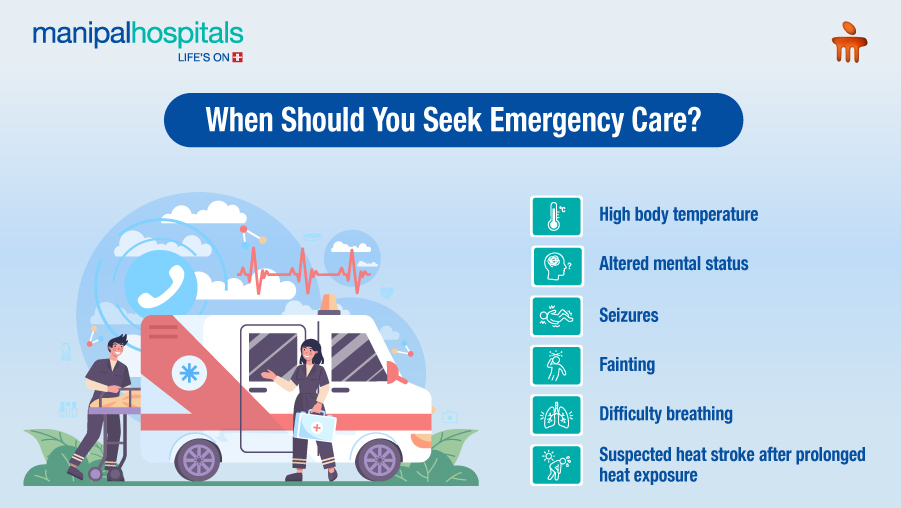
When Should You See a Doctor?
Seek medical attention immediately if you experience:
-
Persistent high body temperature
-
Confusion or altered mental status
-
Fainting
-
Seizures
-
Difficulty breathing
-
Severe dehydration
Prompt evaluation by our experts in Delhi-NCR can help prevent complications associated with severe heat illness.
Long-Term Complications of Untreated Heat Stroke
Without timely intervention, heat stroke may result in:
-
Kidney damage
-
Liver injury
-
Heart complications
-
Neurological problems
-
Muscle breakdown
-
Multi-organ failure
This is why recognising heat stroke symptoms and seeking immediate care is critical.
Conclusion
Heat stroke is a potentially life-threatening emergency that requires immediate recognition and action. Understanding heat stroke symptoms, knowing the difference between heat exhaustion vs heat stroke, seeking prompt heat stroke treatment, and learning how to prevent heat stroke can protect your health during periods of extreme heat.
If you or a loved one develops severe heat stroke symptoms, do not delay medical attention. Early diagnosis and prompt care from accident and emergency care experts in Delhi can make a significant difference in recovery and outcomes.
Frequently Asked Questions
Early heat stroke symptoms may include dizziness, headache, weakness, rapid heartbeat, nausea, and an elevated body temperature.
When comparing heat exhaustion vs heat stroke, heat stroke involves a dangerously high body temperature and neurological symptoms such as confusion or loss of consciousness, making it a medical emergency.
The primary goal of heat stroke treatment is rapid body cooling combined with supportive medical care to prevent organ damage.
Key strategies for how to prevent heat stroke include staying hydrated, avoiding prolonged sun exposure, wearing breathable clothing, and limiting outdoor activities during peak heat hours.
Yes. Untreated heat stroke can lead to organ failure, permanent neurological damage, and death, making immediate medical attention essential.
Share this Article


Recent Blogs

Vaginal Atrophy After Menopause: Symptoms, Causes & Effective Treatment Options
29 Jun 20267 Min Read
Menopause brings several changes to a woman’s body, but one condition that often goes undiscussed is vaginal atrophy. Many women experience discomfort, dryness, irritation, or painful intimacy after menopause without realising that these symptoms may be linked to vaginal atrophy. Seeking timely medical advice from our gynaecologists in Delhi-NCR can help identify the condition early and improve the quality of life significantly. The good news is that vaginal atrophy treatment options are highly effective, and women no longer need to suffer in silence. Understanding the causes, recognising the warning signs, and knowing when to seek medical care can make a remarkable difference to long-term vaginal and urinary health.
Read NowCardiogenic Shock: Causes, Symptoms & Emergency Treatment
29 Jun 20266 Min Read
Heart emergencies can escalate within minutes, and among the most dangerous is cardiogenic shock, a life-threatening condition where the heart suddenly cannot pump enough blood to meet the body’s needs. Without immediate medical attention, cardiogenic shock can rapidly lead to organ failure and death. Understanding the causes of cardiogenic shock, recognising early warning signs, and seeking prompt treatment can significantly improve survival outcomes. This guide explains everything you need to know about cardiogenic shock symptoms, risk factors, diagnosis, and emergency management.
Read NowHIPEC Surgery for Stomach & Colon Cancer: Benefits, Risks & Recovery
29 Jun 20267 Min Read
Cancer that spreads within the abdominal cavity is often challenging to treat with conventional therapies alone. However, advancements in surgical oncology have transformed outcomes for many patients. One such breakthrough is HIPEC Surgery, an advanced procedure that combines extensive tumour removal with heated chemotherapy delivered directly into the abdomen. For selected patients with stomach and colon cancers, HIPEC Surgery offers renewed hope by targeting microscopic cancer cells more effectively than standard therapies. In this blog, we explain how the procedure works, who may benefit from it, possible risks, recovery expectations, and why early specialist evaluation matters.
Read NowBlood Cancer: Symptoms, Causes, and Understanding Mantle Cell Lymphoma
29 Jun 20267 Min Read
Blood cancer is a life-altering condition that affects the production and function of blood cells. While many people associate cancer with solid tumours, blood cancers develop within the bone marrow, blood, or lymphatic system and often spread silently before noticeable symptoms appear. Recognising blood cancer symptoms early can significantly improve treatment outcomes and quality of life. From unexplained fatigue to swollen lymph nodes and frequent infections, blood cancer symptoms are often subtle in the beginning. Unfortunately, many individuals ignore these warning signs until the disease progresses. Understanding the causes, risk factors, and available blood cancer treatment options is therefore crucial for timely intervention. One rare yet aggressive form of blood cancer is mantle cell lymphoma, a subtype of non-Hodgkin lymphoma that requires specialised diagnosis and treatment. In this guide, we explore the most important blood cancer symptoms, different types of blood cancer, the science behind Mantle cell lymphoma translocation, and the latest advances in treatment and prognosis.
Read NowSoft Tissue Sarcoma: Rare but Real -Symptoms, Diagnosis & Treatment Options
29 Jun 20266 Min Read
Soft tissue sarcoma is a rare type of cancer that develops in the body's soft tissues, including muscles, fat, blood vessels, nerves, tendons and connective tissues. Although uncommon, soft tissue sarcoma can occur at any age and in almost any part of the body. Early diagnosis significantly improves treatment outcomes, which is why recognising soft tissue sarcoma symptoms should never be overlooked. At our cancer centre, our oncologists in Delhi-NCR specialise in the diagnosis and management of complex cancers, including soft tissue sarcoma. Whether you notice a persistent lump, unexplained pain or swelling, seeking timely medical evaluation can make a crucial difference.
Read NowStages of Cancer: Diagnosis & Treatment Guide
26 Jun 20266 Min Read
Cancer—a word we all fear, but knowledge is its powerful rival. Whether you’re anxiously googling the early signs for peace of mind or supporting a loved one through their cancer journey, understanding the stages of cancer can be the difference between feeling helpless and feeling empowered. Today, we break down everything you need to know about cancer stages and give you plain, honest answers. And, if you’re looking for expert care at every step, head over to our skilled oncologists in Delhi—ones who treat bodies with compassion.
Read NowBronchiectasis: The Damaged Airways Condition That Is Often Mistaken for Asthma
22 Jun 20265 Min Read
Many people who experience persistent coughing, wheezing and repeated chest infections assume they have asthma. However, in some cases, the real culprit is bronchiectasis—a chronic lung condition that causes permanent widening and damage of the airways. Understanding bronchiectasis causes of bronchiectasis is essential because delayed diagnosis can lead to worsening lung damage, frequent infections and reduced quality of life. Unlike asthma, bronchiectasis requires a different treatment approach and long-term management strategy. If you have ongoing respiratory symptoms that do not improve with standard asthma medications, consulting our pulmonologists in Delhi-NCR can help identify the underlying condition early and prevent complications.
Read NowEndoscopy Explained: What to Expect Before, During & After the Procedure
19 Jun 20266 Min Read
Digestive symptoms such as persistent acidity, bloating, abdominal pain, difficulty swallowing, chronic constipation, unexplained weight loss, or blood in stools should never be ignored. In many cases, doctors recommend an endoscopy procedure to identify the exact cause quickly and accurately. Despite being one of the most commonly performed diagnostic procedures worldwide, many people still feel anxious before undergoing an endoscopy. Questions such as Is endoscopy painful?, Is endoscopy dangerous? How long is the endoscopy procedure time? are extremely common. This guide explains everything you need to know about the endoscopy procedure, including preparation, what happens during the test, recovery, risks, benefits, and frequently asked questions.
Read NowHeat Stroke: Symptoms, Causes, Prevention, and Emergency First Aid
17 Jun 20268 Min Read
Summer temperatures are becoming increasingly intense, making heat-related illnesses a serious health concern. Recognising heat stroke symptoms early can be life-saving, as heat stroke is a medical emergency that requires immediate attention. If left untreated, it can lead to organ failure, brain damage, and even death. At the first sign of severe overheating, seeking guidance from our experts in Delhi-NCR can help ensure timely diagnosis and appropriate medical care. Understanding the warning signs, risk factors, and preventive measures is essential for protecting yourself and your loved ones during hot weather.
Read NowIllness Anxiety Disorder: When Worry and Health Concerns Become a Chronic Situation
17 Jun 20267 Min Read
Have you ever noticed a minor headache, muscle twitch, or stomach discomfort and immediately feared it could be a sign of a serious illness? While occasional health concerns are normal, persistent and excessive worry about having a severe medical condition may indicate illness anxiety disorder. At times, this condition can significantly affect daily life, relationships, emotional wellbeing, and overall quality of life. If you find yourself constantly seeking reassurance about your health, our neurologists in Delhi-NCR can help determine whether your symptoms are related to a neurological condition or a health anxiety disorder.
Read Now