


Bronchiectasis: The Damaged Airways Condition That Is Often Mistaken for Asthma
Reviewed by: Manipal Hospitals
Posted on
5 Min Read

Not sure what you’re looking for?
Get in touch with our representatives for help!
Contact UsMany people who experience persistent coughing, wheezing and repeated chest infections assume they have asthma. However, in some cases, the real culprit is bronchiectasis—a chronic lung condition that causes permanent widening and damage of the airways.
Understanding bronchiectasis causes of bronchiectasis is essential because delayed diagnosis can lead to worsening lung damage, frequent infections and reduced quality of life. Unlike asthma, bronchiectasis requires a different treatment approach and long-term management strategy.
If you have ongoing respiratory symptoms that do not improve with standard asthma medications, consulting our pulmonologists in Delhi-NCR can help identify the underlying condition early and prevent complications.
What Is Bronchiectasis?
Bronchiectasis is a long-term lung condition in which the bronchial tubes become abnormally widened and scarred. This damage makes it difficult for the lungs to clear mucus effectively.
When mucus accumulates inside the airways, bacteria can grow more easily, increasing the risk of recurrent infections and inflammation. Over time, this creates a cycle of infection, airway damage and worsening symptoms.
Because wheezing and breathlessness are common, bronchiectasis is often mistaken for asthma, especially during the early stages.
Bronchiectasis Causes: Why Do Airways Become Damaged?
Understanding bronchiectasis causes is the first step towards proper treatment and prevention of disease progression.
Common bronchiectasis causes include:
Severe Lung Infections
Previous respiratory infections can permanently damage the airways, including:
-
Pneumonia
-
Tuberculosis (TB)
-
Whooping cough
-
Severe viral chest infections
These infections remain among the leading bronchiectasis causes worldwide.
Repeated Chest Infections
Frequent respiratory infections can gradually weaken airway walls and contribute to chronic inflammation.
Immune System Disorders
People with weakened immune systems may experience recurrent infections that increase their risk of bronchiectasis.
Genetic Conditions
Inherited disorders associated with bronchiectasis causes include:
-
Cystic fibrosis
-
Primary ciliary dyskinesia
-
Alpha-1 antitrypsin deficiency
-
Autoimmune Diseases
Certain inflammatory conditions can contribute to airway damage, including:
-
Sjögren's syndrome
-
Inflammatory bowel disease
-
Airway Blockages
Foreign objects, tumours or enlarged lymph nodes may obstruct airflow and lead to localised bronchiectasis.
Aspiration of Food or Stomach Acid
Repeated inhalation of food particles or gastric contents can damage the airways and is recognised among important bronchiectasis causes of bronchiectasis.
Bronchiectasis Symptoms: Signs You Should Never Ignore
Recognising bronchiectasis symptoms early can help prevent progressive lung damage.
Common bronchiectasis symptoms include:
-
Persistent cough lasting months or years
-
Daily production of mucus or phlegm
-
Recurrent chest infections
-
Wheezing
-
Chest discomfort
-
Fatigue
-
Fever during infections
-
Coughing up blood (haemoptysis)
Many individuals initially believe these bronchiectasis symptoms are simply asthma or recurring bronchitis.
Mild Bronchiectasis Symptoms: Why Early Disease Often Goes Undetected
One reason bronchiectasis is frequently overlooked is that mild bronchiectasis symptoms can be subtle.
Common mild bronchiectasis symptoms include:
-
Occasional productive cough
-
Small amounts of mucus production
-
Mild breathlessness during exercise
-
Repeated “winter coughs”
-
Intermittent wheezing
Because mild bronchiectasis symptoms can resemble asthma, allergies or smoking-related irritation, many patients remain undiagnosed for years.
If these symptoms persist, seeking evaluation from our pulmonologists in Delhi-NCR can help identify the condition before significant airway damage develops.
Bronchiectasis Diagnosis: How Doctors Confirm the Condition
Accurate Bronchiectasis diagnosis is essential because treatment differs significantly from asthma management.
The process of Bronchiectasis diagnosis may include:
Medical History Assessment
Doctors evaluate:
-
Previous infections
-
Family history
-
Smoking history
-
Frequency of chest infections
-
Physical Examination
Crackling lung sounds, wheezing or signs of chronic respiratory disease may be detected.
High-Resolution CT Scan
A high-resolution CT scan is considered the gold standard for Bronchiectasis diagnosis because it clearly shows widened and damaged airways.
Lung Function Tests
These tests help assess airway obstruction and overall lung performance.
Sputum Analysis
Laboratory testing identifies bacteria responsible for recurrent infections.
Blood Tests
Blood investigations can help uncover underlying immune deficiencies or autoimmune disorders contributing to bronchiectasis causes.
Bronchiectasis Treatment: Managing Symptoms and Preventing Complications
Although bronchiectasis cannot usually be reversed, effective bronchiectasis treatment can significantly improve quality of life and slow disease progression.
Airway Clearance Therapy
Special breathing techniques help remove mucus from the lungs.
Medications
Common bronchiectasis treatment options include:
-
Antibiotics
-
Bronchodilators
-
Mucus-thinning medicines
-
Anti-inflammatory therapies
-
Pulmonary Rehabilitation
Structured exercise programmes improve lung capacity and physical endurance.
Vaccinations
Annual influenza and pneumonia vaccinations help reduce infection risks.
Treatment of Underlying Conditions
Addressing the root bronchiectasis causes is critical for long-term disease control.
Advanced Airway Disease Treatment
Patients with severe disease may require specialised airway disease treatment, including long-term antibiotic therapy, advanced airway clearance devices and multidisciplinary respiratory care.
For personalised airway disease treatment, our pulmonologists in Delhi-NCR create tailored management plans based on disease severity and underlying causes.
When Should You See a Specialist?
You should seek medical attention if you experience:
-
Persistent cough lasting more than eight weeks
-
Frequent chest infections
-
Daily mucus production
-
Breathlessness that is worsening
-
Wheezing not responding to asthma treatment
-
Unexplained fatigue
A consultation with our lung doctor in Delhi-NCR can help determine whether bronchiectasis or another chronic respiratory condition is responsible for your symptoms.
Can Bronchiectasis Be Prevented?
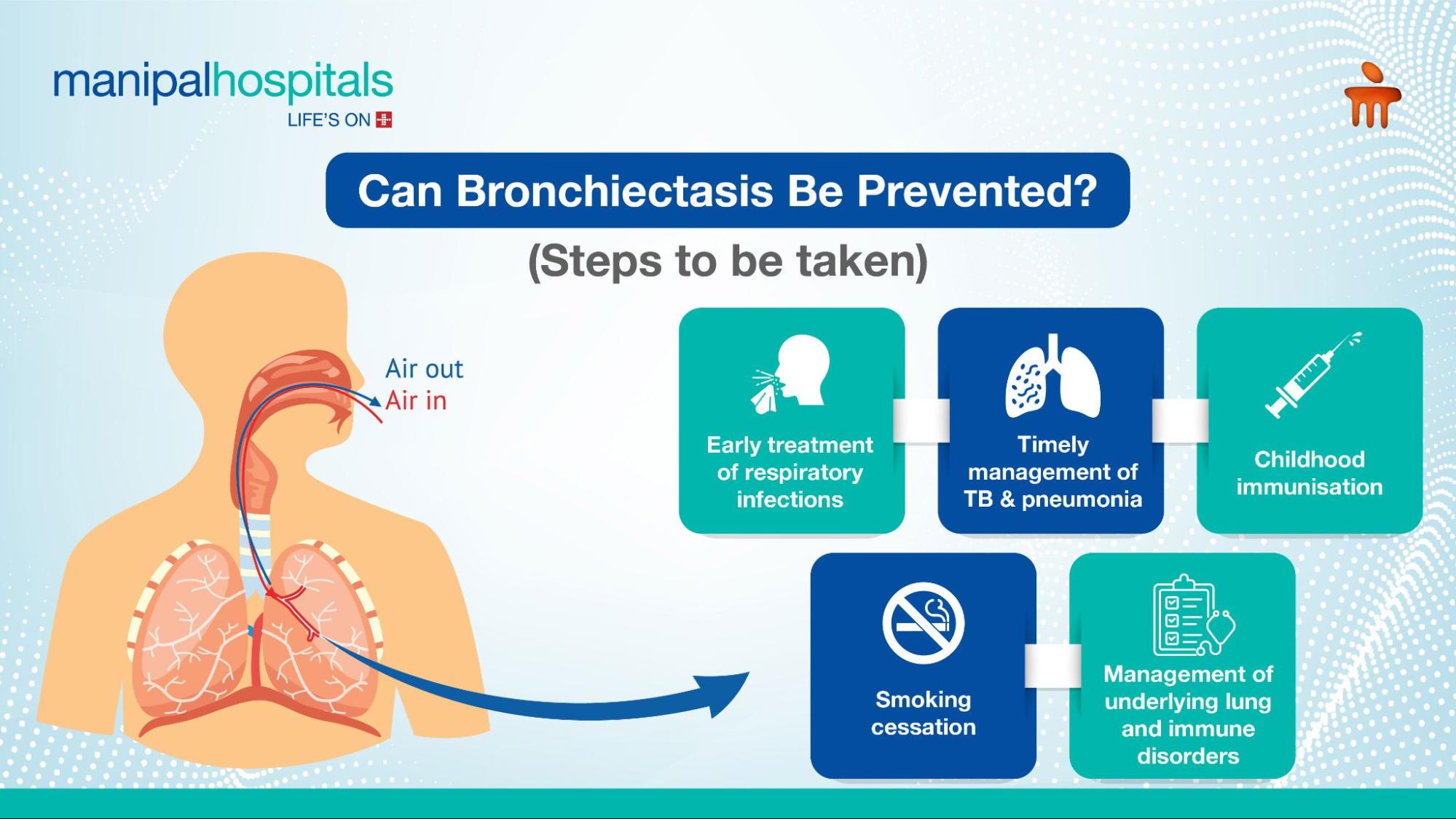
While not all bronchiectasis causes can be prevented, you can lower your risk by:
-
Treating respiratory infections promptly
-
Avoiding smoking
-
Keeping vaccinations up to date
-
Managing immune system disorders
-
Following treatment plans for chronic lung diseases
Early diagnosis remains the most effective strategy for preventing disease progression.
Take Control of Your Lung Health Today
Because bronchiectasis often mimics asthma, many patients remain undiagnosed until significant airway damage has already occurred. Understanding bronchiectasis causes, recognising warning signs and seeking timely medical care can make a substantial difference in long-term outcomes.
If you are experiencing persistent cough, repeated chest infections or unexplained breathing difficulties, schedule an evaluation with our pulmonologists in Delhi-NCR to receive an accurate diagnosis and expert respiratory care.
Frequently Asked Questions
The most common bronchiectasis causes include severe lung infections, recurrent chest infections, cystic fibrosis, immune disorders, autoimmune diseases and airway obstructions.
Early bronchiectasis symptoms often include persistent cough, mucus production, wheezing and recurring respiratory infections.
Yes. Untreated mild bronchiectasis symptoms can progress over time, causing permanent airway damage and increasing the risk of severe infections.
Bronchiectasis diagnosis typically involves medical history evaluation, lung function testing, sputum analysis and a high-resolution CT scan.
The most effective bronchiectasis treatment usually combines airway clearance techniques, medications, infection control, pulmonary rehabilitation and management of underlying causes.
Share this Article


Recent Blogs

Vaginal Atrophy After Menopause: Symptoms, Causes & Effective Treatment Options
29 Jun 20267 Min Read
Menopause brings several changes to a woman’s body, but one condition that often goes undiscussed is vaginal atrophy. Many women experience discomfort, dryness, irritation, or painful intimacy after menopause without realising that these symptoms may be linked to vaginal atrophy. Seeking timely medical advice from our gynaecologists in Delhi-NCR can help identify the condition early and improve the quality of life significantly. The good news is that vaginal atrophy treatment options are highly effective, and women no longer need to suffer in silence. Understanding the causes, recognising the warning signs, and knowing when to seek medical care can make a remarkable difference to long-term vaginal and urinary health.
Read NowCardiogenic Shock: Causes, Symptoms & Emergency Treatment
29 Jun 20266 Min Read
Heart emergencies can escalate within minutes, and among the most dangerous is cardiogenic shock, a life-threatening condition where the heart suddenly cannot pump enough blood to meet the body’s needs. Without immediate medical attention, cardiogenic shock can rapidly lead to organ failure and death. Understanding the causes of cardiogenic shock, recognising early warning signs, and seeking prompt treatment can significantly improve survival outcomes. This guide explains everything you need to know about cardiogenic shock symptoms, risk factors, diagnosis, and emergency management.
Read NowHIPEC Surgery for Stomach & Colon Cancer: Benefits, Risks & Recovery
29 Jun 20267 Min Read
Cancer that spreads within the abdominal cavity is often challenging to treat with conventional therapies alone. However, advancements in surgical oncology have transformed outcomes for many patients. One such breakthrough is HIPEC Surgery, an advanced procedure that combines extensive tumour removal with heated chemotherapy delivered directly into the abdomen. For selected patients with stomach and colon cancers, HIPEC Surgery offers renewed hope by targeting microscopic cancer cells more effectively than standard therapies. In this blog, we explain how the procedure works, who may benefit from it, possible risks, recovery expectations, and why early specialist evaluation matters.
Read NowBlood Cancer: Symptoms, Causes, and Understanding Mantle Cell Lymphoma
29 Jun 20267 Min Read
Blood cancer is a life-altering condition that affects the production and function of blood cells. While many people associate cancer with solid tumours, blood cancers develop within the bone marrow, blood, or lymphatic system and often spread silently before noticeable symptoms appear. Recognising blood cancer symptoms early can significantly improve treatment outcomes and quality of life. From unexplained fatigue to swollen lymph nodes and frequent infections, blood cancer symptoms are often subtle in the beginning. Unfortunately, many individuals ignore these warning signs until the disease progresses. Understanding the causes, risk factors, and available blood cancer treatment options is therefore crucial for timely intervention. One rare yet aggressive form of blood cancer is mantle cell lymphoma, a subtype of non-Hodgkin lymphoma that requires specialised diagnosis and treatment. In this guide, we explore the most important blood cancer symptoms, different types of blood cancer, the science behind Mantle cell lymphoma translocation, and the latest advances in treatment and prognosis.
Read NowSoft Tissue Sarcoma: Rare but Real -Symptoms, Diagnosis & Treatment Options
29 Jun 20266 Min Read
Soft tissue sarcoma is a rare type of cancer that develops in the body's soft tissues, including muscles, fat, blood vessels, nerves, tendons and connective tissues. Although uncommon, soft tissue sarcoma can occur at any age and in almost any part of the body. Early diagnosis significantly improves treatment outcomes, which is why recognising soft tissue sarcoma symptoms should never be overlooked. At our cancer centre, our oncologists in Delhi-NCR specialise in the diagnosis and management of complex cancers, including soft tissue sarcoma. Whether you notice a persistent lump, unexplained pain or swelling, seeking timely medical evaluation can make a crucial difference.
Read NowStages of Cancer: Diagnosis & Treatment Guide
26 Jun 20266 Min Read
Cancer—a word we all fear, but knowledge is its powerful rival. Whether you’re anxiously googling the early signs for peace of mind or supporting a loved one through their cancer journey, understanding the stages of cancer can be the difference between feeling helpless and feeling empowered. Today, we break down everything you need to know about cancer stages and give you plain, honest answers. And, if you’re looking for expert care at every step, head over to our skilled oncologists in Delhi—ones who treat bodies with compassion.
Read NowBronchiectasis: The Damaged Airways Condition That Is Often Mistaken for Asthma
22 Jun 20265 Min Read
Many people who experience persistent coughing, wheezing and repeated chest infections assume they have asthma. However, in some cases, the real culprit is bronchiectasis—a chronic lung condition that causes permanent widening and damage of the airways. Understanding bronchiectasis causes of bronchiectasis is essential because delayed diagnosis can lead to worsening lung damage, frequent infections and reduced quality of life. Unlike asthma, bronchiectasis requires a different treatment approach and long-term management strategy. If you have ongoing respiratory symptoms that do not improve with standard asthma medications, consulting our pulmonologists in Delhi-NCR can help identify the underlying condition early and prevent complications.
Read NowEndoscopy Explained: What to Expect Before, During & After the Procedure
19 Jun 20266 Min Read
Digestive symptoms such as persistent acidity, bloating, abdominal pain, difficulty swallowing, chronic constipation, unexplained weight loss, or blood in stools should never be ignored. In many cases, doctors recommend an endoscopy procedure to identify the exact cause quickly and accurately. Despite being one of the most commonly performed diagnostic procedures worldwide, many people still feel anxious before undergoing an endoscopy. Questions such as Is endoscopy painful?, Is endoscopy dangerous? How long is the endoscopy procedure time? are extremely common. This guide explains everything you need to know about the endoscopy procedure, including preparation, what happens during the test, recovery, risks, benefits, and frequently asked questions.
Read NowHeat Stroke: Symptoms, Causes, Prevention, and Emergency First Aid
17 Jun 20268 Min Read
Summer temperatures are becoming increasingly intense, making heat-related illnesses a serious health concern. Recognising heat stroke symptoms early can be life-saving, as heat stroke is a medical emergency that requires immediate attention. If left untreated, it can lead to organ failure, brain damage, and even death. At the first sign of severe overheating, seeking guidance from our experts in Delhi-NCR can help ensure timely diagnosis and appropriate medical care. Understanding the warning signs, risk factors, and preventive measures is essential for protecting yourself and your loved ones during hot weather.
Read NowIllness Anxiety Disorder: When Worry and Health Concerns Become a Chronic Situation
17 Jun 20267 Min Read
Have you ever noticed a minor headache, muscle twitch, or stomach discomfort and immediately feared it could be a sign of a serious illness? While occasional health concerns are normal, persistent and excessive worry about having a severe medical condition may indicate illness anxiety disorder. At times, this condition can significantly affect daily life, relationships, emotional wellbeing, and overall quality of life. If you find yourself constantly seeking reassurance about your health, our neurologists in Delhi-NCR can help determine whether your symptoms are related to a neurological condition or a health anxiety disorder.
Read Now