


How Long Does Food Poisoning Last? Understanding the Recovery Timeline
Reviewed by: Manipal Hospitals
Posted on
10 Min Read

Not sure what you’re looking for?
Get in touch with our representatives for help!
Contact UsA meal eaten outside, leftover food from the refrigerator, or even contaminated water can sometimes lead to sudden vomiting, diarrhoea, stomach cramps, and weakness. When symptoms begin unexpectedly, one of the first questions people usually ask is whether it is food poisoning, and then they wonder how long food poisoning lasts.
In many cases, symptoms settle within a couple of days, but some infections may take longer to recover from, especially when weakness or stomach discomfort continues after vomiting or diarrhoea improves. In this blog, an experienced medical gastroenterologist in Vijayawada explains the symptoms, recovery timeline, treatment options, and ways to recover safely at home.
What Exactly Is Food Poisoning?
Food poisoning is a digestive illness caused by eating contaminated food or drinking contaminated water. It often causes sudden symptoms such as nausea, vomiting, diarrhoea, stomach cramps, weakness, and sometimes fever. Although most cases resolve on their own after a couple of days, some infections can result in dehydration and fatigue.
Common causes of food poisoning include:
-
Undercooked or contaminated meat and seafood
-
Improper food storage or temperature abuse
-
Contaminated water
-
Poor kitchen hygiene
-
Unwashed fruits and vegetables
-
Expired or improperly stored dairy products
Contamination can occur anywhere, including restaurants, roadside food stalls, home kitchens, or packaged and processed foods.
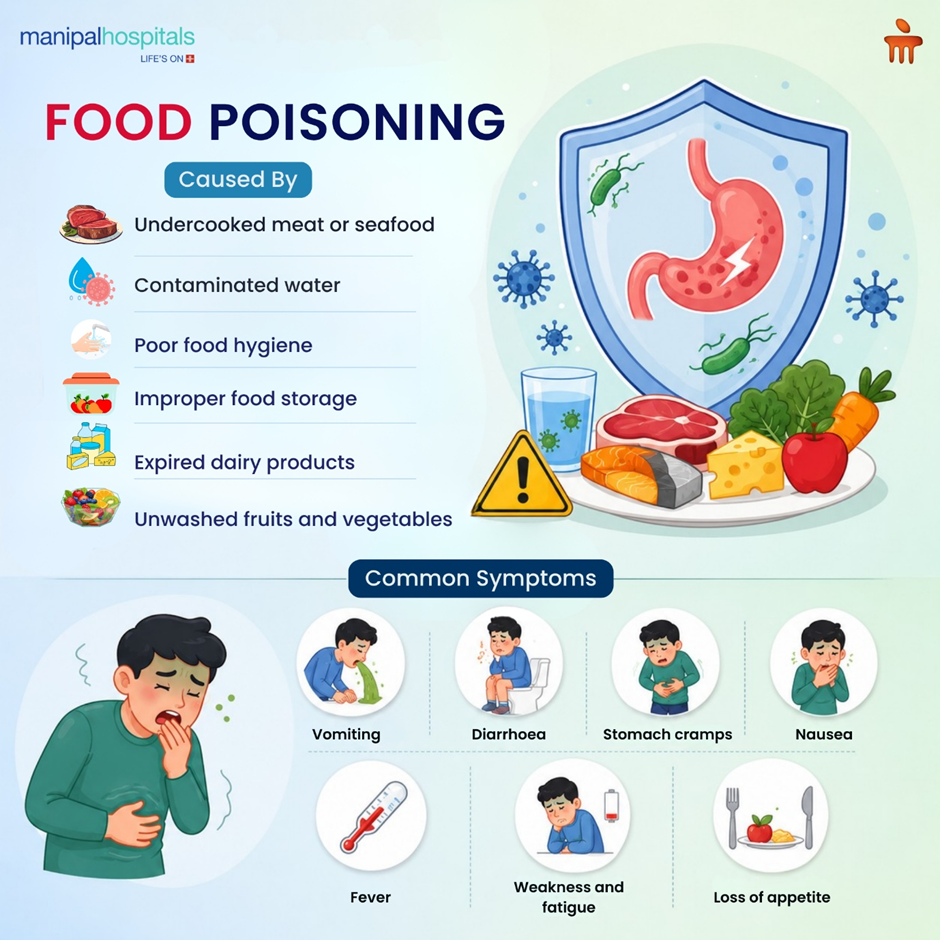
Common Symptoms of Food Poisoning
Symptoms can vary depending on the type of infection and a person’s overall health and immunity. While some individuals may only experience mild stomach pains, other individuals may have symptoms like severe dehydration and tiredness.
Common symptoms include:
Many adults become concerned about how long does food poisoning last in adults because symptoms may interrupt daily activities and sleep.
How Long Does Food Poisoning Last?
The duration is dictated by the specific pathogen that caused the illness. While a general rule of thumb is 1 to 3 days, here is a more detailed breakdown by cause:
|
Pathogen |
Typical Onset |
How Long It Lasts |
|
Staphylococcus aureus |
30 mins – 8 hours |
24 hours |
|
Norovirus |
12 – 48 hours |
1 to 3 days |
|
Salmonella |
6 hours – 6 days |
4 to 7 days |
|
Campylobacter |
2 – 5 days |
2 to 10 days |
|
E. coli (STEC) |
3 – 4 days |
5 to 10 days |
The Recovery Stages
Understanding how long it takes to recover from food poisoning involves looking at the phases of the illness:
-
The Acute Phase (Days 1–2): Frequent vomiting and diarrhoea; focus is entirely on fluid retention.
-
The Stabilisation Phase (Days 2–4): Diarrhoea slows down; nausea subsides, but appetite remains low.
-
The Rebuilding Phase (Days 4–7): Energy levels begin to return; the focus shifts to reintroducing solid foods and restoring gut flora.
Some people regain strength quickly, while others continue feeling weak for several days after diarrhoea stops.
Food Poisoning Recovery in Adults
Recovery occurs more rapidly in adults compared to elderly people and children due to better immune systems and hydration capacity. Yet, recovery is subject to the type of disease.
For instance:
-
Norovirus usually gets better within two days
-
Recovery from Salmonella can take almost a week
-
E. coli cases tend to persist longer
-
Diarrhoea caused by food poisoning tends to be better within 24 hours
People repeatedly search online for how long food poisoning lasts in adults because lingering weakness can create unnecessary anxiety.
Factors That Affect Recovery Time
Recovery from food poisoning can look very different from one person to another. While some people feel better within a day or two, others may take longer to regain their strength, especially if dehydration or an underlying health condition is involved. Several factors can influence how quickly the body recovers, including:
|
Factor |
Effect on Recovery |
|
Age |
Children and elderly adults lose fluids faster and may recover slowly |
|
Hydration |
Dehydration worsens fatigue and dizziness |
|
Type of Infection |
Some bacteria cause stronger intestinal inflammation |
|
Existing Illness |
Diabetes or kidney disease may increase complications |
|
Nutrition |
Poor nutrition weakens immune recovery |
Since every case differs, the answer to “How long does it take to recover from food poisoning?” varies between individuals.
Why Hydration Is So Important
Vomiting and diarrhoea remove fluids and essential salts from the body. If fluid loss becomes excessive, dehydration develops quickly.
Common signs include:
-
Dry mouth
-
Extreme thirst
-
Dark urine
-
Dizziness
-
Weakness
-
Reduced urination
-
Rapid heartbeat
Replacing fluids gradually throughout the day is one of the most important parts of recovery.
Best Foods During Recovery
The stomach becomes sensitive after food poisoning. Heavy meals can worsen nausea and cramps, especially during early recovery. Simple foods usually work best:
-
Plain rice
-
Bananas
-
Toast
-
Boiled potatoes
-
Applesauce
-
Clear soups
-
Plain crackers
-
Soft curd or yoghurt
Eating small portions throughout the day is often easier on the stomach than consuming large meals at once.
Foods to Avoid Until Symptoms Improve
Returning too quickly to spicy or oily foods may irritate the digestive system again.
Avoid:
-
Fried foods
-
Spicy curries
-
Alcohol
-
Excess caffeine
-
Sugary soft drinks
-
Processed snacks
-
Heavy dairy products
Many people ask, How long does it take to recover from food poisoning?, unknowingly prolonging symptoms by eating rich foods too soon.
How Doctors Diagnose Food Poisoning
A diagnosis of food poisoning is generally made on the basis of the patient’s symptoms, diet history, and physical examination. These include:
-
Stool tests
-
Blood tests to assess electrolyte levels and dehydration
-
It is especially required in the case of persistent symptoms.
Experiencing ongoing digestive symptoms or severe food poisoning? Consult highly experienced gastroenterologists in Vijayawada for timely diagnosis and treatment.
Treatment Options for Food Poisoning
Most treatment focuses on preventing dehydration and allowing the digestive system to recover naturally.
-
Oral Rehydration: There are electrolyte fluids that can help restore the electrolytes that have been lost in the body.
-
Resting: Rest gives the body time to recover and helps reduce weakness during illness.
-
Medications: Medications can be administered in cases of nausea and bacterial infections.
-
Intravenous Fluids: In situations of severe dehydration, intravenous fluids can be administered in a hospital setting.
When Should You Visit a Doctor?
Most mild infections settle without hospital care. However, some symptoms should never be ignored. Visit your doctor immediately if you have:
-
A high fever
-
Bloody stools
-
Dehydration
-
Persistent vomiting that prevents fluid intake
-
Confusion
-
Severe stomach pain
-
Symptoms that persist for more than several days
These groups of individuals should visit their doctor sooner: children, pregnant women, elderly people, and those with underlying health conditions.
Conclusion
Food poisoning can leave people feeling weak, dehydrated, and uncomfortable for several days. Because recovery can vary from person to person, many people often wonder how long food poisoning lasts, especially when symptoms affect eating, sleep, and daily routine.
Most mild cases improve with rest, fluids, and proper care at home, but severe symptoms should not be ignored. Persistent vomiting, dehydration, blood in stools, or symptoms that continue for too long may need medical attention. People looking for expert food poisoning treatment in Vijayawada can consult a specialist at Manipal Hospitals Vijayawada for proper evaluation and the necessary care.
Frequently Asked Questions
The effects of mild food poisoning normally last from one to two days, assuming proper hydration, rest, and the consumption of food that reduces irritation in the gastrointestinal tract.
Weakness is likely to persist even after diarrhoea ends because lack of energy due to dehydration and electrolyte imbalance continues to exist.
The beverages that will help replenish fluid levels and hydrate are oral rehydration salts, clear broths, coconut water, and water.
No, hospitalisation is not always necessary. Hospitalisation is usually only needed for severe dehydration, high fever, persistent vomiting, or complications.
To help prevent food poisoning during holidays, drink safe water, eat freshly prepared food, avoid unhygienic places, wash your hands regularly, and avoid food that has been left uncovered for long periods.
Share this Article


Recent Blogs

Gastric vs. Duodenal Ulcers – What You Need to Know
27 Aug 20266 Min Read
Peptic ulcers are open sores that develop on the inside lining of your stomach and the upper portion of your small intestine. While often grouped under the general term "ulcer", there are distinct types, primarily gastric ulcers and duodenal ulcers. Knowing the difference between gastric and duodenal ulcers is crucial for accurate diagnosis, effective management, and understanding your symptoms. This blog has clinical insights from experts from a leading gastroenterology hospital in Vijayawada to help you understand these two common conditions, including their symptoms, causes, diagnosis, treatment options, and when to seek medical attention.
Read NowWhy Are My Nipples Hurting? Causes & When to See a Doctor
27 Aug 20266 Min Read
Nipple pain is a surprisingly common concern that can range from a mild, temporary discomfort to a sign of an underlying condition requiring medical attention. Many individuals, particularly women, experience this at various stages of life, leading to questions like "Why are my nipples painful?" or "When nipples are painful, what does it mean?" While often benign, understanding the various causes of nipple pain is important for reassurance and timely intervention when necessary. Through this blog, we explain the common causes of nipple pain, when it may signal an underlying health concern, and when it is important to seek medical attention, with expert insights from physicians at the top hospital in Vijayawada. The blog also discusses the available options for diagnosis and breast pain treatment in Vijayawada.
Read NowUnderstanding Tonsil Cancer: Early Detection, Treatment, and Hope
27 Aug 20267 Min Read
Tonsil cancer, a type of oropharyngeal cancer, affects the tonsils, which are part of your body's immune system located at the back of your throat. While the thought of any cancer can be daunting, understanding the disease, its early signs, and modern treatment approaches is the first step towards empowerment and effective management. In this blog post, we present insights from experts from a leading cancer hospital in Vijayawada covering all the crucial aspects of tonsil cancer, from recognizing its subtle early tonsil cancer symptoms to exploring the advanced treatment options available, helping you navigate this journey with confidence and informed decisions.
Read NowThigh Bone Fracture Surgery: Procedure & Recovery Time
17 Jun 20266 Min Read
A thigh bone fracture can turn everyday life upside down very suddenly. One accident, a bad fall, or a strong impact can make even simple movements like standing or walking extremely painful. For many people, the shock of the injury is just as difficult as the pain itself. The thigh bone, also called the femur, is the strongest bone in the body, so it usually breaks after major injuries such as road accidents or sports trauma. However, in older adults with weaker bones, even a simple fall can sometimes lead to a fracture. In this blog a top orthopaedic surgeon in Vijayawada explains the symptoms of a thigh bone fracture, how surgery is performed, and what recovery and healing usually look like after treatment.
Read NowUnderstanding Anxiety and Heart Health: What You Should Know
15 Jun 20268 Min Read
For many people, it starts with a sudden feeling of panic. The heart begins beating faster, the chest feels tight, breathing becomes difficult, and the mind immediately jumps to the worst possibility: “Am I having a heart attack?” Since anxiety symptoms can feel so intense physically, questions like can anxiety cause a heart attack are becoming increasingly common. While anxiety is not always caused by an oncoming heart attack, long-term stress and anxiety may affect overall heart health over time, which is why these symptoms should not be ignored completely. Because anxiety symptoms can feel physically intense, many people struggle to tell the difference between panic and a heart problem. Through this blog one of the best cardiologists in Vijayawada explains how anxiety affects the body, why its symptoms can sometimes feel similar to a heart attack, and when medical attention may be needed.
Read NowWhy Are My Hands Always Cold? Causes & When to Worry
15 Jun 20268 Min Read
Cold hands can happen occasionally, especially during colder weather or after spending time in air-conditioned environments. However, for some people, having persistently cold hands becomes a frequent or everyday experience, even when the surrounding temperature feels comfortable. While this is often harmless, it can sometimes be linked to underlying issues involving blood circulation, nerve function, hormonal changes, or other medical conditions that may require attention. If you have ever wondered, 'Why are my hands always cold?', you are definitely not alone. Cold hands are usually nothing to worry about, but sometimes they can be a sign of problems with circulation, nerves, hormonal changes, or other medical conditions that shouldn’t be ignored. Many people also ask questions like why their hands and feet are always cold or why their hands and toes are always cold, even though the rest of the body feels fine. Sometimes, the cold can also be accompanied by sweating, leading people to ask, Why are my hands always cold and sweaty? In this blog an experienced general medicine doctor in Vijayawada explains the common causes, warning signs, and when it may be time to see a doctor.
Read NowHow Long Does Food Poisoning Last? Understanding the Recovery Timeline
15 Jun 202610 Min Read
A meal eaten outside, leftover food from the refrigerator, or even contaminated water can sometimes lead to sudden vomiting, diarrhoea, stomach cramps, and weakness. When symptoms begin unexpectedly, one of the first questions people usually ask is whether it is food poisoning, and then they wonder how long food poisoning lasts. In many cases, symptoms settle within a couple of days, but some infections may take longer to recover from, especially when weakness or stomach discomfort continues after vomiting or diarrhoea improves. In this blog, an experienced medical gastroenterologist in Vijayawada explains the symptoms, recovery timeline, treatment options, and ways to recover safely at home.
Read NowWhen a Pimple May Be More Than Acne: Understanding Early Skin Cancer
15 Jun 20268 Min Read
It usually starts as something very small, just a pimple-like bump that does not seem serious enough to worry about. Most people assume it is acne, a skin irritation, or an ingrown hair and expect it to disappear on its own. But sometimes, the spot stays for weeks, keeps crusting, bleeds occasionally, or slowly becomes more noticeable. In some cases, what looks like an ordinary acne bump may actually be an early-stage skin cancer. Certain skin cancers can closely resemble pimples in the beginning, which is why they are often ignored during the early stages. In this blog a top medical oncologist in Vijayawada explains how to recognise warning signs, how to tell the difference between acne and suspicious skin changes, and when a skin cancer that looks like a pimple may need medical attention.
Read NowUnderstanding Abdominal Pain After Eating: Causes and Relief
08 Apr 20268 Min Read
A heavy feeling, sharp discomfort, or cramping after a meal can quickly turn eating into an unpleasant experience. Many people worry about having stomach pain after meals. It may not be a big deal if you sometimes have stomach problems. However, abdominal pain after eating can sometimes point to an underlying digestive issue that needs medical attention. The digestive system breaks down food, absorbs nutrients, and removes waste, so any disruption can lead to discomfort after meals. Many patients experience pain after eating, with the location varying based on the affected part of the digestive system. These symptoms may be caused by conditions ranging from indigestion to more complex gastrointestinal disorders. Through this blog, a top medical gastroenterologist in Vijayawada helps you understand the possible causes of abdominal pain after eating and how to identify the warning signs and when to seek abdominal pain treatment in Vijayawada.
Read NowTesticle Pain - Epididymal Cyst or Something Else: Understanding Symptoms, Causes, and Treatment
08 Apr 20267 Min Read
That dull ache or swelling in the testicles is not something to ignore. While it may seem minor at first, persistent discomfort can sometimes signal an underlying urological condition that needs attention. In some cases, the cause may be a temporary issue, but ongoing pain could point to conditions such as epididymitis or an epididymal cyst. Understanding epididymal cyst symptoms and their possible causes can help individuals seek medical attention early. Epididymal cysts are sacs filled with fluid that grow in the epididymis. They are usually benign but may cause discomfort or anxiety if they increase in size. In this blog, a top urologist in Vijayawada explains epididymal cyst causes, common warning signs, treatment options, and whether the condition affects fertility. It also explores approaches for epididymal cyst treatment without surgery and when medical intervention becomes necessary.
Read Now