


Nerve Pain: Causes, Symptoms, and Treatment Options
Reviewed by: Manipal Hospitals
Posted on
7 Min Read

Not sure what you’re looking for?
Get in touch with our representatives for help!
Contact UsNerve pain is one of those conditions that people struggle to explain unless they’ve felt it themselves. It’s not like a normal ache or muscle pain. Instead, it often feels sharp, burning, electric, or tingling, sometimes appearing without any obvious injury. Many patients describe it as unpredictable and exhausting, especially when it begins to interfere with sleep, work, and daily activities.
Understanding nerve pain symptoms, identifying the root cause early, and consulting the right neurologist in Pune for nerve pain treatment can make a significant difference in recovery and long-term relief.
What Is Nerve Pain?
Nerve pain, medically known as neuropathic pain, occurs when the nerves themselves are damaged, irritated, or not functioning properly. Unlike pain caused by cuts, fractures, or inflammation, nerve pain originates within the nervous system.
Healthy nerves act like messengers, carrying signals between the brain and the rest of the body. When these signals are disrupted, the brain may receive incorrect pain messages even when there is no clear external cause.
Common Nerve Pain Symptoms
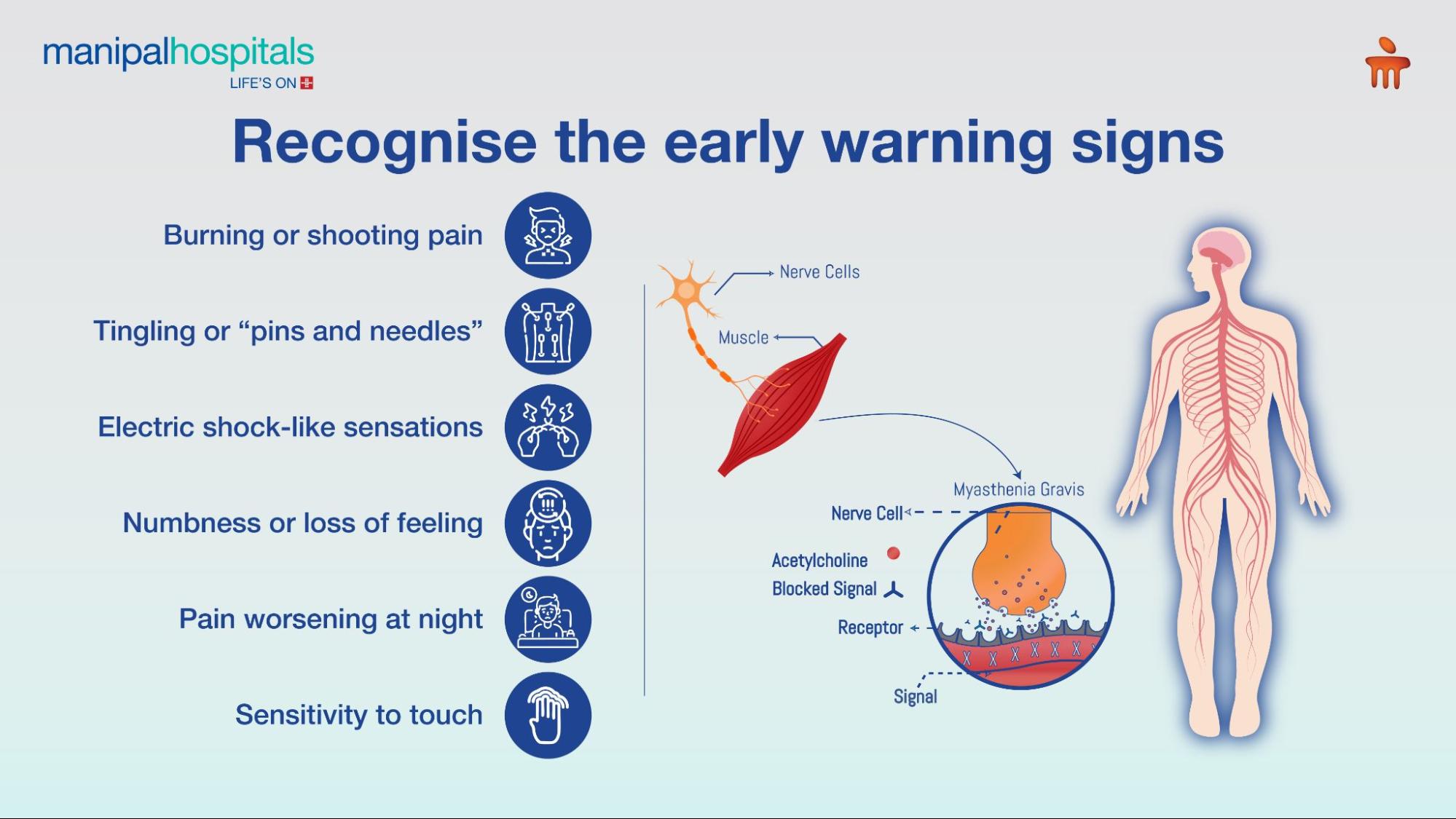
The symptoms of nerve pain can vary from person to person and may affect one area or spread along the nerve pathway. Some of the most commonly reported nerve pain symptoms include.
-
Burning or shooting pain
-
Sharp, stabbing sensations
-
Tingling or “pins and needles” feeling
-
Electric shock-like pain
-
Numbness or reduced sensation
-
Increased sensitivity to touch
-
Pain that worsens at night
-
Muscle weakness in severe cases
Many patients say the pain comes and goes without warning, making daily routines difficult and emotionally draining.
Nerve Pain Causes You Should Know About
There isn’t just one reason why nerve pain develops. In fact, nerve pain causes can range from medical conditions to injuries and lifestyle factors.
1. Diabetes
One of the most common causes of nerve damage pain is diabetic neuropathy. Prolonged high blood sugar levels can slowly damage nerves, especially in the feet and hands.
2. Injuries and Trauma
Accidents, falls, sports injuries, or surgical procedures can damage nerves directly, leading to long-term nerve pain.
3. Spinal Problems
Conditions such as slipped discs, spinal stenosis, or nerve compression can irritate nerves and cause radiating pain.
4. Infections
Certain infections like shingles, HIV, or Lyme disease may damage nerves and result in persistent pain.
5. Vitamin Deficiencies
A lack of vitamin B12 and other essential nutrients can weaken nerve function over time.
6. Autoimmune Disorders
Diseases like rheumatoid arthritis or lupus may cause inflammation that affects the nerves.
Sometimes, despite extensive testing, the exact cause remains unknown — a condition referred to as idiopathic neuropathy.
How Nerve Damage Pain Feels Different
Nerve damage pain behaves differently from regular pain. It may worsen at rest, intensify during the night, or be triggered by something as light as clothing brushing against the skin. Even normal sensations like warmth or pressure can feel uncomfortable.
This is why early diagnosis and proper treatment are crucial — delaying care can allow nerve damage to progress.
Diagnosing Nerve Pain
Doctors usually diagnose nerve pain through a combination of:
-
Detailed medical history
-
Physical and neurological examination
-
Blood tests to detect underlying conditions
-
Imaging tests like MRI or CT scans
-
Nerve conduction studies in selected cases
At Manipal Hospitals Pune, specialists take a comprehensive approach to identify the root cause rather than just treating the symptoms.
Neuropathic Pain Treatment Options
The good news is that several neuropathic pain treatment options are available, depending on the severity and cause of the condition.
1. Medications
Specific medications help calm overactive nerves and reduce pain signals. These may include nerve-targeting drugs, pain relievers, or topical treatments.
2. Physiotherapy
Targeted exercises can improve mobility, strengthen muscles, and reduce nerve compression, especially in spine-related conditions.
3. Lifestyle Changes
Managing blood sugar levels, maintaining a balanced diet, quitting smoking, and reducing alcohol intake can significantly improve nerve health.
4. Interventional Pain Management
In some cases, nerve blocks or minimally invasive procedures may be recommended to provide long-term relief.
5. Advanced Surgical Care
If nerve pain is caused by severe compression or injury, surgical intervention may be considered to prevent permanent damage.
Effective Nerve Pain Relief Tips at Home
Along with medical treatment, simple daily habits can support nerve pain relief:
-
Maintain proper posture
-
Apply warm or cold compresses as advised
-
Follow a nerve-friendly diet rich in vitamins
-
Avoid prolonged sitting or repetitive strain
-
Practice stress-relief techniques like meditation
Consistency is key. Small changes often lead to noticeable improvement over time.
You should seek medical attention if:
-
Pain lasts longer than a few weeks
-
Symptoms worsen or spread
-
Numbness or weakness develops
-
Pain interferes with sleep or daily activities
Early intervention can prevent long-term complications and improve quality of life.
Conclusion
At Manipal Hospitals Pune, patients receive multidisciplinary care for nerve-related conditions. With experienced neurologists, orthopaedic specialists, pain management experts, and advanced diagnostic facilities, the hospital offers personalised treatment plans focused on long-term relief and recovery.
Living with nerve pain can be frustrating, but understanding your symptoms and seeking timely care makes a real difference. With modern diagnostic tools and personalised treatment approaches available at Manipal Hospital Baner, patients can find relief, regain mobility, and improve their overall quality of life.
Frequently Asked Questions
Early symptoms often include tingling, mild burning sensations, numbness, or increased sensitivity to touch.
Mild cases may improve if the underlying cause is treated early, but chronic nerve damage pain usually requires medical intervention.
Yes. Neuropathic pain treatment focuses on calming nerve signals rather than just reducing inflammation.
Duration varies. Some people recover within months, while others may experience long-term symptoms depending on the cause.
While some nerve damage can heal, others can be managed effectively with the right treatment plan and lifestyle changes.
Share this Article


Recent Blogs

Early Heart Disease Symptoms, Common Causes, and Advanced Treatment Methods
27 May 20268 Min Read
Heart disease remains one of the top causes of death in the world and impacts millions of lives each year. Heart disease is an umbrella term encompassing a range of conditions that impair the structure and function of the heart. These include constricted blood vessels, irregular heart rhythms, cardiac muscle problems, or congenital defects. Some cardiac diseases develop slowly. Others might appear unexpectedly and can be life-threatening if not treated soon. Modern lifestyle habits such as unhealthy eating, smoking, stress, lack of physical activity, and poor sleep have significantly increased the risk of cardiovascular problems. Recognising heart disease symptoms early on and seeking timely treatment can help reduce serious complications and support long-term heart health. This blog explores the common types of heart disease, their symptoms, treatment options, and practical ways to support your heart health.
Read NowNavigating Hemiplegic Migraine: Understanding the Temporary Paralysis
25 May 20266 Min Read
Migraines are commonly known for causing severe headaches, nausea, and sensitivity to light or sound. However, there is one rare type of migraine that can be especially frightening because it affects movement and speech as well. This condition is known as hemiplegic migraine, a neurological disorder that can temporarily cause weakness or paralysis on one side of the body. At Manipal Hospitals Pune, specialists often see patients who initially mistake these symptoms for a stroke because the warning signs can appear very similar. Hemiplegic migraine is uncommon, but for the people living with it, the impact can be significant. The condition affects the nervous system and causes temporary disruptions in brain function. During an attack, a person may suddenly struggle to move one arm or leg, experience slurred speech, or notice visual disturbances before the headache even begins. These episodes can last from a few hours to several days, creating anxiety and uncertainty for both patients and their families. The good news is that with early diagnosis, proper treatment, and lifestyle management, most people recover fully after each episode and can successfully manage the condition over time.
Read NowNavigating Mantle Cell Lymphoma: Hope, Strength, and Advanced Care
25 May 20266 Min Read
Hearing the words “mantle cell lymphoma” for the first time can leave anyone feeling anxious and uncertain. Questions about treatment, recovery, survival, and the future begin to surface immediately. For many families, it becomes an emotional journey filled with fear, hope, and countless medical decisions. At Manipal Hospitals Pune, patients diagnosed with rare blood cancers receive compassionate support, advanced diagnostics, and personalised treatment plans designed to improve both survival and quality of life. Mantle cell lymphoma (MCL) is considered a rare and aggressive form of non-Hodgkin lymphoma. While the diagnosis may sound frightening, modern medicine has brought remarkable advancements in treatment over the last decade. Today, many patients are living longer, healthier, and more fulfilling lives thanks to newer therapies and specialised cancer care.
Read NowSudden Cardiac Arrest vs Heart Attack: The First 10 Minutes Can Save a Life
22 May 20268 Min Read
There are moments in life when every second truly matters. A cardiac emergency is one of them. I still remember a case shared by a senior doctor—someone collapsed during a morning walk, and the people around thought he had simply fainted. No one acted immediately. By the time help arrived, precious minutes had already slipped away. This is exactly why understanding the difference between a heart attack and sudden cardiac arrest is not just medical knowledge; it is life-saving awareness. At Manipal Hospital Pune, doctors often emphasise that quick recognition and immediate action in the first 10 minutes can dramatically increase survival rates. Let’s break this down in a simple, real-world way.
Read NowStroke Rehabilitation: Regaining Speech, Movement & Independence After a Brain Stroke
15 May 20266 Min Read
A stroke can feel like life has suddenly paused. One moment, everything is normal, and the next, simple actions like speaking, walking, or even holding a cup become challenging. Often called a “brain attack,” a stroke occurs when the blood supply to a part of the brain is interrupted, either due to a clot or a ruptured blood vessel. While the impact can be overwhelming, the story does not end here. With the right care, timely intervention, and consistent rehabilitation, recovery is not just possible, it can be transformative. At Manipal Hospital Pune, we often meet patients and families who feel uncertain after a stroke diagnosis. What we tell them is simple: recovery is a journey, and every small step matters.
Read Nowरोगप्रतिकारक शक्ती वाढवणारी फळे: फायदे, पोषण आणि सर्वोत्तम रोगप्रतिकारक शक्ती वाढवणारे अन्न
24 Apr 20263 Min Read
आजच्या धावपळीच्या जीवनशैलीत निरोगी राहण्यासाठी मजबूत रोगप्रतिकारक शक्ती असणे खूप महत्त्वाचे आहे. वारंवार सर्दी, खोकला किंवा थकवा जाणवत असेल, तर तुमची रोगप्रतिकारक शक्ती कमी असू शकते. त्यामुळेच योग्य आहार घेऊन तुमची रोगप्रतिकारक शक्ती वाढवा हा आजच्या काळातील सर्वात मोठा आरोग्य मंत्र ठरतो.
Read NowNerve Pain: Causes, Symptoms, and Treatment Options
31 Mar 20267 Min Read
Nerve pain is one of those conditions that people struggle to explain unless they’ve felt it themselves. It’s not like a normal ache or muscle pain. Instead, it often feels sharp, burning, electric, or tingling, sometimes appearing without any obvious injury. Many patients describe it as unpredictable and exhausting, especially when it begins to interfere with sleep, work, and daily activities. Understanding nerve pain symptoms, identifying the root cause early, and consulting the right neurologist in Pune for nerve pain treatment can make a significant difference in recovery and long-term relief.
Read NowSudden Breathlessness: Emergency Causes You Shouldn’t Ignore
20 Mar 20265 Min Read
Feeling breathless all of a sudden can be frightening. One moment you’re fine, and the next, you’re struggling to catch your breath. Breathlessness, especially when it comes on suddenly, is not something to ignore. While mild breathlessness can sometimes be linked to stress or exertion, sudden shortness of breath may signal a serious medical emergency that needs immediate attention. Doctors at Manipal Hospital Pune often see patients who delay care, assuming breathlessness will pass. In many cases, early treatment could have prevented complications. Understanding the possible causes, warning signs, and when to seek help can truly save lives.
Read NowPulmonary Edema Causes: Why Fluid Builds Up in the Lungs
20 Mar 20268 Min Read
Breathing is something most of us never think about until it suddenly becomes difficult. One condition that can make breathing frighteningly hard is pulmonary edema. It happens when fluid builds up in the lungs, preventing oxygen from reaching the bloodstream properly. Understanding the pulmonary edema causes, early warning signs, and possible complications can make a life-saving difference. At Manipal Hospitals Pune, specialists often see patients arrive with sudden breathlessness that turns out to be pulmonary edema. Early diagnosis and timely treatment play a crucial role in recovery.
Read NowFoods to Lose Belly Fat: Best Diet Choices Explained
06 Mar 20260 Min Read
Belly fat is one of the most stubborn and frustrating health concerns for many people. Whether it’s caused by long sitting hours, stress, hormonal changes, or unhealthy eating habits, excess abdominal fat is not just about appearance it can increase the risk of diabetes, heart disease, and metabolic problems. The good news? What you eat plays a major role in reducing belly fat. Choosing the right foods consistently can help your body burn fat more efficiently, improve digestion, and reduce bloating. In this blog, we explain the best foods to lose belly fat, foods to avoid, and how to build a sustainable diet for long-term results, with expert guidance aligned with preventive healthcare at Manipal Hospital Pune.
Read Now