


Paresthesia : Causes, Symptoms and Treatment
Reviewed by: Manipal Hospitals
Posted on
5 Min Read

Not sure what you’re looking for?
Get in touch with our representatives for help!
Contact UsParesthesia is a condition characterized by abnormal sensations such as tingling, numbness, or a "pins and needles" feeling, often in the hands, feet, arms, or legs. These sensations can be temporary or chronic and may result from various underlying causes. Understanding the paresthesia causes, paresthesia symptoms and paresthesia treatment options is crucial for managing this condition effectively.
Paresthesia Causes
Paresthesia can arise from multiple factors, including nerve compression, circulatory issues, nutritional deficiencies, medical conditions, and injuries.
Nerve Compression
Nerve compression occurs when there is pressure on a nerve, which can disrupt its function and lead to paresthesia. Common scenarios include:
-
Carpal Tunnel Syndrome: Compression of the median nerve in the wrist.
-
Herniated Discs: Pressure on spinal nerves due to displaced vertebral discs.
-
Repetitive Strain Injuries: Frequent use of certain muscles leading to nerve compression.
Circulatory Issues
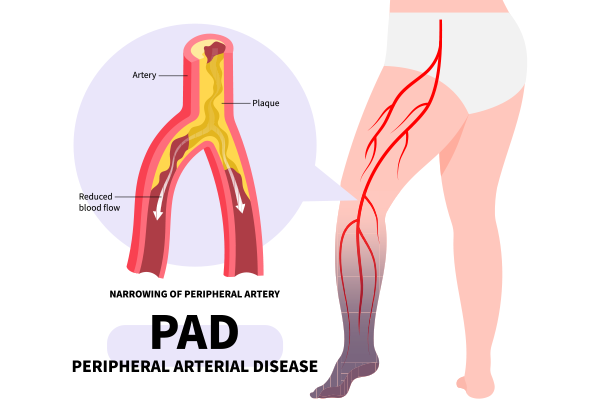
Poor blood circulation can deprive nerves of essential nutrients and oxygen, causing paresthesia. Conditions that can affect circulation include:
-
Peripheral Artery Disease (PAD): Narrowing of arteries reduces blood flow to limbs.
-
Raynaud's Disease: Spasms in blood vessels reduce blood flow to extremities.

Here's a table summarizing the causes, symptoms, and treatments for paresthesia:
|
Category |
Details |
|
Causes |
|
|
Symptoms |
|
|
Treatments |
|
Nutritional Deficiencies
Certain vitamins and minerals are vital for nerve health. Deficiencies can lead to nerve damage and paresthesia:
-
Vitamin B12 Deficiency: Essential for nerve function and myelin sheath maintenance.
-
Magnesium Deficiency: Important for nerve transmission and muscle function.
Medical Conditions
Several medical conditions can cause or exacerbate paresthesia:
-
Diabetes: High blood sugar levels can damage nerves over time (diabetic neuropathy).
-
Multiple Sclerosis (MS): An autoimmune disease that damages the protective covering of nerves.
-
Thyroid Disorders: Hypothyroidism can lead to nerve damage and paresthesia.
Injuries
Physical trauma or repetitive strain injuries can damage nerves, leading to paresthesia:
-
Fractures: Broken bones can compress or sever nerves.
-
Sports Injuries: Repetitive motions or acute injuries in sports can affect nerves.
Paresthesia Symptoms
The symptoms of paresthesia can vary in intensity and duration, often depending on the underlying cause.
- Tingling Sensation
One of the most common symptoms is a tingling sensation, often described as "pins and needles." This can occur in any part of the body but is most frequently felt in the extremities.
- Numbness
Numbness is another prevalent symptom, where there is a loss of sensation in the affected area. This can make it difficult to feel touch, temperature, or pain.
- Burning or Prickling
Some individuals experience a burning or prickling sensation, which can be uncomfortable and persistent.
- Intermittent vs. Persistent Symptoms
Paresthesia can be intermittent, occurring sporadically, or persistent, where symptoms are continuous. Chronic paresthesia often indicates an underlying medical condition that requires attention.
- Affected Areas
Paresthesia commonly affects the hands, feet, arms, and legs. However, it can occur in other parts of the body, depending on the cause.
Paresthesia Treatment
Treatment for paresthesia focuses on addressing the underlying cause and alleviating symptoms.
Lifestyle Changes
Making certain lifestyle adjustments can help reduce symptoms:
-
Posture and Ergonomics: Improving posture and using ergonomic tools can reduce nerve compression.
-
Physical Activity: Regular exercise can improve circulation and nerve health.
Medications
Various medications can help manage symptoms:
-
Pain Relievers: Over-the-counter pain medications can alleviate mild symptoms.
-
Anti-inflammatory Drugs: These can reduce inflammation and relieve pressure on nerves.
-
Prescription Medications: In some cases, doctors may prescribe medications to manage chronic pain or underlying conditions.
Physical Therapy
Physical therapy can be beneficial in managing paresthesia:
-
Exercises: Specific exercises can strengthen muscles and improve nerve function.
-
Therapies: Techniques such as massage, heat therapy, and electrical stimulation can provide relief.
Surgical Options
In severe cases, surgery may be necessary to relieve nerve compression or repair damaged nerves:
- Carpal Tunnel Release: Surgery to relieve pressure on the median nerve.
- Decompression Surgery: Procedures to alleviate pressure on spinal nerves.
Alternative Therapies
Some individuals find relief through alternative therapies:
-
Acupuncture: Inserting thin needles into specific points on the body to relieve symptoms
-
Chiropractic Care: Adjustments to the spine and joints to improve nerve function
-
Herbal Remedies: Certain herbs and supplements may support nerve health
Prevention of Paresthesia
Preventing paresthesia involves maintaining overall health and taking specific measures to protect nerve function.
-
Healthy Diet
A balanced diet rich in essential vitamins and minerals supports nerve health. Foods high in vitamin B12, magnesium, and other nutrients are particularly beneficial.
-
Regular Exercise
Staying active helps improve circulation and prevent nerve compression. Incorporating a mix of aerobic, strength, and flexibility exercises can be effective.
-
Stress Management
Stress can exacerbate symptoms of paresthesia. Techniques such as meditation, yoga, and deep breathing exercises can help manage stress levels.
-
Ergonomics
Proper workplace ergonomics can prevent repetitive strain injuries. Using ergonomic chairs, keyboards, and other tools can reduce the risk of nerve compression.
-
Regular Health Check-ups
Regular check-ups with a healthcare provider can help detect and manage underlying conditions that may cause paresthesia. Early detection and treatment are key to preventing chronic symptoms.
Conclusion
Paresthesia is a condition with various causes, symptoms, and treatment options. Understanding these aspects can help individuals manage their symptoms and improve their quality of life. By addressing underlying causes, making lifestyle changes, and seeking appropriate medical care, it is possible to alleviate the discomfort associated with paresthesia.
If you or a loved one are experiencing symptoms of paresthesia, it's important to seek professional medical advice. Manipal Hospitals Patiala offers comprehensive diagnostic and treatment services for neurological conditions, including paresthesia. With a team of experienced neurologists and state-of-the-art facilities, Manipal Hospitals is dedicated to providing personalized care and effective treatment plans. Visit Manipal Hospitals to learn more and schedule an appointment today.
Frequently Asked Questions
You should see a doctor if you experience persistent, severe, or worsening symptoms, or if paresthesia is accompanied by other concerning signs such as weakness, pain, or loss of function.
Yes, paresthesia can sometimes indicate serious conditions such as diabetes, multiple sclerosis, or nerve damage. It's important to seek medical advice if you experience persistent or severe symptoms.
Home remedies include maintaining good posture, using ergonomic tools, staying active, and ensuring a diet rich in essential vitamins and minerals. However, it's important to consult a healthcare provider for persistent symptoms.
Paresthesia can be temporary or chronic. Temporary paresthesia often resolves on its own, while chronic paresthesia may require medical treatment to address underlying causes.
Diagnosis typically involves a physical examination, medical history review, and tests such as blood tests, nerve conduction studies, and imaging scans to identify underlying causes.
Share this Article


Recent Blogs

Aortic Stenosis: Early Symptoms You Should Not Ignore
06 Oct 20267 Min Read
Heart valve disorders often develop gradually, making them easy to overlook until they begin affecting daily life. Aortic stenosis is one such condition that can remain silent for years before causing serious complications. Recognising the warning signs early can help prevent life-threatening outcomes and improve long-term heart health. If you or a loved one notices symptoms that could indicate aortic stenosis, seeking timely evaluation from our cardiologists in Patiala can make a significant difference. In this guide, you'll learn about the early signs of aortic stenosis, its causes, risk factors, diagnosis, available aortic stenosis treatment options, and when you should seek medical care.
Read Nowलिवर के स्वास्थ्य के लिए भोजन: स्वस्थ लिवर के लिए क्या खाएं और क्या न खाएं – पूरी डाइट गाइड
10 Jun 20266 Min Read
लिवर शरीर का एक अत्यंत महत्वपूर्ण अंग है, जो शरीर से विषैले पदार्थों को बाहर निकालने, पाचन में सहायता करने, पोषक तत्वों को स्टोर करने और मेटाबॉलिज्म को नियंत्रित करने का कार्य करता है। लेकिन खराब खानपान, अत्यधिक शराब सेवन, मोटापा और अनियमित जीवनशैली के कारण आज लिवर से जुड़ी बीमारियां तेजी से बढ़ रही हैं। ऐसे में सही लिवर के स्वास्थ्य के लिए भोजन चुनना बेहद जरूरी हो जाता है। संतुलित डाइट न केवल फैटी लिवर, हेपेटाइटिस और लिवर इंफ्लेमेशन के खतरे को कम करती है, बल्कि लिवर की कार्यक्षमता को भी बेहतर बनाती है। इस लेख में हम विस्तार से समझेंगे कि स्वस्थ लिवर के लिए क्या खाना चाहिए, किन चीजों से बचना चाहिए, कौन-से लिवर डिटॉक्स करने वाले खाद्य पदार्थ फायदेमंद होते हैं और कब डॉक्टर से सलाह लेना जरूरी हो जाता है।
Read NowCancer screening tests every adult over 40 should get done
08 Jun 20267 Min Read
Turning 40 is an important milestone for preventive healthcare. As age increases, the risk of developing several types of cancer also rises significantly. While many cancers may not cause noticeable symptoms in their early stages, timely cancer screening tests can help detect abnormalities before the disease progresses. Early diagnosis often improves treatment success, survival rates, and long-term health outcomes. Understanding which cancer screening tests are recommended after 40 can help individuals make informed decisions about preventive healthcare and reduce the risk of delayed cancer diagnosis. At Manipal Hospitals, our oncologists in Patiala encourage proactive cancer prevention through evidence-based screening programmes tailored to age, family history, lifestyle, and individual risk factors.
Read NowPolycystic kidney disease (PKD): understanding a hereditary condition
08 Jun 20266 Min Read
Kidney diseases often progress silently, but some inherited conditions begin affecting the body long before obvious warning signs appear. One such condition is Polycystic Kidney Disease (PKD), a genetic disorder that gradually damages the kidneys over time. Recognising polycystic kidney disease symptoms early can help prevent severe complications and improve long-term kidney health. In this detailed guide, we explain everything you need to know about PKD, including causes, early warning signs, diagnosis, kidney disease treatment options, dietary care, and when to seek medical attention.
Read NowHip replacement surgery: complete guide to procedure and recovery
05 Jun 20267 Min Read
Chronic hip pain can severely affect mobility, independence, sleep quality, and overall quality of life. When medications, physiotherapy, and lifestyle modifications no longer provide relief, hip replacement surgery may become the most effective solution for restoring movement and reducing pain. Modern hip replacement surgery has transformed the lives of millions of patients worldwide by improving joint function, reducing disability, and enabling people to return to everyday activities with greater comfort. Understanding the procedure, recovery process, expected outcomes, and possible hip replacement complications can help patients make informed treatment decisions. At Manipal Hospitals, our orthopaedics in Patiala provide advanced joint replacement care using evidence-based surgical techniques and personalised rehabilitation plans to optimise patient recovery and long-term mobility.
Read NowMigraine vs Tension Headache: Symptoms, Differences and How to Identify the Cause
05 Jun 20267 Min Read
Headaches are among the most common neurological complaints worldwide, yet many people struggle to identify the exact cause of their pain. Understanding the difference between migraine and tension headaches is essential because each condition has distinct triggers, symptoms, and headache treatment approaches. While some headaches are mild and temporary, others may indicate more severe headache causes that require medical attention. Recognising headache types early can help patients receive faster diagnosis, better headache relief, and improved quality of life. At Manipal Hospitals, our neurologists in Patiala evaluate a wide range of headache disorders using advanced neurological assessment and personalised treatment strategies to identify the underlying severe headache causes affecting each patient.
Read NowAtrial fibrillation (AFib): causes, risks and when to seek help
03 Jun 20267 Min Read
Heart rhythm disturbances are becoming increasingly common across all age groups, yet many people ignore the early warning signs until serious complications occur. Among the most prevalent forms of heart rhythm disorder is atrial fibrillation (AFib), a condition that can silently increase the risk of stroke, heart failure, and other cardiovascular complications if left untreated. Understanding atrial fibrillation symptoms, recognising atrial fibrillation causes, and knowing when to seek medical attention can significantly improve outcomes. With timely atrial fibrillation treatment, patients can effectively manage symptoms, restore heart rhythm stability, and reduce long-term risks. At Manipal Hospitals, our cardiologists in Patiala provide comprehensive evaluation and advanced atrial fibrillation treatment plans tailored to each patient’s condition, lifestyle, and cardiovascular risk profile.
Read NowRun Pain-Free: A Comprehensive Guide to Runner's Knee Management at Manipal Hospitals Patiala
13 May 20267 Min Read
For many active individuals, particularly runners, knee pain can be a frustrating roadblock. Among the most common culprits is a condition known as Runner's Knee, or Patellofemoral Pain Syndrome (PFPS). This isn't just an inconvenience; it's a signal from your body that something needs attention. Our dedicated team of orthopaedics in Patiala understands the impact such conditions have on your daily life and performance. We are committed to providing comprehensive solutions for effective knee pain treatment, helping you get back on your feet and back to your passion. Runner's knee affects an estimated 25% of all runners at some point in their careers, making it one of the most prevalent running-related injuries. But it's not exclusive to runners; cyclists, hikers, and even those with physically demanding jobs can experience it. The good news is that with proper diagnosis and tailored treatment, over 90% of individuals with Runner's Knee experience significant improvement and often full recovery. Understanding its causes, recognising the symptoms, and knowing how to prevent it are crucial steps towards maintaining an active, pain-free lifestyle.
Read NowEarly Diagnosis of Heart Failure Improves Outcomes by 40%: Know the Signs
13 May 20268 Min Read
Heart failure, often misunderstood as the heart stopping, is actually a chronic, progressive condition where the heart muscle cannot pump enough blood to meet the body's needs. This vital organ works tirelessly, but when its function is impaired, it can lead to a cascade of symptoms that, if recognised early, can significantly alter the course of the disease and improve quality of life. Our cardiologists in Patiala believe in empowering our patients with knowledge, enabling timely action that can make a profound difference. Understanding the early signs—such as breathlessness, swelling, and persistent tiredness—is your first step towards safeguarding your heart health.
Read NowHow High Blood Pressure Silently Leads to Stroke
13 May 20266 Min Read
High Blood Pressure is often referred to as a “silent killer” - and for good reason. Many people live with High Blood Pressure for years without noticeable symptoms, unaware that it is steadily damaging their blood vessels and increasing their risk of life-threatening conditions like stroke. Our neurologists in Patiala frequently see patients who were unaware of their condition until a serious complication occurred. Understanding how High Blood Pressure contributes to stroke is crucial for prevention, early detection, and timely intervention, which is why our neurologists in Patiala emphasise proactive screening and education.
Read Now