


How High Blood Pressure Silently Leads to Stroke
Reviewed by: Dr. Satwant Sachdeva
Posted on
6 Min Read

Not sure what you’re looking for?
Get in touch with our representatives for help!
Contact UsHigh Blood Pressure is often referred to as a “silent killer” - and for good reason. Many people live with High Blood Pressure for years without noticeable symptoms, unaware that it is steadily damaging their blood vessels and increasing their risk of life-threatening conditions like stroke. Our neurologists in Patiala frequently see patients who were unaware of their condition until a serious complication occurred. Understanding how High Blood Pressure contributes to stroke is crucial for prevention, early detection, and timely intervention, which is why our neurologists in Patiala emphasise proactive screening and education.
Understanding High Blood Pressure
High Blood Pressure, or hypertension, occurs when the force of blood against the walls of the arteries remains consistently elevated. Over time, this increased pressure weakens and damages blood vessels, making them more susceptible to rupture or blockage. Despite its serious implications, High Blood Pressure often goes unnoticed because it rarely causes obvious symptoms in its early stages.
When left untreated, High Blood Pressure affects vital organs such as the brain, heart, and kidneys. The brain, in particular, is highly sensitive to changes in blood flow, making it especially vulnerable to complications arising from prolonged hypertension.
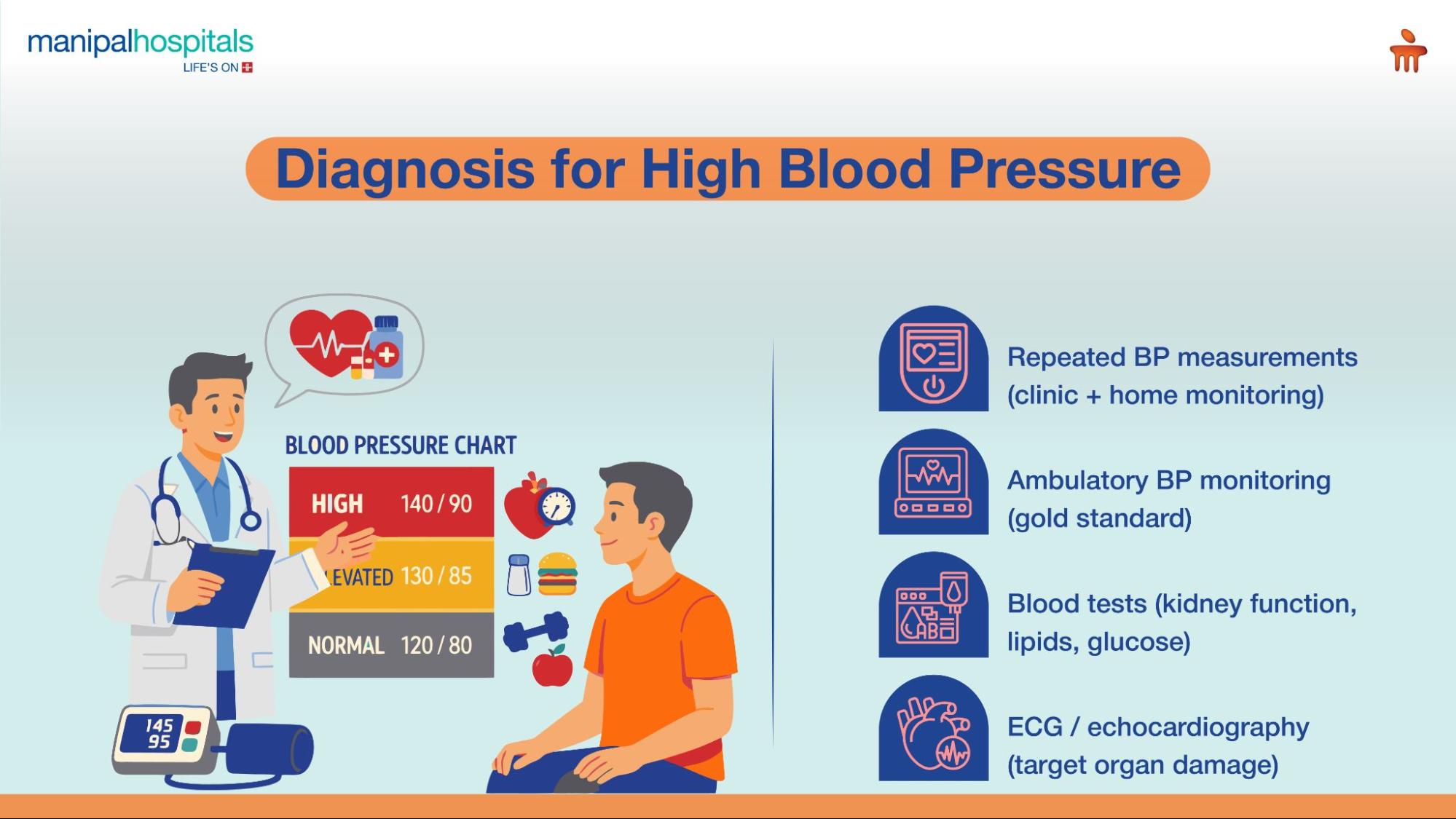
The Link Between High Blood Pressure and Stroke
A stroke occurs when the blood supply to a part of the brain is interrupted, either due to a blockage (ischaemic stroke) or a rupture (haemorrhagic stroke). High Blood Pressure is the leading risk factor for both types.
1. Damage to Blood Vessels
Persistent High Blood Pressure causes the inner lining of arteries to become damaged and narrowed. This process, known as atherosclerosis, increases the likelihood of clot formation, which can block blood flow to the brain.
2. Increased Risk of Clot Formation
When arteries become stiff and narrow due to High Blood Pressure, blood flow becomes irregular. This encourages clot formation, which can travel to the brain and trigger an ischaemic stroke.
3. Weakening of Blood Vessel Walls
Over time, High Blood Pressure weakens arterial walls, making them prone to rupture. This can lead to a haemorrhagic stroke, which is often more severe and life-threatening.
4. Reduced Oxygen Supply to the Brain
Because High Blood Pressure affects circulation, it can reduce the amount of oxygen reaching brain tissue. This makes the brain more vulnerable to damage during even minor disruptions in blood flow.
Why High Blood Pressure Often Goes Unnoticed
One of the biggest dangers of High Blood Pressure is that it develops silently. Most individuals do not experience symptoms until complications arise. Occasionally, people may notice headaches, dizziness, or blurred vision, but these are not reliable indicators.
This is why regular health check-ups are essential. Early detection of High Blood Pressure can significantly reduce the risk of stroke and other complications.
Early Warning Signs of Stroke
While High Blood Pressure itself may not show symptoms, a stroke often presents sudden warning signs. Recognising these signs can save lives:
-
Sudden numbness or weakness in the face, arm, or leg (especially on one side)
-
Difficulty speaking or understanding speech
-
Sudden confusion
-
Loss of balance or coordination
-
Severe headache with no known cause
Immediate medical attention is critical when these symptoms appear.
How to Reduce High Blood Pressure
Understanding how to reduce high blood pressure is key to preventing stroke. Lifestyle modifications play a major role in controlling hypertension and improving overall health.
-
Healthy Diet - Adopting a balanced diet rich in fruits, vegetables, whole grains, and lean proteins can significantly lower High Blood Pressure. Reducing salt intake is particularly important.
-
Regular Exercise - Physical activity helps maintain a healthy weight and improves heart health, both of which are essential in managing High Blood Pressure.
-
Weight Management - Being overweight increases the strain on the heart, contributing to High Blood Pressure. Even modest weight loss can make a difference.
-
Stress Management - Chronic stress can contribute to High Blood Pressure. Techniques such as meditation, yoga, and deep breathing can help.
-
Avoiding Tobacco and Excess Alcohol - Smoking and excessive alcohol consumption worsen High Blood Pressure and increase stroke risk.
High Blood Pressure Remedies
Several effective high blood pressure remedies can help control hypertension naturally and medically:
-
Reducing sodium intake
-
Increasing potassium-rich foods
-
Staying hydrated
-
Practising relaxation techniques
-
Maintaining a consistent sleep schedule
While these high blood pressure remedies are beneficial, they should complement, not replace, professional medical advice.
High Blood Pressure Treatment Options
Proper high blood pressure treatment is essential for preventing complications such as stroke. Treatment plans are typically personalised based on the severity of the condition and individual health factors.
-
Medications - Doctors may prescribe medications to control High Blood Pressure.
-
Regular Monitoring - Tracking blood pressure levels helps ensure that treatment is effective and allows for timely adjustments.
-
Long-Term Care - Managing High Blood Pressure is a lifelong commitment. Consistent follow-up and adherence to prescribed treatments are crucial.
The Importance of Early Intervention
Early diagnosis and management of High Blood Pressure can significantly reduce the risk of stroke. Routine screenings, especially for individuals with risk factors such as obesity, diabetes, or a family history of hypertension, are essential.
Ignoring High Blood Pressure can lead to irreversible damage. However, with timely intervention and proper care, the risks can be effectively managed.
Conclusion
High Blood Pressure is a silent yet powerful contributor to stroke. Its ability to damage blood vessels over time without obvious symptoms makes it particularly dangerous. By understanding how High Blood Pressure leads to stroke and taking proactive steps to manage it, individuals can significantly reduce their risk.
Focusing on prevention, early detection, and appropriate treatment for high blood pressure, along with adopting healthy lifestyle habits and exploring reliable high blood pressure remedies, can make a life-saving difference. Knowing how to reduce high blood pressure is not just about improving heart health; it is about protecting the brain and ensuring long-term well-being.
Frequently Asked Questions
Yes, High Blood Pressure often causes damage silently. Even without symptoms, it can significantly increase the risk of stroke over time.
While there is no instant fix, lifestyle changes such as reducing salt intake, exercising, and stress management are effective ways to reduce high blood pressure.
High blood pressure remedies can support management, but many individuals require medical high blood pressure treatment for effective control.
Adults should check their blood pressure at least once every 6–12 months, or more frequently if diagnosed with High Blood Pressure.
In some cases, lifestyle changes can significantly improve or normalise High Blood Pressure, but ongoing management is usually required.
Share this Article


Recent Blogs
Aortic Stenosis: Early Symptoms You Should Not Ignore
06 Oct 20267 Min Read
Heart valve disorders often develop gradually, making them easy to overlook until they begin affecting daily life. Aortic stenosis is one such condition that can remain silent for years before causing serious complications. Recognising the warning signs early can help prevent life-threatening outcomes and improve long-term heart health. If you or a loved one notices symptoms that could indicate aortic stenosis, seeking timely evaluation from our cardiologists in Patiala can make a significant difference. In this guide, you'll learn about the early signs of aortic stenosis, its causes, risk factors, diagnosis, available aortic stenosis treatment options, and when you should seek medical care.
Read Nowलिवर के स्वास्थ्य के लिए भोजन: स्वस्थ लिवर के लिए क्या खाएं और क्या न खाएं – पूरी डाइट गाइड
10 Jun 20266 Min Read
लिवर शरीर का एक अत्यंत महत्वपूर्ण अंग है, जो शरीर से विषैले पदार्थों को बाहर निकालने, पाचन में सहायता करने, पोषक तत्वों को स्टोर करने और मेटाबॉलिज्म को नियंत्रित करने का कार्य करता है। लेकिन खराब खानपान, अत्यधिक शराब सेवन, मोटापा और अनियमित जीवनशैली के कारण आज लिवर से जुड़ी बीमारियां तेजी से बढ़ रही हैं। ऐसे में सही लिवर के स्वास्थ्य के लिए भोजन चुनना बेहद जरूरी हो जाता है। संतुलित डाइट न केवल फैटी लिवर, हेपेटाइटिस और लिवर इंफ्लेमेशन के खतरे को कम करती है, बल्कि लिवर की कार्यक्षमता को भी बेहतर बनाती है। इस लेख में हम विस्तार से समझेंगे कि स्वस्थ लिवर के लिए क्या खाना चाहिए, किन चीजों से बचना चाहिए, कौन-से लिवर डिटॉक्स करने वाले खाद्य पदार्थ फायदेमंद होते हैं और कब डॉक्टर से सलाह लेना जरूरी हो जाता है।
Read NowCancer screening tests every adult over 40 should get done
08 Jun 20267 Min Read
Turning 40 is an important milestone for preventive healthcare. As age increases, the risk of developing several types of cancer also rises significantly. While many cancers may not cause noticeable symptoms in their early stages, timely cancer screening tests can help detect abnormalities before the disease progresses. Early diagnosis often improves treatment success, survival rates, and long-term health outcomes. Understanding which cancer screening tests are recommended after 40 can help individuals make informed decisions about preventive healthcare and reduce the risk of delayed cancer diagnosis. At Manipal Hospitals, our oncologists in Patiala encourage proactive cancer prevention through evidence-based screening programmes tailored to age, family history, lifestyle, and individual risk factors.
Read NowPolycystic kidney disease (PKD): understanding a hereditary condition
08 Jun 20266 Min Read
Kidney diseases often progress silently, but some inherited conditions begin affecting the body long before obvious warning signs appear. One such condition is Polycystic Kidney Disease (PKD), a genetic disorder that gradually damages the kidneys over time. Recognising polycystic kidney disease symptoms early can help prevent severe complications and improve long-term kidney health. In this detailed guide, we explain everything you need to know about PKD, including causes, early warning signs, diagnosis, kidney disease treatment options, dietary care, and when to seek medical attention.
Read NowHip replacement surgery: complete guide to procedure and recovery
05 Jun 20267 Min Read
Chronic hip pain can severely affect mobility, independence, sleep quality, and overall quality of life. When medications, physiotherapy, and lifestyle modifications no longer provide relief, hip replacement surgery may become the most effective solution for restoring movement and reducing pain. Modern hip replacement surgery has transformed the lives of millions of patients worldwide by improving joint function, reducing disability, and enabling people to return to everyday activities with greater comfort. Understanding the procedure, recovery process, expected outcomes, and possible hip replacement complications can help patients make informed treatment decisions. At Manipal Hospitals, our orthopaedics in Patiala provide advanced joint replacement care using evidence-based surgical techniques and personalised rehabilitation plans to optimise patient recovery and long-term mobility.
Read NowMigraine vs Tension Headache: Symptoms, Differences and How to Identify the Cause
05 Jun 20267 Min Read
Headaches are among the most common neurological complaints worldwide, yet many people struggle to identify the exact cause of their pain. Understanding the difference between migraine and tension headaches is essential because each condition has distinct triggers, symptoms, and headache treatment approaches. While some headaches are mild and temporary, others may indicate more severe headache causes that require medical attention. Recognising headache types early can help patients receive faster diagnosis, better headache relief, and improved quality of life. At Manipal Hospitals, our neurologists in Patiala evaluate a wide range of headache disorders using advanced neurological assessment and personalised treatment strategies to identify the underlying severe headache causes affecting each patient.
Read NowAtrial fibrillation (AFib): causes, risks and when to seek help
03 Jun 20267 Min Read
Heart rhythm disturbances are becoming increasingly common across all age groups, yet many people ignore the early warning signs until serious complications occur. Among the most prevalent forms of heart rhythm disorder is atrial fibrillation (AFib), a condition that can silently increase the risk of stroke, heart failure, and other cardiovascular complications if left untreated. Understanding atrial fibrillation symptoms, recognising atrial fibrillation causes, and knowing when to seek medical attention can significantly improve outcomes. With timely atrial fibrillation treatment, patients can effectively manage symptoms, restore heart rhythm stability, and reduce long-term risks. At Manipal Hospitals, our cardiologists in Patiala provide comprehensive evaluation and advanced atrial fibrillation treatment plans tailored to each patient’s condition, lifestyle, and cardiovascular risk profile.
Read NowRun Pain-Free: A Comprehensive Guide to Runner's Knee Management at Manipal Hospitals Patiala
13 May 20267 Min Read
For many active individuals, particularly runners, knee pain can be a frustrating roadblock. Among the most common culprits is a condition known as Runner's Knee, or Patellofemoral Pain Syndrome (PFPS). This isn't just an inconvenience; it's a signal from your body that something needs attention. Our dedicated team of orthopaedics in Patiala understands the impact such conditions have on your daily life and performance. We are committed to providing comprehensive solutions for effective knee pain treatment, helping you get back on your feet and back to your passion. Runner's knee affects an estimated 25% of all runners at some point in their careers, making it one of the most prevalent running-related injuries. But it's not exclusive to runners; cyclists, hikers, and even those with physically demanding jobs can experience it. The good news is that with proper diagnosis and tailored treatment, over 90% of individuals with Runner's Knee experience significant improvement and often full recovery. Understanding its causes, recognising the symptoms, and knowing how to prevent it are crucial steps towards maintaining an active, pain-free lifestyle.
Read NowEarly Diagnosis of Heart Failure Improves Outcomes by 40%: Know the Signs
13 May 20268 Min Read
Heart failure, often misunderstood as the heart stopping, is actually a chronic, progressive condition where the heart muscle cannot pump enough blood to meet the body's needs. This vital organ works tirelessly, but when its function is impaired, it can lead to a cascade of symptoms that, if recognised early, can significantly alter the course of the disease and improve quality of life. Our cardiologists in Patiala believe in empowering our patients with knowledge, enabling timely action that can make a profound difference. Understanding the early signs—such as breathlessness, swelling, and persistent tiredness—is your first step towards safeguarding your heart health.
Read NowHow High Blood Pressure Silently Leads to Stroke
13 May 20266 Min Read
High Blood Pressure is often referred to as a “silent killer” - and for good reason. Many people live with High Blood Pressure for years without noticeable symptoms, unaware that it is steadily damaging their blood vessels and increasing their risk of life-threatening conditions like stroke. Our neurologists in Patiala frequently see patients who were unaware of their condition until a serious complication occurred. Understanding how High Blood Pressure contributes to stroke is crucial for prevention, early detection, and timely intervention, which is why our neurologists in Patiala emphasise proactive screening and education.
Read Now