


Is Bariatric Surgery Safe For You
Reviewed by: Dr. Pankaj Kumar Garg
Posted on
6 Min Read

Not sure what you’re looking for?
Get in touch with our representatives for help!
Contact UsObesity is a complex, chronic disorder that significantly contributes to the development of various non-communicable diseases such as heart disease, diabetes, and hypertension. India, with one of the fastest-growing obesity rates, is home to around 350 million people suffering from obesity. This surge can be largely attributed to consuming a diet rich in saturated fats, refined sugars, preservatives, and a lack of exercise.
Obesity rates In 2022, India's obesity rate was 9.8% for women and 5.4% for men. This is up from 1.2% for women and 0.5% for men in 1990.
As per 2019 data, there has been a noticeable rise in the number of bariatric surgery procedures performed in India, as many individuals seek therapies to prevent severe health consequences associated with obesity. In this blog post, we will explore the safety, benefits, and risks of bariatric procedures to help determine if it's the right choice for your health.
Obesity-Related Complications and Their Impact
Obesity contributes to non-communicable diseases like cardiovascular diseases, joint disorders, and sleep apnea. It also imposes a significant economic and psychological burden, affecting mental health and quality of life.
What Is Bariatric Surgery?

Bariatric surgery, also called weight loss surgery, is a surgical procedure designed to help individuals with obesity manage or lose weight to improve their overall health. It alters the digestive tract in such a way that it reduces food consumption, absorption, and appetite, creating a feeling of fullness. These procedures provide more reliable and sustained fat loss than traditional diet, exercise, and medications.
Eligibility to Undergo Bariatric Surgery
To be eligible for bariatric surgery, you must meet the following criteria:
-
A body mass index (BMI) of 40 or above
-
A BMI of 35 to 39.9 with serious obesity-related health problems like type 2 diabetes, high blood pressure, or severe apnea.
-
In some cases, a BMI of 30 to 34 with a serious obesity-related health problem.
However, not everyone meeting the eligibility criteria can undergo weight loss surgery. They must undergo extensive screening procedures and be willing to make permanent changes to lead a healthier lifestyle post-surgery.
Consult our general surgeon in Patiala if you need to undergo bariatric surgery for weight loss.
Types of Bariatric Surgery
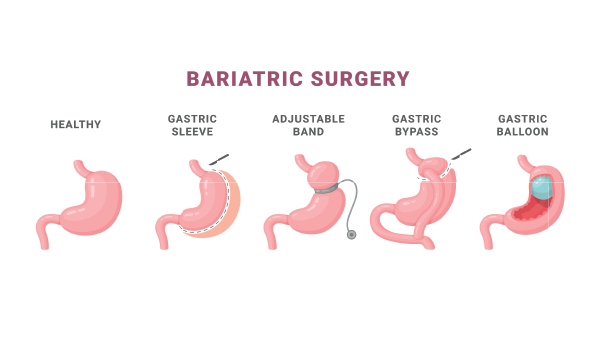
The International Federation for the Surgery of Obesity (IFSO) recognizes five standard procedures:
-
Laparoscopic Sleeve Gastrectomy: The size of the stomach is significantly reduced with staples, resembling a banana, significantly restricting food intake.
-
Laparoscopic Roux-En-Y Gastric Bypass: A three-step procedure that divides the stomach to create a small pouch and reroutes the intestine to bypass a major portion of the digestive system, decreasing calorie absorption.
-
Laparoscopic Adjustable Gastric Banding: A ring with an inflatable balloon is placed in the upper portion of the stomach, creating a small pouch that restricts calorie intake.
-
Biliopancreatic Diversion with Duodenal Switch: Similar to sleeve gastrectomy, but the intestine is partitioned into two tracts; the food passes through one tract bypassing most parts of the small intestine, leading to fewer calories and nutrients absorbed.
-
Laparoscopic Mini-Gastric Bypass: A new tube-like stomach is formed and attached to the intestine by bypassing 2 to 7 feet of its length, limiting calorie intake and nutrient absorption.
Pre-Surgery Preparations
Importance of Pre-Surgery Preparations
-
Crucial for the success of bariatric surgery.
-
Helps in reducing surgical risks and improving recovery outcomes.
Components of Pre-Surgery Preparations
1. Pre-Surgery Diet and Lifestyle Changes
-
Adopt a healthy diet to reduce liver size and improve surgical safety.
-
Increase physical activity to enhance overall fitness and surgical outcomes.
2. Physical Exams
-
Comprehensive medical evaluation to assess overall health.
-
Tests may include blood work, imaging studies, and cardiac evaluations.
3. Psychological Assessments
- Evaluate mental readiness and identify any psychological issues.
-
Address potential eating disorders, depression, or anxiety.
4. Nutritional Counseling
-
Guidance on dietary changes is needed before and after surgery.
-
Education on portion control, nutrient-dense foods, and hydration
Post-Surgery Lifestyle Changes
Commitment to Lifelong Changes
-
Essential for maintaining the benefits of bariatric surgery.
-
Involves continuous adherence to dietary and exercise recommendations.
Components of Post-Surgery Lifestyle Changes
1. Diet Plan
-
Follow a structured diet plan to ensure adequate nutrition.
-
Focus on high-protein, low-sugar, and low-fat foods.
-
Gradual progression from liquid to solid foods.
2. Managing Nutritional Deficiencies
-
Regular intake of prescribed vitamins and minerals.
-
Monitor for deficiencies in iron, calcium, vitamin B12, and others.
3. Exercise Routine
-
Incorporate regular physical activity to aid weight loss and improve fitness.
-
Start with low-impact exercises and gradually increase intensity.
Psychological Aspects of Bariatric Surgery
Emotional Challenges
-
Patients may experience body image concerns, food addiction, or emotional eating.
-
Psychological support is crucial for addressing these issues.
Support Systems
1. Counselling
-
Professional counselling to help cope with emotional changes.
-
Address issues like self-esteem, depression, and anxiety.
2. Support Groups
-
Join support groups for shared experiences and encouragement.
-
Provides a platform for discussing challenges and successes.
Advanced Technologies in Bariatric Surgery
Technological Advancements
-
Innovations like robotic-assisted surgery and AI-enabled planning enhance precision and outcomes.
Benefits of Advanced Techniques
1. Robotic-Assisted Surgery
-
Greater precision and control during surgery.
-
Reduced risk of complications and faster recovery times.
2. AI-Enabled Pre-Surgery Planning
-
Improved surgical planning and personalized treatment strategies.
-
Enhanced prediction of surgical outcomes and potential risks.
Risks and Myths of Bariatric Surgery
|
Risks |
Description |
|
Short-Term Risks |
|
|
Bleeding |
Can occur during or after surgery, requiring medical intervention. |
|
Leaks |
Potential for leaks at the surgical site, which can be life-threatening if not managed promptly. |
|
Long-Term Risks |
|
|
Dumping Syndrome |
Rapid passage of food through the digestive tract, causing nausea, fatigue, and diarrhoea. |
|
Kidney Stones |
Changes in nutrient absorption can increase the risk of kidney stones. |
|
Weight Regain |
Possibility of not losing the desired weight or regaining weight post-procedure. |
|
Nutritional Deficiency |
Reduced food absorption may lead to deficiencies in essential nutrients. |
|
Myths |
Description |
|
Bariatric Surgery is a Shortcut to Weight Loss |
Surgery is a tool, not a quick fix; requires lifestyle changes for success. |
|
"It Eliminates the Need for Diet and Exercise" |
Ongoing commitment to healthy eating and physical activity is essential. |
Alternatives to Bariatric Surgery
Alternative weight loss options like medical weight loss programs, prescription medications, and non-surgical procedures like endoscopic sleeve gastroplasty can be considered. These alternatives vary in effectiveness and risks compared to bariatric surgery.
What Are the Side Effects of Bariatric Surgery?
Bariatric surgery side effects are minimal in comparison to the complications arising from obesity. Short-term bariatric surgery risks experienced by patients include bleeding and leaks, which have the potential to turn life-threatening if not managed. Long-term bariatric surgery complications may include:
-
Dumping syndrome: Develops when food passes too quickly through the digestive tract, causing nausea, fatigue, and diarrhoea
-
Kidney stones: Changes in nutrient absorption increase your risk of kidney stones
-
Weight regain: You may not lose the desired weight or regain weight post-procedure
-
Nutritional deficiency: Limitation in food absorption may lead to nutrition deficiency
Among all the Bariatric Procedures, the side effects of Gastric Bypass Surgery are more pronounced, including malnutrition and gastrointestinal complications.
Consult our general surgery hospital in Patiala if you need to more about bariatric surgery side effects.
Long-Term Outcomes of Bariatric Surgery
Studies highlight long-term benefits like sustained weight loss, reduced risk of diabetes, and improved life expectancy. Avoiding long-term risks like weight regain or malnutrition is crucial.
Role of Multidisciplinary Care Teams
The collaborative role of surgeons, dietitians, psychologists, and physiotherapists ensures the success of bariatric surgery. Integrated care at hospitals like Manipal provides comprehensive support to patients.
Conclusion
Including statistics and references to studies significantly enhances the credibility of discussions on obesity and bariatric surgery. For instance, obesity in India has reached epidemic proportions, with nearly one in every four individuals being overweight. This alarming statistic underscores the urgency of addressing obesity-related health issues.
Additionally, referencing authoritative sources such as the National Family Health Survey (NFHS-5) and the World Health Organization (WHO) provides a solid evidence-based foundation for the information presented. This approach not only strengthens the argument but also builds trust with the audience, as they can verify the data and understand the scientific basis of the claims made. By grounding the narrative in well-documented statistics and credible studies, the blog becomes a more compelling and trustworthy resource for readers seeking reliable information.
For a committed patient, Weight Loss Surgery is an effective tool for losing weight and reducing the impact of obesity-related complications. But it’s important to know that these surgeries have the same risks as any other surgery; therefore, you must have reasonable expectations of what your life will be after surgery. If you are considering Weight Loss Surgery, visit our expert bariatric surgeons at Manipal Hospitals, Patiala, to explore your options.
Frequently Asked Questions
Your surgeon will put you on a special diet 2 to 3 weeks prior to the surgery. This is done to shrink your liver and reduce abdominal fat to make Bariatric Surgery as safe as possible.
After Weight Loss Surgery, most patients take one to two weeks to return to their normal routine or desk jobs. Those involved in jobs requiring heavy labour may take longer.
Since you are at higher risk of developing nutritional deficiency following some Bariatric Surgery, it is recommended that you take some vitamin and mineral supplements, especially iron, calcium, and vitamin D.
It is advised to wait for 12 to 18 months to get pregnant after surgery. Since you will have changes in menstruation due to fluctuating weight, you can become pregnant when you least expect it. Use contraception, preferably IUD, condoms, or spermicide, as birth control pills may not be effective.
To schedule an appointment at Manipal Hospitals, Patiala, contact or visit our website.
Share this Article


Recent Blogs

Aortic Stenosis: Early Symptoms You Should Not Ignore
06 Oct 20267 Min Read
Heart valve disorders often develop gradually, making them easy to overlook until they begin affecting daily life. Aortic stenosis is one such condition that can remain silent for years before causing serious complications. Recognising the warning signs early can help prevent life-threatening outcomes and improve long-term heart health. If you or a loved one notices symptoms that could indicate aortic stenosis, seeking timely evaluation from our cardiologists in Patiala can make a significant difference. In this guide, you'll learn about the early signs of aortic stenosis, its causes, risk factors, diagnosis, available aortic stenosis treatment options, and when you should seek medical care.
Read Nowलिवर के स्वास्थ्य के लिए भोजन: स्वस्थ लिवर के लिए क्या खाएं और क्या न खाएं – पूरी डाइट गाइड
10 Jun 20266 Min Read
लिवर शरीर का एक अत्यंत महत्वपूर्ण अंग है, जो शरीर से विषैले पदार्थों को बाहर निकालने, पाचन में सहायता करने, पोषक तत्वों को स्टोर करने और मेटाबॉलिज्म को नियंत्रित करने का कार्य करता है। लेकिन खराब खानपान, अत्यधिक शराब सेवन, मोटापा और अनियमित जीवनशैली के कारण आज लिवर से जुड़ी बीमारियां तेजी से बढ़ रही हैं। ऐसे में सही लिवर के स्वास्थ्य के लिए भोजन चुनना बेहद जरूरी हो जाता है। संतुलित डाइट न केवल फैटी लिवर, हेपेटाइटिस और लिवर इंफ्लेमेशन के खतरे को कम करती है, बल्कि लिवर की कार्यक्षमता को भी बेहतर बनाती है। इस लेख में हम विस्तार से समझेंगे कि स्वस्थ लिवर के लिए क्या खाना चाहिए, किन चीजों से बचना चाहिए, कौन-से लिवर डिटॉक्स करने वाले खाद्य पदार्थ फायदेमंद होते हैं और कब डॉक्टर से सलाह लेना जरूरी हो जाता है।
Read NowCancer screening tests every adult over 40 should get done
08 Jun 20267 Min Read
Turning 40 is an important milestone for preventive healthcare. As age increases, the risk of developing several types of cancer also rises significantly. While many cancers may not cause noticeable symptoms in their early stages, timely cancer screening tests can help detect abnormalities before the disease progresses. Early diagnosis often improves treatment success, survival rates, and long-term health outcomes. Understanding which cancer screening tests are recommended after 40 can help individuals make informed decisions about preventive healthcare and reduce the risk of delayed cancer diagnosis. At Manipal Hospitals, our oncologists in Patiala encourage proactive cancer prevention through evidence-based screening programmes tailored to age, family history, lifestyle, and individual risk factors.
Read NowPolycystic kidney disease (PKD): understanding a hereditary condition
08 Jun 20266 Min Read
Kidney diseases often progress silently, but some inherited conditions begin affecting the body long before obvious warning signs appear. One such condition is Polycystic Kidney Disease (PKD), a genetic disorder that gradually damages the kidneys over time. Recognising polycystic kidney disease symptoms early can help prevent severe complications and improve long-term kidney health. In this detailed guide, we explain everything you need to know about PKD, including causes, early warning signs, diagnosis, kidney disease treatment options, dietary care, and when to seek medical attention.
Read NowHip replacement surgery: complete guide to procedure and recovery
05 Jun 20267 Min Read
Chronic hip pain can severely affect mobility, independence, sleep quality, and overall quality of life. When medications, physiotherapy, and lifestyle modifications no longer provide relief, hip replacement surgery may become the most effective solution for restoring movement and reducing pain. Modern hip replacement surgery has transformed the lives of millions of patients worldwide by improving joint function, reducing disability, and enabling people to return to everyday activities with greater comfort. Understanding the procedure, recovery process, expected outcomes, and possible hip replacement complications can help patients make informed treatment decisions. At Manipal Hospitals, our orthopaedics in Patiala provide advanced joint replacement care using evidence-based surgical techniques and personalised rehabilitation plans to optimise patient recovery and long-term mobility.
Read NowMigraine vs Tension Headache: Symptoms, Differences and How to Identify the Cause
05 Jun 20267 Min Read
Headaches are among the most common neurological complaints worldwide, yet many people struggle to identify the exact cause of their pain. Understanding the difference between migraine and tension headaches is essential because each condition has distinct triggers, symptoms, and headache treatment approaches. While some headaches are mild and temporary, others may indicate more severe headache causes that require medical attention. Recognising headache types early can help patients receive faster diagnosis, better headache relief, and improved quality of life. At Manipal Hospitals, our neurologists in Patiala evaluate a wide range of headache disorders using advanced neurological assessment and personalised treatment strategies to identify the underlying severe headache causes affecting each patient.
Read NowAtrial fibrillation (AFib): causes, risks and when to seek help
03 Jun 20267 Min Read
Heart rhythm disturbances are becoming increasingly common across all age groups, yet many people ignore the early warning signs until serious complications occur. Among the most prevalent forms of heart rhythm disorder is atrial fibrillation (AFib), a condition that can silently increase the risk of stroke, heart failure, and other cardiovascular complications if left untreated. Understanding atrial fibrillation symptoms, recognising atrial fibrillation causes, and knowing when to seek medical attention can significantly improve outcomes. With timely atrial fibrillation treatment, patients can effectively manage symptoms, restore heart rhythm stability, and reduce long-term risks. At Manipal Hospitals, our cardiologists in Patiala provide comprehensive evaluation and advanced atrial fibrillation treatment plans tailored to each patient’s condition, lifestyle, and cardiovascular risk profile.
Read NowRun Pain-Free: A Comprehensive Guide to Runner's Knee Management at Manipal Hospitals Patiala
13 May 20267 Min Read
For many active individuals, particularly runners, knee pain can be a frustrating roadblock. Among the most common culprits is a condition known as Runner's Knee, or Patellofemoral Pain Syndrome (PFPS). This isn't just an inconvenience; it's a signal from your body that something needs attention. Our dedicated team of orthopaedics in Patiala understands the impact such conditions have on your daily life and performance. We are committed to providing comprehensive solutions for effective knee pain treatment, helping you get back on your feet and back to your passion. Runner's knee affects an estimated 25% of all runners at some point in their careers, making it one of the most prevalent running-related injuries. But it's not exclusive to runners; cyclists, hikers, and even those with physically demanding jobs can experience it. The good news is that with proper diagnosis and tailored treatment, over 90% of individuals with Runner's Knee experience significant improvement and often full recovery. Understanding its causes, recognising the symptoms, and knowing how to prevent it are crucial steps towards maintaining an active, pain-free lifestyle.
Read NowEarly Diagnosis of Heart Failure Improves Outcomes by 40%: Know the Signs
13 May 20268 Min Read
Heart failure, often misunderstood as the heart stopping, is actually a chronic, progressive condition where the heart muscle cannot pump enough blood to meet the body's needs. This vital organ works tirelessly, but when its function is impaired, it can lead to a cascade of symptoms that, if recognised early, can significantly alter the course of the disease and improve quality of life. Our cardiologists in Patiala believe in empowering our patients with knowledge, enabling timely action that can make a profound difference. Understanding the early signs—such as breathlessness, swelling, and persistent tiredness—is your first step towards safeguarding your heart health.
Read NowHow High Blood Pressure Silently Leads to Stroke
13 May 20266 Min Read
High Blood Pressure is often referred to as a “silent killer” - and for good reason. Many people live with High Blood Pressure for years without noticeable symptoms, unaware that it is steadily damaging their blood vessels and increasing their risk of life-threatening conditions like stroke. Our neurologists in Patiala frequently see patients who were unaware of their condition until a serious complication occurred. Understanding how High Blood Pressure contributes to stroke is crucial for prevention, early detection, and timely intervention, which is why our neurologists in Patiala emphasise proactive screening and education.
Read Now