


All About Common Kidney Procedures and Kidney Transplant
Reviewed by: Manipal Hospitals
Posted on
5 Min Read

Not sure what you’re looking for?
Get in touch with our representatives for help!
Contact UsKidney procedures play a vital role in managing kidney disease and improving the quality of life for patients. Understanding the options and the intricacies of each procedure can help patients make informed decisions. This blog explores common kidney procedures such as Hemodialysis, Peritoneal Dialysis, Kidney Biopsy, and the complete journey of kidney transplant surgery.
For high-quality care and expertise, Manipal Hospitals Patiala offers advanced kidney procedures and transplant services tailored to each patient's needs.
Common Kidney Procedures
Hemodialysis: What to Expect
Hemodialysis is a life-sustaining procedure for patients with end-stage renal disease (ESRD). This process involves filtering waste, toxins, and excess fluids from the blood using a dialysis machine.
-
Procedure: Blood is drawn from the patient, passed through a dialyzer, and then returned to the body.
-
Frequency: Typically performed three times a week, each session lasting about 3-5 hours.
-
Risks: Risks include low blood pressure, cramping, and infection at the access site.
-
Patient Tips: Maintain a balanced diet and follow fluid intake recommendations for better results.
Peritoneal Dialysis: A Home-Based Alternative
Peritoneal Dialysis (PD) uses the peritoneum (the membrane lining the abdomen) to filter blood internally.
-
Procedure: A catheter is placed in the abdomen to introduce dialysate fluid, which absorbs waste products and is then drained.
-
Types:
-
Continuous Ambulatory Peritoneal Dialysis (CAPD): Performed manually multiple times a day.
-
Automated Peritoneal Dialysis (APD): Performed overnight using a machine.
-
Risks: Common complications include peritonitis (infection), catheter blockages, and hernias.
-
Patient Benefits: Greater flexibility and the ability to manage dialysis at home.
-
Kidney Biopsy: Diagnostic Insights
A kidney biopsy is a diagnostic procedure to determine the cause of kidney problems.
-
Procedure: A small tissue sample is taken from the kidney using a thin needle, often guided by ultrasound.
-
Uses: Helps diagnose conditions like nephrotic syndrome, kidney inflammation, or rejection in transplant patients.
-
Risks: Risks include bleeding, infection, and discomfort at the biopsy site.
Comprehensive Guide to Kidney Transplant Surgery
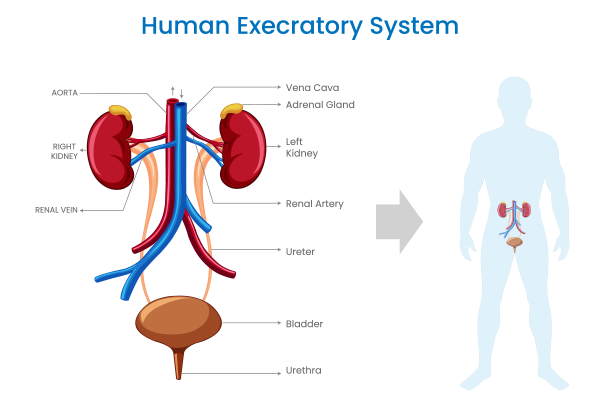
Pre-Transplant Evaluation
Before undergoing kidney transplant surgery, a comprehensive evaluation ensures the patient is fit for the procedure.
-
Medical Tests: Blood tests, imaging studies, and heart function tests are conducted.
-
Psychosocial Evaluation: Ensures patients have the necessary support system post-surgery.
-
Eligibility: Factors like overall health, age, and the presence of chronic diseases determine eligibility.
The Kidney Matching Process
Finding a suitable kidney donor is crucial for transplant success.
-
Living Donors: Often family members or close friends, offering a better match.
-
Deceased Donors: Organs from donors who have recently passed away.
-
Matching Criteria: Includes blood type, tissue type, and cross-matching for antibodies.
Kidney Transplant Surgery Procedure
The surgery typically lasts 3-4 hours and involves placing the new kidney in the lower abdomen.
Surgical Steps:
-
An incision is made in the lower abdomen.
-
The donor kidney is connected to blood vessels and the bladder.
-
The patient’s original kidneys are usually left in place unless infected or enlarged.
Post-Surgical Care and Recovery
Post-surgery care is critical to ensure the kidney functions properly.
-
Medications: Immunosuppressants are prescribed to prevent organ rejection.
-
Follow-Up: Regular monitoring of kidney function through blood tests.
-
Lifestyle Changes: A balanced diet, regular exercise, and avoiding infections are key.
For personalised post-transplant care, Manipal Hospitals Patiala offers dedicated follow-up services and patient education.
Comparison Between Hemodialysis and Peritoneal Dialysis
|
Aspect |
Hemodialysis |
Peritoneal Dialysis |
|
Frequency |
3 times/week |
Daily or overnight |
|
Location |
Dialysis center or home |
Home-based |
|
Flexibility |
Limited by clinic schedule |
More flexible |
|
Infection Risk |
Access site infections |
Peritonitis risk |
What Are the Risks of Kidney Transplant Surgery?
While kidney transplants are generally safe, potential risks include:
-
Rejection: The immune system may attack the new kidney.
-
Infections: Immunosuppressant medications increase the risk of infections.
-
Surgical Complications: Bleeding, blood clots, or leakage at the site of connection.
Conclusion
Kidney transplant surgery and other kidney procedures can greatly improve the quality of life for patients with kidney disease. Understanding each step of the journey and the associated risks helps patients make informed decisions. Contact Manipal Hospitals Patiala today for more information or to consult with the best nephrologist in Patiala. Our dedicated team is here to guide you through every step of your kidney care journey.
Frequently Asked Questions
Costs vary based on factors like the hospital, donor type, and post-surgical care.
Recovery usually takes about 6-8 weeks, but ongoing monitoring is essential.
Eligibility depends on overall health, age, and severity of kidney disease.
Living donor kidneys typically last 15-20 years, while deceased donor kidneys last 10-15 years.
Risks include rejection, infections, and surgical complications.
Share this Article


Recent Blogs

Aortic Stenosis: Early Symptoms You Should Not Ignore
06 Oct 20267 Min Read
Heart valve disorders often develop gradually, making them easy to overlook until they begin affecting daily life. Aortic stenosis is one such condition that can remain silent for years before causing serious complications. Recognising the warning signs early can help prevent life-threatening outcomes and improve long-term heart health. If you or a loved one notices symptoms that could indicate aortic stenosis, seeking timely evaluation from our cardiologists in Patiala can make a significant difference. In this guide, you'll learn about the early signs of aortic stenosis, its causes, risk factors, diagnosis, available aortic stenosis treatment options, and when you should seek medical care.
Read Nowलिवर के स्वास्थ्य के लिए भोजन: स्वस्थ लिवर के लिए क्या खाएं और क्या न खाएं – पूरी डाइट गाइड
10 Jun 20266 Min Read
लिवर शरीर का एक अत्यंत महत्वपूर्ण अंग है, जो शरीर से विषैले पदार्थों को बाहर निकालने, पाचन में सहायता करने, पोषक तत्वों को स्टोर करने और मेटाबॉलिज्म को नियंत्रित करने का कार्य करता है। लेकिन खराब खानपान, अत्यधिक शराब सेवन, मोटापा और अनियमित जीवनशैली के कारण आज लिवर से जुड़ी बीमारियां तेजी से बढ़ रही हैं। ऐसे में सही लिवर के स्वास्थ्य के लिए भोजन चुनना बेहद जरूरी हो जाता है। संतुलित डाइट न केवल फैटी लिवर, हेपेटाइटिस और लिवर इंफ्लेमेशन के खतरे को कम करती है, बल्कि लिवर की कार्यक्षमता को भी बेहतर बनाती है। इस लेख में हम विस्तार से समझेंगे कि स्वस्थ लिवर के लिए क्या खाना चाहिए, किन चीजों से बचना चाहिए, कौन-से लिवर डिटॉक्स करने वाले खाद्य पदार्थ फायदेमंद होते हैं और कब डॉक्टर से सलाह लेना जरूरी हो जाता है।
Read NowCancer screening tests every adult over 40 should get done
08 Jun 20267 Min Read
Turning 40 is an important milestone for preventive healthcare. As age increases, the risk of developing several types of cancer also rises significantly. While many cancers may not cause noticeable symptoms in their early stages, timely cancer screening tests can help detect abnormalities before the disease progresses. Early diagnosis often improves treatment success, survival rates, and long-term health outcomes. Understanding which cancer screening tests are recommended after 40 can help individuals make informed decisions about preventive healthcare and reduce the risk of delayed cancer diagnosis. At Manipal Hospitals, our oncologists in Patiala encourage proactive cancer prevention through evidence-based screening programmes tailored to age, family history, lifestyle, and individual risk factors.
Read NowPolycystic kidney disease (PKD): understanding a hereditary condition
08 Jun 20266 Min Read
Kidney diseases often progress silently, but some inherited conditions begin affecting the body long before obvious warning signs appear. One such condition is Polycystic Kidney Disease (PKD), a genetic disorder that gradually damages the kidneys over time. Recognising polycystic kidney disease symptoms early can help prevent severe complications and improve long-term kidney health. In this detailed guide, we explain everything you need to know about PKD, including causes, early warning signs, diagnosis, kidney disease treatment options, dietary care, and when to seek medical attention.
Read NowHip replacement surgery: complete guide to procedure and recovery
05 Jun 20267 Min Read
Chronic hip pain can severely affect mobility, independence, sleep quality, and overall quality of life. When medications, physiotherapy, and lifestyle modifications no longer provide relief, hip replacement surgery may become the most effective solution for restoring movement and reducing pain. Modern hip replacement surgery has transformed the lives of millions of patients worldwide by improving joint function, reducing disability, and enabling people to return to everyday activities with greater comfort. Understanding the procedure, recovery process, expected outcomes, and possible hip replacement complications can help patients make informed treatment decisions. At Manipal Hospitals, our orthopaedics in Patiala provide advanced joint replacement care using evidence-based surgical techniques and personalised rehabilitation plans to optimise patient recovery and long-term mobility.
Read NowMigraine vs Tension Headache: Symptoms, Differences and How to Identify the Cause
05 Jun 20267 Min Read
Headaches are among the most common neurological complaints worldwide, yet many people struggle to identify the exact cause of their pain. Understanding the difference between migraine and tension headaches is essential because each condition has distinct triggers, symptoms, and headache treatment approaches. While some headaches are mild and temporary, others may indicate more severe headache causes that require medical attention. Recognising headache types early can help patients receive faster diagnosis, better headache relief, and improved quality of life. At Manipal Hospitals, our neurologists in Patiala evaluate a wide range of headache disorders using advanced neurological assessment and personalised treatment strategies to identify the underlying severe headache causes affecting each patient.
Read NowAtrial fibrillation (AFib): causes, risks and when to seek help
03 Jun 20267 Min Read
Heart rhythm disturbances are becoming increasingly common across all age groups, yet many people ignore the early warning signs until serious complications occur. Among the most prevalent forms of heart rhythm disorder is atrial fibrillation (AFib), a condition that can silently increase the risk of stroke, heart failure, and other cardiovascular complications if left untreated. Understanding atrial fibrillation symptoms, recognising atrial fibrillation causes, and knowing when to seek medical attention can significantly improve outcomes. With timely atrial fibrillation treatment, patients can effectively manage symptoms, restore heart rhythm stability, and reduce long-term risks. At Manipal Hospitals, our cardiologists in Patiala provide comprehensive evaluation and advanced atrial fibrillation treatment plans tailored to each patient’s condition, lifestyle, and cardiovascular risk profile.
Read NowRun Pain-Free: A Comprehensive Guide to Runner's Knee Management at Manipal Hospitals Patiala
13 May 20267 Min Read
For many active individuals, particularly runners, knee pain can be a frustrating roadblock. Among the most common culprits is a condition known as Runner's Knee, or Patellofemoral Pain Syndrome (PFPS). This isn't just an inconvenience; it's a signal from your body that something needs attention. Our dedicated team of orthopaedics in Patiala understands the impact such conditions have on your daily life and performance. We are committed to providing comprehensive solutions for effective knee pain treatment, helping you get back on your feet and back to your passion. Runner's knee affects an estimated 25% of all runners at some point in their careers, making it one of the most prevalent running-related injuries. But it's not exclusive to runners; cyclists, hikers, and even those with physically demanding jobs can experience it. The good news is that with proper diagnosis and tailored treatment, over 90% of individuals with Runner's Knee experience significant improvement and often full recovery. Understanding its causes, recognising the symptoms, and knowing how to prevent it are crucial steps towards maintaining an active, pain-free lifestyle.
Read NowEarly Diagnosis of Heart Failure Improves Outcomes by 40%: Know the Signs
13 May 20268 Min Read
Heart failure, often misunderstood as the heart stopping, is actually a chronic, progressive condition where the heart muscle cannot pump enough blood to meet the body's needs. This vital organ works tirelessly, but when its function is impaired, it can lead to a cascade of symptoms that, if recognised early, can significantly alter the course of the disease and improve quality of life. Our cardiologists in Patiala believe in empowering our patients with knowledge, enabling timely action that can make a profound difference. Understanding the early signs—such as breathlessness, swelling, and persistent tiredness—is your first step towards safeguarding your heart health.
Read NowHow High Blood Pressure Silently Leads to Stroke
13 May 20266 Min Read
High Blood Pressure is often referred to as a “silent killer” - and for good reason. Many people live with High Blood Pressure for years without noticeable symptoms, unaware that it is steadily damaging their blood vessels and increasing their risk of life-threatening conditions like stroke. Our neurologists in Patiala frequently see patients who were unaware of their condition until a serious complication occurred. Understanding how High Blood Pressure contributes to stroke is crucial for prevention, early detection, and timely intervention, which is why our neurologists in Patiala emphasise proactive screening and education.
Read Now