


How to Prevent Stroke: Risk Factors and Prevention Tips
Reviewed by: Manipal Hospitals
Posted on
5 Min Read

Not sure what you’re looking for?
Get in touch with our representatives for help!
Contact UsIschemic Stroke is a medical emergency that occurs when blood flow to the brain gets interrupted, leading to brain cell death. Despites its serious nature, strokes can be prevented by effectively managing risk factors and adopting healthy lifestyle choices. Understanding these factors and implementing proactive strategies help ensure successful stroke prevention, offering a future free from this debilitating condition.
This blog is a comprehensive account of factors increasing your risk of getting an ischemic stroke, and essential tips on how to prevent it.
Understanding Risk Factors of Stroke
Identifying the risk factors of ischemic stroke is the first step towards stroke prevention. They can be categorised into modifiable (which can be changed) and non-modifiable (cannot be changed) factors.
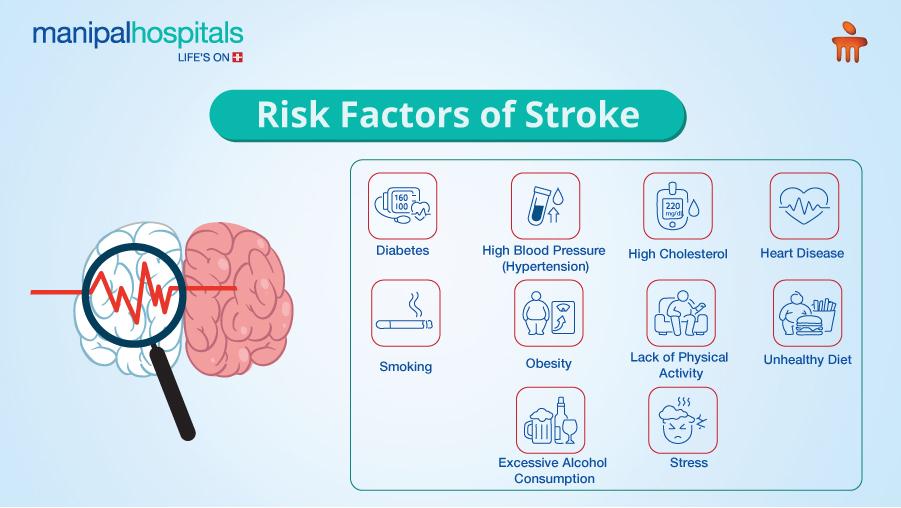
Modifiable Risk Factors
Management of the below modifiable risk factors can help decrease the risk of stroke:
-
High Blood Pressure (Hypertension): Uncontrolled high blood pressure is the most significant risk factor of stroke, as it damages blood vessels.
-
High Cholesterol: Elevated LDL or “bad” cholesterol can lead to plaque build-up in arteries.
-
Diabetes: High blood sugar damages blood vessels over time, increasing blockage and stroke risk.
-
Heart Disease: Conditions like coronary artery disease, heart failure, and atrial fibrillation can lead to blood clots, increasing chances of ischemic stroke.
-
Smoking: It damages blood vessels, thickens blood, and increases plaque build-up.
-
Obesity: Often contributes to high blood pressure, high cholesterol, and diabetes.
-
Lack of Physical Activity: A sedentary lifestyle contributes to obesity, high blood pressure, high cholesterol, and diabetes.
-
Unhealthy Diet: Diets high in saturated fats, Trans fats, cholesterol, and sodium contribute to many risk factors.
-
Excessive Alcohol Consumption: Heavy drinking can raise blood pressure and contribute to atrial fibrillation.
-
Stress: Chronic stress can contribute to high blood pressure and other unhealthy behaviours.
Non-Modifiable Risk Factors
While unchangeable, awareness allows for vigilance in managing modifiable risks.
-
Age: Risk of stroke increases with age, particularly after 55.
-
Family History: Family history of stroke or heart attack increases risk in individuals.
-
Gender: Men tend to get strokes more often, but more women die from strokes.
-
Prior Stroke or TIA: Having had a stroke or a Transient Ischemic Attack (TIA), or "mini-stroke," significantly increases future ischemic stroke risk and serves as a critical warning.
How to Prevent Brain Stroke?
By proactively addressing modifiable risk factors, you can successfully reinforce key stroke prevention actions into your life.
Lifestyle changes play a monumental role in stroke prevention.
-
Embrace a Healthy Diet: Foods that prevent stroke include those high in fibre, potassium, and antioxidants, like fruits, vegetables, whole grains, lean proteins, and healthy fats. Limit red meat, processed foods, sugary drinks, and excessive sodium.
-
Regular Physical Activity: Get at least 30 minutes of exercise daily. This helps manage blood pressure, diabetes, cholesterol, and weight.
-
Maintain a Healthy Weight: Maintaining a healthy body weight will help you prevent stroke.
-
Quit Smoking: Quitting smoking is one of the most impactful steps for how to prevent brain stroke.
-
Limit Alcohol Consumption: If you drink, consume alcohol in moderation – up to one drink per day for women and two for men.
-
Manage Stress: Practice stress-reducing techniques such as meditation, yoga, or deep breathing.
-
Get Sufficient Sleep: Aim for 7-9 hours of quality sleep per night, as poor sleep can contribute to risk factors.
-
Take your Medications Daily: Conditions like diabetes, hypertension, CAD and high cholesterol are often managed by medications. Be sure to take your medications without skipping.
-
Regular Medical Check-ups: Schedule routine appointments to monitor overall health and screen for stroke risk factors. Early detection and intervention are vital.
Conclusion
Preventing a stroke is a journey that involves conscious choices and consistent effort. By understanding the risks and actively implementing prevention strategies, you can dramatically improve your long-term health and safeguard your brain. At Manipal Hospitals Mukundapur, we are committed to empowering our community with the knowledge to lead healthier lives. If you are concerned about your or your loved ones’ health, book an appointment with our Neurology experts at Manipal Hospitals Mukundapur today for comprehensive care.
Frequently Asked Questions
A stroke is a medical emergency where blood flow to the brain is interrupted, causing brain cells to die. Stroke prevention is about safeguarding your brain from a potentially debilitating condition, emphasizing the need for proactive stroke prevention.
The most effective ways to prevent a brain stroke involve controlling blood pressure, managing cholesterol and diabetes, quitting smoking, regular physical activity, and eating a healthy diet.
Focusing on foods that prevent stroke involves a diet rich in fruits, vegetables, whole grains, lean proteins, and healthy fats. Examples include berries, leafy greens, nuts, seeds, whole oats, lentils, and fatty fish. These foods are high in fibre, potassium, and antioxidants, which support cardiovascular health.
Managing conditions like hypertension, diabetes, and heart disease is vital for both stroke prevention and heart attack.
While non-modifiable risk factors like age, gender, race/ethnicity, and family history cannot be changed, diligently managing your modifiable risk factors becomes even more critical. Proactive lifestyle changes and adherence to medical advice can significantly mitigate your overall risk, even with pre-existing non-modifiable factors, effectively contributing to stroke prevention.
Share this Article


Recent Blogs
Spine Care Tips for Women with Desk-Based Jobs and Hormonal Changes
22 Jun 20267 Min Read
Women often face unique challenges when it comes to maintaining their health, and spine care is no exception. Factors like prolonged desk work combined with significant hormonal shifts throughout life can disproportionately impact spine health in women. These factors can lead to issues such as back pain in women and even more severe spine problems in women. Studies show that over 80% of adults will experience back pain at some point in their lives, with women frequently reporting higher incidences, particularly of lower back pain in women. The good news is that with strategically targeted spine care for women, much of this discomfort is preventable and manageable. This blog empowers you with the knowledge and tools to nurture your spinal health proactively.
Read NowTrigeminal Neuralgia: Causes and Surgical Treatment Options
19 Jun 20267 Min Read
Trigeminal Neuralgia (TN), a type of facial nerve disorder, causing one of the most excruciating facial pains known. This is a challenging and debilitating condition that profoundly impacts quality of life. Treatment should essentially be a comprehensive one, from diagnosis to advanced solutions, delivered by experienced neurologists and neurosurgeons using state-of-the-art technology and personalised care. This blog aims to create awareness towards the condition and the advanced Trigeminal neuralgia treatment options available.
Read NowEmpowering Parents: A Guide to Child Surgery Preparation for Robotic Procedures
03 Jun 20267 Min Read
The thought of your child needing surgery can feel overwhelming, but advancements like robotic surgery offer precision, minimal invasiveness, and faster recovery. With the expertise and compassion of experienced surgeons, along with state-of-the-art technology, together they can ensure over 95% success rates in various paediatric procedures. This blog shares useful insights on robotic surgery used in various paediatric treatments and the effective ways of child surgery preparation.
Read Nowম্যালেরিয়ার চিকিৎসা: ঔষধ, সময়কাল এবং আরোগ্যলাভ
29 May 20266 Min Read
ম্যালেরিয়া, মশাবাহিত এমন একটি রোগ যা বিশ্বজুড়ে প্রতি বছর লক্ষ লক্ষ মানুষকে আক্রান্ত করে। ভারতেও এর প্রকোপ যথেষ্ট। সময়মতো ও যথাযথ চিকিৎসা এই রোগ থেকে সম্পূর্ণ আরোগ্য লাভের চাবিকাঠি। সঠিক সময়ে চিকিৎসা শুরু না হলে এই রোগ ফলে জীবনঘাতীও হতে পারে। ফলে, ম্যালেরিয়ার লক্ষণগুলি চেনা এবং দ্রুত বিশেষজ্ঞের পরামর্শ নেওয়া অত্যন্ত জরুরি। বিশ্ব স্বাস্থ্য সংস্থার (WHO) রিপোর্ট অনুযায়ী, আধুনিক ম্যালেরিয়া চিকিৎসা পদ্ধতির কারণে গত এক দশকে ম্যালেরিয়া জনিত মৃত্যু প্রায় ৩০% কমেছে, যা সঠিক চিকিৎসার গুরুত্ব প্রমাণ করে।আপনাদের স্বাস্থ্য নিরাপত্তার স্বার্থে ম্যালেরিয়ার লক্ষণ ও চিকিৎসা ব্যবস্থা সংক্রান্ত প্রয়োজনীয় তথ্য নিয়ে প্রস্তুত আমাদের এই ব্লগ।
Read Nowকেন মূত্রনালীর সংক্রমণ বারবার ফিরে আসে? বারবার মূত্রনালীর সংক্রমণের আসল কারণসমূহ
29 May 20267 Min Read
মূত্রনালীর সংক্রমণ অথবা ইউরিনারি ট্রাক্ট ইনফেকশন (UTI) একটি সাধারণ সমস্যা যা ব্যাক্টেরিয়ার কারণে হয়ে থাকে। সারা বিশ্বে বহু মানুষ, বিশেষ করে মহিলারা, তাদের জীবদ্দশায় অন্তত একবার মূত্রনালির সংক্রমণে আক্রান্ত হন। যদিও বেশিরভাগ ক্ষেত্রে UTI চিকিৎসা ভারত জুড়ে পাওয়া যায়, মহিলাদের ক্ষেত্রে কিন্তু এটি বারবার ফিরে আসতে পারে। এটি কেবল কষ্টদায়কই নয়, বরং দৈনন্দিন জীবনেও বিরূপ প্রভাব ফেলে। এই নিবন্ধে মূত্রনালির সংক্রমণ, ও তার বিরুদ্ধে যা চিকিৎসা প্রকল্প ব্যবহার করা হয়ে থাকে, সেই বিষয়ে বিস্তারে আলোচনা করা হয়েছে।
Read NowHow Extreme Summer Heat Triggers Heart Attacks: The Hidden Cardiac Dangers that Most Don't Know
28 May 20267 Min Read
Rising temperatures often brings outdoor activities and vacations for many, but it also brings the risk of significant health issues, including heart disease. While many times we associate heart problems with genetics or other factors, the extreme heat during summer can also be dangerous for our heart health. This blog is a comprehensive account of how summer heat, especially in extreme levels, can be dangerous for our cardiac health and the important preventive measures that can be taken against the same.
Read NowNavigating Back to the Field: A Step-by-Step Guide to Sports Injury Rehabilitation
27 May 20266 Min Read
For an athlete, an injury can impact more than just physical health – it can disrupt performance, routine, confidence, and goals. Although returning to the game quickly may seem important, a rushed recovery can increase the risk of re-injury and prolonged setbacks. A structured sports injury rehabilitation programme focuses on safe healing, rebuilding strength, restoring mobility, and improving overall performance. Studies show that following a personalised rehabilitation plan can reduce the risk of re-injury by up to 50%. This blog focuses on the significant aspects of sports injury rehabilitation step by step.
Read NowSlip Disc (Herniated Disc): Symptoms, Diagnosis, and Care
27 Apr 20265 Min Read
A slipped disc, also known as a herniated or ruptured disc, is a significant contributor to discomfort caused by back pain. While the term "slipped disc" might sound alarming, it is a treatable condition. Studies show that majority of the individuals suffering from a herniated disc experience significant improvement with non-surgical treatments within a few weeks or months. This blog is a comprehensive account about the symptoms and diagnosis of slip disc, while also helping you explore treatment options.
Read NowHow to Prevent Stroke: Risk Factors and Prevention Tips
27 Apr 20265 Min Read
Ischemic Stroke is a medical emergency that occurs when blood flow to the brain gets interrupted, leading to brain cell death. Despites its serious nature, strokes can be prevented by effectively managing risk factors and adopting healthy lifestyle choices. Understanding these factors and implementing proactive strategies help ensure successful stroke prevention, offering a future free from this debilitating condition. This blog is a comprehensive account of factors increasing your risk of getting an ischemic stroke, and essential tips on how to prevent it.
Read NowTotal Hip Replacement (THR): When Is Surgery Needed?
13 Apr 20266 Min Read
Chronic hip pain can significantly impact your daily life. Persistent discomfort, stiffness, and reduced mobility may become chronic issues for you if non-surgical treatments have failed to help. A total hip replacement might be the life-changing solution you need in such a case. This highly effective procedure can restore function and dramatically alleviate pain, guiding you towards recovery. Patients often consider total hip replacement surgery after exhausting all other treatment options. This blog explores the indicators and benefits of this significant procedure.
Read Now