


Kidney Profile Test: Normal Range and Why It Matters
Reviewed by: Manipal Hospitals
Posted on
6 Min Read

Not sure what you’re looking for?
Get in touch with our representatives for help!
Contact UsYour kidneys silently perform some of the most important functions in the body every single day. They filter waste, regulate blood pressure, maintain electrolyte balance, and help keep your body healthy. Yet many kidney problems develop without noticeable symptoms until significant damage has already occurred. This is why a kidney profile test is one of the most important health investigations for early detection and prevention.
At our hospital, our nephrologists in Ghaziabad frequently emphasise the importance of routine kidney screening, particularly for individuals with diabetes, hypertension, obesity, or a family history of kidney disease.
In this guide, we explain what a kidney profile test measures, the kidney function test normal range, how to interpret results, and when you should seek medical attention.
What Is a Kidney Profile Test?
A kidney profile test is a comprehensive blood and urine assessment that evaluates how effectively your kidneys are functioning. It is commonly used to detect kidney disorders, monitor existing kidney disease, and assess overall renal health.
A standard kidney profile test may include:
-
Serum creatinine
-
Blood urea nitrogen (BUN)
-
Estimated Glomerular Filtration Rate (eGFR)
-
Uric acid levels
-
Electrolyte levels (sodium, potassium, chloride)
-
Urine routine examination
-
Protein and albumin assessment
Since kidney conditions often progress silently, a kidney profile test helps identify problems before severe complications develop.
Why Is a Kidney Function Test Important?
A kidney function test provides valuable information about how well your kidneys are filtering blood and removing waste products.
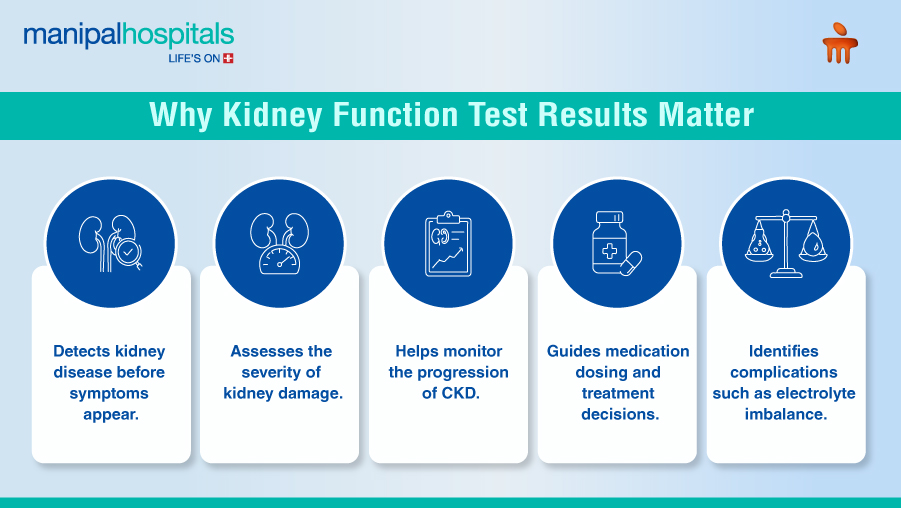
Early testing can help:
-
Detect kidney disease before symptoms appear
-
Monitor diabetes-related kidney complications
-
Assess hypertension-related kidney damage
-
Evaluate medication effects on kidney health
-
Prevent progression to chronic kidney failure
Regular kidney function test screening can significantly improve treatment outcomes and preserve kidney function for years.
Kidney Function Test Normal Range: Understanding Your Results
Knowing the kidney function test normal range can help you better understand your laboratory report.
Serum Creatinine
The creatinine test measures creatinine, a waste product produced by muscles.
Normal Creatinine Levels
Typical normal creatinine levels include the following:
|
Category |
Normal Range |
|
Adult Men |
0.7 – 1.3 mg/dL |
|
Adult Women |
0.6 – 1.1 mg/dL |
However, ranges may vary slightly depending on laboratory standards.
Estimated Glomerular Filtration Rate (eGFR)
eGFR estimates how effectively your kidneys filter waste.
|
eGFR Value |
Kidney Function |
|
90 or above |
Normal |
|
60–89 |
Mild reduction |
|
30–59 |
Moderate kidney disease |
|
15–29 |
Severe kidney disease |
|
Below 15 |
Kidney failure |
Blood Urea Nitrogen (BUN)
Normal BUN levels generally range from 7–20 mg/dL.
Electrolytes
The kidney profile test also evaluates electrolyte balance, which is critical for nerve, muscle, and heart function.
What Does a Creatinine Test Reveal?
A creatinine test is among the most important components of a kidney profile test.
When kidneys function properly, creatinine is efficiently removed from the bloodstream. Elevated levels may indicate impaired kidney filtration.
The creatinine test is particularly useful for:
-
Detecting kidney dysfunction
-
Monitoring chronic kidney disease
-
Evaluating treatment effectiveness
-
Assessing kidney health before surgeries or certain medications
Understanding normal creatinine levels allows doctors to identify abnormalities early and intervene promptly.
High Creatinine Causes: Why Your Levels May Increase
Many patients are concerned when laboratory reports show elevated creatinine. Several high creatinine causes may contribute to abnormal results.
Common high creatinine causes include the following:
-
Acute kidney injury
-
Dehydration
-
High blood pressure
-
Urinary tract obstruction
-
Certain medications
-
Excessive protein intake
-
Severe muscle injury
Because elevated creatinine does not always indicate permanent damage, doctors often recommend additional evaluation through a complete kidney profile test.
Kidney Disease Symptoms You Should Never Ignore
Many individuals experience subtle kidney disease symptoms that are easy to overlook.
Common kidney disease symptoms include:
-
Persistent fatigue
-
Swelling of feet, ankles, or hands
-
Frequent urination, especially at night
-
Reduced urine output
-
Blood in urine
-
Foamy urine
-
Poor appetite
-
Nausea
-
Difficulty concentrating
-
Muscle cramps
Early identification of kidney disease symptoms can help prevent irreversible kidney damage.
Chronic Kidney Disease Symptoms: Early Warning Signs
The challenge with chronic kidney disease symptoms is that they often develop gradually.
Typical chronic kidney disease symptoms may include the following:
-
Fluid retention
-
Sleep disturbances
-
Persistent nausea
Because chronic kidney disease symptoms may go unnoticed for years, routine screening of kidney profile tests is strongly recommended for high-risk individuals.
Kidney Damage Symptoms: When Immediate Medical Attention Is Needed
Certain kidney damage symptoms require prompt evaluation by a specialist.
Watch for:
-
Sudden swelling
-
Severe reduction in urination
-
Persistent flank pain
-
Blood in urine
-
Uncontrolled high blood pressure
-
Severe fatigue
-
Shortness of breath
If you experience these kidney damage symptoms, seek medical assessment without delay.
Who Should Get a Kidney Profile Test?
A kidney profile test is highly recommended for:
-
Individuals with diabetes
-
Patients with hypertension
-
People above 40 years of age
-
Individuals with obesity
-
Smokers
-
Those with a family history of kidney disease
-
Patients taking long-term medications affecting the kidneys
For high-risk patients, our nephrologists in Ghaziabad often recommend annual kidney screening to ensure early detection and timely intervention.
How Often Should You Have a Kidney Function Test?
The frequency of a kidney function test depends on your health profile.
General recommendations include:
-
Healthy adults: Every 1–2 years
-
Diabetic patients: At least annually
-
Hypertensive patients: Annually or as advised
-
Existing kidney disease patients: More frequent monitoring
Regular testing enables our nephrologists in Ghaziabad to identify changes early and create personalised treatment plans.
When Should You Consult a Kidney Specialist?
Do not wait for symptoms to worsen before seeking expert advice.
Consult our kidney specialist in Ghaziabad if you have:
-
Abnormal kidney test results
-
Persistent swelling
-
Diabetes with kidney concerns
-
High blood pressure affects kidney function
-
Recurrent urinary infections
-
Family history of kidney disease
Early diagnosis often leads to better outcomes and reduced complications.
Protect Your Kidneys Before Problems Begin
A simple kidney profile test can reveal important information about your kidney health long before symptoms appear. Understanding your kidney function test normal range, monitoring normal creatinine levels, and recognising potential kidney damage symptoms can help prevent serious complications.
Routine screening, healthy lifestyle choices, and timely medical intervention remain the most effective ways to preserve kidney function. If you are at risk or experiencing any concerning symptoms, schedule an evaluation with our nephrologists in Ghaziabad to safeguard your long-term health.
Frequently Asked Questions
A kidney profile test typically includes serum creatinine, eGFR, blood urea nitrogen, electrolytes, uric acid levels, and urine analysis to evaluate overall kidney function.
Normal creatinine levels generally range from 0.7–1.3 mg/dL in men and 0.6–1.1 mg/dL in women, although slight variations may occur between laboratories.
Yes. A kidney function test can identify abnormalities before significant symptoms develop, allowing earlier diagnosis and treatment.
Common high creatinine causes include chronic kidney disease, dehydration, uncontrolled diabetes, hypertension, urinary tract obstruction, and certain medications.
Most healthy adults should consider a kidney profile test every one to two years, while individuals with diabetes, hypertension, or kidney disease may require more frequent monitoring.
Share this Article


Recent Blogs

Kidney Profile Test: Normal Range and Why It Matters
17 Jun 20266 Min Read
Your kidneys silently perform some of the most important functions in the body every single day. They filter waste, regulate blood pressure, maintain electrolyte balance, and help keep your body healthy. Yet many kidney problems develop without noticeable symptoms until significant damage has already occurred. This is why a kidney profile test is one of the most important health investigations for early detection and prevention. At our hospital, our nephrologists in Ghaziabad frequently emphasise the importance of routine kidney screening, particularly for individuals with diabetes, hypertension, obesity, or a family history of kidney disease. In this guide, we explain what a kidney profile test measures, the kidney function test normal range, how to interpret results, and when you should seek medical attention.
Read NowDifference Between Benign and Malignant Tumors
12 Jun 20267 Min Read
Discovering a lump or abnormal growth in the body can be alarming. One of the first questions people ask is whether it is cancerous or non-cancerous. Understanding the difference between benign and malignant tumours is essential because it helps patients make informed decisions about diagnosis, treatment, and long-term health management. At the earliest sign of an unusual growth, consulting our oncologists in Ghaziabad can help ensure timely evaluation and appropriate treatment. While not every tumour is cancerous, identifying the difference between benign and malignant tumours at an early stage can significantly impact outcomes. In this comprehensive guide, we explain the difference between benign and malignant tumours, their symptoms, causes, diagnosis, treatment options, and when to seek medical attention.
Read NowBotox for Migraines: Benefits, Cost, Eligibility and Expected Results | A Modern Migraine Treatment Guide
12 Jun 20267 Min Read
Migraines can be far more than just a headache. For many people, they are a debilitating neurological condition that interferes with work, sleep, productivity and overall quality of life. While conventional migraine treatment options such as medications and lifestyle modifications help many patients, some individuals continue to experience persistent attacks despite multiple therapies. In such cases, Botox injections have emerged as an effective and clinically proven migraine treatment for chronic sufferers. At the first sign of recurring headaches, consulting our neurologists in Ghaziabad can help identify the most suitable treatment pathway and prevent the condition from worsening. If you experience frequent migraine episodes every month, understanding how Botox works, who qualifies for it, its benefits, expected results and costs can help you make an informed healthcare decision.
Read NowNormal cholesterol levels by age — what your lipid profile numbers mean
10 Jun 20267 Min Read
Heart disease remains one of the leading health concerns worldwide, making regular monitoring of cholesterol levels essential. A lipid profile test is one of the most important investigations for assessing cardiovascular risk, identifying abnormal cholesterol levels, and protecting long-term heart health. If you're unsure whether your cholesterol numbers are healthy, understanding the results of a lipid profile test can help you take timely action. At routine screenings, our cardiologists in Ghaziabad often meet patients who are confused about what their cholesterol report actually means. Understanding your cholesterol levels is the first step towards preventing serious heart complications and maintaining optimal wellbeing.
Read Nowकब्ज़ का सही इलाज — कारण, लक्षण और घरेलू उपाय
10 Jun 20265 Min Read
कब्ज़ आज की सबसे आम पाचन समस्याओं में से एक है, लेकिन इसे नज़रअंदाज़ करना आगे चलकर कई स्वास्थ्य समस्याओं का कारण बन सकता है। यदि आप बार-बार कब्ज़ का सामना कर रहे हैं और कब्ज़ का इलाज खोज रहे हैं, तो सही जानकारी और समय पर कदम उठाना बेहद ज़रूरी है. गाजियाबाद में हमारे गैस्ट्रोएंटेरोलॉजिस्ट बताते हैं कि जीवनशैली, खान-पान और कुछ चिकित्सीय स्थितियाँ कब्ज़ के पीछे प्रमुख कारण हो सकती हैं। इस लेख में हम कब्ज़ का इलाज, कब्ज़ के कारण, कब्ज़ के लक्षण, और प्रभावी कब्ज़ के घरेलू उपाय विस्तार से समझेंगे।
Read NowCan a Torn Meniscus Heal on Its Own? What the Evidence Says
10 Jun 20266 Min Read
A meniscus injury is one of the most common knee problems affecting athletes, fitness enthusiasts, and even older adults. While many people hope that a torn meniscus will simply heal with rest, the reality depends on the type, location, and severity of the injury. At our orthopaedics in Ghaziabad, we frequently evaluate patients who delay treatment because they assume the pain will resolve on its own. If you have persistent knee pain, swelling, locking, or difficulty walking, understanding the science behind a meniscus injury can help you make informed decisions about your treatment and recovery.
Read NowUnderstanding the 5 Stages of Chronic Kidney Disease and What Each One Means for You
20 May 20267 Min Read
Chronic Kidney Disease (CKD) is a progressive condition affecting millions worldwide, often silently. Understanding its stages is not just about medical jargon; it's about empowering yourself with knowledge to take control of your health. At Manipal Hospitals, our dedicated nephrologists in Ghaziabad are committed to guiding you through every step of your kidney health journey. They emphasise that early detection and proactive management are key to maintaining quality of life. The expertise of our nephrologists in Ghaziabad ensures you receive personalised care tailored to your specific needs. Consulting with our experienced nephrologists in Ghaziabad can make a significant difference in slowing the progression of CKD. We pride ourselves on the compassionate approach taken by our nephrologists in Ghaziabad, who are always ready to answer your questions. For comprehensive kidney care, you can rely on our nephrologists in Ghaziabad.
Read NowThyroid Surgery: When Is It Needed and What Should Patients Expect?
19 May 20267 Min Read
Thyroid surgery, also known as a thyroidectomy, is a common procedure performed to remove all or part of the thyroid gland. This small, butterfly-shaped gland located at the base of your neck plays a crucial role in regulating your metabolism, energy levels, and overall well-being. When conditions affect the thyroid, surgery may become a necessary and highly effective treatment option. At Manipal Hospitals, our team of expert general surgeons in Ghaziabad specialises in advanced thyroid care, providing compassionate and precise surgical solutions. Patients trust our general surgeons in Ghaziabad for their expertise in managing various thyroid conditions. When considering thyroid surgery, understanding its indications and what to expect can significantly ease patient anxieties. Our general surgeons in Ghaziabad ensure every patient is well-informed throughout their journey. For complex cases, patients are often referred to our general surgeons in Ghaziabad, who work collaboratively to achieve optimal outcomes. The dedication of our general surgeons in Ghaziabad to patient-centric care is paramount. The decision to undergo thyroid surgery is made carefully, often after exploring other treatment avenues. Globally, approximately 1.5% of the population will undergo thyroid surgery at some point in their lives, highlighting its prevalence and importance in managing thyroid diseases. This procedure boasts a high success rate, with studies indicating over 95% of patients achieving significant improvement in their condition post-surgery. Let’s delve into when thyroid surgery is recommended and what patients can anticipate during their treatment journey.
Read NowPeptic Ulcer Disease: Causes, H. Pylori Connection & Effective Treatment
18 May 20267 Min Read
Peptic ulcer disease is a common condition affecting millions globally, characterised by open sores that develop on the inside lining of your stomach, the upper part of your small intestine, or sometimes the oesophagus. These ulcers can cause significant discomfort and, if left untreated, lead to more severe health complications. At Manipal Hospitals, our dedicated team of experts, including our gastroenterologists in Ghaziabad, is committed to providing comprehensive care, from accurate diagnosis to advanced stomach ulcer treatment, helping you reclaim your digestive health. Understanding the causes and recognising the peptic ulcer symptoms early is crucial for effective management. This guide will explore the primary factors contributing to peptic ulcers, the significant role of H pylori infection, and how modern medicine, coupled with lifestyle changes, offers hope and healing.
Read Nowथायरॉइड कैंसर: लक्षण, प्रकार और शुरुआती जाँच क्यों ज़रूरी है
18 May 20266 Min Read
थायरॉइड कैंसर आज के समय में तेजी से पहचान में आने वाली बीमारियों में से एक है। अच्छी बात यह है कि यदि थायरॉइड कैंसर के लक्षण समय रहते पहचान लिए जाएँ, तो इसका इलाज काफी प्रभावी और सफल हो सकता है। गाजियाबाद में हमारे कैंसर विशेषज्ञ इस बात पर ज़ोर देते हैं कि शुरुआती पहचान ही मरीज के बेहतर परिणामों की कुंजी होती है। इस ब्लॉग में हम विस्तार से समझेंगे कि थायरॉइड कैंसर के लक्षण क्या होते हैं, इसके प्रकार कौन-कौन से हैं, और समय पर जाँच क्यों ज़रूरी है।
Read Now