

Best Spine Centre in Yeshwanthpur
Spine problems can slowly chip away at the activities that bring joy to your day. At Manipal Hospital Yeshwanthpur, the Spine Care team gets how frustrating and worrying this can be. As a trusted spine hospital in Yeshwanthpur, Bangalore, we focus on understanding exactly what is causing your discomfort before we talk about solutions. We listen carefully, explain things without medical jargon, and help you find a way back to moving more freely and living with less pain.
Our Spine Care Specialities

Spine Surgery
Best Hospital for Spine Surgery in Yeshwanthpur, Bangalore
Spinal conditions such as adolescent idiopathic scoliosis, lumbar spinal stenosis, and disc herniations with radiculopathy require distinct surgical approaches. At Manipal Hospital Yeshwanthpur, the spine surgery unit addresses this full spectrum through decompression, fusion, and deformity correction procedures. As the best hospital for spine surgery in Yeshwanthpur, Bangalore, the focus is on matching the surgical technique to the specific pathology, protecting neural structures with intra-operative monitoring, and enabling early post-operative mobilisation.

Robotic Spine Surgery
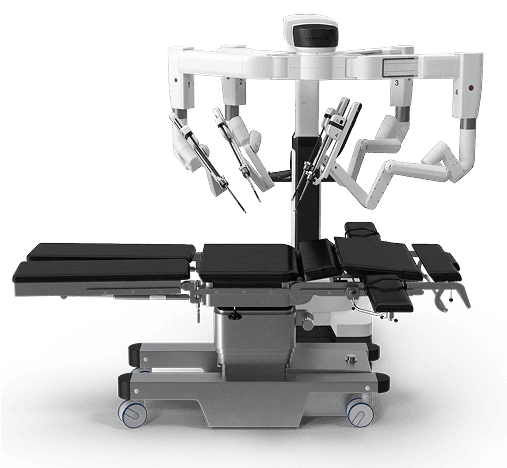
Manipal Hospitals Yeshwanthpur, Bangalore, has India's oldest dedicated quaternary spine care centre, named Manipal Comprehensive Spine Care Centre (MCSCC), which offers personalised evaluation, diagnosis, and advanced treatments with the latest state-of-the-art technology for the entire spectrum of spinal disorders. Now, with the opening of the Manipal Institute of Robotic Spine Surgery (MIRSS) in 2023, we have established India’s first comprehensive robotic spine surgery suite. As a top robotic spine surgery hospital in Yeshwanthpur, Bangalore, we have the cutting-edge MazorX Robot, O-arm imaging, and Allen's advanced table and instruments, bringing unparalleled precision to spinal procedures. By April 2025, MIRSS had successfully performed over 1,000+ robotic spine surgeries, setting a new benchmark in safety, outcomes, and patient satisfaction.
As Yeshwanthpur, Bangalore’s most advanced hospital for robotic spine surgery, we provide individualised treatment for a full range of spinal disorders. Whether it be scoliosis, spinal trauma, degenerative spine problems, complex deformities, or other spine pathology, our robotic procedures enable a safer surgery with less recovery time, smaller incisions, and fewer complications.
Spine Surgery ( Scoliosis consideration )
Best Hospital for Spine Surgery in Yeshwanthpur, Bangalore
At Manipal Hospitals, Yeshwanthpur, Bangalore, we recognise the key role that spinal health plays in overall health. Spinal deformities and conditions such as scoliosis, kyphosis, degenerative disorders, or traumatic injuries can affect posture, mobility, and quality of life. As the best hospital for spine surgery in Yeshwanthpur, Bangalore, we provide a broad spectrum of spine care ranging from non-surgical interventions to advanced surgical procedures.
Our multidisciplinary team comprises spine care consultants, robotic spine surgeons, spine anesthesiologists, and rehabilitation specialists who collaborate to create personalised treatment plans. We specialise in scoliosis correction for children, adolescents, and adults, using minimally invasive and robotic-assisted techniques that reduce pain, minimise scarring, and shorten recovery periods.


Need more Info?Talk to one of our Experts Now!
Consult our Experts
Discover stories of
Method to Miracle!
This is a descriptive text about Method to Miracle, know how Manipal hospital helps patient turn their lives around and perform life altering surguries and treatments, enabling the patients to live the life at the fullest, Yolo!
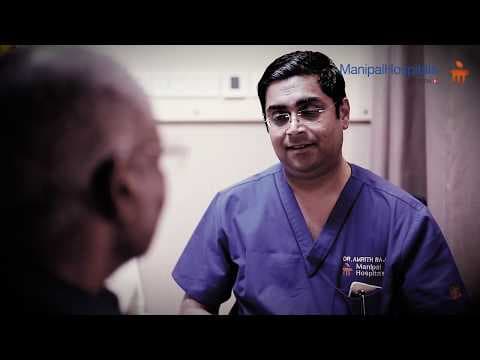
Robot Assisted Radical Prostatectomy
Robot Assisted Radical Prostatectomy
A miraculous Procedure, Robot Assisted Radical Prostatectomy done by Dr. Amrith Raj Rao, Consultant - Urology And Robotic Surgery...
Why Manipal Hospitals?
We believe that spine care should never begin with surgery. It starts with knowing your pain, how it began and what makes it better or worse. Most problems with the spine will improve with physiotherapy, medication and time. If they do not, we have the expertise to offer specific interventions. When people search for a spine centre in Yeshwanthpur, Bangalore, they are usually looking for a team that will explore every reasonable option before discussing procedures. That cautious, deliberate approach is the basis of how we do business.
- A multi-disciplinary team made up of spine surgeons, neurologists, physiotherapists and pain specialists will jointly review your case.
- We believe in taking a conservative approach and exhausting non-surgical measures before considering any intervention.
- Dedicated counsellors explain your MRI findings in simple terms, so you truly understand what is happening inside.
- Treatment regimens designed around your work, hobbies and what you want to be able to do again without pain.
- Evidence-based protocols and clinical experience help us know when conservative care is enough.
- Steady implementation from your initial visit through treatment and maintenance care to prevent recurrence.
- Staff of nurses and therapists who really encourage you, knowing how draining chronic back or neck pain can be.
- Regular case conferences where complex spine conditions are reviewed by the entire team to allow balanced decision-making.
Department – Spine Care
The Spine Care Department at Manipal Hospital Yeshwanthpur manages disorders affecting the vertebral column, spinal cord, and nerve roots. We treat disc herniations, spinal stenosis, spondylolisthesis, vertebral fractures, degenerative disc disease, spinal deformities like scoliosis, and spinal infections or tumours. Our scope covers conservative management, interventional pain procedures, and spinal surgery when truly necessary.
Diagnostic and Treatment Services
We bring together precise diagnostics and a complete range of treatment options, from rehabilitation to minimally invasive surgery:
- Detailed clinical assessment including gait analysis, neurological examination, and functional movement evaluation.
- High-resolution MRI and CT imaging, along with spinal reconstruction, provide accurate visualisation of disc and bone pathology.
- Electromyography and nerve conduction studies to assess whether nerve compression is causing your symptoms.
- Structured physiotherapy programmes include core strengthening, postural retraining, and manual therapy techniques.
- Image-guided epidural steroid injections and nerve root blocks to reduce inflammation and break the pain cycle.
- Microdiscectomy using small incisions and operative microscopes to remove herniated disc material compressing nerves.
- Minimally invasive spinal fusion for instability, using tubular retractors that spare surrounding muscle tissue.
- Vertebroplasty and kyphoplasty for painful vertebral compression fractures, often from osteoporosis.
Facilities and Infrastructure
At Manipal Hospital Yeshwanthpur, dedicated spaces and advanced technology support spine care, enabling accurate diagnosis and safe treatment:
- A dedicated spine assessment unit with calibrated examination tools and digital posture analysis equipment.
- High-field MRI with dedicated spinal coils providing detailed cross-sectional images of discs, nerves, and the spinal cord.
- CT scan with multiplanar reconstruction capability for pre-surgical planning of complex spinal anatomy.
- A navigation-guided operating theatre enabling real-time, three-dimensional tracking during spinal instrumentation.
- Intraoperative neuromonitoring systems that track nerve function continuously during spinal surgery.
- A purpose-built physiotherapy gym with spinal traction units, stability trainers, and supervised exercise areas.
- Integrated digital reporting that stores serial spine images, allowing clear comparison of your progress over time.
- Private consultation rooms designed to give you unhurried time to describe your symptoms and discuss treatment options.

Not sure what you’re looking for?
Get in touch with our
representatives for help!
Frequently Asked Questions
Most people with a slipped disc will recover well with time, medication and physiotherapy. Surgery is only considered if pain persists despite these measures or if there is progressive weakness or loss of bladder control.
Most patients go home within a day or two and resume light daily activities within a couple of weeks. Return to heavy exercise or physically demanding work is normally six to eight weeks with guided rehabilitation.
Steer clear of things that obviously make your pain worse. As a general rule, gentle walking is okay. Before an assessment, don’t begin any new exercises or stretches. Sometimes the wrong motion can aggravate certain spinal conditions.
Not always. Back pain is often first evaluated in a clinical setting. MRI is useful when there are signs of nerve involvement, if pain persists for more than a few weeks, or if some serious underlying causes need to be excluded.
We do look at physiotherapy, lifestyle modification and pain management before we talk about surgery. Whenever procedures are required, we utilise minimally invasive techniques to preserve normal anatomy and accelerate recovery.