

A change in your vision can be unsettling. Maybe words on a page seem blurrier than before, or there is a new floater that drifts across your sight and will not go away. Some eye problems creep in slowly, while others show up without warning. At Manipal Hospital, Yeshwanthpur, the Eye Care team takes every vision complaint seriously. As a trusted eye hospital in Yeshwanthpur, Bangalore, we run the right tests to find out what is happening and explain your condition in straightforward terms. Whether it is a routine check, a new symptom, or a long-standing problem, we make sure you understand your condition and the next steps.
Our Eye Care Specialities

Lasik
Vision correction today is no longer limited to glasses or contact lenses. At Manipal Hospitals Yeshwanthpur, Bangalore, the ophthalmology experts offer LASIK and related refractive procedures to correct common eye conditions such as myopia, hypermetropia (hyperopia), and astigmatism. Each patient is assessed through corneal topography, pachymetry, and ocular surface evaluation before being advised on suitability for LASIK. The process is designed to be quick, usually with same-day discharge and early recovery. Patients considering the best LASIK eye surgery hospital in Yeshwanthpur, Bangalore, can visit us and be reassured that our eye care is comprehensive, and evaluation is as important as the procedure itself.

Ophthalmology
Best Ophthalmology Hospital in Yeshwanthpur, Bangalore
Noticing that road signs appear hazy, print has become harder to focus on, or a family member’s eyes sometimes look red and uncomfortable are common reasons people seek a thorough eye examination. At Manipal Hospital Yeshwanthpur, the ophthalmology department brings together clinical skill and modern diagnostic tools to investigate these concerns. As a dedicated, best ophthalmology hospital in Yeshwanthpur, Bangalore, we see patients of all ages, from children with squints to older adults needing cataract surgery or ongoing management for glaucoma and retinal disease.


Need more Info?Talk to one of our Experts Now!
Consult our Experts
Discover stories of
Method to Miracle!
This is a descriptive text about Method to Miracle, know how Manipal hospital helps patient turn their lives around and perform life altering surguries and treatments, enabling the patients to live the life at the fullest, Yolo!
Robot Assisted Radical Prostatectomy
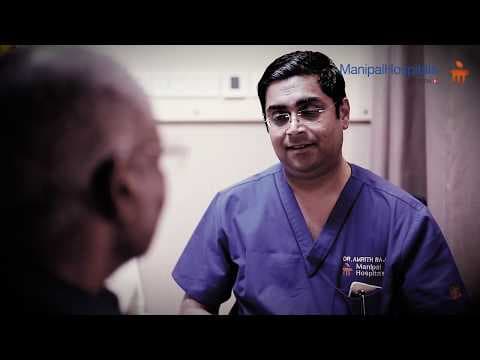
Robot Assisted Radical Prostatectomy
A miraculous Procedure, Robot Assisted Radical Prostatectomy done by Dr. Amrith Raj Rao, Consultant - Urology And Robotic Surgery...
Why Manipal Hospitals?
Eye care is more than just determining the right prescription for glasses. It’s about picking up early signs of conditions such as glaucoma, diabetic eye disease and macular degeneration that can quietly damage sight before you notice anything wrong. Our eye hospital in Yeshwanthpur, Bangalore, has a team of ophthalmologists, optometrists and retinal specialists who work together to assess every aspect of your eye health. We provide:
- A full eye exam to check your vision, eye pressure and the health of the front and back of your eye.
- Testing for refraction to determine the correct prescription for eyeglasses or contact lenses.
- Screening for glaucoma with tonometry, evaluation of the optic nerve and visual field testing as appropriate.
- Diabetic eye screening, a dilated retinal examination to detect changes before they affect your sight.
- Evaluation of cataract and phacoemulsification with intraocular lens implantation.
- Management of dry eye, allergic conjunctivitis and other common surface disorders of the eye.
- Coordination with retina specialists for diseases such as diabetic retinopathy, retinal detachment and macular degeneration.
- Eye Care Tips for Use in Practice.
- Tips for screen use, UV protection, and dealing with conditions that impact vision.
Eye Care Department
Manipal Hospital Yeshwanthpur Eye Care Department offers treatment for eye and visual system-related conditions. We manage refractive errors, cataracts, glaucoma, diabetic eye disease, age-related macular degeneration, dry eye syndrome, corneal conditions, squint and eye infections. We offer care that includes preventive screening, medical management and surgical treatment.
Services Offered
The department provides diagnostic and treatment services for a range of eye conditions, including:
- Comprehensive eye examination with vision testing, slit lamp evaluation, and dilated fundus examination.
- Refraction and prescription of spectacles and contact lenses for children and adults.
- Cataract surgery with phacoemulsification and a choice of intraocular lenses suited to your needs.
- Glaucoma evaluation including applanation tonometry, optic disc photography, and perimetry.
- Diabetic retinopathy screening and management with laser treatment or injection therapy when needed.
- Dry eye assessment with tear film evaluation and treatment, including lubricants and anti-inflammatory therapy.
- Management of eye infections, allergic eye disease, and corneal abrasions with appropriate medication.
- Paediatric eye checks for refractive errors, squint, and amblyopia in young children.
Facilities & Services
Being a trusted best eye hospital in Yeshwanthpur, Bangalore, the department is equipped with the tools and facilities needed to deliver eye care:
- A fully equipped refraction lane with an automated phoropter and digital acuity charts for precise vision testing.
- Slit lamp examination units with applanation tonometers for detailed anterior segment and glaucoma evaluation.
- A dedicated retina clinic with optical coherence tomography and a fundus camera for retinal imaging.
- A cataract surgery suite with phacoemulsification machines and a range of intraocular lens options.
- Laser equipment for retinal photocoagulation and glaucoma procedures when indicated.
- An optical outlet where you can get glasses made after your consultation.
- Private consultation rooms for discussing vision concerns and treatment options.
- A digital imaging system that stores retinal photographs and OCT scans for comparison over time.

Not sure what you’re looking for?
Get in touch with our
representatives for help!
Frequently Asked Questions
A regular eye exam every 1 or 2 years will suffice for adults with no known eye problems. If you have diabetes, high blood pressure, or a family history of glaucoma, your ophthalmologist will suggest more frequent visits.
Cataracts typically develop between the ages of 50 and 60. But they can also occur earlier. Prolonged steroid use, diabetes, and excessive sun exposure can accelerate their development. The decision to operate depends on how much they impact your daily vision.
To screen for glaucoma, your eye pressure will be measured, the optic nerve at the back of your eye will be examined, and sometimes a visual field test will be done to check for any blind spots. It’s quick, painless and can prevent loss of sight if detected early.
Dry eye is typically a chronic condition requiring ongoing management. Artificial tears, prescription drops, warm compresses and changes in screen habits can keep symptoms well under control. Your eye doctor will help you find the right mix.
Symptoms include blurred vision, dark spots or trouble seeing at night. But diabetic retinopathy often doesn’t cause symptoms in its early stages, so it’s important to have a dilated eye exam once a year if you have diabetes, even if your vision seems fine.