


5 Types of Kidney Stones, Their Root Causes & the Right Diet to Prevent Each One
Reviewed by: Dr. Anurag Chatterjee
Posted on
6 Min Read

Not sure what you’re looking for?
Get in touch with our representatives for help!
Contact UsKidney stones are a common, often painful condition. Experts aim to provide clear information on the types, underlying kidney stone causes, and effective dietary strategies for prevention. Understanding how these hard deposits form is crucial for proactive health management.
What Are Kidney Stones?
Medically known as renal calculi, kidney stones are mineral and salt deposits that form inside your kidneys. They can vary in size and cause severe pain as they travel through the urinary tract. While painful, most stones don't cause permanent damage if treated promptly. Factors like dehydration, diet, and certain medical conditions are considered the common causes of kidney stones.
The Five Main Types Of Kidney Stones
Identifying the specific type of kidney stone is key to effective prevention, as each forms from different chemical imbalances and requires a unique kidney stone prevention diet.
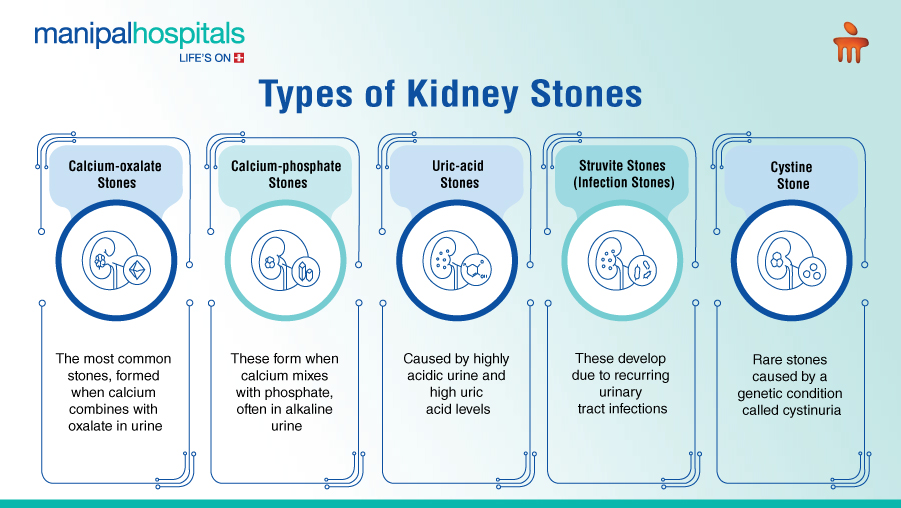
1. Calcium-oxalate stones
The most common type (70-80%), these stones form when calcium combines with oxalate. Key kidney stone causes in this case include high oxalate intake, dehydration, and high sodium diets.
-
Causes - High oxalate foods (spinach, rhubarb, nuts), insufficient fluid, high sodium, excess animal protein.
-
Prevention diet - Increase fluid intake (2.5-3L daily). Consume adequate dietary calcium. Limit high-oxalate foods, sodium, and animal protein. Prevention is a primary strategy in calcium oxalate stone treatment.
2. Calcium-phosphate stones
These form when calcium combines with phosphate, often linked to metabolic disorders like renal tubular acidosis or alkaline urine pH.
-
Causes - Metabolic disorders, alkaline urine, certain medications.
-
Prevention diet - High fluid intake. Address underlying metabolic issues.
3. Uric-acid stones
These develop when urine is consistently too acidic, leading to high uric acid concentrations. They are common with gout or high-protein diets.
-
Causes - High purine-rich foods (red meat, organ meats), chronic dehydration, gout, metabolic syndrome. These are specific uric acid kidney stone causes.
-
Prevention diet - Drink plenty of water. Increase fruits, vegetables, whole grains. Limit high-purine foods and sugary drinks. This is a crucial aspect of the kidney stone prevention diet for uric acid stones.
4. Struvite stones (infection stones)
Formed in response to chronic urinary tract infections (UTIs) caused by specific bacteria that raise urine pH. These can grow rapidly.
-
Causes - Recurrent UTIs, poor urinary tract drainage.
-
Prevention diet - Focus on treating and preventing UTIs effectively. Hydration helps flush bacteria.
5. Cystine Stones
A rare genetic disorder (cystinuria) causes the kidneys to improperly reabsorb cystine, leading to stone formation.
-
Causes - Inherited genetic disorder (cystinuria).
-
Prevention diet - Aggressive hydration (3-4L daily). Reduce sodium intake. Moderation of high-protein foods under medical supervision.
Recognising the symptoms
Symptoms of kidney stones vary but commonly include:
-
Severe pain in the side/back (often radiating to the groin)
-
Pink/red/brown urine
-
Cloudy urine
-
Persistent urge to urinate
-
Fever/chills (indicating infection)
Modern Kidney Stone Management
Manipal Hospitals offers advanced, patient-centric treatments. Initial management involves pain relief and hydration. For stones that don't pass, options include:
-
Medication - Certain medications may be prescribed to help pass kidney stones more easily, reduce pain and discomfort, or alter the urine chemistry to prevent the formation of new stones.
-
ESWL - Extracorporeal Shock Wave Lithotripsy (ESWL) uses high-energy sound waves to break kidney stones into smaller fragments, making them easier to pass naturally through the urinary tract.
-
Ureteroscopy - Ureteroscopy is a minimally invasive procedure in which a thin, flexible scope is inserted through the urinary tract to locate, remove, or break up stones using specialised instruments or laser technology.
-
PCNL - Percutaneous Nephrolithotomy (PCNL) is a minimally invasive surgical procedure commonly recommended for larger or complex kidney stones, where stones are removed through a small incision made in the back.
Prevention Strategies
Prevention is key, especially with a history of kidney stone causes. Preventing kidney stones involves understanding your body, making informed dietary choices, and seeking expert medical guidance. A comprehensive kidney stone prevention diet and lifestyle changes can significantly reduce risk. This involves:
-
Stay hydrated - Drink enough water to keep urine light yellow or clear
-
Balanced diet - Emphasise on fruits, vegetables, and whole grains
-
Limit sodium - High sodium increases calcium in urine
-
Adequate calcium - Get calcium from dietary sources to bind oxalate in the gut
-
Manage conditions - Keep effective control of diabetes, gout, or UTIs
-
Consult a specialist - For personalised advice and to determine stone type.
Conclusion
Different types of kidney stones require accurate diagnosis and personalised treatment to prevent complications and recurrence. Early medical attention can help manage symptoms effectively and protect long-term kidney health. At Manipal Hospitals, you get the option to seek the best advice from a trusted kidney stone specialist Kolkata can offer. Our specialists provide comprehensive care for all types of kidney stones using advanced diagnostic techniques and minimally invasive treatment options. In case of symptoms or a history of stones, consult our expert urologists at Manipal Hospitals Salt Lake today for personalised care, timely evaluation, effective treatment, and expert guidance towards a better urinary health.
Frequently Asked Questions
For many individuals, significant lifestyle modifications, especially dietary changes and increased hydration, can be highly effective in preventing kidney stone formation and recurrence. However, some types, like cystine stones, require more targeted medical management alongside lifestyle changes.
Generally, aim for 2.5 to 3 litres of water daily, or enough to produce clear or very light yellow urine. Your doctor may provide a more specific recommendation based on your stone type and health condition.
Historically, kidney stones were more prevalent in men. However, recent trends show an increasing incidence in women, possibly due to dietary factors and lifestyle changes.
Unfortunately, having one kidney stone significantly increases your risk of developing another. Without preventive measures, the recurrence rate can be as high as 50% within 5-10 years. This highlights the importance of sustained prevention efforts.
No, not all kidney stones cause pain. Very small stones may pass unnoticed. Pain typically occurs when a stone moves, obstructs urine flow, or causes irritation in the urinary tract.
Share this Article


Recent Blogs

বুকে গ্যাসের সমস্যা: লক্ষণ, কারণ এবং কখন চিকিৎসা নেওয়া উচিত
24 Jun 20266 Min Read
সামগ্রিক সুস্থতার জন্য পরিপাকতন্ত্রের সুস্বাস্থ্য অত্যন্ত গুরুত্বপূর্ণ। গ্যাস ও পেট ফাঁপা হল পরিপাকতন্ত্রের কিছু সাধারণ সমস্যা, যার চিকিৎসা প্রায়শই ঘরোয়া উপায় বা ওষুধের মাধ্যমে করা হয়ে থাকে। তবে কখনও কখনও গ্যাস বুক পর্যন্ত উঠে আসতে পারে, যার ফলে বুক জ্বালা বা বুকে চাপের মতো উপসর্গ দেখা দিতে পারে, যা অস্বস্তি সৃষ্টি করতে পারে। এর তীব্রতা এবং পুনরাবৃত্তি দৈনন্দিন কার্যকলাপে ব্যাঘাত ঘটাতে পারে, ও তার থেকেও গুরুত্বপূর্ণ কোনো গুরুতর রোগ লুকিয়ে আছে কি না সেটা দেখে নেওয়াটা প্রয়োজন। এই নিবন্ধে বুকে গ্যাসের সমস্যা, বুকে গ্যাসের সমস্যার উপসর্গ, এর কারণসমূহ, কিছু কার্যকর বুকে গ্যাসের ঘরোয়া প্রতিকার ও কখন চিকিৎসকের পরামর্শ নেওয়া উচিত - এই সমস্ত বিষয়ে বিস্তারে আলোচনা করা হয়েছে।
Read NowKidney Pain: Symptoms, Causes, and When to Seek Treatment
22 Jun 20264 Min Read
Kidney pain, often a distressing and misunderstood symptom, signals discomfort in your body's vital filtering organs. Understanding the symptoms of kidney pain, identifying common causes, and seeking timely expert advice for kidney pain treatment are crucial for your well-being. Manipal Hospitals empowers you with knowledge for informed health decisions.
Read NowWhat Is Myocardial Infarction? Warning Signs, Treatment, and Recovery
22 Jun 20265 Min Read
A myocardial infarction, commonly known as a heart attack, is a critical medical emergency that occurs when blood flow to a part of the heart muscle is blocked. This blockage is often caused by formation of a blood clot in the coronary artery, which deprives the heart muscle of oxygen and nutrients, and leads to cell damage or even death. This blog gets into details about myocardial infarction, and highlights its symptoms (such as chest pain) along with the essential myocardial infarction treatment approaches.
Read NowParalysis: Early Signs, Causes, and When to See a Neurologist
22 Jun 20264 Min Read
Paralysis, the loss of muscle function, significantly impacts daily life and independence. This comprehensive guide details its early signs, common paralysis causes, and emphasises timely medical intervention for optimal paralysis treatment. The goal of this blog is to empower you with the required knowledge on the condition, ensuring you seek help from a neurologist when needed.
Read NowSwollen Knee: Symptoms, Causes, and When to Seek Medical Help
19 Jun 20267 Min Read
Knee problems are one of the most common problems affecting millions worldwide. Among these, swollen knee, which is characterised by the accumulation of water on knee, can be a cause of significant discomfort. Other than pain, accumulation of water on the knee can limit mobility and make performing daily tasks difficult. This blog goes into detail about swollen knee due to accumulation of fluid on knee, further addressing an important concern – can a swollen knee be dangerous?
Read NowWeak Urine Stream, Incomplete Bladder Emptying & Frequent Urination: When Is It Time to See a Specialist?
29 May 20266 Min Read
Changes in urine pattern, like weak urine flow, problem in bladder emptying, and frequent urination can likely be a sign of urinary problems in men. While some changes can warrant from natural aging process, understanding when these symptoms warrant a visit to a specialist is crucial for maintaining your health and quality of life.
Read NowIs Your Period Pain Actually Normal? How to Recognise the Hidden Signs of Endometriosis
27 May 20265 Min Read
Menstrual pain is experienced by millions of women worldwide. Despite being a seemingly normal occurrence for many, severe period pain may have more grave underlying causes. For too long, severe period pain has been dismissed as "normal". However, this often masks endometriosis, a chronic and debilitating condition. Endometriosis affects an estimated 1 in 10 women globally. Diagnosis can be significantly delayed, sometimes by 7-10 years. This blog is meant to highlight key endometriosis symptoms to help you recognise when to seek medical advice, especially concerning some chronic pelvic pain causes in women.
Read Nowহার্ট অ্যাটাক সম্পর্কিত ১০টি বিপজ্জনক ভ্রান্ত ধারণা যা প্রত্যেক ভারতীয় বিশ্বাস করে — এবং যে তথ্যগুলো আপনার জীবন বাঁচাতে পারে
27 May 20266 Min Read
ভারতে হৃদরোগ একটি গুরুতর স্বাস্থ্য সমস্যা এবং হার্ট অ্যাটাক জীবনহানির অন্যতম প্রধান কারণ। দুর্ভাগ্যবশত, হার্ট অ্যাটাক সম্পর্কিত প্রচলিত ভুল ধারণা ও তথ্য না জানার ফলে অনেকেই সঠিক সময়ে চিকিৎসা নিতে পারেন না। এই ব্লগটির উদ্দেশ্য হল হার্ট অ্যাটাকের লক্ষণ সঠিকভাবে তুলে ধরার পাশাপাশি ১০টি প্রচলিত ভ্রান্ত ধারণা দূর করে, নির্ভুল তথ্য দিয়ে জনসচেতনতা বৃদ্ধি করা যা আপনার ও আপনার প্রিয়জনদের জীবন বাঁচাতে সাহায্য করবে।
Read NowParkinson's Disease Symptoms: Early Warning Signs You Should Not Ignore
27 May 20266 Min Read
As we age, our bodies go through natural changes. It is easy to dismiss a slight tremor, a shuffle in gait, or a sudden difficulty with handwriting as just a part of ‘getting old’. However, some of these seemingly benign changes can be early warning signs of Parkinson's disease, pointing to a progressive neurological condition. Recognising these subtle cues early is paramount, as timely intervention can significantly impact the quality of life for those affected. This blog guides you in detail through Parkinson's disease's early signs.
Read Now5 Types of Kidney Stones, Their Root Causes & the Right Diet to Prevent Each One
20 May 20266 Min Read
Kidney stones are a common, often painful condition. Experts aim to provide clear information on the types, underlying kidney stone causes, and effective dietary strategies for prevention. Understanding how these hard deposits form is crucial for proactive health management.
Read Now