

A knee joint that continues to buckle weeks after ligament surgery, a hand that struggles to steady a spoon post-stroke, or a lumbar spine that locks painfully during everyday movement requires focused physical retraining. True physical recovery cannot conclude simply when your primary procedure finishes or your discharge logs print out. At Manipal Hospital Malleshwaram, our rehabilitation and physiotherapy specialists bridge this vital gap, designing target-specific exercise sciences to restore your native range of motion. Standing as a rehabilitation centre in Malleshwaram, Bangalore, we help you move away from physical limitations to reclaim your natural strength and structural independence smoothly.

Need more Info?Talk to one of our Experts Now!
Consult our Experts
Discover stories of
Method to Miracle!
This is a descriptive text about Method to Miracle, know how Manipal hospital helps patient turn their lives around and perform life altering surguries and treatments, enabling the patients to live the life at the fullest, Yolo!
Robot Assisted Radical Prostatectomy
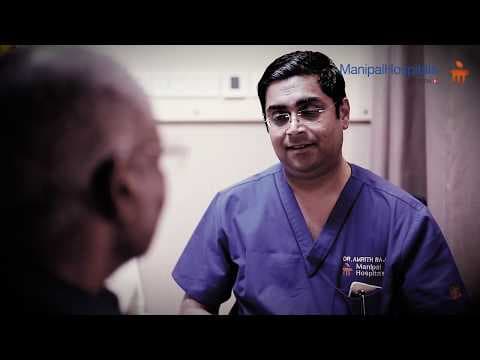
Robot Assisted Radical Prostatectomy
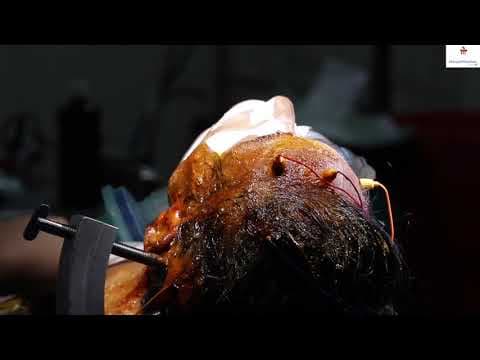
A miraculous Procedure, Robot Assisted Radical Prostatectomy done by Dr. Amrith Raj Rao, Consultant - Urology And Robotic Surgery...
Why Manipal Hospitals?
Rehabilitation works best when the therapist understands the underlying condition as well as the functional deficit. A stroke patient and a knee replacement patient may both need gait training, but the approaches, precautions, and progressions differ. Our centre is trusted as the best rehabilitation centre in Malleshwaram, Bangalore, because we customise every joint load, resistance angle, and stretching velocity around your exact surgical guidelines and life goals, tracking your progress systematically against measurable biomechanical milestones. Our specialised rehabilitation facility optimises physical safety and independent recovery through:
- Early post-operative mobilisation started during the inpatient stay to prevent stiffness and deconditioning
- Physiotherapy for orthopaedic conditions including post-fracture recovery, joint replacement rehabilitation, and spine care
- Neurological rehabilitation for stroke, traumatic brain injury, spinal cord injury, and peripheral neuropathy
- Cardiac and pulmonary rehabilitation with monitored exercise progression for post-heart attack and post-bypass patients
- Paediatric physiotherapy for developmental delays, cerebral palsy, and congenital musculoskeletal conditions
- Geriatric rehabilitation addressing balance, fall prevention, and mobility preservation in older adults
- Pain management through manual therapy, electrotherapy modalities, and therapeutic exercise
Physical Medicine & Rehabilitation Department
The Rehabilitation and Physiotherapy Department at Manipal Hospital Malleshwaram provides diagnosis-specific therapy programmes for patients recovering from surgery, injury, neurological illness, and chronic conditions that affect movement and function. The team covers orthopaedic rehabilitation following fractures, joint replacements, and spine surgery; neurological rehabilitation for stroke and spinal cord conditions; cardiac and pulmonary rehabilitation; and paediatric developmental therapy. Each patient is assessed for range of motion, strength, balance, gait, and functional capacity before a therapy plan is designed. Progress is measured against defined milestones, and the plan is adjusted as recovery advances. The team works closely with orthopaedic surgeons, neurologists, cardiologists, and pain specialists to ensure that therapy complements medical management.
Services Offered
As we are best rehabilitation centre in Malleshwaram, our physiotherapy and rehabilitation programs are built around specific clinical conditions and functional goals, progressing patients from supported movement to independent activity. We provide:
- Post-operative orthopaedic tracking for total knee replacements, total hip alignments, and advanced shoulder surgeries.
- Spine care management incorporating target-specific core stabilisation and precise McKenzie-based therapeutic exercises.
- ACL reconstruction conditioning: transitioning patients safely from early range-of-motion to advanced, sport-specific movements.
- Stroke recovery, leveraging constraint-induced movement therapies and task-oriented physical practices.
- Advanced balance and vestibular rehabilitation to resolve persistent dizziness, vertigo, and post-fall imbalances.
- Targeted physical therapies for geriatric and pediatric populations
Facilities and Services
Effective rehabilitation depends on adequate space for movement training, calibrated equipment, and therapists. Manipal Hospital Malleshwaram, recognised as the best rehabilitation centre in Malleshwaram, Bangalore, provides the infrastructure needed for comprehensive therapy services:
- Physiotherapy gymnasium with parallel bars, tilt tables, resistance bands, free weights, and stationary cycles
- Gait training area with mirrors for visual feedback and different floor surfaces for balance challenge
- Cardiac rehabilitation zone with telemetry-monitored treadmills and cycle ergometers
- Pulmonary rehabilitation area with incentive spirometers, flutter devices, and breathing trainers
- Paediatric therapy space with age-appropriate equipment and play-based therapy tools
- Electrotherapy unit with TENS, IFT, ultrasound, laser, and shockwave therapy equipment

Not sure what you’re looking for?
Get in touch with our
representatives for help!
Frequently Asked Questions
Physiotherapy starts on the day of surgery or the next day, depending on the procedure and the surgeon's protocol. Early movement reduces the risk of blood clots, prevents joint stiffness, and restores patients’ confidence in moving. The therapist helps the patient do exercises that are safe and within the limits of the surgery.
Stroke recovery is different for everyone. Some patients see significant improvement within weeks, while others continue to improve for many months. Most progress occurs in the first three to six months, but therapy can still help after that.
No. Cardiac rehab helps patients after bypass surgery, angioplasty, valve surgery, and stable heart failure. It uses a graded exercise program to help improve cardiovascular fitness and monitors blood pressure, heart rate, and symptoms.
Yes. Physio cannot reverse degenerative changes, but it can strengthen the muscles supporting the spine, improve posture, and teach movement patterns that reduce stress on the affected segments. Routine therapy can relieve pain and improve function in many patients with disc degeneration or facet joint arthritis.
The centre must have qualified physiotherapists experienced in orthopaedic, neurological, and cardiopulmonary rehabilitation; a well-equipped therapy gym; and a system to measure progress against specific goals. The ability to provide both inpatient and outpatient therapy also promotes continuity of care as the patient transitions from the hospital to home.