

Learning that an organ is failing and that transplantation may be the only long-term solution can feel overwhelming for both the patient and their family. At Manipal Hospital Hebbal, the Transplant Programmes Department offers a steady, coordinated response to this life-changing moment. Our team guides each individual through the evaluation process, the waiting period, the surgery itself, and the months of recovery that follow. As a recognised best organ transplant hospital in Hebbal, Bangalore, we bring together surgical expertise, immunological monitoring, and long-term follow-up care within a single integrated framework that supports patients at every stage.


Need more Info?Talk to one of our Experts Now!
Consult our Experts
Discover stories of
Method to Miracle!
This is a descriptive text about Method to Miracle, know how Manipal hospital helps patient turn their lives around and perform life altering surguries and treatments, enabling the patients to live the life at the fullest, Yolo!
Robot Assisted Radical Prostatectomy
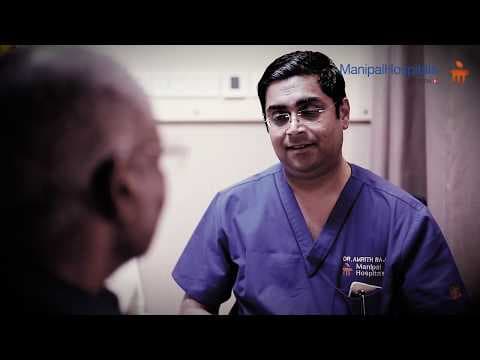
Robot Assisted Radical Prostatectomy
A miraculous Procedure, Robot Assisted Radical Prostatectomy done by Dr. Amrith Raj Rao, Consultant - Urology And Robotic Surgery...
Why Manipal Hospitals?
Organ transplantation is not a single operation but a continuum that spans donor matching, surgical implantation, immunosuppression, and lifelong surveillance. The surgery may take hours, but the management of rejection risk, infection susceptibility, and drug side effects continues for years afterwards. At Manipal Hospital Hebbal, these parallel strands are woven into one care plan. Patients and referring clinicians seeking the best hospital for organ transplants in Hebbal, Bangalore, find our programme anchored in:
- Transplant surgeons with extensive experience in living donor and deceased donor kidney transplantation, performing vascular and ureteric anastomoses with refined technique
- Nephrologists and hepatologists who manage pre-transplant workup, donor evaluation, and post-transplant immunosuppression with meticulous attention to drug levels
- HLA typing and cross-matching laboratory that identifies compatible donor-recipient pairs and measures panel-reactive antibodies to assess immunological risk
- Structured long-term follow-up with scheduled laboratory testing, drug level monitoring, and graft function assessment to detect rejection early
- Psychological support for both recipients and living donors, addressing the emotional dimensions of giving and receiving an organ
Organ Transplant
The Department of Transplant Programs at Manipal Hospital Hebbal deals with the surgery to replace malfunctioning organs with new ones obtained from living or deceased donors. The department caters to patients suffering from chronic renal diseases in need of kidney transplantation and patients having end-stage liver disease in need of liver transplantation.
Our Services
Our transplant programme at the best hospital for organ transplants in Hebbal, Bangalore, provides a comprehensive range of pre-transplant, perioperative, and post-transplant services. Our services include:
- Recipient evaluation and transplant candidacy assessment with cardiac, respiratory, and infectious disease screening
- Living donor workup, including medical, psychological, and immunological compatibility testing
- Living donor nephrectomy using laparoscopic technique to reduce donor recovery time
- Kidney transplantation with vascular anastomosis and ureteric reimplantation
- Immunosuppressive therapy with induction agents and triple-drug maintenance regimens
- Therapeutic drug monitoring for calcineurin inhibitors and mTOR inhibitors
- Post-transplant surveillance with protocol biopsies, donor-specific antibody testing, and graft function monitoring
- Management of post-transplant complications including rejection, infection, and drug toxicity
Facilities & Services
At Manipal Hospital Hebbal, dedicated infrastructure supports the delivery of safe and comprehensive transplant care:
- HLA typing and cross-matching laboratory for donor-recipient immunological compatibility assessment
- Dedicated transplant operating theatres with laminar airflow for immunosuppressed patient safety
- Transplant intensive care unit with isolation capability and continuous invasive monitoring
- Laparoscopic equipment for minimally invasive donor nephrectomy
- Therapeutic drug monitoring laboratory for calcineurin inhibitor and mTOR inhibitor level measurement
- Dedicated transplant outpatient clinic for coordinated post-transplant follow-up visits
- Transplant coordinator office for patient navigation through the evaluation and waiting list process
- Private family consultation rooms for donor and recipient counselling sessions

Not sure what you’re looking for?
Get in touch with our
representatives for help!
Frequently Asked Questions
The donor has to be in perfect health. He should be an adult aged between eighteen and sixty-five with a matching blood type and a negative cross-match. At our best organ transplant hospital in Hebbal, Bangalore, donor safety is paramount throughout the evaluation and surgery.
It takes many months or even years, depending on the blood group, sensitisation to HLA antigens, and organ availability. Our transplant coordinators maintain contact with the patient and ensure that all test results are kept up to date.
Lifelong immunosuppressive drugs are necessary to prevent graft rejection. The drugs generally consist of calcineurin inhibitors, antimetabolites, and low-dose corticosteroids. The dosages are tailored to the drug levels, graft function, and side effects that develop over time.
Living donation is a major surgical procedure with risks including bleeding, infection, and anaesthetic complications. In the long term, donors have a small increased risk of developing high blood pressure. Our team provides thorough preoperative counselling, so donors understand and accept these risks before proceeding.
Follow-up care is frequent right after transplanting kidneys, with multiple sessions per week during the first month, and then once monthly after six months. Laboratory monitoring remains lifelong. Our transplant clinic provides a single point of contact for all post-transplant care.