

A blood test that returns an unexpected creatinine reading, swelling around the ankles that does not resolve overnight, or sharp flank pain that comes in waves can stir worry about the kidneys. At Manipal Hospital Hebbal, the Kidney & Urinary Care Department offers a calm, structured environment where these concerns are thoroughly investigated. As a dedicated kidney hospital in Hebbal, Bangalore, we bring together nephrology and urology expertise to provide integrated care that looks at the entire urinary system.
Our Kidney And Urinary Care Specialities

Urology
Best Urology Hospital in Hebbal
Blood in urine, difficulty passing urine, or recurrent kidney stones can disrupt daily life and raise concerns about serious underlying conditions like malignancy or obstruction. Patients often delay consultation, uncertain whether symptoms require medical management or surgical intervention. At our Urology Centre, we provide comprehensive evaluation and treatment for disorders affecting the kidneys, ureters, bladder, prostate, and male reproductive organs.
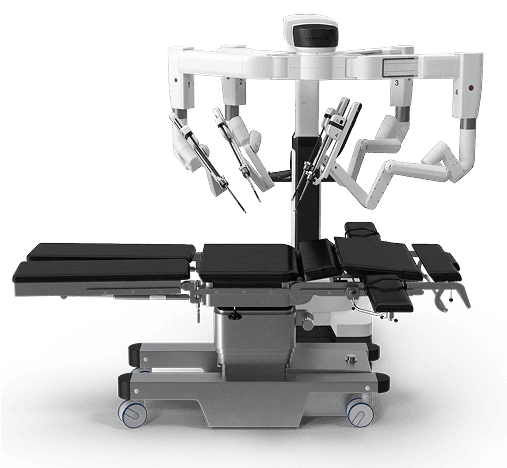
As a leading urology hospital in Hebbal, Bangalore, we offer advanced endoscopic, laparoscopic, and robotic surgical solutions with emphasis on functional preservation and stone-free outcomes.

Dialysis Care
Learning that your kidneys have failed and that regular dialysis is necessary brings understandable anxiety about lifestyle disruption, treatment discomfort, and long-term outcomes. Patients worry about needle pain, dietary restrictions, and the impact on work and family life. Our Dialysis Care department provides comprehensive haemodialysis and peritoneal dialysis services for patients with end-stage kidney disease. As a leading dialysis care hospital in Hebbal, Bangalore, we offer evidence-based renal replacement therapy with emphasis on treatment adequacy, complication prevention, and quality of life preservation.
Nephrology
Waking up to persistently foamy urine and medical reports stating protein leakage in urine and increased creatinine levels can be deeply unsettling. At Manipal Hospital Hebbal, the Department of Nephrology steps in to transform these stressful clinical signals into clear paths forward. As a premier kidney hospital in Hebbal, Bangalore, we combine early biochemical risk screening with proactive lifestyle therapies to preserve your natural filtration. Our dedicated team handles advanced chronic care and emergency stabilisation with absolute precision and genuine reassurance.
Kidney Transplant
Living with end-stage kidney disease on dialysis brings constant fatigue, dietary restrictions, and treatment schedules that disrupt work, travel, and family life. Patients and families often wonder whether transplantation is possible, safe, and worth the surgical risks. The Kidney Transplant Department at the Renal Transplant Hospital in Hebbal, Bangalore, provides comprehensive evaluation, living and deceased donor transplantation, and post-transplant care.
Andrology
Best Andrology Hospital in Hebbal
Difficulties with erections, concerns about fertility, or unexplained low testosterone can affect self-confidence, intimate relationships, and quality of life. Men often hesitate to seek help, uncertain whether their condition requires lifestyle modification, medication, or surgical intervention. Our male reproductive health hospital provides comprehensive evaluation and treatment for male reproductive and sexual health disorders.
As a leading andrology hospital in Hebbal, Bangalore, we offer evidence-based medical and surgical solutions for erectile dysfunction, male infertility, hypogonadism, and Peyronie's disease with emphasis on functional restoration and fertility optimisation.


Need more Info?Talk to one of our Experts Now!
Consult our Experts
Discover stories of
Method to Miracle!
This is a descriptive text about Method to Miracle, know how Manipal hospital helps patient turn their lives around and perform life altering surguries and treatments, enabling the patients to live the life at the fullest, Yolo!
Robot Assisted Radical Prostatectomy
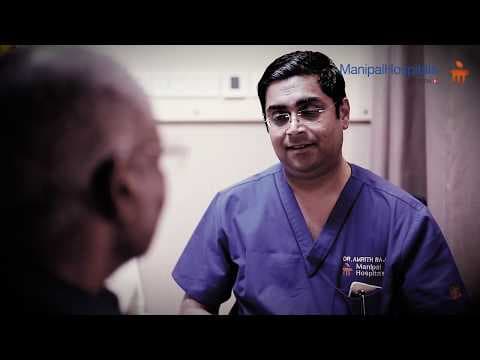
Robot Assisted Radical Prostatectomy
A miraculous Procedure, Robot Assisted Radical Prostatectomy done by Dr. Amrith Raj Rao, Consultant - Urology And Robotic Surgery...
Why Manipal Hospitals?
The kidneys and urinary tract form a single functional unit, yet their disorders have traditionally been divided between two specialities. A patient with recurrent stones needs both the urologist who clears the obstruction and the nephrologist who investigates the metabolic tendency behind the stone formation. At Manipal Hospital Hebbal, nephrologists and urologists work side by side, discussing shared cases and sequencing interventions so that the patient moves seamlessly between medical and surgical care. Individuals seeking the best kidney hospital in Hebbal, Bangalore, will find our programme built on:
- Nephrologists with expertise in managing all stages of chronic kidney disease, from early detection through dialysis planning and transplantation referral
- Urologists trained in endourological procedures, including laser lithotripsy and transurethral surgery, offering minimally invasive solutions for stones and prostate conditions
- Dedicated vascular access planning and creation for dialysis patients, with surveillance programmes to maintain fistula patency
- Coordination with cardiology, endocrinology, and dietetics because kidney disease rarely travels alone
- Patient education about fluid intake, dietary modification, and medication adherence delivered in clear, practical terms at every consultation
Speciality – Kidney & Urinary Care
The Kidney & Urinary Care Department at Manipal Hospital Hebbal specialises in diagnosing and treating conditions affecting the kidneys, ureters, bladder, and urethra. The department supports patients with acute and chronic kidney disease, nephrotic syndrome, glomerulonephritis, urinary tract infections, kidney stones, benign prostatic enlargement, and voiding dysfunction. Our team provides medical nephrology management, haemodialysis, peritoneal dialysis, and urological surgical interventions.
Our Services
We offer a full range of services, including diagnosis, treatment, and surgery, to address your kidney and urinary system problems. Our services include:
- Comprehensive renal function assessment with estimated glomerular filtration rate and proteinuria quantification
- Medical management of chronic kidney disease with blood pressure control and renoprotective strategies
- In-centre haemodialysis with monitored stations and continuous ambulatory peritoneal dialysis programmes
- Laser lithotripsy and ureteroscopy for fragmentation and removal of renal and ureteric calculi
- Transurethral Resection of Prostate due to urinary obstruction from benign prostatic hyperplasia
- Urodynamic studies for evaluation of complex voiding dysfunction and urinary incontinence
- Dietary counselling for renal patients with individualised protein, potassium, and phosphate restriction guidance
Facilities & Services
At Manipal Hospital Hebbal, dedicated infrastructure supports the delivery of comprehensive kidney and urinary care:
- Dialysis unit with individual stations, continuous monitoring, and water treatment plant meeting ultrapure standards
- Holmium laser lithotripsy system for precise stone fragmentation with minimal surrounding tissue injury
- Flexible ureteroscopes with high-definition imaging for access to stones throughout the collecting system
- Urodynamics equipment for detailed assessment of bladder storage and voiding function
- High-resolution ultrasound and non-contrast CT for renal and urinary tract imaging
- Stone analysis laboratory for biochemical composition determination of retrieved calculi
- Vascular access procedure room with ultrasound guidance for dialysis catheter placement
- Private consultation rooms for discussion of renal function results and long-term management plan

Not sure what you’re looking for?
Get in touch with our
representatives for help!
Frequently Asked Questions
The presence of swelling in the feet or face, foamy urine, blood in urine, unexplained tiredness, and increased or decreased urinary activity can indicate kidney disease and require further investigation. As a rule, in kidney diseases there are no obvious symptoms; therefore, a blood creatinine test is included in the routine check-up.
Yes. The metabolic disturbance causing stone formation can be identified within 24 hours through stone analysis and urine chemistry tests. At our kidney hospital in Hebbal, Bangalore, we design individualised prevention plans that include dietary changes, increased fluid intake, and medication when indicated to reduce the risk of recurrence.
Most patients on haemodialysis attend three sessions per week, each lasting approximately four hours. Peritoneal dialysis is performed daily at home. Our nephrologist determines the appropriate dialysis prescription based on residual kidney function, body size, and laboratory parameters.
Old age itself does not constitute a contraindication to treatment. The fitness of our urology patients for surgery is determined by considering their cardiac condition, coagulation issues, and anaesthesia. There are many men aged seventy and even eighty who benefit from the surgery.
Reduction in sodium intake is necessary to control blood pressure and fluid retention. Protein intake may need to be adjusted depending on the stage of kidney disease. Potassium and phosphate restriction become important in advanced disease. Our renal dietitian provides personalised guidance based on your laboratory values and medications.