

Noticing that road signs have become harder to read, watching a parent struggle to recognise faces across the room, or hearing a child complain of headaches after school can quietly signal that vision needs attention. At Manipal Hospital Hebbal, the Eye Care Department offers a meticulous and patient-centred approach to these concerns. As a dedicated eye hospital in Hebbal, Bangalore, we provide comprehensive diagnostic assessment and treatment for conditions affecting the cornea, lens, retina, and optic nerve.
Our Eye Care Specialities

Lasik
Vision correction today is no longer limited to glasses or contact lenses. At Manipal Hospitals Hebbal, Bangalore, the ophthalmology experts offer LASIK and related refractive procedures to correct common eye conditions such as myopia, hypermetropia (hyperopia), and astigmatism. Each patient is assessed through corneal topography, pachymetry, and ocular surface evaluation before being advised on suitability for LASIK. The process is designed to be quick, usually with same-day discharge and early recovery. Patients considering the best LASIK eye surgery hospital in Hebbal, Bangalore, can visit us and be reassured that our eye care is comprehensive and evaluation is as important as the procedure itself.

Ophthalmology
Best Eye Hospital in Hebbal
Gradual blurring, difficulty with night driving, or sudden floaters can disrupt daily activities and raise fears about irreversible vision loss. Patients frequently postpone evaluation, attributing changes to ageing or eye strain. At Manipal Hospital Hebbal, the ophthalmology department offers comprehensive diagnostic and therapeutic services for the full spectrum of eye disorders. As a trusted eye hospital in Hebbal, Bangalore, we combine advanced technology with clinical expertise to manage cataracts, glaucoma, diabetic retinopathy, and macular degeneration, ensuring each patient receives a precise diagnosis and a tailored treatment plan.


Need more Info?Talk to one of our Experts Now!
Consult our Experts
Discover stories of
Method to Miracle!
This is a descriptive text about Method to Miracle, know how Manipal hospital helps patient turn their lives around and perform life altering surguries and treatments, enabling the patients to live the life at the fullest, Yolo!
Robot Assisted Radical Prostatectomy
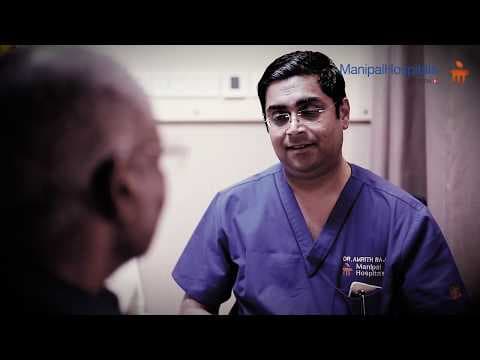
Robot Assisted Radical Prostatectomy
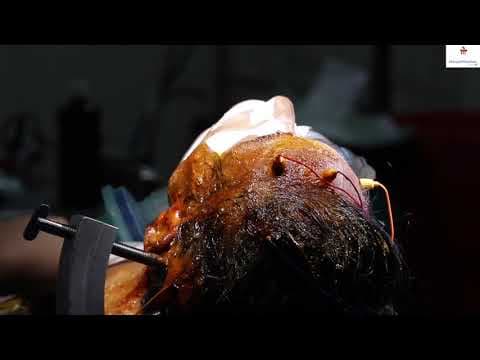
A miraculous Procedure, Robot Assisted Radical Prostatectomy done by Dr. Amrith Raj Rao, Consultant - Urology And Robotic Surgery...
Why Manipal Hospitals?
The eye is a small organ with an intricate internal architecture, and threats to vision can arise from structures that are invisible without specialised equipment. A patient with diabetes may feel no ocular symptoms at all while tiny retinal haemorrhages multiply silently. At Manipal Hospital Hebbal, our ophthalmologists bring a preventive mindset to every examination, screening for the silent conditions that steal sight without warning. Individuals and families seeking the best eye hospital in Hebbal, Bangalore, find our programme anchored in:
- Ophthalmologists with subspecialty training in cataract surgery, medical retina, glaucoma management, and paediatric ophthalmology
- Optical coherence tomography that images retinal layers with microscopic detail, detecting macular oedema and glaucomatous thinning years before vision loss occurs
- Applanation tonometry and pachymetry for accurate intraocular pressure measurement and central corneal thickness correction
- Automated perimetry that maps the visual field, detecting the characteristic scotomas of glaucoma at an early stage
- Optical dispensing services that ensure spectacle prescriptions are filled accurately and adjusted for comfortable fit
Eye Care Department
The Eye Care Department at Manipal Hospital Hebbal is involved in diagnosing and treating conditions of the eye and adjacent regions. Our services are dedicated to individuals experiencing refractive disorders, cataracts, glaucoma, diabetic retinopathy, macular degeneration, dry eye conditions, and corneal disorders. Our service offerings include comprehensive eye exams, optical coherence tomography, cataract surgery, medical retina care, and glaucoma care. All diagnostic and therapeutic pathways are supported by advanced ophthalmic imaging equipment and a dedicated ophthalmic operating theatre.
Our Services
Our eye care programme provides a comprehensive range of diagnostic, medical, and surgical services. Our services include:
- Comprehensive eye examination with refraction, slit-lamp biomicroscopy, and fundus evaluation
- Optical coherence tomography for high-resolution imaging of the retina and optic nerve
- Glaucoma screening with tonometry, pachymetry, and visual field testing
- Diabetic retinopathy screening and medical management with intravitreal injections when indicated
- Dry eye assessment with tear film evaluation and meibomian gland imaging
- Paediatric vision assessment including cycloplegic refraction and squint evaluation
- Spectacle and contact lens prescription with optical dispensing services
Facilities & Services
At Manipal Hospital Hebbal, dedicated infrastructure supports the delivery of precise and comprehensive eye care:
- Ophthalmic outpatient clinic with slit-lamp biomicroscopes and digital visual acuity chart systems
- Optical coherence tomography machine with retinal nerve fibre layer and ganglion cell analysis capability
- Fundus camera with colour, red-free, and autofluorescence imaging modes
- Automated perimeter for threshold visual field testing and glaucoma progression analysis
- Phacoemulsification system with fluidics control for small-incision cataract surgery
- Ophthalmic operating microscope with coaxial illumination for anterior and posterior segment surgery
- Optical dispensing unit with trial frames, lensometers, and a selection of spectacle frames and lenses
- Private refraction rooms with computerised phoropters and distance testing charts

Not sure what you’re looking for?
Get in touch with our
representatives for help!
Frequently Asked Questions
Adults under forty with no symptoms should have an eye examination every two years. Those over forty, or those with diabetes, hypertension, or a family history of glaucoma, should be examined annually. Children should have their vision checked before starting school and regularly thereafter.
Cataract surgery can be performed when cloudiness in the lens prevents one from performing normal activities such as reading and driving. There is no need to wait until the cataract is mature. At our eye hospital in Hebbal, Bangalore, we assess visual function and discuss timing based on your lifestyle needs.
Once glaucoma has damaged the optic nerve, there is no way to restore it. The only treatment is to reduce intraocular pressure to prevent further damage. It is accomplished using medications, lasers, or surgeries, depending on the type of the disease.
The onset of diabetic retinopathy may occur and develop without causing any visual problems. Annual retinal screening detects changes early, when treatment is most effective at preventing vision loss. Our retinal imaging documents the status of your retina at each visit.
An optical coherence tomography scan provides cross-sectional images of the retina and optic nerve, which can indicate the presence of fluid build-up, membrane formation, and thinning of nerve fibres. These things can only be detected with an optical coherence tomography test.