

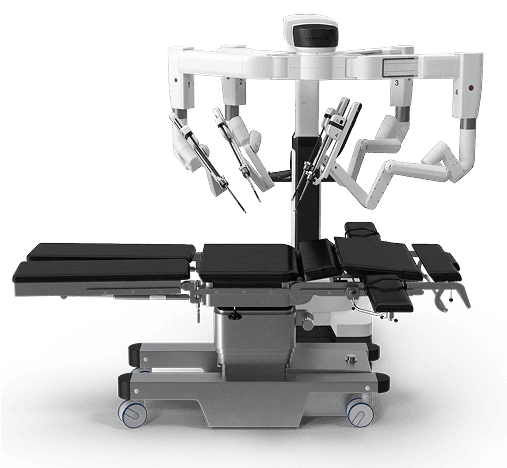
As one of the top lung hospitals in Gurugram, Manipal Hospitals provides care for people with lung and respiratory conditions. The department evaluates and treats respiratory diseases ranging from common ones like asthma and bronchitis to complex lung disorders like cystic fibrosis. Doctors assess each patient's symptoms and develop an individualised treatment plan, with ongoing care and follow-up based on the patient's condition.


Need more Info?Talk to one of our Experts Now!
Consult our Experts
Discover stories of
Method to Miracle!
This is a descriptive text about Method to Miracle, know how Manipal hospital helps patient turn their lives around and perform life altering surguries and treatments, enabling the patients to live the life at the fullest, Yolo!
Robot Assisted Radical Prostatectomy
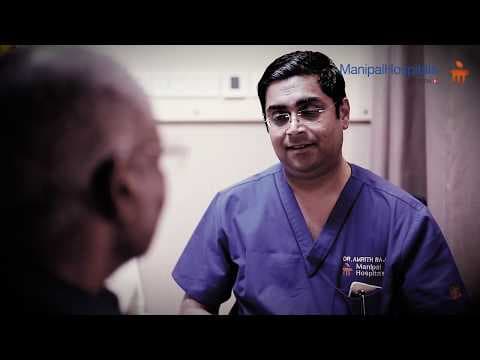
Robot Assisted Radical Prostatectomy
A miraculous Procedure, Robot Assisted Radical Prostatectomy done by Dr. Amrith Raj Rao, Consultant - Urology And Robotic Surgery...
Why Manipal Hospitals?
Lung conditions are a common health concern in India, particularly in rapidly growing urban areas such as Gurugram. Asthma and COPD are among the most common respiratory conditions affecting people across the country. Manipal Hospitals, Gurugram, offers respiratory care within a multispeciality setting. Pulmonologists and respiratory therapists use laboratory tests, imaging, breathing tests, and endoscopic procedures to evaluate lung and respiratory conditions.
Pulmonologists often collaborate with other specialists, such as Critical Care and Cancer Care, in select cases. The hospital also offers telemedicine, remote monitoring, and electronic medical records to support patient care and follow-up. In addition, sleep medicine services are available for patients with sleep-related breathing concerns. For people searching for the best lung hospitals in Gurugram, interventional pulmonology procedures are also performed using minimally invasive techniques when clinically appropriate. The department aims to support patients with coordinated and patient-focused care while addressing their respiratory health concerns.
Lung & Respiratory Care Department
The Lung and Respiratory Care Department evaluates people with symptoms such as cough, breathing difficulty, wheezing, or other respiratory concerns. Doctors assess each patient's condition, identify possible causes, and recommend an appropriate management plan. The department also provides ongoing follow-up when needed to monitor symptoms and review progress.
Services Offered
Some of the services offered at Manipal Hospitals, Gurugram, include the following:
- Pulmonology
- Interventional Pulmonology
- Sleep Medicine
- Lung Transplant
Facilities and Services
Manipal Hospitals, Gurugram, also offers the following facilities and services:
- Evaluation and diagnosis for advanced lung diseases
- State-of-the-art medical and surgical treatment
- Comprehensive lung cancer treatment
- Pulmonary care and rehabilitation
- Pulmonary critical care
- Thoracic surgery
- Smoking-cessation programmes
- Follow-up care
Patients looking for the best lung hospitals in Gurugram can visit Manipal Hospitals to learn more about the available facilities and services.

Not sure what you’re looking for?
Get in touch with our
representatives for help!
Frequently Asked Questions
As one of the top lung hospitals in Gurugram, Manipal Hospitals manages a wide range of respiratory conditions. These include asthma, bronchitis, chronic lung diseases, cystic fibrosis, lung cancer, pulmonary infections, COPD, pulmonary fibrosis, pulmonary hypertension, tuberculosis, pneumonia, and sleep disorders.
Patients should seek medical advice from a lung specialist if they experience symptoms like a persistent cough, shortness of breath, wheezing, chest discomfort, or other ongoing breathing problems.
Depending on the symptom, pulmonologists may recommend breathing tests, imaging, endoscopic procedures, sleep studies, arterial blood gas analysis, or spirometry to help diagnose the condition.
During the consultation, the pulmonologist reviews the patient's symptoms, medical history, and family history, followed by a physical examination. If required, diagnostic tests may be recommended to help identify the underlying condition. Based on the findings, the doctor discusses the diagnosis, treatment plan, and follow-up care with the patient.
Treatment depends on the patient's condition and diagnosis. It may include medicines, oxygen therapy, ventilatory support, pulmonary rehabilitation, CPAP, or procedures such as thoracentesis. When surgery is needed, pulmonologists work with cardiothoracic and vascular surgeons.