

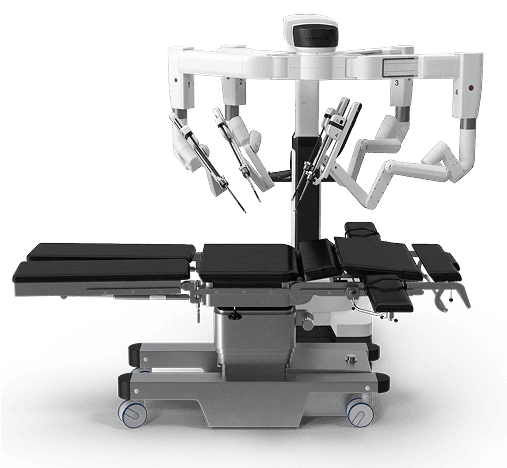
Manipal Hospitals, as one of the recognised nuclear medicine centres in Ghaziabad, offers specialised care using small amounts of radioactive medicines to diagnose and treat select health conditions. The department cares for children and adults with a range of medical needs, including certain cancers and other disorders where nuclear medicine may be appropriate. It also supports doctors by providing information that helps guide treatment planning and ongoing patient care.


Need more Info?Talk to one of our Experts Now!
Consult our Experts
Discover stories of
Method to Miracle!
This is a descriptive text about Method to Miracle, know how Manipal hospital helps patient turn their lives around and perform life altering surguries and treatments, enabling the patients to live the life at the fullest, Yolo!
Robot Assisted Radical Prostatectomy
Robot Assisted Radical Prostatectomy
A miraculous Procedure, Robot Assisted Radical Prostatectomy done by Dr. Amrith Raj Rao, Consultant - Urology And Robotic Surgery...
Why Manipal Hospitals?
Nuclear medicine provides detailed information about how organs and tissues function, helping doctors diagnose and treat a range of medical conditions. At Manipal Hospitals, Ghaziabad, patients can access comprehensive diagnostic nuclear medicine services and low-dose radionuclide therapies at one location. A team of nuclear medicine specialists leads the department, assessing each patient's condition and working with the treating doctor. When needed, the department supports coordinated care with other specialists involved in managing complex conditions, including cancer.
Nuclear medicine may complement other treatments such as surgery, chemotherapy, or radiotherapy when recommended by the treating team. Patients also receive clear guidance on preparation, the procedure, and any follow-up instructions. Those looking for the best nuclear medicine hospitals in Ghaziabad can expect care tailored to their individual medical needs and treatment goals.
Nuclear Medicine Department
The Nuclear Medicine Department cares for patients who need functional imaging or radionuclide therapy for a range of medical conditions. Using small amounts of radioactive tracers, the department evaluates how organs and tissues function and helps detect disease at the molecular level. It also supports diagnosis, treatment planning, and follow-up for conditions related to oncology, cardiology, neurology, endocrinology, nephrology, pulmonology, and gastroenterology.
Services Offered
The Department of Nuclear Medicine offers the following services, some of which include:
- Single-photon emission computed tomography (SPECT)
- Positron emission tomography (PET)
- Myocardial perfusion scan
- Whole body bone scan
- Pulmonary ventilation and perfusion scan
- Thyroid scan
- Parathyroid scan
- Interventional nuclear medicine
- Radionuclide therapy
- Radioimmunotherapy
- Cancer therapy
Facilities and Services
As one of the best nuclear medicine hospitals in Ghaziabad, Manipal Hospitals offers the following facilities and services:
- Use of gamma cameras and positron emission tomography (PET) scanners
- Other complex technologies are available, like different types of scans
- Diagnosis of various disorders
- Treatment of diseases (thyroid, cardiac, bone, or oncology)
- Treatment of cancer (radionuclide-based therapy)
- Multidisciplinary approach

Not sure what you’re looking for?
Get in touch with our
representatives for help!
Frequently Asked Questions
Nuclear medicine is a medical speciality that uses small amounts of radioactive materials to help diagnose and treat certain health conditions, such as cancer. Patients looking for Nuclear Medicine Centres in Ghaziabad can access advanced diagnostic and therapeutic nuclear medicine services at Manipal Hospitals, Ghaziabad.
No, although nuclear medicine is widely used in cancer care, it is also used to diagnose and manage conditions affecting the heart, kidneys, thyroid, lungs, brain, bones, and other organs.
Nuclear medicine procedures use carefully controlled amounts of radioactive material and are generally considered safe. The amount of radiation depends on the procedure, and the nuclear medicine team will explain any risks and necessary precautions before the scan.
Preparation depends on the type of nuclear medicine scan. Some scans may require fasting or temporary changes to certain medications, while others need little or no preparation. The healthcare team provides patients with specific instructions before the appointment.
PET scans are generally safe, and side effects are uncommon. Some patients may have mild discomfort at the injection site, while allergic reactions to the tracer are rare. The radioactive tracer leaves the body naturally over time. Patients who are pregnant or breastfeeding should inform their doctor before the scan.