

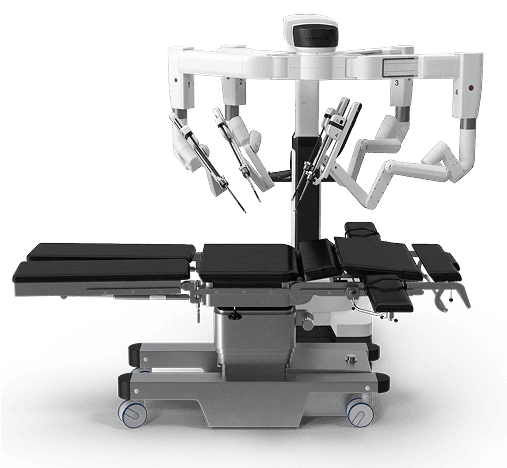
As one of the leading brain hospitals in Ghaziabad, Manipal Hospitals provides care for people with conditions affecting the brain, spinal cord and peripheral nerves. The hospital offers both medical and surgical care for children and adults with neurological disorders. It cares for patients with conditions such as stroke, epilepsy, Parkinson's disease, Alzheimer's disease, traumatic brain and spinal cord injuries, brain tumours, and disorders of cognition.
Our Brain Care Specialities

Neuropsychology
Best Neuropsychology Hospitals in Ghaziabad
The Neuropsychology Department at Manipal Hospital Ghaziabad provides specialised assessment and rehabilitation services for individuals experiencing cognitive, behavioural, emotional, and neurological difficulties resulting from brain injuries, neurological disorders, and developmental conditions. Recognised among the best neuropsychology hospitals in Ghaziabad, the department focuses on understanding the relationship between brain function and behaviour through comprehensive neuropsychological evaluations and personalised intervention programmes.
Patients seeking care at one of the leading neuropsychology centres in Ghaziabad benefit from multidisciplinary expertise involving neurologists, neuropsychologists, psychiatrists, psychologists, rehabilitation specialists, and allied healthcare professionals. The department aims to improve cognitive functioning, emotional well-being, independence, and overall quality of life through evidence-based care.

Skull Base Surgery
Top Skull Based Surgery Hospitals in Ghaziabad, Delhi
Manipal Hospitals Ghaziabad, Delhi is recognised among the top skull based surgery hospitals in Ghaziabad, Delhi, offering advanced treatment for complex tumours, cysts, and vascular abnormalities located at the base of the skull. The department combines state-of-the-art imaging, endoscopic systems, and minimally invasive surgical methods to treat conditions affecting delicate areas near the brain, cranial nerves, and major blood vessels. Experienced neurosurgeons, ENT specialists, and radiologists work together to ensure precise diagnosis and tailored surgical planning. Every stage of care—from assessment to surgery and rehabilitation—is guided by strict protocols for patient safety, monitoring, and recovery. With a focus on accuracy, safety, and multidisciplinary care, Manipal Hospitals provides a trusted environment for skull base procedures that demand high expertise.
Neurorehabilitation
Neurorehabilitation
Neurorehabilitation is a specialised branch of medicine focused on helping individuals recover and regain function after neurological conditions affecting the brain, spinal cord, or nerves. At Manipal Hospitals Ghaziabad, the Neurorehabilitation programme supports patients recovering from stroke, traumatic brain injury, spinal cord injury, Parkinson’s disease, multiple sclerosis, neuropathy, and other neurological disorders. Through a multidisciplinary approach, specialists work together to improve mobility, communication, cognitive function, and independence. Using evidence-based therapies and personalised rehabilitation plans, the team aims to maximise recovery potential and enhance quality of life. Early intervention, continuous monitoring, and patient-centered care help individuals achieve better functional outcomes and return to their daily activities with greater confidence.
Neurology
Best Neuro Hospitals in Ghaziabad
The Neurology Department at Manipal Hospital Ghaziabad provides specialised care for disorders affecting the brain, spinal cord, nerves, and muscles. Recognised among the leading neuro hospitals in Ghaziabad, the department offers comprehensive diagnosis, treatment, and long-term management for conditions such as stroke, epilepsy, migraine, Parkinson’s disease, multiple sclerosis, neuropathy, dementia, movement disorders, and neuromuscular diseases. Patients benefit from advanced diagnostics, experienced neurologists, and evidence-based treatment plans designed to improve neurological health and quality of life.
As one of the trusted neurology hospitals in Ghaziabad, Manipal Hospital Ghaziabad combines clinical expertise, advanced neurodiagnostic facilities, and multidisciplinary care to deliver comprehensive neurological services across acute, chronic, and complex neurological conditions.
Neuro Otology
Neuro Otology
Neuro-otology is a specialised branch of medicine that focuses on disorders affecting the inner ear, balance system, and their neurological connections. At Manipal Hospital Ghaziabad, the department provides comprehensive evaluation and treatment for conditions such as vertigo, dizziness, balance disorders, vestibular dysfunction, tinnitus, hearing-related neurological conditions, and other disorders affecting equilibrium and spatial orientation. The speciality combines expertise from neurology and otolaryngology to accurately diagnose complex conditions that affect hearing and balance. Recognised as the best neuro-otology hospital in Ghaziabad, the department delivers advanced diagnostic services and personalised treatment plans to improve patient well-being and quality of life.


Need more Info?Talk to one of our Experts Now!
Consult our Experts
Discover stories of
Method to Miracle!
This is a descriptive text about Method to Miracle, know how Manipal hospital helps patient turn their lives around and perform life altering surguries and treatments, enabling the patients to live the life at the fullest, Yolo!
Robot Assisted Radical Prostatectomy
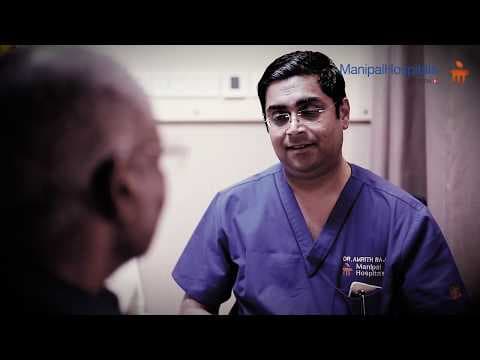
Robot Assisted Radical Prostatectomy
A miraculous Procedure, Robot Assisted Radical Prostatectomy done by Dr. Amrith Raj Rao, Consultant - Urology And Robotic Surgery...
Why Manipal Hospitals?
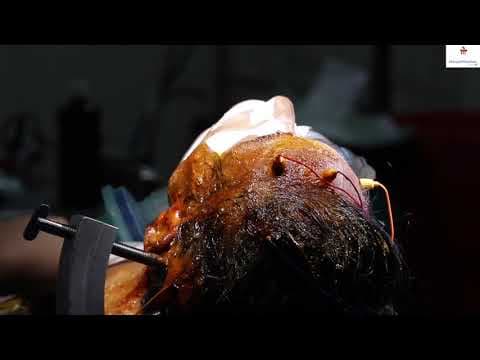
Brain disorders require comprehensive medical care, surgery, or long-term follow-up depending on the condition. At Manipal Hospitals, Ghaziabad, the dedicated Brain Care Department offers care supported by over 30 years of experience in neurological care. The department has experienced neurologists and neurosurgeons, supported by nurses, technicians and support staff who provide care for a wide range of neurological conditions.
Patients have access to advanced neurophysiological studies and minimally invasive and robotic-assisted neurosurgical procedures where appropriate. The hospital also offers specialised services, including a Memory Clinic, Stroke Management, Neuro Intensive Care, and Adult and Paediatric Neurology Services. Doctors also participate in global research and work through a multidisciplinary approach to support patient care. Patients looking for the best brain hospitals in Ghaziabad can access these integrated neurological services.
Brain Care Department
The Brain Care Department provides coordinated care through consultation, clinical evaluation, diagnosis, treatment planning, and follow-up. Neurologists and neurosurgeons work together to recommend medical or surgical care based on each patient's condition. The department focuses on timely care, symptom management, and preserving neurological function throughout the patient's treatment journey.
Services Offered
As one of the top brain hospitals in Ghaziabad, Manipal Hospitals offers a range of services at its Brain Care Department. Some of these include:
- Neurology services: Adult and paediatric neurology services, stroke management, epilepsy management, management of Parkinson’s disease and Alzheimer’s disease, cerebrovascular disease care
- Neurosurgery procedures: Skull base and spine surgery, arteriovenous malformation (AVM) treatment, stereotactic radiosurgery, spinal tumour surgery, and deep brain stimulation
Facilities and services
Manipal Hospitals, Ghaziabad, offers the following facilities and services:
- Advanced neurophysiological studies, minimally invasive and robotic-assisted neurosurgical procedures
- Diagnostic facilities, including MRI, 3-Tesla MRI, electroencephalogram (EEG), electromyography (EMG), nerve conduction studies (NCS), electrophysiology lab, molecular diagnostics, and lumbar puncture.
- Neurosurgical facilities, including a state-of-the-art operating room, a Zeiss Pentero microscope, cranial endoscopes, high-speed drills, a Cavitron Ultrasonic Surgical Aspirator, and an intraoperative neuro-monitoring machine.

Not sure what you’re looking for?
Get in touch with our
representatives for help!
Frequently Asked Questions
As one of the leading brain hospitals in Ghaziabad, Manipal Hospitals’ Brain Care Department manages a range of conditions. Some of these include stroke, epilepsy, Parkinson's disease, Alzheimer's disease, traumatic brain and spinal cord injuries, brain tumours, and disorders of cognition.
Patients should seek immediate medical care if there is sudden weakness or numbness on one side of the body, difficulty speaking or understanding speech, sudden loss of vision, severe headache, seizures, loss of consciousness, or sudden difficulty with balance or walking. Prompt evaluation is important to identify the cause and begin appropriate treatment.
During the first visit, the specialist discusses the patient's symptoms, medical history, and any previous medical records, followed by a neurological examination. Depending on the condition, the doctor may recommend tests such as an EEG, MRI, or CT scan to establish a diagnosis. The specialist then discusses the diagnosis and treatment plan based on the findings, as well as whether medical or neurosurgical care is appropriate.
The risk of stroke can be reduced by controlling conditions such as high blood pressure, diabetes, and high cholesterol, avoiding tobacco use, eating a balanced diet, staying physically active, maintaining a healthy weight, and limiting alcohol intake.
Yes, the Brain Care Department works with the Rehabilitation and Physiotherapy Department to support rehabilitation after neurosurgery. Physiotherapists and rehabilitation specialists develop personalised rehabilitation plans to help patients regain motor, sensory, and cognitive functions.