

As one of the best anaesthesiology hospitals in Ghaziabad, Manipal Hospitals offers anaesthesia care for patients undergoing surgical procedures. Anaesthesiology is the branch of medicine that focuses on the safe use of anaesthesia to reduce pain or induce unconsciousness during surgery. The department administers different types of anaesthesia based on the planned procedure.
Our Anaesthesiology Specialities

Heart Transplant
Heart Transplant Hospitals in Ghaziabad
The Heart Transplant Department at Manipal Hospital Ghaziabad provides specialised care for patients with advanced heart failure and complex cardiac conditions that may require transplantation. Recognised among the leading heart transplant hospitals in Ghaziabad, the department offers comprehensive evaluation, transplant planning, surgical expertise, and long-term post-transplant care. Patients benefit from advanced diagnostic facilities, experienced cardiac specialists, multidisciplinary support, and personalised treatment plans designed to improve survival and quality of life.
For patients seeking a heart transplant in Ghaziabad, the department follows evidence-based protocols and a coordinated approach involving cardiologists, cardiac surgeons, transplant specialists, critical care experts, rehabilitation professionals, and transplant coordinators to ensure seamless care throughout the transplant journey.

Robotic Heart Surgery
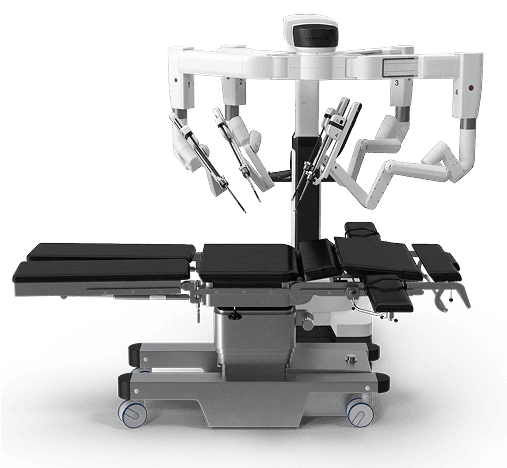
Manipal Hospitals Ghaziabad is recognised as a leading centre for robotic heart surgery in Ghaziabad, providing minimally invasive solutions for patients with complex cardiac conditions. Using advanced robotic-assisted systems such as the SSI Mantra platform, highly skilled surgeons perform procedures like coronary artery bypass grafting (CABG), valve repair or replacement, atrial septal defect closure, and arrhythmia correction through small incisions. This approach reduces trauma, lowers infection risks, and minimises scarring compared to traditional open-heart surgery. With shorter hospital stays and faster recovery times, robotic heart surgery combines precision technology with clinical expertise to improve outcomes and enhance patient comfort.


Need more Info?Talk to one of our Experts Now!
Consult our Experts
Discover stories of
Method to Miracle!
This is a descriptive text about Method to Miracle, know how Manipal hospital helps patient turn their lives around and perform life altering surguries and treatments, enabling the patients to live the life at the fullest, Yolo!
Robot Assisted Radical Prostatectomy
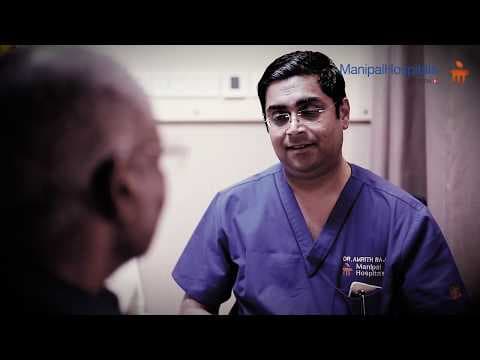
Robot Assisted Radical Prostatectomy
A miraculous Procedure, Robot Assisted Radical Prostatectomy done by Dr. Amrith Raj Rao, Consultant - Urology And Robotic Surgery...
Why Manipal Hospitals?
Anaesthesia care is an important part of surgery and requires careful monitoring before, during, and after the procedure. At Manipal Hospitals, Ghaziabad, trained and experienced anaesthesiologists work closely with surgeons, doctors, and nursing staff to select the most appropriate anaesthesia for each procedure. The hospital follows established safety standards and clinical guidelines to support safe anaesthesia care throughout surgery.
During surgery, anaesthesiologists use advanced monitoring equipment to track vital signs and respond to medical emergencies as needed. The department provides a full spectrum of anaesthesia services, including local, regional, and general anaesthesia, as well as monitored anaesthesia care. These services support patients undergoing procedures across specialities such as General Surgery, Orthopaedics, Oncology, and Maxillofacial Surgery.
Anaesthesiology Department
The Department of Anaesthesiology evaluates patients before surgery and plans the most suitable type of anaesthesia. Anaesthesiologists administer anaesthesia, monitor patients throughout surgery, and continue care after the procedure. The goal of the department is to provide safe and effective anaesthesia care tailored to each patient's surgical needs.
Services Offered
As one of the top anaesthesiology hospitals in Ghaziabad, Manipal Hospitals offers the following services:
- Local anaesthesia
- Regional anaesthesia
- Spinal anaesthesia
- Epidural anaesthesia
- General anaesthesia
- Monitored anaesthesia care (MAC)
Facilities and services
Manipal Hospitals, Ghaziabad, offers the following facilities and services:
- Anaesthesia support for surgical procedures across multiple specialities, including general surgery, orthopaedics, cardiac surgery, and oncology
- Sophisticated monitoring technology and equipment to monitor vital signs during and after surgery
- Modular operating theatres with laminar airflow to support infection control during surgical procedures
- Continuous monitoring to identify and manage medical emergencies during and after surgery
People looking for top anaesthesiology hospitals in Ghaziabad can visit Manipal Hospitals to learn more about the facilities and services available.

Not sure what you’re looking for?
Get in touch with our
representatives for help!
Frequently Asked Questions
As one of the best anaesthesiology hospitals in Ghaziabad, Manipal Hospitals offers different types of anaesthesia. Depending on the patient's condition and type of surgery, the department offers local, regional, and general anaesthesia, as well as monitored anaesthesia care.
Anaesthesia is generally safe when administered by a qualified anaesthesiologist. Before surgery, the anaesthesiologist evaluates the patient's health and medical history to determine the most appropriate type of anaesthesia. Patients are continuously monitored during the procedure, and the team is prepared to manage any complications that may arise.
Before surgery, the anaesthesiologist evaluates the patient's overall health, medical history, current medications, allergies, and previous experience with anaesthesia. This assessment helps plan anaesthesia care based on the patient's condition and the planned procedure.
Some patients may experience temporary side effects after anaesthesia, such as nausea, sore throat, dizziness, or confusion. The anaesthesiologist discusses potential risks before surgery and monitors the patient closely during the procedure.
Most patients recover from the effects of anaesthesia within a few hours, but drowsiness and reduced alertness can continue for up to 24 hours. Patients should avoid driving, operating machinery, or making important decisions during this period. Tiredness may last longer, depending on the type of surgery and individual recovery.