

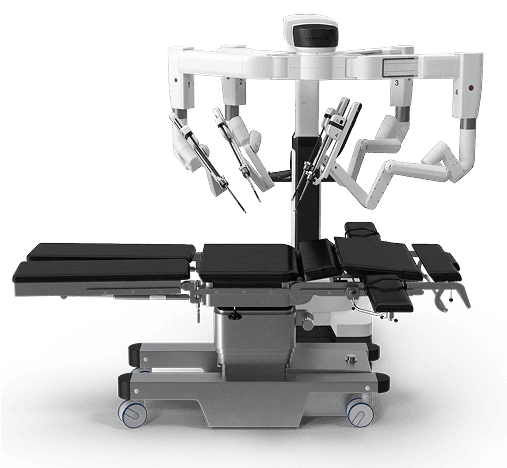
A routine health check that returns an unexpectedly elevated serum creatinine, swelling around the ankles that persists through the day, a burning sensation during urination that recurs despite treatment, or the discovery of a stone that has been silently growing within the kidney can each raise concerns about the health of the renal and urinary system. The Kidney and Urinary Care Department at Manipal Hospital Doddaballapur combines the services of nephrology and urology to diagnose diseases affecting the kidneys, ureters, bladder, and urethra. As a dedicated kidney hospital in Doddaballapur, Bangalore, we provide integrated medical and surgical care to preserve renal function and relieve urinary symptoms.
Our Kidney And Urinary Care Specialities

Urology
Best Urology Hospital in Doddaballapur
Urinary symptoms have a way of quietly disrupting daily life. A persistent need to use the bathroom, lingering discomfort, or an unexpected test result can leave one feeling concerned and uncertain about the next step. At Manipal Hospital Doddaballapur, the Urology Department provides a setting that addresses these concerns with clinical thoroughness and respect for patient privacy. As a trusted urology hospital in Doddaballapur, Bangalore, we combine diagnostic precision with treatment pathways that prioritise both recovery and long-term wellbeing.

Dialysis Care
Dialysis is a lifesaving treatment for people with an acute kidney injury or chronic kidney disease that is used to cleanse waste products from the blood. Among the most trusted dialysis hospitals in Doddaballapur, Bangalore, Manipal Hospitals Doddaballapur, Bangalore provides safe and reliable dialysis care with quick diagnosis and steady support. Our nephrologists, dialysis technicians, and nurses guide every step with clear plans and compassionate care for both working adults and the elderly. We maintain strict hygiene standards and advanced water systems, and offer transport support to reduce stress.
Nephrology
Best Kidney Hospital in Doddaballapur
Learning that your kidneys are not functioning as they should can bring a wave of uncertainty. Questions about treatment, lifestyle changes, and long-term health often follow such news. At Manipal Hospital Doddaballapur, our nephrology team provides the expertise needed during this challenging time. As a leading kidney hospital in Doddaballapur, Bangalore, we focus on delivering clear answers and effective care. Our goal is to help you manage your condition with confidence, preserving your quality of life while addressing the medical aspects of kidney disease with precision and compassion.


Need more Info?Talk to one of our Experts Now!
Consult our Experts
Discover stories of
Method to Miracle!
This is a descriptive text about Method to Miracle, know how Manipal hospital helps patient turn their lives around and perform life altering surguries and treatments, enabling the patients to live the life at the fullest, Yolo!
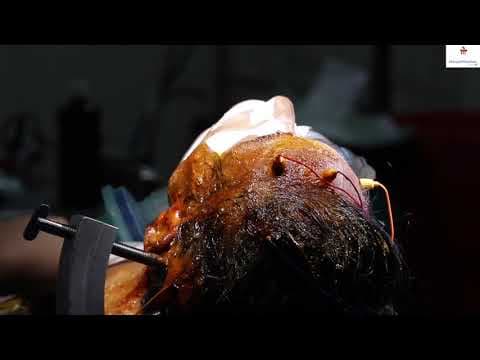
Robot Assisted Radical Prostatectomy
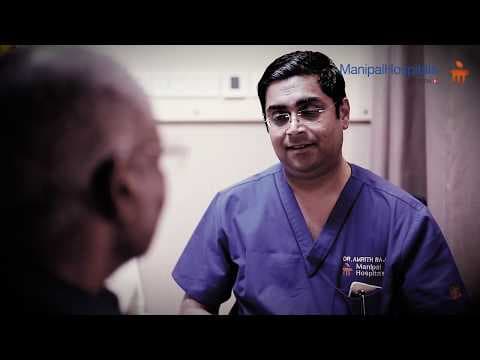
Robot Assisted Radical Prostatectomy
A miraculous Procedure, Robot Assisted Radical Prostatectomy done by Dr. Amrith Raj Rao, Consultant - Urology And Robotic Surgery...
Why Manipal Hospitals?
Kidney disease often progresses without symptoms until a significant portion of renal function has been lost. A patient with diabetes and mild proteinuria may be on a trajectory toward end-stage renal disease that can be slowed considerably with early intervention. At Manipal Hospital Doddaballapur, the best kidney hospital in Doddaballapur, Bangalore, approaches every nephrological and urological presentation with the understanding that kidney health is inextricably linked to cardiovascular health, metabolic control, and medication safety:
- Medical management of chronic kidney disease with blood pressure control using renin-angiotensin-aldosterone system blockade, dietary protein and sodium modification, anaemia correction, and bone-mineral metabolism monitoring
- Stone disease management spanning metabolic evaluation with twenty-four-hour urine collection, medical dissolution therapy, extracorporeal shock wave lithotripsy, and endoscopic stone retrieval with laser fragmentation
- Prostate evaluation with digital rectal examination, serum prostate-specific antigen measurement, uroflowmetry, and transrectal ultrasound-guided biopsy when clinically indicated for suspected malignancy
- Fluid and electrolyte disorder management covering hyponatraemia, hyperkalaemia, metabolic acidosis, and disorders of calcium and phosphate balance with tailored pharmacotherapy and dietary guidance
Kidney & Urinary Care Department
The Kidney & Urinary Care Department of Manipal Hospital Doddaballapur deals with health problems related to kidneys, the urinary tract, and the male genitourinary system. This is specialist care for patients suffering from acute/chronic renal diseases, high blood pressure, nephrotic syndrome, urinary calculi, urinary tract infections, prostate problems, and voiding dysfunctions. Urinary tract infections and mild cases of high blood pressure can be managed at general practice clinics.
Services Offered
Our Kidney and Urinary Care Department delivers a comprehensive range of nephrology and urology services for medical and surgical conditions:
- Nephrology consultation with renal function assessment and cardiovascular risk evaluation
- Urology consultation with focused genitourinary examination and symptom assessment
- Serum creatinine and estimated glomerular filtration rate monitoring for renal function tracking
- Urine microscopy and culture for infection diagnosis and antibiotic sensitivity guidance
- Twenty-four-hour urine collection for metabolic stone evaluation and protein quantification
- Renal ultrasound for kidney size, cortical echogenicity, and hydronephrosis assessment
- Medical management of chronic kidney disease with blood pressure control and renoprotective strategies
- Ureterorenoscopy with laser lithotripsy for ureteric and renal stone fragmentation
- Cystoscopy for diagnostic evaluation of haematuria and bladder pathology
- Management of acute kidney injury with fluid resuscitation and nephrotoxic medication adjustment
- Arteriovenous fistula creation and permacath insertion for haemodialysis access
- Electrolyte and acid-base disorder management with intravenous and oral correction protocols
Facilities and Services
At Manipal Hospital Doddaballapur, we maintain dedicated nephrology and urology infrastructure to support accurate diagnosis and safe intervention:
- Nephrology consultation room with sphygmomanometer, stethoscope, and fundoscope for comprehensive cardiovascular-renal assessment
- Urology consultation room with examination couch, privacy screen, and uroflowmetry setup for voiding function assessment
- Renal ultrasound unit with curvilinear probe for kidney size, cortical thickness, and collecting system evaluation
- Transrectal ultrasound probe for prostate volume measurement and guided biopsy when indicated
- Extracorporeal shock wave lithotripsy unit for non-invasive fragmentation of renal and upper ureteric stones
- Endoscopic tower with rigid and flexible ureterorenoscopes and holmium laser for stone fragmentation
- Cystoscopy setup with rigid and flexible scopes for diagnostic and therapeutic bladder procedures
- In-house pathology laboratory for rapid serum creatinine, electrolyte, and urine analysis with same-day results
- Modular operating theatre for transurethral prostate surgery, ureterorenoscopy, and open urological procedures
- Digital renal imaging archive enabling comparison of serial ultrasound studies and tracking of stone burden and renal size over time

Not sure what you’re looking for?
Get in touch with our
representatives for help!
Frequently Asked Questions
A high creatinine level indicates reduced kidney filtration, and an evaluation should be performed to determine whether the cause is temporary or permanent. Dehydration, drugs, and recent illness may all contribute to increased creatinine levels.
Small stones under five millimetres often pass spontaneously with increased fluid intake and analgesia. Medical expulsive therapy with alpha-blockers aids passage of distal ureteric stones. Larger or obstructing stones causing pain, infection, or renal impairment require intervention with shock wave lithotripsy or endoscopic removal.
Such dietary changes involve restricting protein intake, a low-sodium diet to control blood pressure and water retention, restricting potassium intake if potassium levels are high, and restricting phosphorus intake to maintain healthy bones.
Additional symptoms, such as fever, chills, flank pain, nausea, and vomiting, indicate a kidney infection (pyelonephritis). The treatment consists of seeking medical help promptly and using antibiotics.
The age at which prostate-specific antigen testing is discussed starts at fifty years for average-risk men and at forty-five years for men with a family history or of African descent. Testing will depend on the level and change in PSA.