


Bone Cancer vs Bone Metastasis: Key Differences Every Patient Must Understand
Reviewed by: Manipal Hospitals
Posted on
6 Min Read

Not sure what you’re looking for?
Get in touch with our representatives for help!
Contact UsThe skeletal system, our body's framework, can sometimes be affected by serious conditions that cause pain and concern. When discussing malignancies related to bones, two terms frequently arise: bone cancer and bone metastasis. While both involve cancerous cells in bone tissue, they are fundamentally different in their origin and implications. Navigating these distinctions is crucial for accurate diagnosis, effective bone cancer treatment, and patient understanding. Our cancer care specialists in Delhi believe in empowering patients with clear, concise information to help them make informed health decisions.
Let's delve into the core differences between primary bone cancer and bone metastasis, ensuring every patient understands their unique characteristics.
Understanding Primary Bone Cancer
Primary bone cancer, also known as bone sarcoma, is a relatively rare form of cancer that originates directly in the bone cells or the tissues that form bones, such as cartilage. Unlike cancers that spread to the bone from other parts of the body, primary bone cancer begins its journey within the bone itself.
What is Primary Bone Cancer?
Primary bone cancer can arise from various types of bone cells and tissues. The exact bone cancer causes are often unknown, but certain factors can increase risk, including genetic syndromes, previous radiation exposure, and specific bone conditions like Paget's disease. While it can occur at any age, some types are more common in children and young adults.
-
Osteosarcoma: The most common type, originating in bone-forming cells, is often seen in children and adolescents.
-
Chondrosarcoma: Arises from cartilage-forming cells, typically affecting adults over 40.
-
Ewing Sarcoma: Affects bone or soft tissue, common in children and young adults.
Identifying Bone Cancer Symptoms
Recognising the early signs of primary bone cancer is vital for prompt intervention. The symptoms can sometimes be subtle, making early detection a challenge. However, persistent and worsening symptoms should never be ignored.
-
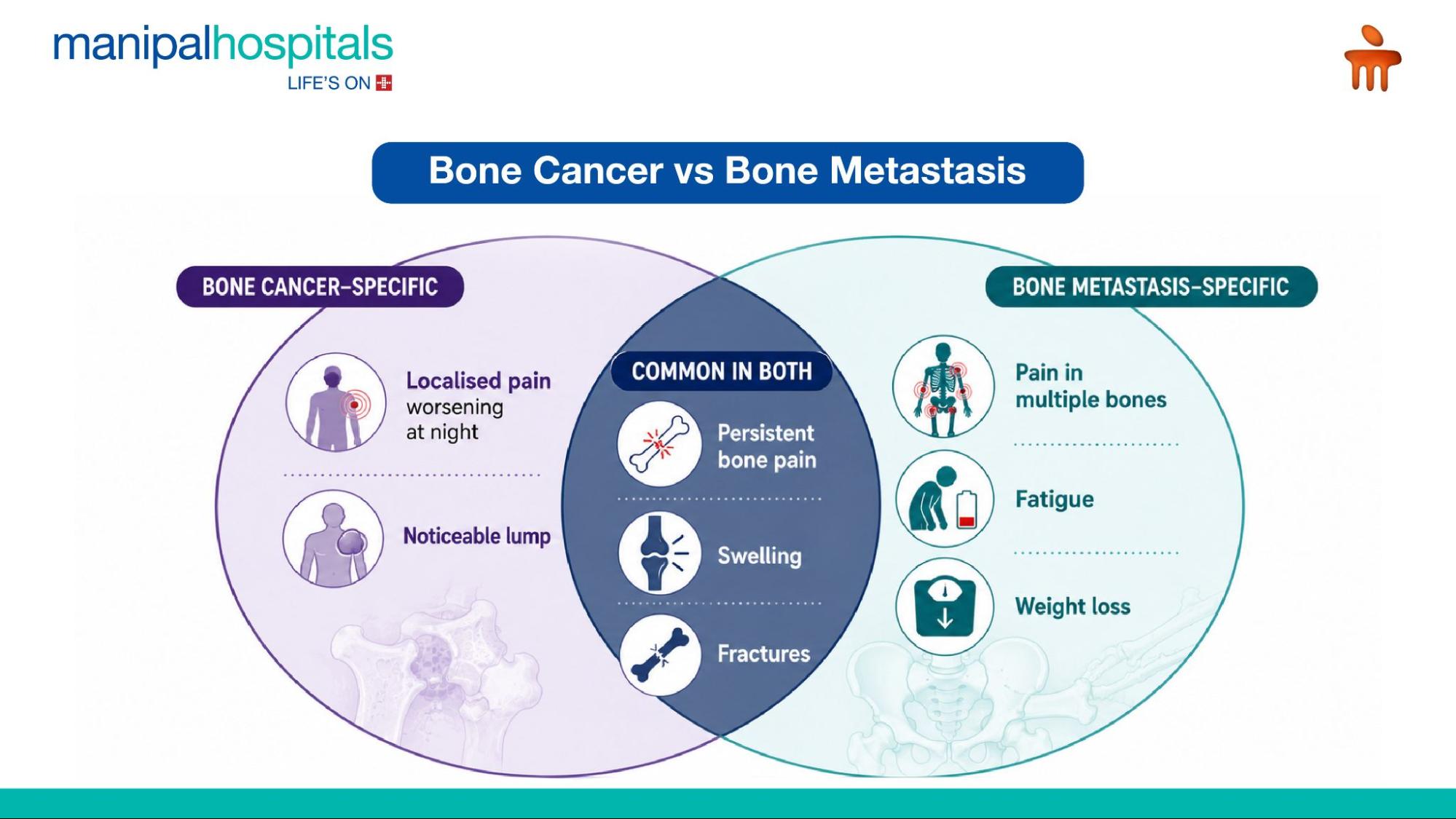
Persistent Bone Pain: This is the most common symptom. It can be dull or aching, often worse at night or with activity, and may not be relieved by rest or over-the-counter pain medication.
-
Swelling or Tenderness: A noticeable lump or swelling may appear near the affected bone, which might be tender to the touch.
-
Unexplained Fractures: Bones weakened by cancer can fracture more easily, sometimes even from minor trauma.
-
Limited Movement: If the tumour is near a joint, it can restrict movement or cause stiffness.
-
Fatigue and Weight Loss: General symptoms like unexplained fatigue, fever, and unintentional weight loss can also occur, especially in more advanced stages.
When patients present with these concerns, our oncologists in Delhi, employs advanced diagnostic tools to pinpoint the cause.
Early Diagnosis and Bone Cancer Treatment
Early diagnosis is a cornerstone of successful bone cancer treatment. Prompt medical evaluation can significantly improve outcomes. We are proud to share that with timely intervention and comprehensive care, many forms of primary bone cancer have remarkable success rates. For instance, localised osteosarcoma, when diagnosed and treated early, sees survival rates exceeding 70% in many cases, thanks to modern therapeutic approaches.
Treatment typically involves a combination of surgery to remove the tumour, chemotherapy, and sometimes radiation therapy. The specific approach is tailored to the individual patient by a multidisciplinary team, including our expert oncologists in Delhi.
Decoding Bone Metastasis
Bone metastasis, also known as secondary bone cancer, is far more common than primary bone cancer. This condition occurs when cancer cells from a primary tumour located elsewhere in the body (such as breast, prostate, lung, kidney, or thyroid) travel through the bloodstream or lymphatic system and establish new tumours in the bones.
What is Bone Metastasis?
Bone metastasis causes include any advanced cancer that has the potential to spread. It signifies that the original cancer has progressed beyond its initial site. While it's a serious development, advancements in treatment mean that bone metastases can often be managed effectively to control pain, prevent complications, and maintain a good quality of life.
Common primary cancers that frequently metastasise to bone include:
-
Prostate cancer
-
Lung cancer
-
Kidney cancer
-
Thyroid cancer
Recognising Bone Metastasis Symptoms
The symptoms of bone metastasis often mirror those of primary bone cancer, but they can also present alongside symptoms of the original cancer. Patients with a history of cancer must be vigilant for these signs:
-
Bone Pain: Similar to primary bone cancer, persistent pain in the bones is the most common symptom. It can be localised and often worsens over time.
-
Fractures: Weakened bones are prone to pathological fractures, occurring with minimal or no trauma.
-
Spinal Cord Compression: If metastases affect the spine, it can compress the spinal cord, leading to back pain, numbness, weakness, or even paralysis in the legs. This is a medical emergency.
-
Hypercalcemia: The destruction of bone tissue can release high levels of calcium into the blood, leading to symptoms like nausea, vomiting, constipation, excessive thirst, confusion, and fatigue.
-
Neurological Symptoms: Depending on the location, nerve compression can cause tingling, numbness, or weakness in limbs.
Many patients describe their journey as "How I found out I had bone cancer" when they actually refer to bone metastasis, highlighting the critical need for clear patient education on these distinctions.
Management and Care for Bone Metastasis
The goal of managing bone metastasis is primarily to control symptoms, prevent complications like fractures, and improve the patient's quality of life. Treatment strategies depend on the primary cancer type, the extent of metastasis, and the patient's overall health. Options include:
-
Systemic Therapies: Chemotherapy, hormone therapy, targeted therapy, or immunotherapy for the primary cancer can also help control bone metastases.
-
Radiation Therapy: Highly effective in reducing pain and preventing fractures in affected bones.
-
Bone-Modifying Agents: Medications that help strengthen bones and reduce the risk of fractures and hypercalcemia.
-
Pain Management: A combination of medications and interventional procedures to alleviate pain.
-
Surgery: To stabilise bones at risk of fracture or repair existing fractures.
Our expert oncologists in Delhi work collaboratively with orthopaedic surgeons and pain management specialists to develop a comprehensive, personalised care plan for each patient, focusing on comfort and functional independence. With advancements, many patients with bone metastasis can maintain a high quality of life for extended periods, with some treatments showing over 80% effectiveness in pain control.
Key Distinctions: Bone Cancer vs. Bone Metastasis
Understanding these fundamental differences is key to proper diagnosis and treatment:
Origin:
-
Primary Bone Cancer: Starts in the bone cells.
-
Bone Metastasis: Starts elsewhere in the body and spreads to the bone.
Prevalence:
-
Primary Bone Cancer: Rare.
-
Bone Metastasis: Much more common, especially in patients with advanced cancers.
Nomenclature:
-
Primary Bone Cancer: Named after the type of cell it originates from (e.g., osteosarcoma).
-
Bone Metastasis: Named after the primary cancer (e.g., metastatic breast cancer to bone).
Treatment Focus:
-
Primary Bone Cancer: Aims for cure, often involving aggressive local and systemic treatments.
-
Bone Metastasis: Focuses on controlling the disease, managing symptoms, preventing complications, and improving quality of life.
Understanding the difference between primary bone cancer and bone metastasis is a critical step in managing bone health. While these conditions present unique challenges, the good news is that medical advancements offer various effective treatment and management strategies. Early detection and expert care remain paramount for the best possible outcomes.
If you or a loved one is experiencing symptoms suggestive of bone pain or potential malignancy, prompt evaluation is vital. Connect with our dedicated team of oncologists in Delhi today for a comprehensive assessment.
Frequently Asked Questions
While a complete cure for bone metastasis is rare, it is often highly treatable. The goal is to control the disease, manage symptoms, prevent complications, and maintain a good quality of life for as long as possible. Advancements in therapies have significantly extended life expectancy for many patients.
The most common initial symptom for both primary bone cancer and bone metastasis is persistent, unexplained bone pain. This pain often worsens at night or with activity and is not relieved by rest or standard pain relievers. Other early signs can include swelling or a palpable lump near the affected bone.
Diagnosis typically involves a combination of imaging tests (X-rays, MRI, CT scans, bone scans, PET scans), blood tests, and crucially, a biopsy of the suspicious area. A biopsy is essential to confirm the presence of cancer cells and determine if it's primary bone cancer or metastasis.
Most bone metastases cause some degree of pain, especially as they grow and weaken the bone. However, some smaller metastases might be asymptomatic initially and only discovered incidentally during imaging for other reasons. Effective pain management is a key aspect of treatment.
Recovery time varies greatly depending on the type and stage of cancer, the specific treatments received (e.g., surgery, chemotherapy, radiation), and individual patient factors. It can range from several months to a year or more, often involving rehabilitation to regain strength and function.
Share this Article


Recent Blogs

Laparoscopic Hemicolectomy: Procedure, Benefits, Recovery, and Risks
29 Jun 20267 Min Read
Digestive health problems affecting the colon can significantly impact quality of life, especially when conditions such as colon cancer, inflammatory bowel disease, or severe diverticular disease require surgical treatment. In such situations, hemicolectomy surgery is often recommended to remove the diseased section of the colon while preserving healthy bowel function. With advances in minimally invasive techniques, laparoscopic hemicolectomy has become a preferred option for many patients because it offers reduced pain, faster recovery, and smaller scars compared to traditional open surgery. Understanding the procedure, its benefits, recovery timeline, and potential risks can help patients make informed decisions before undergoing hemicolectomy surgery.
Read NowBlood Cancer: Symptoms, Causes, and Understanding Mantle Cell Lymphoma
29 Jun 20267 Min Read
Blood cancer is a life-altering condition that affects the production and function of blood cells. While many people associate cancer with solid tumours, blood cancers develop within the bone marrow, blood, or lymphatic system and often spread silently before noticeable symptoms appear. Recognising blood cancer symptoms early can significantly improve treatment outcomes and quality of life. From unexplained fatigue to swollen lymph nodes and frequent infections, blood cancer symptoms are often subtle in the beginning. Unfortunately, many individuals ignore these warning signs until the disease progresses. Understanding the causes, risk factors, and available blood cancer treatment options is therefore crucial for timely intervention. One rare yet aggressive form of blood cancer is mantle cell lymphoma, a subtype of non-Hodgkin lymphoma that requires specialised diagnosis and treatment. In this guide, we explore the most important blood cancer symptoms, different types of blood cancer, the science behind Mantle cell lymphoma translocation, and the latest advances in treatment and prognosis.
Read NowCardiorenal Syndrome: When Heart Disease Affects Kidney Health
29 Jun 20267 Min Read
Heart and kidney health are deeply interconnected. When one organ begins to fail, the other often suffers as well. This complex medical condition is known as cardiorenal syndrome, a growing concern among patients with chronic heart disease, diabetes, hypertension, and ageing-related health complications. Many people are unaware that untreated heart disease can gradually damage kidney function, while kidney disorders can significantly worsen cardiovascular health. Understanding cardiorenal syndrome early is essential for preventing long-term complications, repeated hospitalisations, and organ failure. In this blog, we explain how cardiorenal syndrome develops, its warning signs, causes, diagnosis, treatment options, and when to seek expert care.
Read NowBreast-Conserving Surgery vs Mastectomy: Choosing the Right Option
26 Jun 20269 Min Read
Breast cancer treatment has evolved significantly over the last two decades, giving women more personalised and effective surgical options than ever before. One of the most important decisions many patients face is whether to undergo breast conserving surgery or a mastectomy. While both procedures aim to remove cancer and improve long-term survival, the right choice depends on several medical, emotional, cosmetic, and lifestyle factors. Understanding the difference between breast conserving surgery vs mastectomy can help patients feel more informed, confident, and prepared during their treatment journey. Modern advancements in breast cancer surgery now focus not only on cancer removal but also on preserving quality of life, body image, and emotional wellbeing. If you or a loved one has recently been diagnosed with breast cancer, this guide explains everything you need to know about breast conserving surgery, mastectomy, recovery, benefits, risks, eligibility, and long-term outcomes.
Read NowBrain Aneurysm Coiling: Procedure, Benefits, Risks, and Recovery
22 Jun 20267 Min Read
A brain aneurysm can develop silently for years before suddenly becoming life-threatening. With advancements in modern neuroscience, aneurysm coiling has emerged as one of the most preferred minimally invasive procedures for treating brain aneurysms effectively while reducing surgical trauma and recovery time. Compared to conventional open surgery, brain aneurysm coiling offers faster healing, lower complication rates in selected cases, and excellent long-term outcomes. Today, many patients diagnosed with aneurysms are being treated successfully using this advanced endovascular coiling technique. In this detailed guide, we explain everything you need to know about aneurysm coiling, including the procedure, benefits, risks, recovery timeline, and when to seek expert neurosurgical care.
Read NowStroke in Young Adults Under 45: Causes, Risks & Treatment in Delhi
19 Jun 20267 Min Read
Stroke is no longer a condition seen only in older adults. Across India and globally, there has been a concerning rise in stroke cases among people under 45. Sedentary lifestyles, unmanaged stress, smoking, obesity, hypertension, diabetes, and undiagnosed heart conditions are increasingly contributing to this trend. Recognising stroke symptoms in young adults early can make the difference between complete recovery and lifelong disability. Many younger individuals ignore subtle warning signs, assuming they are caused by fatigue, migraine, or stress. Unfortunately, delayed diagnosis often leads to severe neurological damage. Understanding the causes, risks, and modern treatment options is crucial for timely intervention and better outcomes.
Read NowHidden Kidney Damage from Painkillers & Contrast Dyes Explained
19 Jun 20265 Min Read
Kidneys quietly perform some of the body’s most essential functions — filtering toxins, balancing fluids, controlling blood pressure, and maintaining electrolyte levels. Yet, many people unknowingly expose their kidneys to harm every day through common medications and diagnostic procedures. Unfortunately, early kidney damage symptoms are often subtle and ignored until significant injury has already occurred. From frequent painkiller use to contrast dyes used during CT scans and angiography, several modern medical practices can contribute to hidden kidney injury. Understanding the warning signs, risks, and prevention strategies can help protect long-term kidney health.
Read NowWhen Is Laparoscopic Surgery Safer for High-Risk Heart Patients?
19 Jun 20266 Min Read
Heart patients often face a difficult question before any operation: Is surgery safe for the heart? Fortunately, modern laparoscopic surgery techniques have transformed surgical care for patients with cardiac risks. With smaller incisions, reduced blood loss, quicker mobilisation, and lower stress on the body, laparoscopic surgery is increasingly considered a safer option for carefully selected high-risk heart patients. However, not every patient qualifies automatically. The decision depends on the severity of the heart condition, the type of surgery required, anaesthesia tolerance, and the patient’s overall health status. Understanding when laparoscopic surgery becomes a safer alternative can help patients make informed decisions with confidence.
Read NowWorld Brain Tumour Day 2026: Warning Signs of Brain Tumour & When to See a Neurosurgeon in Delhi
05 Jun 20268 Min Read
Every year, World Brain Tumour Day reminds people across the globe about the importance of recognising neurological symptoms early and seeking timely medical attention. Observed annually on 8 June, World Brain Tumour Day aims to spread awareness about brain tumours, encourage early diagnosis, and improve access to specialised treatment. A brain tumour can affect people of any age, and the symptoms are often subtle in the beginning. Many individuals ignore persistent headaches, unexplained nausea, memory problems, or changes in vision until the condition progresses significantly. On World Brain Tumour Day, healthcare experts are urging people to recognise the warning signs of a brain tumour and consult specialists before complications worsen. With rapid advances in neuroimaging, minimally invasive surgery, and targeted therapies, early intervention can significantly improve outcomes. Understanding brain tumour early symptoms may help patients receive treatment at the right stage and reduce the risk of long-term neurological damage.
Read NowBone Cancer vs Bone Metastasis: Key Differences Every Patient Must Understand
29 May 20266 Min Read
The skeletal system, our body's framework, can sometimes be affected by serious conditions that cause pain and concern. When discussing malignancies related to bones, two terms frequently arise: bone cancer and bone metastasis. While both involve cancerous cells in bone tissue, they are fundamentally different in their origin and implications. Navigating these distinctions is crucial for accurate diagnosis, effective bone cancer treatment, and patient understanding. Our cancer care specialists in Delhi believe in empowering patients with clear, concise information to help them make informed health decisions. Let's delve into the core differences between primary bone cancer and bone metastasis, ensuring every patient understands their unique characteristics.
Read Now