




Discover stories of
This is a descriptive text about Method to Miracle, know how Manipal hospital helps patient turn their lives around and perform life altering surguries and treatments, enabling the patients to live the life at the fullest, Yolo!
Mrs. Jumana | Cancer Survivor | Testimonial | Manipal Hospitals India

Mrs. Jumana | Cancer Survivor | Testimonial | Manipal...
Mrs. Jumana, a cancer survivor, shares her diagnosis story & how she ended up choosing Manipal Hospitals, Old Airport Road, for he...
Manipal Hospitals provides a comprehensive range of diagnostic nuclear procedures, such as nuclear oncology, nuclear cardiology, bone scans, and nuclear endocrinology procedures, as well as low-dose nuclear radionuclide therapies. Bringing all these advanced nuclear services together in a single location offers greater convenience and comfort for patients and their carers.
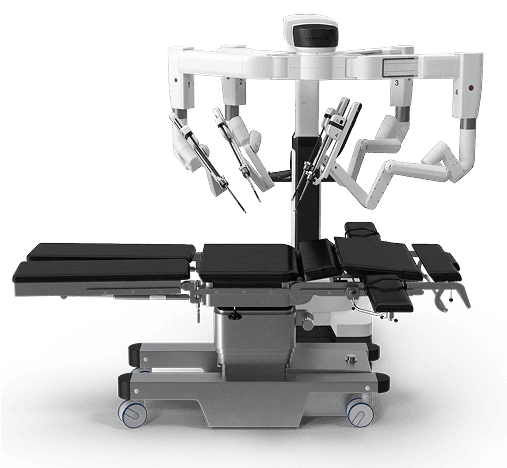
The hospital is equipped with cutting-edge infrastructure and state-of-the-art operating theatres. The hospital incorporates an array of advanced technologies, including an automated pneumatic chute system, telemedicine, and remote monitoring. It also utilises artificial intelligence, virtual reality, and electronic medical records (EMR) to enhance patient care and operational efficiency.
The best nuclear medicine hospitals in Delhi, NCR, uses a multidisciplinary approach for patient care. The Department of Nuclear Medicine operates primarily on a referral basis from other specialities. As a dedicated department, it provides comprehensive and compassionate treatment, seamlessly integrating advanced diagnostics with patient care.
Manipal Hospitals in Delhi, NCR, is a leading multi-super-speciality healthcare institution known for delivering high-quality medical care. The hospital is recognised for offering excellent care in various medical specialities. The department uses cutting-edge technology to diagnose conditions at the molecular and cellular level, enabling early detection and timely treatment. This approach ensures the best possible outcomes for patients.
Some of the services offered are:
Patients can get treatment from the best nuclear medicine hospitals in Delhi, NCR.
These facilities and services are available at the nuclear medicine department:

Not sure what you’re looking for?
Nuclear medicine is used for diagnosing heart disease, thyroid diseases, gall bladder problems, and cancer.
Yes, nuclear medicine is used for treatment at the Nuclear Medicine Centre in Delhi, NCR. Targeted radioactive substances, like I-131, Yttrium-90, and Lutetium-177, treat thyroid cancer, bone metastases, liver tumours, and certain neuroendocrine cancers.
While high doses of radiation can be harmful, the amount used in nuclear medicine is minimal and not likely to cause significant harm to the human body. Doctors always assess the benefit–to–risk balance, and in most cases, the benefits of the procedure far outweigh any potential adverse effects.
Patients are usually referred to the Nuclear Medicine department by other specialists based on their diagnostic and treatment needs. Direct consultations in Nuclear Medicine are uncommon.
A PET scan involves introducing a tiny amount of radioactive tracer into the body, which then travels through the system and reveals areas with increased activity. This allows doctors to detect abnormalities, such as cancer, heart disease, or brain disorders, with high accuracy.