


What Is Tuberculosis? Causes, Symptoms, and Types
Reviewed by: Dr. Debraj Jash
Posted on
7 Min Read

Not sure what you’re looking for?
Get in touch with our representatives for help!
Contact UsTuberculosis (TB) is a serious infectious disease which usually affects the lungs, but can attack any part of the body, including the spine, brain, kidneys, and bones. Despite its infectious nature, TB is both preventable and curable. This blog explains everything in detail, highlighting possible tuberculosis causes and symptoms, along with the best available treatment options.
How is Tuberculosis Caused?
One of the principal causes of pulmonary tuberculosis is Mycobacterium tuberculosis. It gets released into the air when an individual with active pulmonary TB coughs, sneezes, sings, or speaks. Not everyone exposed will develop active disease immediately. The body's immune system plays a critical role managing severity of tuberculosis, leading to two main stages:
-
Latent TB Infection: Bacteria are present but inactive, causing no symptoms and no spread. The immune system contains them. However, it may develop into active disease, often due to a weakened immune system.
-
Active TB Disease: Bacteria overcome the immune system, multiply, and cause symptoms. The individual feels ill, becomes contagious (in case of pulmonary TB), and is able to spread bacteria to others. Early diagnosis and treatment are critical in such cases.
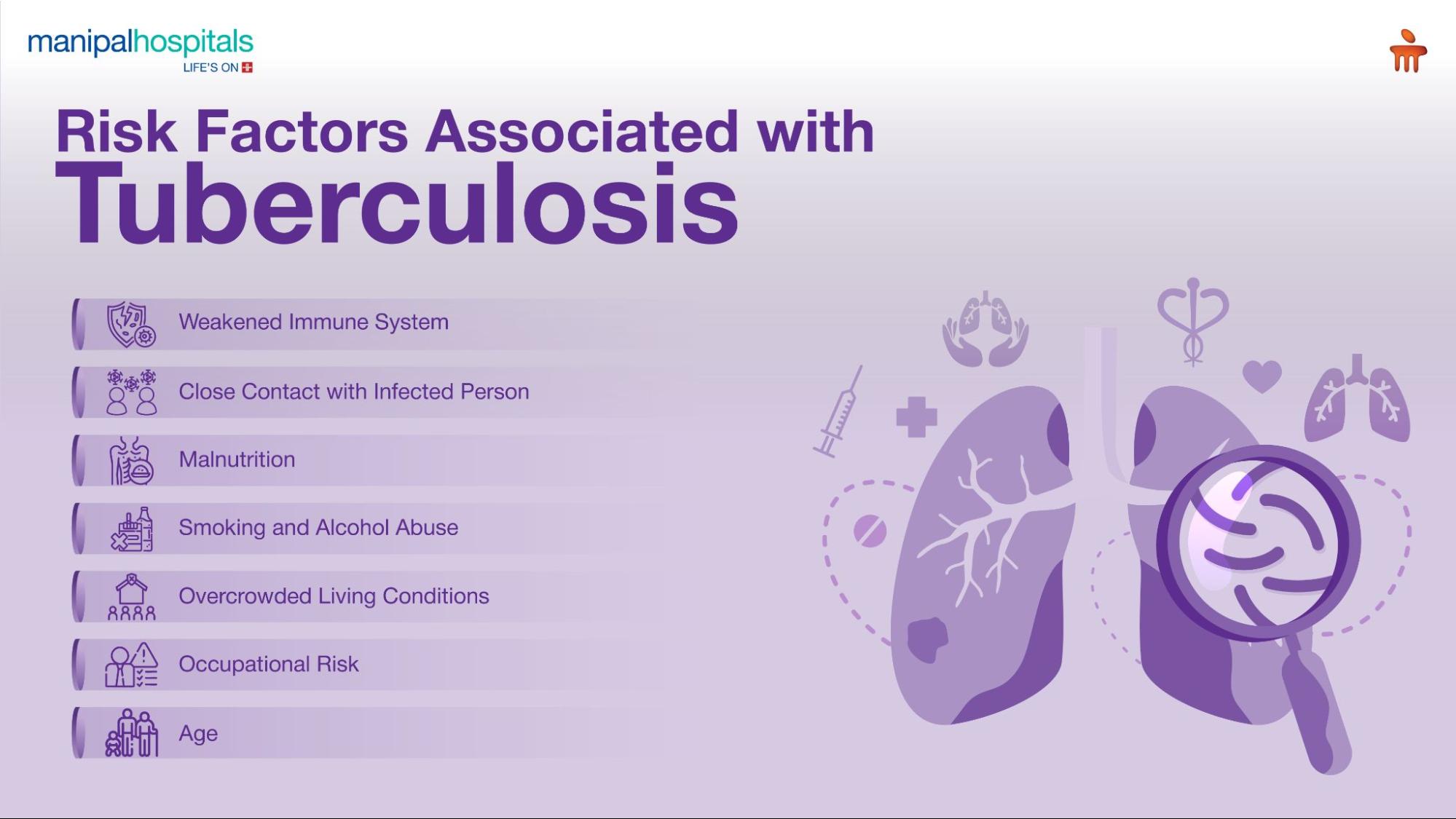
Risk Factors of Pulmonary Tuberculosis
Several factors are responsible for making someone susceptible to developing active Tuberculosis, particularly concerning causes of pulmonary tuberculosis. These weaken the body's defences, allowing dormant bacteria to activate or new infections to progress:
-
Weakened Immune System: This is one of the principal risk factors of tuberculosis. Conditions like HIV/AIDS, diabetes, chronic kidney disease, certain cancers, or immunosuppressive therapies compromise the immune response, making one more susceptible to TB.
-
Close Contact: Prolonged proximity to someone with active pulmonary tuberculosis increases exposure risk.
-
Malnutrition: Poor nutrition weakens the immune system, making one susceptible to infectious diseases, including TB.
-
Smoking and Alcohol Abuse: Both impair lung function and immune response.
-
Overcrowded Living Conditions: Poor ventilation facilitates airborne transmission.
-
Occupational risk: Medical staff and social workers often work closely with patients, which pose an occupational risk due to close patient interaction.
-
Age: Very young children and the elderly often have weaker immune systems, making them susceptible to infection.
Understanding these risk factors is paramount for targeted prevention and screening.
Types of Tuberculosis
TB is categorized into two main types based on the affected body part.
-
Pulmonary Tuberculosis: It is the most common type of tuberculosis which affects the lungs and may spread from one affected person to a healthy person. Rapid diagnosis and treatment are crucial to prevent community spread.
-
Extra-Pulmonary Tuberculosis: This happens when TB-causing bacteria spread from the lungs to other body parts via the bloodstream or lymphatic system. While less common, it can be harder to diagnose due to diverse symptoms. Common sites include lymph nodes, pleura, bones/joints, kidneys, brain (tuberculous meningitis), and the abdomen. It is generally not contagious, except in very rare cases of discharging lesions.
Symptoms of Tuberculosis
Symptoms of Tuberculosis vary depending on its type.
Common Pulmonary TB Symptoms
Pulmonary TB symptoms often develop slowly and include:
-
Persistent cough for three weeks or longer, potentially with phlegm or blood
-
Chest pain or discomfort.
-
General weakness or profound fatigue.
-
Unexplained weight loss and loss of appetite.
-
Low-grade, persistent fever, chills, and night sweats.
When tuberculosis spreads to other parts of the body, it shows symptoms like:
-
Spinal TB: Chronic back pain, stiffness, potential paralysis.
-
Kidney TB: Blood in urine, painful/frequent urination, flank pain.
-
Brain TB (Tuberculous Meningitis): Severe headaches, confusion, neck stiffness, seizures.
-
Lymph Node TB (Scrofula): Painless swollen lymph nodes, often in the neck.
-
Bone TB: Pain, swelling, tenderness in joints or bones.
-
Abdominal TB: Chronic abdominal pain, weight loss, fever, digestive issues.
Tuberculosis Treatment
A bacterial disease like tuberculosis is treated with a combination of antibiotics for a minimum of 6 months, extending to 9-12 months or longer for drug-resistant forms or extra-pulmonary TB. Adherence to the full course is paramount to eradicate bacteria, prevent relapse, and minimize drug resistance. With proper and consistent treatment, most patients make a full recovery.
Care Essentials: Do's and Don'ts for TB Patients and Caregivers
Effective TB management requires a holistic approach:
Do's:
-
Take medication exactly as prescribed: Crucial for treatment success, and to prevent relapse and drug resistance.
-
Attend follow-up appointments: Monitor progress, manage side effects, and adjust treatment as per requirement.
-
Ensure good ventilation: Keep windows open to reduce airborne bacteria.
-
Cover mouth and nose: When coughing/sneezing, use a tissue or cough into your elbow. Wear a mask while travelling.
-
Eat a nutritious diet: Support your immune system and recovery.
-
Inform close contacts: Enable screening for early detection.
Don'ts:
-
Don't stop medication prematurely: Leads to relapse and drug-resistant TB.
-
Don't neglect symptoms: Contact your healthcare provider for new/worsening symptoms or side effects.
-
Don't smoke or consume alcohol: Hinders recovery, weakens immune system and increases risk of liver damage.
Tips to Prevent Tuberculosis
TB prevention combines individual actions with public health initiatives:
-
Childhood Vaccination (BCG): Protects children against severe forms of TB.
-
Early Diagnosis and Treatment: Identifies and treats active TB cases quickly, breaking transmission chains.
-
Infection Control: Measures in healthcare settings to prevent spread.
-
Improving Living Conditions: Reduces overcrowding and improves ventilation to curb airborne transmission.
-
Strengthening Immune System: Healthy lifestyle, nutrition, and managing chronic diseases.
-
Preventive Therapy: For high-risk latent TB patients to prevent active disease.
Conclusion
Tuberculosis is a contagious, airborne bacterial disease which mainly affects the lungs, but can spread to other parts of the body if left untreated. Early detection of symptoms is crucial to receive timely treatment, as that helps in attaining a full recovery while also preventing relapse. At Manipal Hospitals Broadway, our excellent team of pulmonologists uses advanced technology for providing accurate diagnosis and provide customised treatment plans fit for each patient’s individual needs. If you or a loved one is experiencing symptoms of tuberculosis, do not wait! Book an appointment with Manipal Hospitals Broadway for expert care.
Frequently Asked Questions
No. Only individuals with active pulmonary TB can spread bacteria through the air. Latent TB or extra-pulmonary TB generally cannot spread the disease.
Typically 6 months for drug-susceptible TB, but can extend to 9-12 months or longer for drug-resistant or certain extra-pulmonary forms. Full adherence to your medication course is essential for successful treatment.
Untreated active TB can be fatal, as it will continue to spread and cause severe damage to organs, leading to chronic illness, disability, and even death. But with treatment advancements, TB is no longer a death sentence, and it is possible to make a full recovery and prevent relapse.
Yes, the BCG vaccine is used for infants in high-TB areas, offering protection against severe forms in children, but variable effectiveness against adult pulmonary TB.
No, TB is not spread through casual contact like shaking hands or sharing food. It is airborne and spreads when a person with active pulmonary TB coughs, sneezes, or speaks.
Share this Article


Recent Blogs

Blood Cancers 101: Understanding Leukaemia, Lymphoma and Myeloma
24 Jun 20267 Min Read
Dealing with complex medical conditions like blood cancer can feel challenging and confusing. This guide demystifies blood cancers by focusing on the three primary types of blood cancer- Leukaemia, Lymphoma, and Myeloma. It provides clarity and insights into these conditions, their symptoms, diagnosis, and treatment approaches to help patients and their families understand the disease better and make informed decisions about care and management.
Read Nowকিডনির স্বাস্থ্য ও আপনার খাদ্যাভ্যাস: যেসব খাবার উপকারী এবং যেসব খাবার ক্ষতিকর
24 Jun 20266 Min Read
কিডনি হল শরীরের অন্যতম গুরুত্বপূর্ণ অঙ্গ যা শরীর থেকে বর্জ ও বিষাক্ত পদার্থ ছেঁকে বার করে রক্তচাপ নিয়ন্ত্রণ, হরমোন উৎপাদন, ও শরীরকে সুস্থ থাকতে সাহায্য করে। তাই, কিডনির স্বাস্থ্য বজায় রাখা অত্যন্ত জরুরি। আমরা যা খাই, তা সরাসরি আমাদের কিডনির কার্যকারিতার ওপর প্রভাব ফেলে। ভুল খাদ্যাভ্যাস কিডনির ওপর চাপ সৃষ্টি করতে পারে, যা পরবর্তীকালে কিডনি রোগের কারণ হতে পারে। তবে সঠিক কিডনি ডায়েট প্ল্যান অনুসরণ করে আপনি আপনার কিডনিকে সুরক্ষিত রাখতে পারেন, এমনকি কিডনি রোগের অগ্রগতি রোধ করতে পারেন। এই নিবন্ধে কিডনির স্বাস্থ্য বজায় রাখতে কি কি খাবার গ্রহণ ও বর্জন করা উচিত, সেই বিষয়ে বিস্তারে আলোচনা করা হয়েছে।
Read NowAtrial Fibrillation (AFib): Symptoms, Stroke Risk and Modern Treatment Options
24 Jun 20265 Min Read
One of the most common heart rhythm disorders hospitals encounter is Atrial Fibrillation, often called AFib. This condition is characterised by an irregular and often rapid heartbeat, and affects an estimated 33.5 million people around the world. Left untreated, it can significantly increase the risk of serious complications like stroke. Awareness towards atrial fibrillation symptoms, causes, and modern treatment options is crucial for early detection and effective management. This blog guides you through.
Read NowDementia Symptoms: Causes of Memory Loss and Signs to Watch For
24 Jun 20267 Min Read
Memory loss can be a worrying experience. While occasional forgetfulness is a normal part of aging, persistent and progressive changes could possibly be dementia symptoms. This blog aims to empower the readers to recognise early dementia symptoms and understand underlying causes, ensuring timely intervention.
Read NowAdvantage of traditional pacemaker implantation
08 Jun 20267 Min Read
Our hearts are extraordinary organs that beat tirelessly to sustain life. However, sometimes their natural rhythm can falter, leading to conditions that can significantly impact the quality of life and even pose serious risks. This is where a pacemaker becomes a lifesaving device. Despite scientific and technical advancements with leadless pacemakers, the profound positive impact of traditional pacemaker implantation has been consistent. This procedure has stood the test of time, with a remarkable success rate of over 95% in restoring healthy heart rhythms and improving patient outcomes. This blog highlights the salient features of this procedure.
Read NowEpilepsy in Adults v/s Children: How Symptoms Differ and Why Early Diagnosis Changes Everything
29 May 20265 Min Read
Epilepsy is a chronic neurological disorder which happens due to abnormal electrical activity in the brain. Epilepsy symptoms may vary between individuals, with seizures being the most common. Causes of seizures may also vary between adults and children for a number of reasons. This blog upholds a comparative study of how epilepsy differs between children and adults, and why early diagnosis plays a pivotal role.
Read Nowরোবোটিক হাঁটু প্রতিস্থাপন অস্ত্রোপচারের পর আরোগ্যলাভ: সময়রেখা ও পরামর্শ
20 May 20265 Min Read
হাঁটুর সমস্যায় জর্জরিত হয়ে হাঁটাচলার শক্তি হারিয়ে ফেলা ব্যক্তিদের ক্ষেত্রে হাঁটু প্রতিস্থাপন মানে নতুন করে জীবনের স্বাভাবিক ছন্দ ফিরে পাওয়া। কিন্তু এই সুস্থতার পথে প্রথম পদক্ষেপটি হলো সঠিক আরোগ্যলাভ। রোবোটিক হাঁটু প্রতিস্থাপন সার্জারি আধুনিক চিকিৎসা বিজ্ঞানের একটি যুগান্তকারী পদ্ধতি, যা হাঁটু ব্যথায় আক্রান্ত রোগীদের জন্য আশার আলো নিয়ে আসে। গবেষণায় দেখা গেছে যে, সঠিক পুনর্বাসনের মাধ্যমে ৯০% এরও বেশি রোগী অস্ত্রোপচারের পর দ্রুত স্বাভাবিক কার্যকালাপে ফিরে আসতে পারেন। এই ব্লগ রোবোটিক হাঁটু প্রতিস্থাপনের পর আপনার আরোগ্যলাভের সময়রেখা এবং কিছু গুরুত্বপূর্ণ পরামর্শ নিয়ে আলোচনা করবে।
Read NowCapsule Endoscopy: What It Is, Procedure, and Benefits
29 Apr 20267 Min Read
For complex gastrointestinal issues, especially those affecting the small intestine, traditional methods can fall short. This is where capsule endoscopy offers a revolutionary, non-invasive solution. If you experience persistent digestive symptoms like unexplained bleeding, chronic abdominal pain, or malabsorption, your doctor might recommend a capsule endoscopy procedure. This blog is a comprehensive guide that tells you all about capsule endoscopy how and why it is done, its benefits and more.
Read NowJoint Replacement Surgery: When Do You Need It?
08 Apr 20267 Min Read
Joint pain can be debilitating and significantly affect your quality of life, mobility, and overall well-being. For many, managing chronic joint pain becomes a daily struggle. Joint replacement surgery has emerged as a highly effective solution for such individuals suffering from debilitating joint pain, helping restore mobility, relieve chronic discomfort, and significantly improve overall quality of life when conservative treatments no longer provide adequate relief. Deciding when to undergo joint replacement can be challenging for many individuals living with chronic joint pain. This blog guides you through the signs that may indicate the need for joint replacement surgery, the conditions that commonly require it, and what to expect from the procedure.
Read Nowউচ্চ রক্তচাপ নিয়ন্ত্রণের জন্য ৮টি ঘরোয়া প্রতিকার
03 Apr 20267 Min Read
বর্তমান দ্রুতগতির জীবনে উচ্চ রক্তচাপ বা হাইপারটেনশন একটি সাধারণ স্বাস্থ্য সমস্যা হয়ে দাঁড়িয়েছে। এটি 'নীরব ঘাতক' নামেও পরিচিত, কারণ প্রায়শই গুরুতর পর্যায়ে পৌঁছানোর অবধি এর কোনও স্পষ্ট উপসর্গ থাকে না। বিশ্বে, প্রতি ৪ জন প্রাপ্তবয়স্কের মধ্যে ১ জন উচ্চ রক্তচাপে ভুগছেন, যা হৃদরোগ, স্ট্রোক এবং কিডনি রোগের প্রধান কারণ। তবে আশার কথা হলো, জীবনযাত্রার কিছু সহজ পরিবর্তনের মাধ্যমে এবং উচ্চ রক্তচাপের ঘরোয়া প্রতিকার মেনে পরিস্থিতি নিয়ন্ত্রণ করা সম্ভব। এই ব্লগ-এর মাধ্যমে প্রাকৃতিক উপায়ে রক্তচাপ কমানোর জন্য কিছু সহজ এবং কার্যকর টিপস দেওয়া হলো, যা আপনার সামগ্রিক স্বাস্থ্যের উন্নতিতে সহায়ক হবে।
Read Now