

Baner

4.3
Precision Radiation Therapy, Delivered from Every Angle. You're in safe hands!
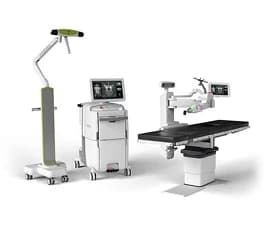
Tomotherapy is an advanced radiation treatment that combines a high-precision radiation system with an integrated CT scanner in a single machine. By taking 3D image scans immediately before each session, it allows radiation oncologists to pinpoint the exact size and position of a tumour in real time, ensuring maximum accuracy during every single treatment.
This technology is especially effective for treating irregularly shaped or hard-to-reach tumours, as well as cancers located near critical organs. At Manipal Hospitals, Tomotherapy is utilised by our Radiation Oncology team to deliver targeted cancer care that minimises side effects and protects nearby healthy tissue.
A tomotherapy machine combines a rotating radiation source with built-in CT imaging. Before each treatment session, the machine captures a CT scan of the patient's tumour and surrounding anatomy, allowing the care team to verify the tumour's exact position and adjust the treatment plan if needed, even accounting for small changes in body position or tumour size between sessions.
During the procedure, the built-in CT scan first verifies tumour alignment. Then, the machine adjusts the intensity and angle of the radiation beams in real time to match the exact shape of the tumour. The procedure is entirely painless, non-invasive, and completed in daily outpatient sessions that typically take 15 to 20 minutes.
1+
Years of Experience
4+
Operational Hospitals
4.3
The oncologist reviews the patient’s diagnosis, imaging, and overall health to determine whether tomotherapy is the most suitable radiation therapy option for the patient's specific cancer.
| Advanced Technology | Conventional Approach | |
|---|---|---|
| Precision | Delivers radiation in a continuous 360-degree helical spiral with thousands of narrow beamlets, precisely matching complex tumour shapes while minimising exposure to adjacent healthy tissue | Delivers radiation from a limited number of fixed angles, making it harder to conform tightly around irregularly shaped tumours |
| Visualization | Integrated low-dose CT imaging before every treatment session confirms exact daily patient positioning and tumour volume changes in real time (IGRT) | Relies on periodic 2D portal imaging or external anatomical markers, which may not account for daily internal organ movement |
| Invasiveness | Non-invasive high-precision radiation delivery designed to maximise dose distribution to the target volume while sparing surrounding critical structures | Non-invasive, but broader beam margins carry a higher risk of incidental radiation exposure to healthy surrounding organs |
| Recovery | Outpatient treatment with zero surgical downtime; enhanced healthy tissue sparing reduces treatment-related toxicities and side effects | Outpatient treatment, but higher scatter radiation to normal tissue can cause increased fatigue and local tissue irritation |
| Patient Experience | Seamless ring-gantry design enables treatment of multiple tumour sites or large fields (e.g., total marrow irradiation) in a single continuous session | Requires multiple couch recalibrations and beam resets when treating complex or widespread target areas, extending session duration |


Discover stories of
We leave no stone unturned in exploring alternate treatment options for our patients. Our multidisciplinary teams deliver advanced, personalised care focused on restoring health and empowering patients to overcome serious medical challenges and regain their lives.
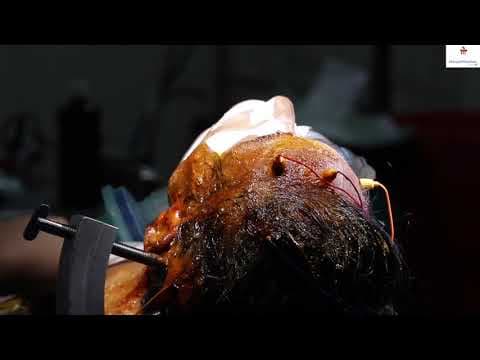
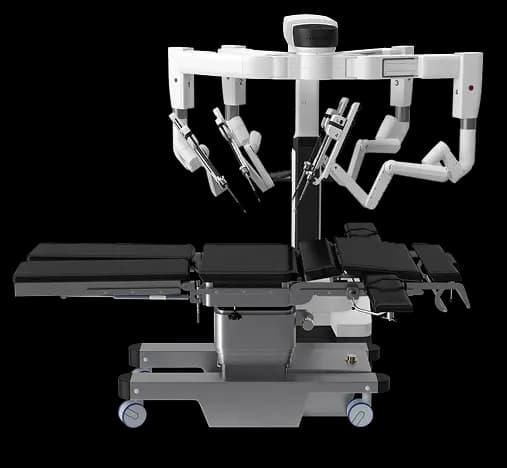
Robot Assisted Radical Prostatectomy
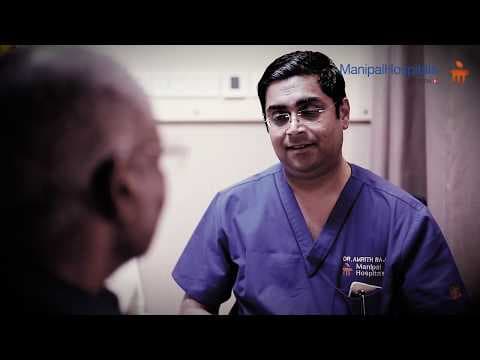
Robot Assisted Radical Prostatectomy
A miraculous Procedure, Robot Assisted Radical Prostatectomy done by Dr. Amrith Raj Rao, Consultant - Urology And Robotic Surgery...
With a legacy of several decades, Manipal Hospitals is one of India's leading multi-speciality healthcare networks. We deliver comprehensive outpatient, inpatient, emergency, and advanced surgical care tailored for patients of all age groups.

Not sure what you're looking for?
Tomotherapy is an advanced radiation therapy technique that combines CT imaging with rotational radiation delivery, allowing doctors to precisely target tumours while protecting surrounding healthy tissue.
A tomotherapy machine captures a CT scan before each session to verify the tumour's position, then delivers radiation in a continuous, rotating pattern around the patient, precisely shaping the dose to match the tumour.
The tomotherapy success rate depends heavily on the type, stage, and location of the cancer being treated, as well as the individual patient's overall health. Your oncologist can provide a realistic outlook based on your specific diagnosis and treatment plan.
Because Tomotherapy precisely targets tumours while sparing surrounding healthy tissue, side effects are generally milder than those of conventional radiation therapy. Common short-term side effects include mild fatigue, skin redness or dryness at the treatment site, and temporary localised hair loss. Depending on the area being treated, patients may also experience temporary nausea or difficulty swallowing. Most side effects are temporary and gradually resolve within a few weeks after completing treatment.
The number of sessions varies by patient and is determined by your oncologist based on the type and stage of cancer, typically delivered over several weeks.