
Dwarka - Delhi

4.2
Advanced Liver Cancer and Imaging with Fibroscan Technology
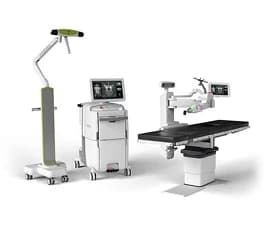
The Fibroscan is an advanced, ultrasound-based device that measures liver stiffness to assess scarring, which is a key indicator of fibrosis and cirrhosis. Additionally, it evaluates the amount of fat stored in your liver cells through a technology known as transient elastography.
Unlike a traditional liver biopsy, Fibroscan technology is completely non-invasive, painless, and completed in just 10 to 15 minutes. This allows physicians to accurately evaluate liver health without the need for an invasive and painful surgical procedure. Furthermore, the device is an invaluable tool for tracking and monitoring a patient's liver recovery following a transplant, offering a quick, comfortable, and stress-free experience.
Fibroscan technology is a quick, non-invasive diagnostic test used to measure liver stiffness and assess fatty liver disease. By using specialised ultrasound waves, it measures how fast sound vibrations travel through liver tissue. Faster wave propagation indicates a stiffer liver, which directly correlates with scar tissue buildup or fibrosis.
The procedure is painless, requires no sedation, and takes less than 10 minutes to complete. A small probe is placed against the right upper abdomen, sending harmless sound waves through the organ. Beyond detecting scarring, the fibroscan machine also calculates the Controlled Attenuation Parameter (CAP) score, which measures the exact percentage of fat accumulation within liver cells.
Unlike a traditional liver biopsy, FibroScan carries zero risk of bleeding or recovery downtime. What a fibroscan is used for is to check for chronic conditions like non-alcoholic fatty liver disease (NAFLD/MASLD), hepatitis B and C, and alcohol-related liver damage over time.
4.2
A specialist evaluation will be done to review medical history, discuss liver health concerns, and assess symptoms. After which the doctor determines if a Fibroscan is appropriate to measure liver stiffness and fat accumulation without invasive procedures.
| Advanced Technology | Conventional Approach | |
|---|---|---|
| Precision | Provides a quantitative measurement of liver stiffness from a large tissue volume (approx. 100x more than biopsy), reducing sampling error. Results are objective and reproducible. | Considered the "gold standard" but is subject to sampling error as it analyzes a very small piece of the liver. Interpretation can have variability between pathologists |
| Visualisation | Does not provide a direct cellular image. It generates a numeric value for stiffness (fibrosis) and steatosis (fatty change), offering a quantitative assessment of the liver's condition. | Allows for direct microscopic visualisation of liver cells and tissue structure, providing detailed information on inflammation, scarring, and cell damage. |
| Invasiveness | Completely non-invasive and painless. A probe is placed on the skin over the liver area. | Highly invasive procedure that involves inserting a needle into the liver to extract a tissue sample. Carries risks of pain, bleeding, and infection. |
| Recovery | No recovery time required. The procedure is quick (5-10 minutes), and you can resume normal activities immediately. | Requires a recovery and observation period of several hours post-procedure to monitor for complications like bleeding. Strenuous activity is restricted for up to a week. |
| Patient Experience | Comfortable, quick, and stress-free. It can be easily repeated over time to monitor disease progression or treatment response. | Often causes patient anxiety and discomfort. Potential for pain during and after the procedure makes it a less favorable experience. |


Discover stories of
We leave no stone unturned in exploring alternate treatment options for our patients. Our multidisciplinary teams deliver advanced, personalised care focused on restoring health and empowering patients to overcome serious medical challenges and regain their lives.
Robot Assisted Radical Prostatectomy
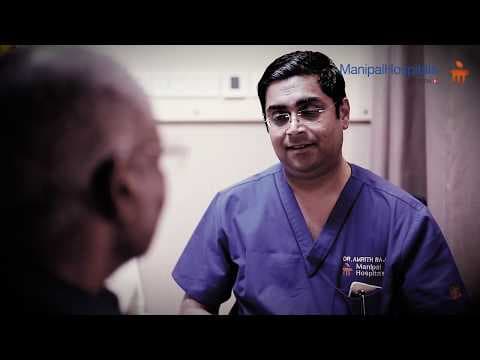
Robot Assisted Radical Prostatectomy
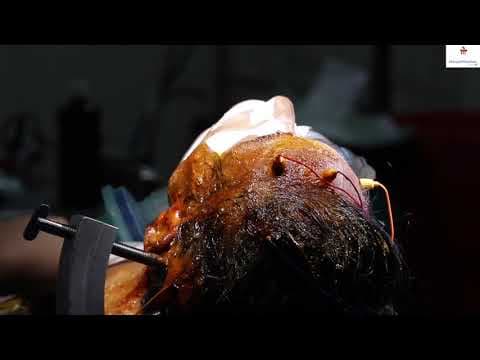
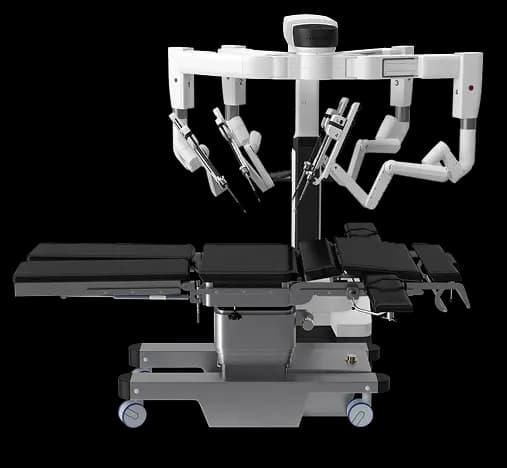
A miraculous Procedure, Robot Assisted Radical Prostatectomy done by Dr. Amrith Raj Rao, Consultant - Urology And Robotic Surgery...
With a legacy of over several decades, Manipal Hospitals stands as one of the top multi-speciality healthcare networks in India. Our hospitals prioritise clinical excellence by providing services including outpatient, inpatient, emergency, and surgical care across various medical specialties for patients of all age groups. At Manipal Hospitals, our state-of-the-art technology is backed by highly experienced specialists and focussed commitment to patient safety at every step.

Not sure what you're looking for?
A Fibroscan (also known as transient elastography) is a quick, non-invasive, ultrasound-based test used to assess liver health. It measures liver stiffness to check for scarring (fibrosis or cirrhosis) and evaluates the amount of fatty change (steatosis) in the liver.
A specialised probe is placed against your skin over the liver area (on the right side of your lower chest). The probe sends gentle, low-frequency sound waves through the liver. The speed at which these waves travel indicates stiffness: waves move faster through stiff, scarred liver tissue than through healthy tissue.
No, the procedure is completely painless and non-invasive. You will feel a slight pulse or vibration on your skin as the probe takes readings, but there are no needles, injections, or incisions required.
No, the procedure is completely painless and non-invasive. You will feel a slight pulse or vibration on your skin as the probe takes readings, but there are no needles, injections, or incisions required.
The scan itself typically takes about 5 to 10 minutes. Including brief preparation and discussing the results, the entire appointment usually lasts under 30 minutes.