

Baner

4.3
Advanced dialysis systems ensure precise, life-saving blood purification.
Dialysis is a type of treatment for people whose kidneys are not functioning well to filter blood. As a result in people with kidney failure, waste and toxins build up in the bloodstream (which would otherwise get filtered out when you urinate. Dialysis technology does the work of the kidneys by removing waste products and excess fluids from the blood
When kidneys fail, a dialysis machine steps in to perform their essential job. But what does a dialysis machine do exactly? Essentially, it acts as an artificial kidney to clean your blood.
The process starts when blood is gently drawn from your body and pumped into the dialysis equipment. Inside the machine, your blood passes through a special filter called a dialyzer. This filter is the heart of dialysis technology, containing thousands of tiny, hollow fibres. While your blood flows through these fibers, a special cleaning fluid flows around the outside of them.
This dialysis technology means that waste products, extra salt, and excess water are safely drawn out of your blood and into the cleaning fluid without the blood itself ever being exposed to bacteria. Finally, the newly purified blood is safely returned to your body, keeping your chemical levels balanced and healthy.
4.3
The nephrologist evaluates your kidney health and discusses your treatment options. Together, you will decide on the best type of dialysis for your lifestyle, plan the next steps, and address any questions or concerns you may have about the therapy.
| Parameter | Advanced Technology (PD/HHD) | Conventional Approach (In-Center Hemodialysis) |
|---|---|---|
| Precision | Offers gentler, more frequent (or continuous) filtration, mimicking natural kidney function more closely and preventing harsh fluctuations in body chemistry. | Treatment is intermittent (e.g., 3 times a week), leading to significant fluid and toxin shifts. The process itself is precisely controlled by clinical staff during the session. |
| Visualisation | The process is less externally visualised and more integrated into the patient's life. Monitoring is done through machine readouts and tracking personal health metrics. | The entire process is visualized on the dialysis machine's monitor, with blood flow, pressure, and filtration rates closely observed by healthcare professionals. |
| Invasiveness | PD requires a permanent catheter in the abdomen. HHD requires needles but is managed in a comfortable home setting. The daily invasiveness is less clinically intensive. | Requires repeated needle insertions into a vascular access point (fistula or graft) for every session in a clinical environment, which can cause discomfort and long-term wear. |
| Recovery | Recovery is gentler after each session due to the less intensive filtration process. Patients often report feeling less "washed out" and have more energy. | Patients often feel tired or "washed out" for several hours after a session due to the rapid removal of fluid and waste products from the blood. |
| Patient Experience | Provides greater flexibility, independence, and control over treatment schedules. Patients can perform dialysis at home, often overnight, leading to a better quality of life. | Requires strict adherence to a fixed schedule, with significant time spent traveling to and from the dialysis center. The experience is more passive and clinically managed. |


Discover stories of
We leave no stone unturned in exploring alternate treatment options for our patients. Our multidisciplinary teams deliver advanced, personalised care focused on restoring health and empowering patients to overcome serious medical challenges and regain their lives.
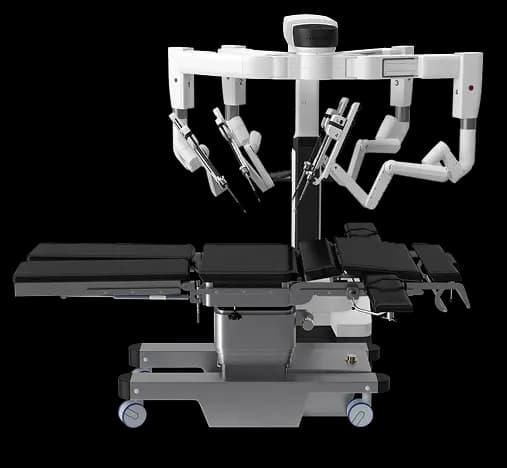
Robot Assisted Radical Prostatectomy
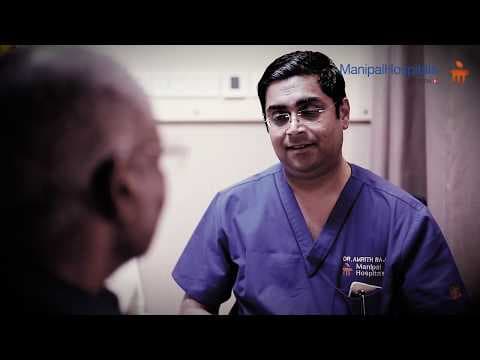
Robot Assisted Radical Prostatectomy
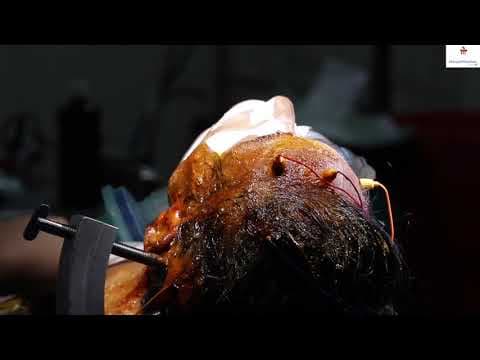
A miraculous Procedure, Robot Assisted Radical Prostatectomy done by Dr. Amrith Raj Rao, Consultant - Urology And Robotic Surgery...
With a legacy of over several decades, Manipal Hospitals stands as one of the top multi-speciality healthcare networks in India. Our hospitals prioritise clinical excellence by providing services including outpatient, inpatient, emergency, and surgical care across various medical specialties for patients of all age groups. At Manipal Hospitals, our state-of-the-art technology is backed by highly experienced specialists and focussed commitment to patient safety at every step.

Not sure what you're looking for?
It acts as an artificial kidney. The machine gently draws a small amount of blood at a time, pumps it through a specialised filter (dialyzer) to wash away toxins and excess fluids, and then safely returns the clean blood back to your body.
No, the filtration process itself is completely painless. The only minor discomfort comes from the initial needle sticks used to connect your vascular access to the machine's tubing at the start of your session.
Standard in-center sessions usually take about 3 to 4 hours, performed 3 times a week. The exact timing depends on your body size, kidney function, and how much fluid weight needs to be cleared.
Yes, modern dialysis equipment is incredibly safe. They are packed with advanced, highly sensitive built-in sensors that constantly monitor your blood pressure, temperature, and blood flow rates, sounding instant alarms if the slightest adjustment is needed.
Yes, you can usually enjoy a light snack or a small drink during your treatment. However, because digesting a heavy meal can sometimes make your blood pressure drop and cause a bit of dizziness, it is always best to keep snacks light and simple.