


Baner

4.3
Life-Saving Technology for Cardiac Emergencies. You're in safe hands!
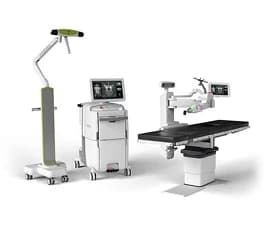
A defibrillator machine is a life-saving medical device used to restore a normal heart rhythm during a cardiac emergency. When the heart develops a dangerously irregular rhythm, such as ventricular fibrillation, a defibrillator delivers a controlled electric shock to the heart, allowing it to reset and resume beating normally. Defibrillator technology is a critical part of emergency and cardiac care, used in hospitals, ambulances, operating theatres, and increasingly in public spaces for immediate response to sudden cardiac arrest. At Manipal Hospitals, defibrillators are available across our Critical Care, Emergency Medicine, and Cardiology teams, ensuring rapid response whenever a patient's heart rhythm requires urgent correction.
A defibrillator works by delivering a brief, controlled electric shock to the heart through paddles or adhesive pads placed on the chest. This shock momentarily stops all electrical activity in the heart, giving it a chance to restart with a normal, coordinated rhythm, much like restarting a system to clear a fault.
Modern defibrillator units are equipped with sensors that analyse the patient's heart rhythm to confirm the presence of a shockable rhythm before delivering treatment. Some, known as Automated External Defibrillators (AEDs), can even guide a bystander through the process with voice prompts, making them usable by trained staff and, in emergencies, by members of the public.
The defibrillator machine is also used during certain surgeries to manage irregular heart rhythms and by Cardiac Electrophysiology specialists to treat specific rhythm disorders in a more controlled clinical setting.
2+
Years of Experience
2+
Operational Hospitals
4.3
The cardiologist may discuss the patient’s heart rhythm history and explain when and why defibrillator support might be needed during a procedure. In an emergency, this step happens instantly as the care team responds.
| Advanced Technology | Conventional Approach | |
|---|---|---|
| Precision | Automatically measures patient impedance and adjusts current delivery in two directions for optimal myocardial depolarisation | Delivers energy in a single unadjusted high-peak direction, requiring higher energy levels to achieve therapeutic shock efficacy |
| Visualization | Real-time integrated ECG waveform monitoring, impedance tracking, and automated rhythm analysis (e.g., VF/VT detection) | Basic visual display of single-lead heart rhythm without automated impedance compensation or dynamic shock guidance |
| Invasiveness | Non-invasive emergency intervention delivering targeted electrical current through self-adhesive pads or external paddles | Non-invasive intervention, but higher energy delivery increases the likelihood of localised thermal skin burns and post-shock dysfunction |
| Recovery | Lower overall peak energy requirement reduces post-resuscitation myocardial stunning and accelerates cardiac rhythm stabilisation | Higher shock energy levels increase the risk of temporary post-shock myocardial depression and delayed functional recovery |
| Patient Experience | Rapid automated charging and voice-prompt guided operation enable immediate delivery of life-saving therapy during cardiac arrest | Slower manual energy selection and charging protocols that can prolong time-to-shock during critical resuscitation events |


Discover stories of
We leave no stone unturned in exploring alternate treatment options for our patients. Our multidisciplinary teams deliver advanced, personalised care focused on restoring health and empowering patients to overcome serious medical challenges and regain their lives.
Robot Assisted Radical Prostatectomy
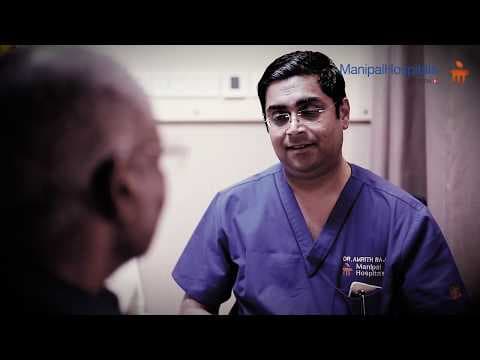
Robot Assisted Radical Prostatectomy
A miraculous Procedure, Robot Assisted Radical Prostatectomy done by Dr. Amrith Raj Rao, Consultant - Urology And Robotic Surgery...
With a legacy of several decades, Manipal Hospitals is one of India's leading multi-speciality healthcare networks. We deliver comprehensive outpatient, inpatient, emergency, and advanced surgical care tailored for patients of all age groups.

Not sure what you're looking for?
A defibrillator machine is used to deliver a controlled electric shock to the heart, correcting dangerous heart rhythms such as ventricular fibrillation during sudden cardiac arrest or other cardiac emergencies.
The device analyses the heart's rhythm and, if a dangerous rhythm is detected, delivers a brief electric shock through pads placed on the chest, allowing the heart to reset and resume a normal beat.
While defibrillator use is most associated with emergency cardiac arrest situations, the technology is also used during certain surgeries and by cardiac electrophysiology specialists to manage specific heart rhythm disorders.
Yes, receiving a defibrillator shock while conscious is painful and feels like a sudden, forceful kick or blow to the chest. However, in the vast majority of emergency cardiac arrest situations, a patient is unconscious and feels no pain at all during defibrillation.
Time is critical; survival chances decrease with every passing minute during a shockable cardiac arrest, which is why rapid access to defibrillator technology is a key part of emergency and critical care.