
Ranchi

4.5
1 Min Read
End-Stage Renal Disease (ESRD) occurs when the kidneys can no longer filter the waste, regulate electrolytes, or keep the body’s fluid balance. Chronic conditions such as diabetes, hypertension, recurrent infections, or long-standing obstruction from kidney stones can contribute to kidney failure. Bhagwan Mahavir Manipal Hospitals is reputed as the best hospital for kidney dialysis in Ranchi. Timely evaluation and supportive treatments help manage symptoms and slow disease progression.
4.5
ESRD can lead to fatigue, reduced urine output, leg swelling, nausea, poor appetite, muscle cramps, and shortness of breath. Changes in urination, such as increased frequency or foamy urine, may occur. Early assessment is essential to prevent serious complications.
Diagnosis for ESRD begins with a detailed medical history review and physical examination. Kidney function tests such as serum creatinine, eGFR, and blood urea levels assess disease severity. Urine analysis checks for protein, blood, or infection, while imaging tests like ultrasound or CT scans detect blockages or structural issues. These evaluations guide accurate clinical decisions.
ESRD management focuses on maintaining kidney function, controlling complications, and improving quality of life. Treatment includes medications, blood pressure control, dietary guidance, and kidney replacement therapies such as kidney dialysis. In suitable patients, kidney transplantation may be considered.
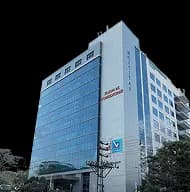
At Bhagwan Mahavir Manipal Hospitals, the best hospital for kidney dialysis in Ranchi, patients with ESRD receive a structured and personalised care plan that supports long-term health. Nephrologists assess kidney function, lifestyle needs, and vascular access to decide whether hemodialysis or peritoneal dialysis is most suitable. Dialysis filters waste, balances electrolytes, and removes excess fluid, helping restore strength and wellbeing.
During each treatment, the care team monitors blood pressure, fluid status, and laboratory parameters to ensure safety and effectiveness. Skilled nurses educate patients on access site care, infection prevention, and recognising symptoms early. Dietitians provide tailored meal guidance to manage salt, potassium, and phosphorus levels. Medication guidance helps control common ESRD complications such as anaemia, high blood pressure, and bone-related issues.
Regular follow-ups allow timely adjustments in dialysis schedules and medications. Emotional and social counselling helps patients adapt to lifestyle changes. Bhagwan Mahavir Manipal Hospitals ensures advanced equipment, dedicated clinical support, and a safe environment. These facilities enhance treatment results and improve life quality for those undergoing kidney dialysis in Ranchi,
We leave no stone unturned in exploring alternate treatment options for our patients. Our multidisciplinary teams deliver advanced, personalised care focused on restoring health and empowering patients to overcome serious medical challenges and regain their lives.
Pooja Bajaj - A Testament To Grit And Determination

Pooja Bajaj - A Testament To Grit And Determination
Tough times don't last, but tough people do.' Avid motorcyclist Pooja Bajaj faced a major accident in Spiti Valley, leaving her cl...
Congenital defects may develop due to genetic mutations, chromosomal abnormalities, maternal infections, nutritional deficiencies, or exposure to harmful substances during pregnancy. Often, a combination of environmental and genetic factors can contribute to abnormal foetal development.
Yes. Routine prenatal screening, including ultrasound and specialised tests, can detect many congenital defects during pregnancy. Early detection helps in planning suitable management and, in some cases, intervention before or immediately after birth.
Congenital defects may vary widely in severity. Some are mild and may not significantly affect daily life, while others can be serious and require immediate medical or surgical intervention. These interventions help to improve survival and normal development.
It may not be possible to prevent all congenital defects. Adopting certain measures, such as proper maternal nutrition, folic acid supplementation, vaccination, and avoiding harmful substances during pregnancy, can reduce the risk.
Certain congenital defects may impact physical growth, cognitive development, or organ function, depending on the severity. Early diagnosis, timely intervention, and ongoing supportive care may improve long-term developmental outcomes and quality of life.
or
Use our new search to get all your questions answered!

Not sure what you’re looking for?