
Mysuru

4.5
1 Min Read
At Manipal Hospitals Mysore, patients and families looking for cancer treatment in Mysore can obtain comprehensive, experienced care backed by technology. Cancer is defined as an uncontrolled or abnormal cell growth capable of invading adjacent tissue and spreading. In general, early detection and a multidisciplinary process enhance outcomes. The goal of individualised treatment plans is to improve survival and quality of life. Our advanced diagnostic facilities and therapeutic services provide support for these project goals.
4.5
The common signs for cancer treatment in Mysore include lumps or swelling, unexplained loss of weight, persistent pain, unexplained bleeding, and fatigue. Recognising these early on prompts the establishment of early evaluation and management.
At Manipal Hospitals Mysore, the diagnostic evaluation includes a physical examination, imaging (CT, MRI, and PET scans), and, in appropriate cases, a biopsy to assess the tissue. Further blood and sometimes genetic testing may assist with further diagnostic evaluation. We present these efforts to provide appropriate and timely cancer care in Mysore.
Treatment includes surgery, chemotherapy, radiation therapy, immunotherapy, hormone therapy, and targeted drug therapy. Choosing the appropriate mix is guided by cancer type, stage, and patient factors. Multidisciplinary teams deliver tailored care, ensuring optimal results.
Beginning cancer treatment in Mysore at Manipal Hospital involves a comprehensive and compassionate journey designed around patient comfort and recovery. The process consists of:
Initial Consultation
Detailed discussion on symptoms, medical history, and personal concerns to establish treatment goals and expectations.
Diagnostic Tests
Advanced imaging, tissue biopsies, and laboratory analyses pinpoint the cancer type, spread, and characteristics essential for planning.
Therapeutic Plan
Multimodal treatment designed to target cancer effectively, including surgery, systemic therapy, and radiation as required.
Follow-up and Adjustments
Management of therapy responses, side effects, and adjustments in therapy will maximise effectiveness.
Lifestyle Guidance
Supportive care for nutrition, psychological support, and rehabilitation will assist in quality of life during and post-therapy.
Progress and Recovery
Patients often experience tumour control symptom relief and improved well-being during therapy when recommended treatments are followed, with support services available.
For cancer patients wanting the highest levels of comprehensive, advanced, and considerate care, the Manipal Hospital Mysore is among the best cancer hospitals in Mysore.
We leave no stone unturned in exploring alternate treatment options for our patients. Our multidisciplinary teams deliver advanced, personalised care focused on restoring health and empowering patients to overcome serious medical challenges and regain their lives.
Pooja Bajaj - A Testament To Grit And Determination
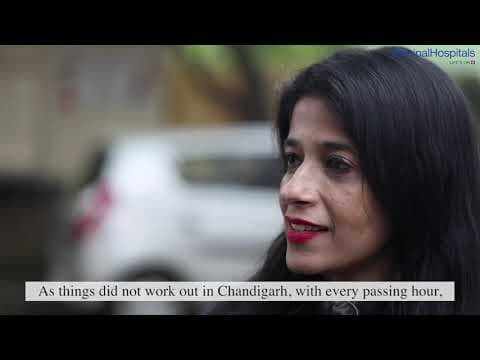
Pooja Bajaj - A Testament To Grit And Determination
Tough times don't last, but tough people do.' Avid motorcyclist Pooja Bajaj faced a major accident in Spiti Valley, leaving her cl...
Leukaemia risk factors include previous exposure to radiation or chemotherapy, contact with industrial chemicals, smoking, family history, and certain genetic disorders such as Down syndrome. Leukaemia can affect anyone, but these factors increase the susceptibility.
Certain types of leukaemia, when diagnosed early and treated appropriately, can be cured. For others with modern therapies and regular medical follow-up, it can be controlled effectively for the long term.
Leukaemia symptoms can vary depending on the disease type and stage, but commonly include unexplained weight loss, frequent infections, fatigue, easy bruising or bleeding, swollen lymph nodes, enlarged spleen, and bone pain.
The choice of leukaemia treatment depends on the disease type and stage, genetic features, and patient factors. Treatment includes a combination of targeted therapy, chemotherapy, immunotherapy, radiation therapy, and stem cell transplantation.
Yes, side effects are common in leukaemia treatments, such as nausea, hair loss, fatigue, infections, bleeding, anaemia, and mouth sores. Immunotherapy can cause immune-related side effects. Stem cell transplantation can result in graft-versus-host disease, which requires close monitoring.
or
Use our new search to get all your questions answered!

Not sure what you’re looking for?