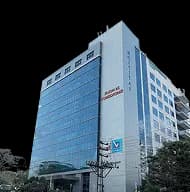

Baner

4.3
1 Min Read
At Manipal Hospital in Salem, expert care for ulcerative colitis treatment in Salem addresses this chronic inflammatory bowel disease impacting the colon and rectum. The condition causes inflammation and ulceration of the inner lining, leading to symptoms such as abdominal pain, diarrhoea with blood, and rectal bleeding. Our multidisciplinary team delivers personalised therapies to control inflammation, improve quality of life, and reduce risks of complications.
4.3
Ulcerative colitis is a chronic disease and one of the common forms of inflammatory bowel disease. It causes inflammation and sores inside the colon. Patients usually experience phases of symptom flare-ups alternating with periods of remission. The exact cause of ulcerative colitis is unknown, but it may involve a combination of environmental, immune, and genetic factors. Manipal Hospitals offer comprehensive multidisciplinary care for the long-term management of ulcerative colitis.
Ulcerative colitis symptoms include blood or mucus in stools, chronic diarrhoea, abdominal pain, urgency to pass stools, fatigue, and weight loss. In moderate to severe cases, patients may also experience fever, nausea, anaemia, and dehydration.
Ulcerative colitis diagnosis is based on clinical evaluation, history, physical examination, and laboratory investigations that check for inflammation, anaemia, or infection. Colonoscopy with biopsy is essential for diagnosis and defining the extent of the disease. Stool tests are used to rule out infection, and imaging studies may be used to assess for complications.
The goal of ulcerative colitis treatment is to induce remission during flare-ups and maintain long-term disease control. Options include anti-inflammatory drugs, immunosuppressive therapy, biologic agents, and supportive care. Surgery may be required in severe or refractory disease or when complications arise.
Management of ulcerative colitis at Manipal Hospitals begins with a precise evaluation of symptom severity, disease extent, nutritional status, and extraintestinal manifestations. Patients receive guidance and individualised treatment plans from the best doctor for ulcerative colitis. They review symptoms, flare frequency, prior treatments, and associated medical conditions to determine disease activity and long-term risk.
In mild disease, treatment involves topical or oral anti-inflammatory medications to maintain remission and control symptoms. Moderate to severe disease requires systemic corticosteroids, immunomodulators, or biologic therapies to suppress inflammation and prevent the progression. The goal of supportive care is to correct dehydration, anaemia, and nutritional deficiencies.
Patients are monitored regularly to assess treatment response, manage medication side effects, and detect complications, like severe bleeding or colonic dilation. Long-term follow-up with periodic colonoscopic surveillance is undertaken because of the increased risk of colorectal cancer in chronic ulcerative colitis.
Patients receive education about medication adherence, recognition of symptoms, diet, and infection prevention. In case medical treatment fails or complications occur, surgery may be necessary to remove the colon. Many patients achieve remission and a high quality of life with proper care and monitoring.
or
Use our new search to get all your questions answered!

Not sure what you’re looking for?