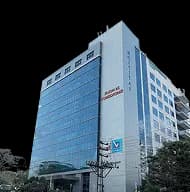

Baner

4.3
1 Min Read
Manipal Hospitals provides expert tumour treatment in Pune for patients diagnosed with abnormal tissue growth in any part of the body. A tumour may be benign, where it remains localised, or malignant, meaning it can invade nearby tissues and organs. Tumours may develop in areas such as the brain, liver, lungs, bones, abdomen, or soft tissue. Early medical assessment helps determine the type, behaviour, and ideal treatment approach to protect long-term health.
4.3
Manipal Hospitals provides expert tumour treatment in Pune for patients diagnosed with abnormal tissue growth in any part of the body. A tumour may be benign, where it remains localised, or malignant, meaning it can invade nearby tissues and organs. Tumours may develop in areas such as the brain, liver, lungs, bones, abdomen, or soft tissue. Early medical assessment helps determine the type, behaviour, and ideal treatment approach to protect long-term health.
Warning signs may vary based on tumour location and type. Common symptoms can include unexplained swelling, persistent pain, fatigue, or unintentional weight loss. Some people may notice lumps, changes in bowel or bladder habits, or a long-lasting cough.
Diagnosis begins with a detailed evaluation of medical history and presenting symptoms. Doctors may suggest imaging tests such as ultrasound, CT scan, MRI, X-ray, or PET-CT to locate and assess the tumour. A biopsy is often performed to determine whether the growth is benign or malignant. These findings help specialists plan suitable care tailored to the patient’s health needs.
Treatment varies based on tumour type, location, stage, and overall health. In suitable cases, tumour removal treatment in Pune may be recommended to safely remove the growth and prevent further complications. Options may include medical therapy, ablation therapy, or radiation-based procedures.
Patients seeking tumour care at Manipal Hospitals begin with a detailed consultation followed by diagnostic tests to understand tumour characteristics and overall health status. Once the diagnosis is confirmed, the care team explains the condition, possible treatment methods, and expected recovery timeline. Doctors ensure that all decisions are well-informed and discussed with the patient and family.
A personalised treatment plan may include surgery for removal, medical therapy, or a combination approach. Recovery time depends on the treated area, treatment method, and the patient’s general health. Supportive care may be provided to manage symptoms, nutrition, and emotional well-being throughout the journey. Follow-up visits are scheduled at regular intervals to monitor progress and adjust care if needed for improved outcomes.
For patients requiring tumour removal treatment in Pune, minimally invasive techniques may be discussed depending on eligibility. Patients also receive guidance on wound care, activity levels, lifestyle habits, and return-to-work planning after treatment. Continuous monitoring helps detect recurrence early and maintain long-term wellness. The goal is safe recovery, improved comfort, and better quality of life.
A heel spur diagnosis is usually not painful. Doctors typically examine the foot and discuss symptoms or activity patterns linked to heel strain. Imaging tests, such as X-rays, may be used to confirm the bony growth and guide suitable heel pain treatment.
Surgery is rarely the first option for heel spur removal. Most cases are managed with non-surgical methods that focus on reducing strain on the plantar fascia and easing heel pain. Surgery may only be considered when symptoms persist despite conservative heel spur treatment.
Common heel spur treatment methods include rest, cold therapy, anti-inflammatory medicines, and supportive footwear or shoe inserts. These approaches help reduce pressure on the plantar fascia ligament and support effective treatment in daily activities.
Yes, heel pain may continue because discomfort is often related to inflammation of the plantar fascia rather than the spur itself. Managing plantar fascia strain through appropriate heel pain treatment can help reduce symptoms linked to heel spurs.
Heel spurs can occur in adults of different age groups, especially when repeated stress affects foot ligaments and tendons. Age-related changes in the plantar fascia and reduced heel cushioning may increase the likelihood of symptoms that require heel spur treatment.
or
Use our new search to get all your questions answered!
Not sure what you’re looking for?