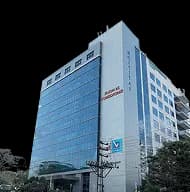

Baner

4.3
1 Min Read
Manipal Hospitals offers specialised burn treatment in Delhi, focusing on emergency care, wound healing, and rehabilitation. Severe burns are critical injuries that can damage multiple layers of the skin and sometimes the underlying tissues. They may be caused by fire, hot liquids, chemicals, or electricity. Such burns can lead to fluid loss, infection, and shock, making timely treatment essential to restore health and prevent long-term complications.
4.3
Severe burns are significant injuries involving extensive damage to the skin and underlying tissues. They are commonly classified as partial-thickness or full-thickness burns. Causes include thermal, electrical, chemical, or radiation exposure. These injuries can lead to fluid loss, infection, and systemic complications such as shock. Early assessment and appropriate severe burns treatment are critical to reduce morbidity and mortality. Manipal Hospitals offers advanced, multidisciplinary burn care and emergency management services.
Symptoms of severe burns include intense pain, blistering, charred or pale skin, swelling, and loss of sensation in deeper burns. Patients may also develop signs of shock, such as low blood pressure, rapid pulse, and confusion.
Diagnosis of severe burns involves clinical assessment of burn depth, extent, and total body surface area (TBSA) affected. To determine the size of the burn, the “Rule of Nines” is commonly used. Vital signs and laboratory tests are performed to assess fluid status and organ functionality. Doctors may also recommend additional investigations to evaluate inhalation injury or associated trauma.
The initial management focuses on airway stabilisation, fluid resuscitation, and wound care. Severe burns treatment may include pain management, infection control, and surgical interventions such as debridement or skin grafting to promote healing and restore function.
Patients seeking severe burns treatment at Manipal Hospitals receive immediate and comprehensive care to stabilise their condition and prevent complications. Doctors follow advanced trauma and burn care protocols. This includes airway protection, breathing support, and fluid resuscitation using established formulas such as the Parkland formula.
After initial stabilisation, doctors assess burn depth and extent in detail to guide further management. Wound care includes cleaning, debridement, and appropriate dressings to prevent infection and promote healing. In many cases, severe burn treatment involves surgical procedures such as early excision and skin grafting to improve outcomes.
Patients may require intensive care monitoring, especially if large areas are affected or if complications such as inhalation injury are present. Nutritional support, pain management, and infection prevention are essential components of ongoing care.
Rehabilitation plays a vital role in recovery and includes physiotherapy, occupational therapy, and scar management. Long-term follow-up helps restore function, minimise complications, and improve quality of life.
or
Use our new search to get all your questions answered!

Not sure what you’re looking for?