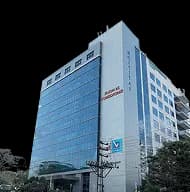

Baner

4.3
1 Min Read
At Manipal Hospitals in Bangalore, individuals seeking lymphoma treatment in Bangalore receive careful evaluation and steady guidance. Lymphoma affects the lymphatic system, often developing from abnormal lymphocytes that disrupt immunity and overall health. Hodgkin and non-Hodgkin forms may present differently, yet both require timely attention. The team focuses on precise diagnosis and supportive care, helping patients understand their condition while planning treatment that feels structured and manageable.
4.3
Lymphoma is a group of blood cancers that affects the lymphatic system. It develops when white blood cells (lymphocytes) mutate and grow abnormally, resulting in an accumulation of abnormal cells in lymph nodes. Common risk factors include a weakened immune system, viral infections, and a family history. Treatment depends on the type of lymphoma, primarily Hodgkin and non-Hodgkin variants. Manipal Hospitals provide specialised, multidisciplinary care for lymphoma.
Lymphoma symptoms often include painless swelling of lymph nodes in the neck, armpits, or groin region. Other noticeable symptoms include drenching night sweats, shortness of breath, persistent fatigue, recurrent fever, and unexplained weight loss.
Lymphoma diagnosis begins with a physical examination to evaluate lymphoma symptoms and a tissue biopsy for pathological confirmation. Blood tests, including a complete blood count and lactate dehydrogenase (LDH) levels, help evaluate overall health and disease impact. Imaging tests such as CT and PET scans measure the spread of the disease. In certain cases, molecular testing is performed to identify specific lymphoma subtypes.
Lymphoma treatment varies depending on the type, stage, and the patient's health. Options may include chemotherapy, immunotherapy, targeted therapy, radiation therapy, or stem cell transplantation. These treatment modalities may be used alone or in combination as required.
Lymphoma treatment at Manipal Hospitals is initiated with a comprehensive consultation with experienced haematologists and oncologists. Doctors carefully evaluate clinical symptoms, medical history, physical examination findings, and biopsy results to identify lymphoma subtype and stage. Advanced imaging studies and laboratory tests guide treatment planning.
Based on these assessments, an individualised lymphoma management plan is formulated. Treatment may involve chemotherapy to eradicate malignant cells, immunotherapy to stimulate the immune system, or targeted therapies that alter specific cancer pathways. Radiation therapy is employed selectively, particularly for localised lymphomas. In certain cases, stem cell transplantation may be utilised for high-risk or recurrent lymphoma.
Patients are closely monitored for therapeutic response and adverse effects. Supportive care, including measures to prevent infection, dietary support, and symptom control, is provided throughout the treatment. Follow-up appointments are scheduled to monitor treatment efficacy, detect recurrence, and manage long-term health. A multidisciplinary team approach ensures that patients receive comprehensive medical care, psychological support, and rehabilitation services. These help improve the quality of life and maximise chances of recovery.
or
Use our new search to get all your questions answered!

Not sure what you’re looking for?