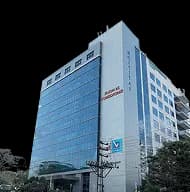

Baner

4.3
1 Min Read
At Manipal Hospitals, patients receive advanced and personalised care for IBS treatment in Pune. Irritable Bowel Syndrome (IBS) affects the digestive system and causes recurring abdominal discomfort. It alters how the intestines function and may develop due to stress, poor dietary habits, gut infections, or an imbalance in gut bacteria. Although not life-threatening, it can disrupt daily activities and emotional health, making timely management essential.
4.3
Allergic rhinitis is an inflammatory condition of the nasal passages caused by an exaggerated immune response to airborne allergens. It occurs when inhaled allergens trigger an immune response in the nasal lining, leading to the release of histamine and other mediators. Allergic rhinitis symptoms may be seasonal or persistent and can significantly interfere with daily functioning. Manipal Hospitals offers personalised care that focuses on identifying triggers, reducing inflammation, and improving breathing comfort.
Allergic rhinitis diagnosis begins with an evaluation of symptoms, medical history, and possible exposure to allergens. Doctors also assess the nasal mucosa and evaluate for associated symptoms affecting the eyes or throat. Allergy tests, such as skin prick tests or specific IgE blood tests, help identify the trigger allergen and confirm allergic sensitisation.
Allergic rhinitis treatment primarily aims to reduce symptoms and minimise exposure to allergen triggers. Management may include antihistamines, intranasal corticosteroid sprays, decongestants, and saline nasal irrigation. For patients with persistent or severe symptoms, allergen immunotherapy may be recommended.
Allergic rhinitis management at Manipal Hospitals begins with an evaluation of symptoms, their duration, seasonal variations, and possible exposure to triggers. Doctors assess previous medical history, occupational exposure, and family history of allergic diseases.
In mild cases, management includes avoiding allergens and using antihistamines or saline nasal irrigation for symptom relief. Intranasal corticosteroids are often used in cases of persistent or moderate symptoms to decrease inflammation and improve airflow. Other medications, such as leukotriene receptor antagonists or short-term decongestants, may be used when clinically indicated.
In more severe or persistent cases, patients may be considered for allergen immunotherapy. It helps reduce sensitivity to certain allergens over time. Patients are considered for immunotherapy if symptoms are difficult to control with medications or if exposure to allergens cannot be avoided.
Education is a crucial part of management. Patients are advised to minimise exposure to dust, maintain clean indoor environments, and avoid known allergen triggers. With adequate treatment, monitoring, and control of triggers, most patients experience good symptom control and an improvement in their quality of life.
or
Use our new search to get all your questions answered!

Not sure what you’re looking for?