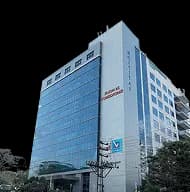

Baner

4.3
1 Min Read
At Manipal Hospitals in Bangalore, patients seeking hair loss treatment in Bangalore are assessed for hair thinning caused by genetics, stress, nutritional gaps, or medical conditions. Hair thinning may appear gradually and affect density across the scalp. Doctors review health history, pattern of hair fall, and contributing factors to plan safe, practical treatment aimed at slowing loss and improving hair strength.
4.3
At Manipal Hospitals in Bangalore, patients seeking hair loss treatment in Bangalore are assessed for hair thinning caused by genetics, stress, nutritional gaps, or medical conditions. Hair thinning may appear gradually and affect density across the scalp. Doctors review health history, pattern of hair fall, and contributing factors to plan safe, practical treatment aimed at slowing loss and improving hair strength.
People seeking hair fall treatment in Bangalore may notice widening hair parts, reduced volume, increased shedding, or thinning in specific areas. Symptoms often progress slowly.
Diagnosis at Manipal Hospitals Bangalore includes scalp examination, blood tests to check for nutritional or hormonal causes, and review of hair pattern changes. Sometimes dermoscopy is used for a closer assessment. These details guide the most suitable plan for the best hair thinning treatment in Bangalore.
Treatment may include topical medication, supplements, PRP therapy, or other scalp-based procedures. Plans depend on cause, severity, and hair density. Some patients may need combined approaches for steady improvement.
During hair loss treatment in Bangalore at Manipal Hospitals, patients begin with an evaluation of scalp health, shedding pattern, and medical factors that may influence hair growth. Doctors explain which treatments are suitable and how long results may take to appear, as hair cycles progress slowly.
Topical or oral medications may be started to support regrowth or reduce hair fall. PRP therapy or other scalp procedures may be suggested for areas showing reduced density. Treatment is usually delivered in sessions spaced over weeks.
Follow-up visits help track progress, adjust medication strength, or change approaches if needed. Patients receive guidance on hair care, nutrition, and reducing triggers such as stress or harsh styling.
The goal is gradual improvement in density, reduced shedding, and healthier hair quality over time.
Initial evaluation: Scalp and shedding pattern assessed.
Focused investigations: Blood tests for nutritional or hormonal factors.
Personalised treatment planning: Medication, supplements, or procedures recommended.
Guided therapy sessions: PRP or topical therapies explained and performed.
Ongoing review: Monitoring of regrowth and shedding trends.
Supportive aftercare: Hair-care advice and lifestyle guidance.
Manipal Hospitals in Bangalore offers straightforward, structured care for hair thinning, supporting patients through evaluation, treatment, and follow-up.
Interstitial lung disease causes include chronic exposure to environmental irritants such as dust, asbestos, and silica. Autoimmune diseases, the use of certain medications, infections, and radiation therapy can also lead to the development of ILD.
Most types of interstitial lung disease cannot be completely cured, especially when lung scarring is significant. However, appropriate treatment can help to slow disease progression, relieve symptoms, and improve quality of life for many patients.
Interstitial lung disease primarily affects the lung interstitium, the tissue surrounding the air sacs, causing inflammation and scarring. This condition differs from airway diseases, such as asthma or chronic bronchitis, which mainly affect the bronchial airways.
Smoking increases the risk of developing certain forms of interstitial lung disease and may worsen existing lung damage. Smoking cessation is strongly recommended to help protect lung function and prevent further respiratory complications.
Medical evaluation is recommended if a person experiences a persistent dry cough, unexplained shortness of breath, or reduced exercise tolerance that worsens over time. Early assessment helps to identify interstitial lung disease and initiate an appropriate treatment plan.
or
Use our new search to get all your questions answered!

Not sure what you’re looking for?