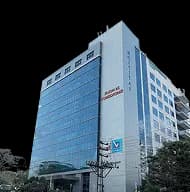

Baner

4.3
1 Min Read
At Manipal Hospitals in Bangalore, patients assessed for kidney transplant treatment in Bangalore may be diagnosed with end-stage renal disease. At this stage, the kidneys are unable to remove waste or maintain fluid balance. Symptoms often relate to fatigue, swelling, or loss of appetite. Doctors examine kidney function, overall condition, and long-term goals before planning dialysis or transplant evaluation.
4.3
At Manipal Hospitals in Bangalore, patients assessed for kidney transplant treatment in Bangalore may be diagnosed with end-stage renal disease. At this stage, the kidneys are unable to remove waste or maintain fluid balance. Symptoms often relate to fatigue, swelling, or loss of appetite. Doctors examine kidney function, overall condition, and long-term goals before planning dialysis or transplant evaluation.
People seeking renal disease treatment in Bangalore may notice swelling, tiredness, nausea, reduced urine output, or breathlessness. Symptoms usually progress gradually as kidney function declines.
Diagnosis at Manipal Hospitals Bangalore includes blood tests, urine tests, and imaging to check the kidneys’ structure and function. Doctors evaluate eGFR, electrolytes, and blood pressure. In selected cases, a biopsy may be required. These results guide decisions made at a renal disease treatment hospital in Bangalore.
Treatment may involve dialysis, transplant assessment, or medication to control symptoms. Choices depend on how advanced the disease is and the patient’s overall health. The aim is to maintain stability and reduce complications.
During renal disease transplant treatment in Bangalore or dialysis planning at Manipal Hospitals, patients first undergo a review of kidney test results and symptoms. Doctors explain available options, including haemodialysis, peritoneal dialysis, or transplant evaluation. Each option is discussed clearly so patients understand what is required.
When dialysis is recommended, the team explains the process, frequency of sessions, and access to care. Patients learn how diet, fluids, and medications influence day-to-day stability. For transplant evaluation, compatibility tests and medical assessments are carried out before confirming suitability.
Regular follow-up visits help monitor electrolytes, blood pressure, and treatment response. Adjustments are made gradually to support comfort and prevent complications. The focus remains on steady management, symptom control, and long-term planning.
Initial evaluation: Kidney function and overall condition reviewed.
Focused investigations: Blood tests, urine tests, imaging, and biopsy when needed.
Personalised treatment planning: Dialysis or transplant pathway chosen based on suitability.
Guided therapy sessions: Dialysis initiation or transplant steps explained.
Ongoing review: Regular monitoring of symptoms and lab results.
Supportive aftercare: Diet, medication, and long-term kidney care guidance.
Manipal Hospitals in Bangalore offers clear, structured care for end-stage renal disease, supporting patients through treatment and long-term follow-up with dependable guidance.
Most jaw tumours are benign and do not spread to other parts of the body. However, some may grow aggressively and affect nearby structures. Rare cases can be malignant, requiring prompt evaluation and appropriate treatment to prevent complications.
Surgery is commonly recommended to remove the growth and prevent damage to surrounding tissues. The need for surgery depends on the tumour type, size, and behaviour. Some small or slow-growing lesions may be monitored before deciding on intervention.
Diagnosis is generally not painful. Clinical examination and imaging tests such as X-rays or scans are non-invasive. A biopsy may cause mild discomfort but is usually performed under local anaesthesia to minimise pain.
Recovery time varies depending on the type of tumour and extent of treatment. Minor procedures may heal quickly, while extensive surgeries may require longer recovery and rehabilitation. Regular follow-up is important to monitor healing and overall progress.
Jaw tumours symptoms may include changes in tooth position and facial symmetry as the growth enlarges. They can also cause displacement of teeth or jaw changes. Early detection and treatment help reduce long-term functional and cosmetic concerns.
or
Use our new search to get all your questions answered!

Not sure what you’re looking for?