


The Quest for an Alzheimer's Disease Vaccine
Reviewed by: Manipal Hospitals
Posted on
5 Min Read

Not sure what you’re looking for?
Get in touch with our representatives for help!
Contact Us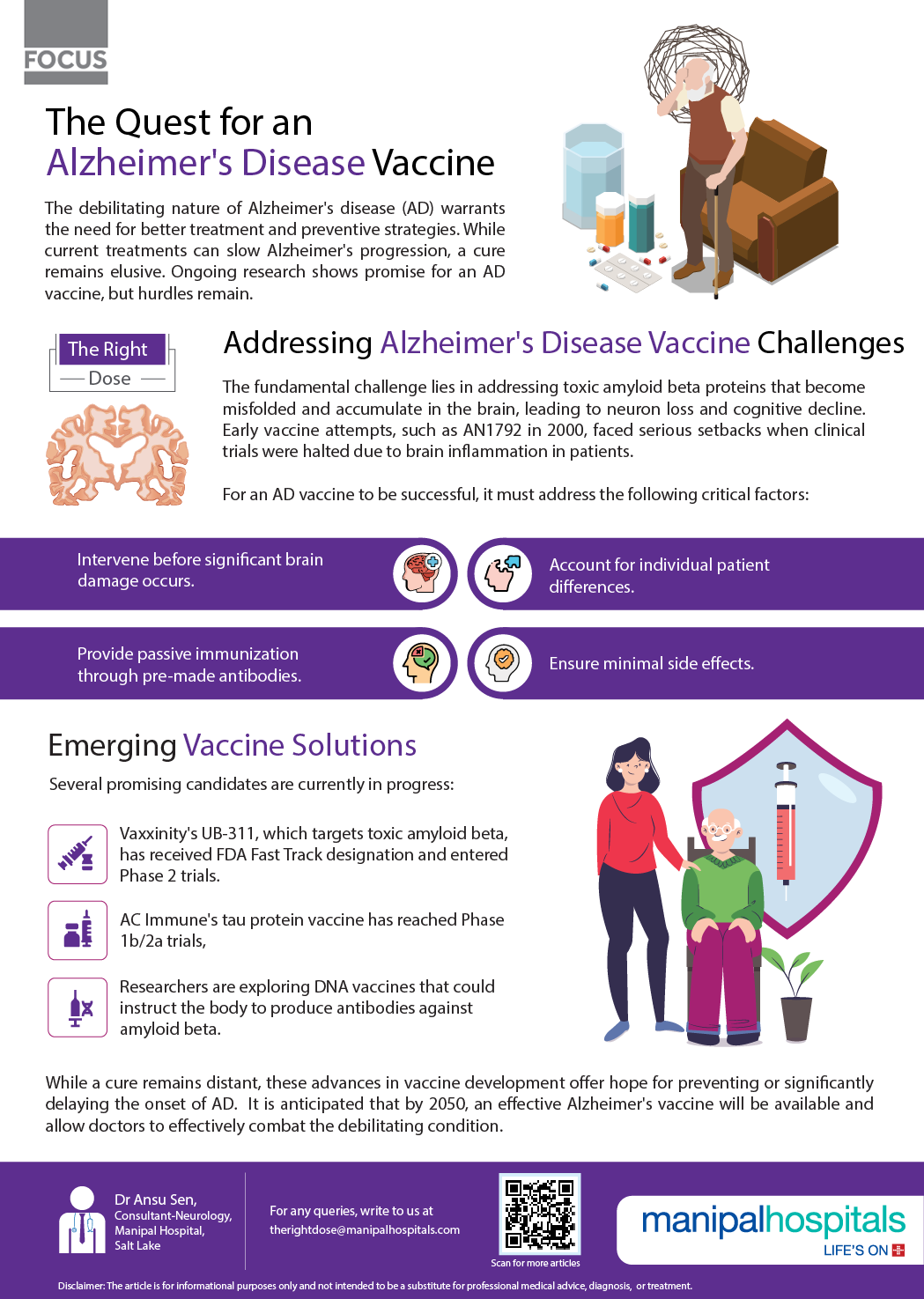
Share this Article


Similar Blogs

What is Mental Wellness & How to Improve It?
1 Min Read
When we hear the words ‘Mental Wellness’, we generally think of a state of consistent happiness. But, in reality, it’s much more than that. Mental wellness can be more accurately described as a mental state in which a person feels a sense of equilibrium as he passes through various life events and emotions. According to the World Health Organization (WHO), mental wellness refers to a state of well-being in which a person realizes his or her abilities, can easily cope with the stresses of life, can work fruitfully and productively, and is able to contribute towards the growth of his or her community. Importance of Mental Wellness Over the last decade, the prevalence of mental health issues has risen tremendously across the globe, especially because of increasing stress, fear, anxiety, negative family environment, long working hours, family conflicts, shrinking social circle, and the loss of supportive relationships with friends, relatives, mentors, and extended family members. According to The Lancet, one out of every seven Indians was suffering from mental health issues of varying severity in 2017. In addition, the proportional contribution of mental health disorders to the country’s total disease burden has doubled since 1990. As mental health disorders affect the quality of life and impede the person’s ability to deal with various challenges, it is necessary to mitigate the risk of these diseases for a healthier and happier life. Moreover, people with good mental health can cope with stress and engage in productive work and thus, contribute heavily towards the economy and the development of the country. Visit our neurology hospital in Bangalore to know more about mental wellness. Tips to Improve Mental Wellness Exercise Regularly & Be Physically Active Exercising regularly is not only great for physical fitness and health but also beneficial for mental wellness. Moreover, as per research, being physically active can improve a person’s mental well-being by: Helping them set challenges or goals and achieve them Causing chemical changes in the brain which can help improve mood Raising self-esteem Maintain a Healthy Lifestyle Apart from being physically active, following healthy dietary habits and keeping a check on tobacco and alcohol consumption can also improve mental wellness significantly. Learn to be at Peace with Yourself Understanding your own needs, goals, and desires as well as limitations, acknowledging the things you can and cannot change about yourself and identifying your weaknesses and abilities can not only help you be kind to yourself but also encourage you to be the best version of yourself. In addition, journaling can also help you put down your thoughts and feelings and declutter your mind. Consult with an expert neurologist in Bangalore to know more tips about keeping yourself at peace. Build a Strong Support System A strong support system or social circle is beneficial for mental well-being as it can: Help build a sense of self-worth and belonging Provide an opportunity to share positive and negative experiences Give emotional support and companionship Learn New Skills Learning new skills or hobbies can improve mental wellness by: Raising self-esteem and boosting self-confidence Helping build a sense of purpose Helping meet new people and widen the social circle Department of Neurology Manipal Hospitals
Read NowTypes of Nerve Injury: Causes, Symptoms & Recovery Guide
15 Jun 20266 Min Read
Nerve injuries happen when a nerve is pinched, stretched, cut or damaged. These injuries can cause numbness, tingling, or sharp pain. Nerves are cords that carry electrical signals from your brain and spinal cord (central nervous system) to the rest of your body and vice versa. These signals allow you to move your muscles and feel sensations like touch and temperature. When a nerve is damaged, these signals are disrupted.
Read NowWeak Nervous System Symptoms: Signs & How to Strengthen It
12 Jun 20268 Min Read
Stress often induces symptoms such as fatigue, anxiety, poor concentration, sleep disturbances, and heightened sensitivity in people. These issues are often associated with what is commonly referred to as a weak nervous system, a condition where the body’s network of nerves struggles to cope with physical, emotional, or mental demands. When the nerves are constantly misfiring or overwhelmed, it affects almost every bodily function. Managing it is about restoring balance (homeostasis) so your body can function efficiently rather than operate in a permanent state of emergency.
Read NowPost-Concussion Syndrome: Symptoms, Causes, Treatment, and Recovery Guide
15 May 20266 Min Read
A concussion may seem like a minor head injury, but sometimes the symptoms do not go away quickly. When symptoms continue for weeks or even months after a concussion, the condition is called Post-Concussion Syndrome (PCS). Many people recover from a concussion within a few days. However, some continue to experience headaches, dizziness, tiredness, memory issues, or difficulty concentrating. These symptoms can affect daily life, work, studies, and emotional well-being.
Read NowVomiting After Head Injury: What It Could Mean
08 May 20266 Min Read
A head injury can be frightening, and if vomiting happens afterward, it can make the situation even more stressful. This can occur after a fall, a sports injury, or even a minor bump to the head. In some cases, vomiting is just a temporary reaction and may settle on its own. However, it can also be a warning sign of something more serious that needs medical attention. While not every case of vomiting after a head injury is dangerous, it’s important to understand when to stay calm and when to seek medical help.
Read NowBoost Your Brain Power Naturally: Start with These Simple Steps
04 May 20268 Min Read
Modern lifestyles place continuous demands on attention, memory, and decision-making. Long work hours, increased screen time, irregular sleep, and unbalanced diets can gradually affect how the brain functions. These changes are often mild at first, such as occasional forgetfulness or difficulty focusing, but they can become more noticeable over time if not addressed. At the same time, brain health is not fixed. It is influenced by daily habits and routine choices. Simple factors like staying physically active, eating balanced meals, getting enough sleep, and keeping the mind engaged can support better cognitive performance. Understanding these everyday influences helps in making practical, natural changes that improve focus, memory, and overall mental clarity without the need for complex interventions.
Read NowWhy is My Body Shaking for No Reason? Understanding the Possible Causes of Shivering
29 Apr 20266 Min Read
Ever felt your hands suddenly shake, your legs feel weak, or a strange internal vibration run through your body for no clear reason, even when you’re completely at rest? These unexpected episodes of body shaking can feel unsettling, especially when they appear out of nowhere and leave you wondering what’s happening inside your body. While in many cases they are harmless and linked to everyday factors like stress, low blood sugar, excess caffeine, or lack of sleep, sometimes they can also be your body’s early signal that something needs attention. Understanding these episodes can help you know when to simply relax and when it’s time to look a little deeper.
Read NowHow to Handle a Seizure: Dos and Don’ts Everyone Should Know
16 Mar 20265 Min Read
Seizures are more common than many people realise. According to the WHO, nearly 10% of people worldwide experience at least one seizure during their lifetime. Around 50 million people globally live with epilepsy, a condition characterised by recurrent seizures. Seizures can occur suddenly and may be frightening to witness. Whether caused by epilepsy or other medical conditions, knowing how to respond calmly can make a significant difference. Understanding simple seizure first aid steps can help prevent injury and keep the person safe until the seizure passes, allowing bystanders to respond confidently and effectively.
Read NowBrain Hemorrhage Warning Signs You Should Never Ignore
11 Feb 20265 Min Read
Imagine experiencing the worst headache of your life, far more intense than a typical headache. Within minutes, vision blurs, speech slurs, and confusion sets in. These early symptoms of brain haemorrhage are often ignored, but every minute of delay increases the risk of permanent brain damage. A brain haemorrhage is life-threatening and a leading cause of mortality and disability. Globally, one in four people over the age of 25 will experience a stroke in their lifetime. Intracerebral haemorrhage accounts for over 28% of all incident strokes, with 23% of cases occurring in people aged 15–49 years and more than 68% in people under 70 years of age.1 Recognising the brain haemorrhage symptoms early can save brain cells, preserve function, and improve survival. This blog explains what a brain haemorrhage is and the critical brain bleed symptoms everyone should know.
Read NowSciatica Pain Relief: Causes, Symptoms & Top Exercises That Work
21 Apr 20256 Min Read
If you’ve ever felt a sharp, shooting pain running from your lower back down your leg, chances are, you’ve had a brush with sciatica pain. And if you’re dealing with it now, we see you. That burning, tingling, can’t-sit-for-more-than-10-minutes kind of discomfort isn’t just annoying; it can interfere with everything from walking to sleeping. But the good news? There’s help, and sciatica pain relief is possible with the right care, some simple at-home tips, and consistent movement. Let’s break it down.
Read NowRecent Blogs
Test blog - oct 1
01 Oct 20267 Min Read
Understanding Insulin Resistance: A Core Concept Insulin is a vital hormone In the intricate landscape of women's health, certain conditions often go unnoticed until they manifest into more significant concerns. One such silent yet powerful player is insulin resistance. It's a condition where your body's cells don't respond effectively to insulin, leading to elevated blood sugar levels. For many women, understanding the early insulin resistance symptoms in females can be a game-changer, enabling timely intervention and preventing a cascade of health issues. In this blog, an experienced gynaecologist in Mysuru explains in detail the nuances of insulin resistance in women, highlighting the crucial early signs you should be aware of. Recognising these signs of insulin resistance in females is the first step towards taking control of your health journey. it. For women, the prevalence can be even higher, particularly in certain life stages or conditions. Causes of Insulin Resistance in Women While insulin resistance can affect anyone, women face unique physiological factors that can increase their susceptibility: Lifestyle Tips for Long-Term Liver Health The table below lists straightforward lifestyle tips to support lasting liver health and avoid extra damage. ljfslsdjksnfs3333333TestingTestingTestingTestingTestingTestingTestingTestingTestingTestingTestingTestingTestingTestingTestingTestingTestingTestingTestingTestingTestingTestingTestingTestingTestingTestingTestingTestingTestingTestingTestingTestingTestingTestingTestingTestingTestingTestingTestingTestingTesting uiuiiuhghhjTip Description Avoid processed and fried foods Reduces excess fat intake and supports better liver function Include antioxidant-rich foods Fruits and vegetables help protect liver cells from damage Stay physically active Regular exercise improves metabolism and reduces fat accumulation in the liver Monitor weight regularly Helps in maintaining a healthy weight and preventing fat buildup Schedule routine health check-ups Enables early detection and management of liver-related issues These habits support long-term recovery and reduce the risk of future fatty liver problems.
Read NowTypes of Nerve Injury: Causes, Symptoms & Recovery Guide
24 Sept 20260 Min Read
Nerve injuries happen when a nerve is pinched, stretched, cut or damaged. These injuries can cause numbness, tingling, or sharp pain.
Read Nowtesting admin blogs
20 Sept 20262 Min Read
dislocated-hip-symptoms test https://manipaltest.cosmicnet.xyz/referral-program/
Read NowDislocated Hip: Understanding Symptoms, Causes, and Treatment Options
26 Aug 20265 Min Read
A dislocated hip is a severe injury that occurs when the head of the thigh bone (femur) is forced out of the hip socket (acetabulum). This traumatic event can be incredibly painful and immediately incapacitating, requiring urgent medical attention. This blog explores the symptoms, causes, diagnosis, and treatment of hip dislocation with expert insights from specialists at Manipal Hospitals, a top orthopaedic hospital in Vijayawada, offering comprehensive hip dislocation treatment in Vijayawada to help patients achieve the best possible recovery. Understanding the signs, causes, and available treatment options is crucial for anyone who has experienced or knows someone who has experienced this injury. Early intervention is key to preventing long-term complications and ensuring a successful recovery.
Read NowFluttering in Chest: Causes, Symptoms & When to See a Doctor
26 Jun 20266 Min Read
A sudden, strange tapping, flipping or thumping inside your chest can be highly unsettling. This feeling can match the sensation of a brief skipped beat or a sudden twitch. This sensation is commonly known as a fluttering chest. While a fluttering feeling in the chest can be alarming and cause your anxiety to spike, it is actually a very common experience. In many cases, it is harmless. However, in some cases, it points to an underlying medical issue that needs attention.
Read Now10 Warning Signs of an Unhealthy Gut You Must Not Ignore
26 Jun 20266 Min Read
Your gut does much more than digest food. It plays a key role in your energy levels, immune system, mood, and overall well-being. When your gut is healthy, your body works smoothly. But when something is wrong, your body often sends warning signals. Unfortunately, many people ignore these signs or assume they are caused by stress, lack of sleep, or a busy lifestyle. Recognising the early signs of poor gut health can help you make changes before the problem becomes worse. Here are 10 signs of an unhealthy gut that you should never ignore.
Read NowWhat Creatinine Level Indicates Kidney Failure? Doctors Explain
22 Jun 20266 Min Read
Creatinine is a waste product produced by your muscles every day. Healthy kidneys remove it from the blood and pass it out through urine. When the kidneys are not working properly, creatinine can build up in the bloodstream. Seeing a high creatinine level in your blood test report can be working. Many people immediately think it's kidney failure. However, creatinine levels alone do not tell the whole story. Doctors look at several factors, including your age, overall health, and kidney function tests, before determining how well your kidneys are working.
Read NowStomach Cancer Lump: What It Feels Like & When to See a Doctor
22 Jun 20267 Min Read
Finding an unusual bump or swelling on your body can be alarming. If you notice a change in your tummy, it is completely natural to feel a wave of anxiety and wonder what it might mean. One thought that might cross your mind is whether it could be a stomach cancer lump. Feeling concerned is completely valid, but it helps to know that most abdominal changes may have very simple explanations. Understanding what to look for can help quiet some of that worry.
Read NowUnderstanding CT scan and its role in cancer detection.
15 Jun 20268 Min Read
When doctors suspect a serious health condition, imaging tests often play a crucial role in diagnosis. One of the most used imaging tools is a computed tomography (CT) scan. A CT scan provides detailed cross-sectional images of the body`s organs, tissues, and blood vessels. These images can reveal abnormalities that may indicate the presence of cancer. However, understanding what a CT scan can and cannot do is important for accurate diagnosis and treatment planning. However, can a CT scan detect cancer? A CT scan is extremely important in detecting cancer, but it is not always definitive on its own
Read NowTypes of Nerve Injury: Causes, Symptoms & Recovery Guide
15 Jun 20266 Min Read
Nerve injuries happen when a nerve is pinched, stretched, cut or damaged. These injuries can cause numbness, tingling, or sharp pain. Nerves are cords that carry electrical signals from your brain and spinal cord (central nervous system) to the rest of your body and vice versa. These signals allow you to move your muscles and feel sensations like touch and temperature. When a nerve is damaged, these signals are disrupted.
Read Now